Every time you step outside during daylight, your eyes are exposed to invisible ultraviolet radiation, even on cloudy days. Wearing sunglasses is not just about comfort or style. It is a critical defense against long-term eye damage that accumulates silently over years. This guide breaks down exactly when to wear sunglasses based on medical research, environmental conditions, and lifestyle needs.
You will learn the essential situations for eye protection, from daily activities to specialized environments like high altitudes and post-surgery recovery. We also cover when to remove sunglasses for safety, etiquette, and social connection. By the end, you will know exactly when to wear sunglasses to protect your vision for life.
Wear Sunglasses Every Day in Daylight
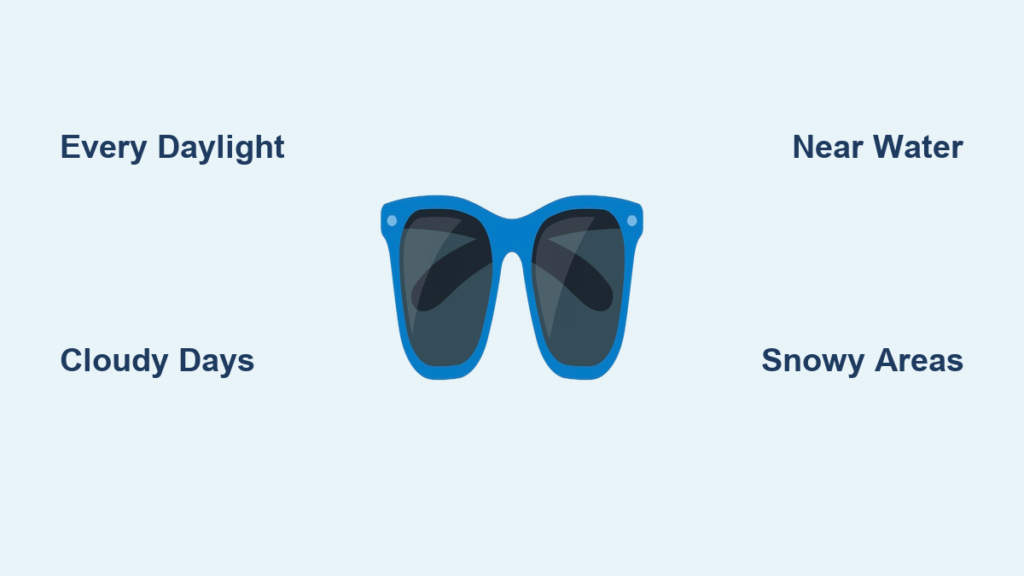
UV radiation is present every day, not just during summer months. Winter sun, early spring, and overcast autumn skies still emit damaging rays. Peak intensity occurs between 10 a.m. and 4 p.m., but UV exposure begins at sunrise and continues until sunset.
Make sunglasses part of your daily routine for these activities:
• Walking the dog or commuting to work
• Grocery shopping or running errands
• Waiting for the bus or sitting outdoors
• Gardening or yard work
If it is light enough to see, UV is present and your eyes need protection. Daily wear, regardless of season, is the foundation of lifelong eye health.
Protect Eyes on Cloudy and Overcast Days
Up to 80% of UV rays penetrate cloud cover. You may not feel the sun, but your eyes are still at risk from this hidden exposure. This contributes significantly to long-term conditions like cataracts and age-related macular degeneration.
Do not skip sunglasses because the sky looks gray. The UV damage occurring during overcast days is just as harmful as damage from bright sunshine. Daily wear under any sky condition is essential for protecting your vision decades from now.
Shield Eyes Near Water and Beaches

Water reflects up to 20% of UV radiation, increasing total eye exposure from above and below. Combined with sand, which reflects 15 to 25%, beachgoers face intensified UV risk from multiple directions.
For maximum protection near water:
• Choose polarized lenses to cut glare off water surfaces
• Wear wraparound frames to block reflected light from the sides
• Pair with a wide-brimmed hat for added coverage
Swimmers, boaters, anglers, and anyone spending time near water should wear UV400 sunglasses before and after being in the water.
Guard Vision in Snowy and High-Altitude Conditions

Snow reflects up to 80% of UV rays, nearly doubling your exposure. At high altitudes, UV intensity increases by 10 to 12% per 1,000 meters. Skiers, snowboarders, and mountaineers risk photokeratitis, a painful corneal sunburn also known as snow blindness.
Wear these essentials in snowy or alpine conditions:
• UV400-protected sunglasses or goggles
• Side shields or wrap frames to block reflected light
• Mirrored or rose-tinted lenses to reduce brightness
Even on cold, overcast days in the mountains, UV levels remain dangerously high. Never skip eye protection during winter sports or high-altitude activities.
Drive Safely with the Right Sunglasses
Sun glare on roads, wet pavement, and car windows creates hazardous driving conditions. The low angle of the sun during dawn and dusk increases blinding reflections that can obscure pedestrians, traffic signals, and other vehicles.
Polarized lenses are ideal for driving because they block horizontal glare while maintaining visual clarity. Non-polarized dark lenses may darken your view but fail to eliminate glare, potentially worsening visibility.
Choose the right lens color for driving:
• Gray lenses preserve true color perception and work best on bright, sunny days
• Brown or amber lenses enhance contrast on cloudy or variable light days
• Green lenses offer balanced clarity and comfort for general driving
Avoid Category 4 lenses, which have only 3 to 8% light transmission, because they are too dark for safe driving.
Start Protecting Children s Eyes Early
Children’s eye lenses are more transparent to UV than adults, allowing deeper penetration to the retina. They also spend more time outdoors, accumulating three times more UV exposure by age 18 than adults receive.
Start early with these recommendations:
• Introduce sunglasses by age one
• Choose polycarbonate lenses, which are impact-resistant and naturally UV-blocking
• Opt for wraparound styles that stay on during active play
Make sunglasses as routine as sunscreen for children. Early protection sets the foundation for healthy eyes throughout life.
Use Sunglasses After Eye Surgery
After cataract surgery, LASIK, or corneal transplants, eyes become extremely sensitive to light. Even indoor lighting can cause significant discomfort. Doctors typically require patients to wear sunglasses outdoors at all times during recovery.
Even if your intraocular lens offers some UV filtering, supplemental sunglasses are still necessary to protect surrounding tissues and reduce glare. Patients with photophobia may need to wear sunglasses indoors under bright lights, especially in the first few days after surgery.
This temporary discomfort is worth the protection. Follow your doctor’s instructions precisely during the recovery period.
Manage Light Sensitivity and Medical Conditions

Bright or flickering light can trigger migraines in up to 80 of migraine sufferers. FL-41 tinted lenses, which are rose or amber colored, filter out the most triggering wavelengths, especially blue and fluorescent light.
These specialized tints help individuals with:
• Migraine disorders
• Autism spectrum disorder
• Post-concussion syndrome
• Traumatic brain injury
• Albinism or retinal dystrophies
Wraparound styles with anti-glare coatings offer the best relief for light sensitivity. Consult an eye care professional about tinted lenses if you experience discomfort in bright environments.
Follow Social Etiquette: When to Remove Sunglasses
Wearing sunglasses indoors is generally impolite or unprofessional. It blocks eye contact, which is essential for trust and communication. Remove sunglasses in offices, restaurants, meetings, and social gatherings unless you have a medical reason.
Sunglasses are inappropriate at these serious events:
• Funerals and memorial services
• Religious services
• Courtrooms
• Weddings during the ceremony
Removing sunglasses shows respect, emotional presence, and sincerity. Save your sunglasses for outdoor moments and casual settings.
Sunglasses also impair vision after dark. They reduce available light, increasing fall and accident risk, especially while driving. Even lightly tinted lenses are unsafe at night unless medically prescribed.
Choose the Right Sunglasses Features
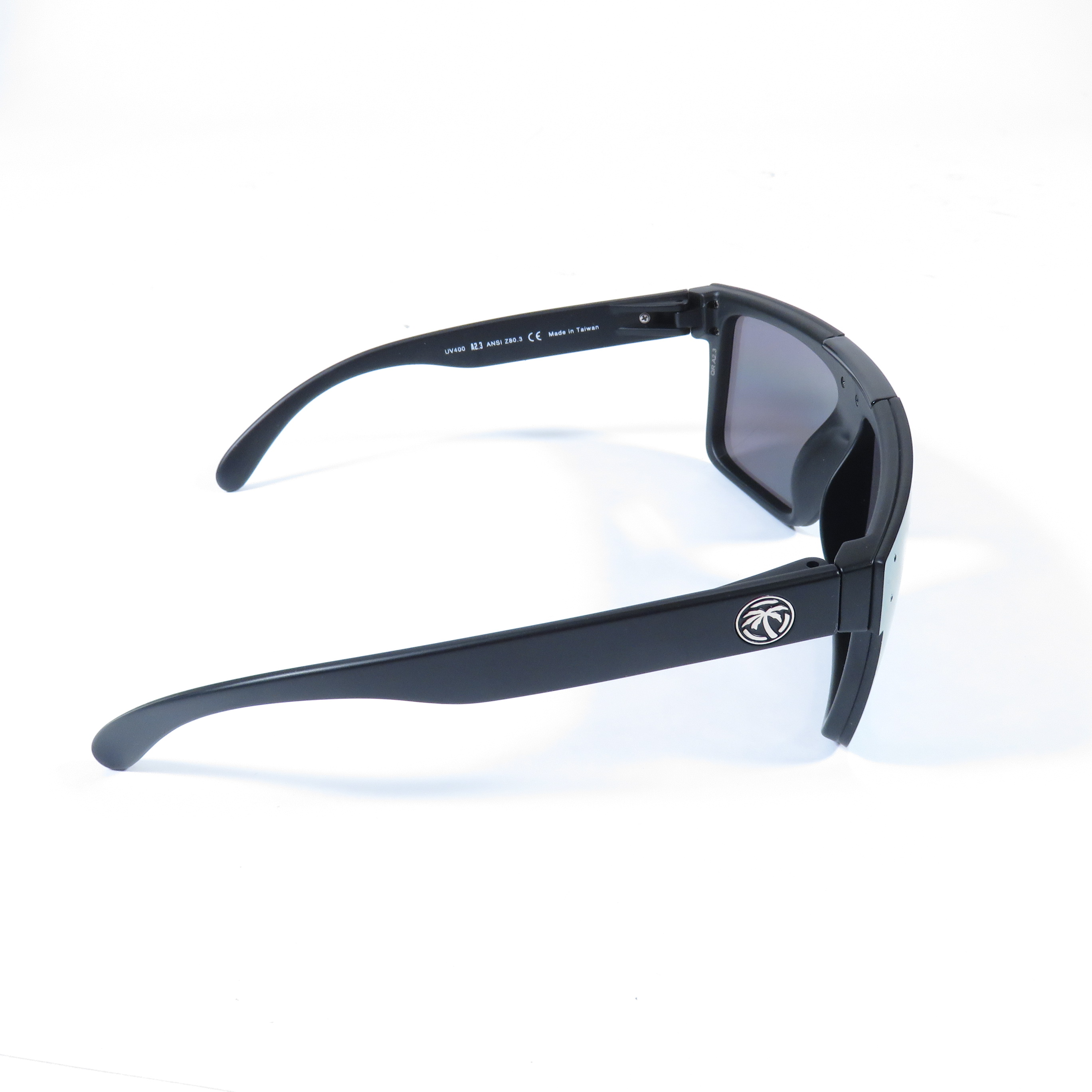
Never compromise on UV blocking. Look for these essential features:
• 100% UV protection or UV400 label, which blocks all light up to 400 nanometers
• ANSI Z80.3 certification for U.S. standards
• Independent lab testing when available
Price does not guarantee protection. Some inexpensive sunglasses offer full UV400 protection while expensive fashion brands may offer none.
Polarization reduces reflected glare from water, snow, roads, and car windows. However, polarization does not equal UV protection. Always ensure both features are present in your lenses.
For maximum defense, choose wraparound frames that block peripheral light, oversized lenses that cover more eye area, and close-fitting designs that minimize gaps.
Avoid Common Sunglasses Mistakes
Cheap fashion sunglasses without UV protection increase your eye damage risk. Dark lenses cause pupils to dilate, letting more UV into the eye than if you wore no sunglasses at all. Always check the label, even for trendy styles.
Replace sunglasses when lenses are scratched, coatings are peeling, or frames are warped. Compromised protection is no protection. Recommended replacement is every two to three years.
Never leave sunglasses in hot cars. Extreme heat can warp plastic frames, delaminate lens coatings, and degrade UV protection. Store in a hard-shell case in a cool place.
Frequently Asked Questions About When to Wear Sunglasses
Do I need to wear sunglasses in winter?
Yes. UV radiation is present year-round, even when temperatures are cold. Snow reflects up to 80% of UV rays, making winter actually more dangerous for your eyes than summer in some conditions.
Can I wear sunglasses on a cloudy day?
You should. Up to 80% of UV rays penetrate cloud cover, so overcast days still pose significant risk. Make sunglasses part of your daily routine regardless of weather.
When should children start wearing sunglasses?
Children should wear sunglasses by age one. Their eyes are more transparent to UV and they accumulate more exposure than adults. Choose durable, UV400-protected polycarbonate frames.
Do I need to wear sunglasses after cataract surgery?
Yes. Your eyes will be extremely light-sensitive after surgery. Doctors typically require sunglasses outdoors at all times and sometimes indoors under bright lights during recovery.
Can I wear sunglasses at night?
No. Sunglasses impair vision in low-light conditions and increase accident risk, especially while driving. Remove them after sunset unless medically prescribed for extreme light sensitivity.
Are expensive sunglasses better for UV protection?
Not necessarily. Price reflects frame quality, brand, and features like polarization, not UV protection. Many affordable sunglasses offer complete UV400 protection. Always check the label rather than assuming cost equals safety.
Final Takeaways for Protecting Your Vision
Wearing sunglasses is one of the simplest, most effective ways to protect your vision for life. The best time to wear them is every time you are outdoors in daylight, regardless of season or sky condition. Prioritize UV400 protection, proper fit, and lens features that match your activities.
Pair sunglasses with a wide-brimmed hat for near-complete protection. Avoid fashion traps that sacrifice UV safety for style. Replace worn pairs every two to three years to ensure consistent protection.
Your eyes will thank you decades from now for the small effort of wearing sunglasses daily. Make them as essential as your toothbrush. The habit takes seconds but protects your sight for a lifetime.