Spending time outdoors exposes your eyes to harmful ultraviolet radiation, increasing the risk of cataracts, macular degeneration, and other vision problems. Many people assume all sunglasses protect their eyes, but without proper uv protection sunglasses, dark lenses may actually cause more harm by dilating your pupils while letting UV rays enter unprotected. The key is selecting eyewear that blocks 100% of UVA and UVB rays, typically labeled as UV400. This guide covers everything you need to know about UV-blocking sunglasses, from lens types and frame styles to top brands and verification methods.
Know the UV Threat to Your Eyes
UV radiation isn’t visible, but it damages delicate eye tissues in ways that accumulate over time. UVA rays penetrate deep into the eye, reaching the retina and potentially harming the macula responsible for sharp central vision. UVB rays mainly affect the cornea and lens, contributing to cataracts and photokeratitis, commonly known as sunburn of the eye. Unlike skin, which can repair some UV damage, eye tissue cannot regenerate, making prevention essential.
Children face especially high risks. Their lenses are clearer and transmit more UV light to the retina, and they often spend more time outdoors without protection. The World Health Organization estimates that 20% of cataract cases are linked to UV exposure, proving that protection should start early in life.
UV400 vs. 100% UV Protection: What’s the Difference?
These terms mean exactly the same thing. Both UV400 and 100% UV protection indicate the lenses block all UVA and UVB rays up to 400nm, covering the entire harmful UV spectrum. Always look for one of these labels when shopping. Anything less, like “UV absorbing” without a specific percentage, may not offer full protection.
Choose the Right Lens Features
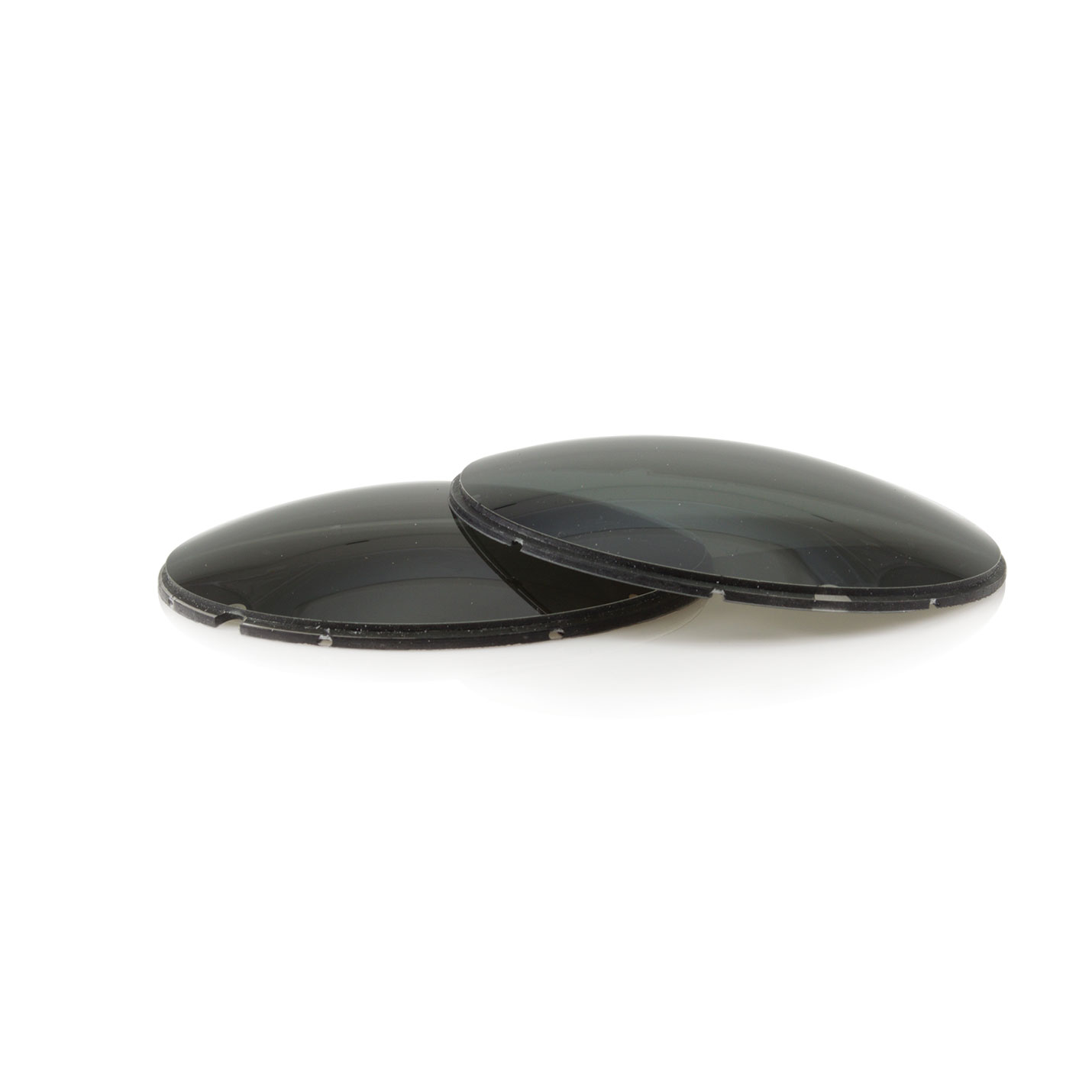
The most critical feature in any sunglass is UV400 protection. This standard ensures complete defense against both UVA and UVB radiation. Importantly, UV protection has no relation to lens darkness. Clear lenses can have UV400 coating, while very dark lenses without proper protection can be dangerous, as your pupils dilate behind the tint, letting in more UV than if you wore no sunglasses at all.
When shopping, ignore fashion claims and check for explicit labeling. Reputable brands like Knockaround, Oakley, and Ray-Ban include UV protection information on every pair.
Polarized Lenses Reduce Glare But Don’t Block UV Alone
Polarization improves visual comfort by filtering horizontal glare from surfaces like water, roads, and snow. This makes polarized lenses ideal for driving, fishing, skiing, and beach days. However, polarization does not block UV rays. It’s a separate feature. Always ensure polarized sunglasses also carry the UV400 label. Brands like QUAY and Oakley combine both for maximum performance.
Lens Materials That Block UV Naturally
Not all lens materials are equal. Some block UV inherently, while others need coatings to achieve the same protection.
Polycarbonate is the top choice for most users. It’s lightweight, impact-resistant, and naturally blocks UV without any coating needed. That’s why it’s used in safety glasses and children’s sunglasses. Glass lenses require a UV coating to achieve protection, while CR-39 plastic and acrylic also need additional treatments.
Pick Tints Based on Your Activities
Lens color affects contrast and comfort but does not determine UV protection. Choose tints based on your environment.
Gray tint keeps colors true and reduces brightness evenly, making it best for general use and driving. Brown or amber tint boosts contrast and depth, great for overcast days, hiking, and driving. Green tint sharpens vision in bright light and reduces eye strain, ideal for golf, tennis, and water sports. Blue-blocking yellow or orange tints cut blue light and improve visibility in fog or snow, though they’re too light for bright sun.
Photochromic lenses auto-adjust to light conditions, darkening outdoors and clearing indoors, but they need UV to activate and won’t work well in cars.
Add Coatings for Better Performance
Enhance your lenses with these treatments.
UV coating is essential and already included in UV400 lenses. Anti-reflective coating reduces glare from behind the lens and improves clarity, especially at night. Mirror coating reflects light away and works best in high-glare zones like snow, water, and mountains. Scratch-resistant coating extends lens life and protects against cleaning and daily wear.
Frame Design That Maximizes Protection
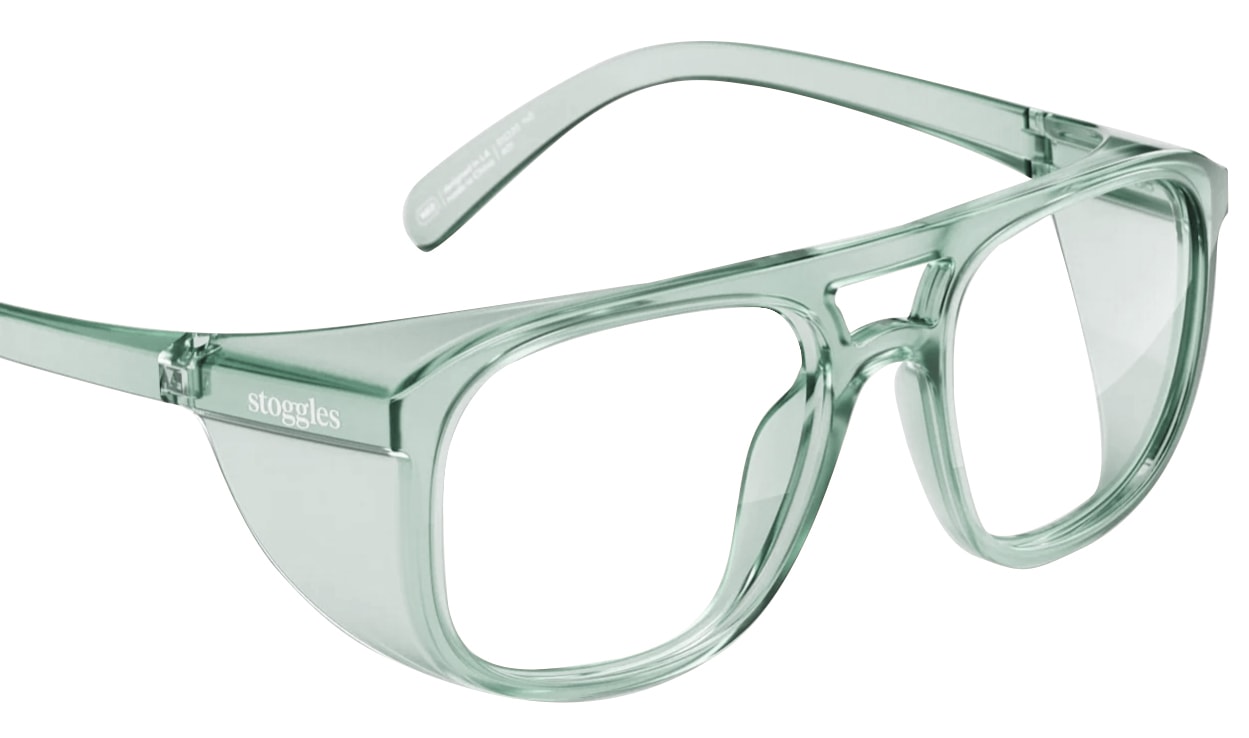
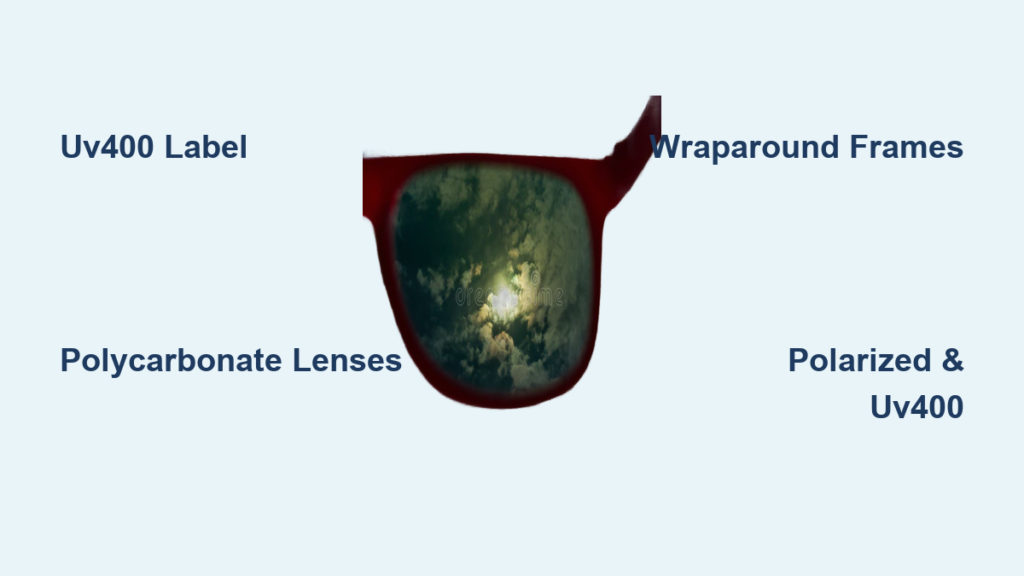
Most UV exposure enters from the sides, top, and bottom of standard frames. Wraparound styles seal off these gaps, offering superior protection. They’re ideal for cyclists, runners, drivers, and anyone in bright, reflective environments. Brands like Oakley and Nike design performance frames with wide coverage and secure fit.
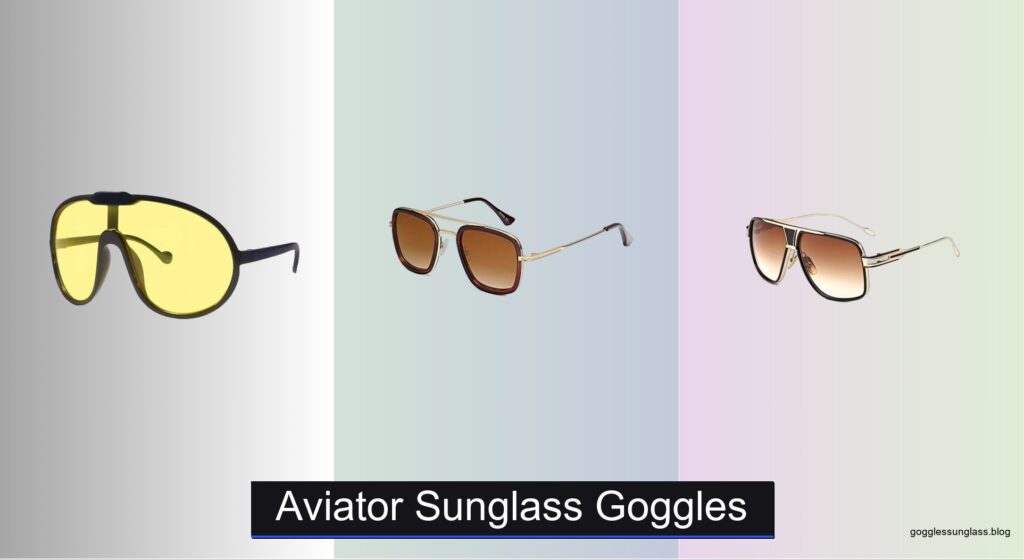
The bigger the lens area and the closer the fit to your face, the less UV gets through. Avoid tiny or loosely fitting frames that look stylish but offer minimal protection. Instead, choose oversized aviators, semi-rimless clubmasters with full coverage, or sport wrap designs.
Frame Materials: Durability Meets Style
Different materials suit different needs.
Acetate frames are durable and hypoallergenic with rich color options like tortoise and black. They’re used by Carrera and QUAY. Titanium and metal frames are lightweight and corrosion-resistant with a premium feel, though they may heat up in direct sunlight. Polyamide or nylon frames are flexible and tough, commonly used in sport models like Carrera C Sport 15. Polycarbonate frames are affordable and lightweight, common in kids’ and casual sunglasses.
Find Your Best Fit and Comfort
Sunglasses should sit firmly without pinching. Gaps at the temples or nose bridge let in UV radiation. Look for adjustable nose pads, rubber temple tips, and lightweight frames for all-day wear. If your glasses slip, you’re more likely to take them off, reducing your protection time.
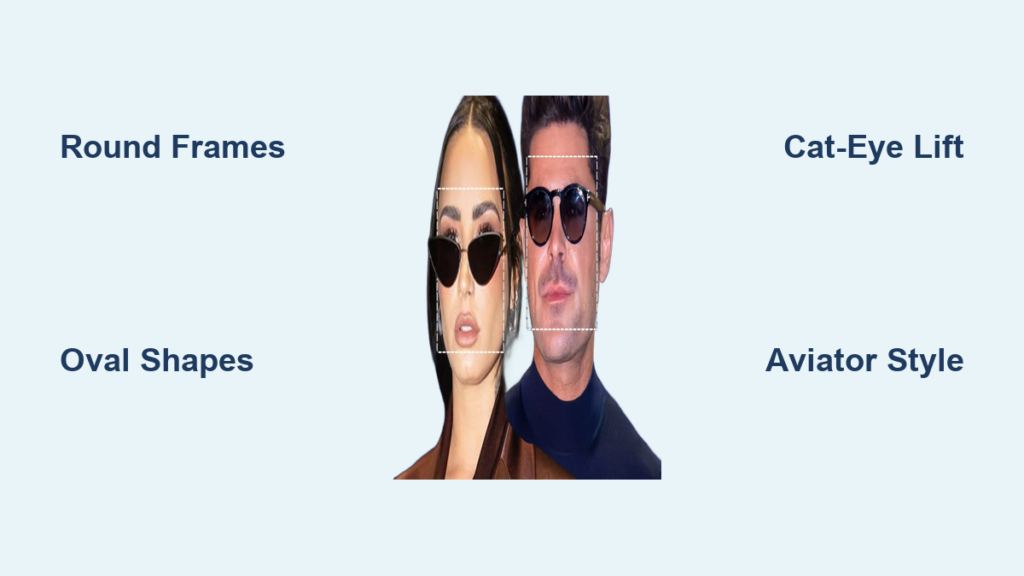
Match frames to your face shape and lifestyle. Aviators suit most face shapes and offer wide coverage. Cat-eye frames flatter round faces with stylish UV protection. Clubmaster frames provide a retro look with modern tech. Round frames soften angular features. Square frames deliver a bold, structured look.
For prescription wearers, ensure the frame can hold corrective lenses without compromising fit or coverage.
Top Brands with Proven UV Protection
Knockaround: Affordable Protection, High Ratings
All Knockaround models are UV400-rated, blocking 100% of UVA and UVB rays. Prices range from $28 to $70, making premium protection accessible.
Best sellers include Fast Lanes Obsidian with smoke lenses at $35, rated 4.9 out of 5 from nearly 8,000 reviews. Campeones Magma with red sunset lenses at $55 is a new release. Flight Paths Lava with red sunset lenses at $65 is PGA-approved. Features include Salt Water Protection coating, great for beach use, and trendy styles in tortoise, gradient, and smoke. Kids’ models are also available.
Why buy: exceptional value with verified protection and durability backed by thousands of 4.8 to 5.0 star reviews.
Carrera: Premium Style and Sport Performance
Carrera offers full UVA/UVB blocking on all models, with prices ranging from $170 to $210.
Top models include Victory C 22 Pilot at $210 for luxury design, C Sport 15 at $200 built for athletes, and Victory C 27 Square at $210 with double bridge and bold look. Special features include the Carrera x Ducati collection for performance-inspired designs, a Titanium Collection that’s lightweight and durable, and eco polyamide frames. Best for fashion-forward users who want performance.
QUAY: Fashion Meets UV Protection
All QUAY polarized lenses block 100% UVA and UVB with glare-free vision and UV400 protection.
Popular styles include aviators, cat-eye, clubmaster, and round frames in colorways like black, rose gold, amber, and tortoise. User perks include lightweight, comfortable all-day wear that reduces eye fatigue while staying stylish for men and women. Best for trend-conscious buyers who don’t want to sacrifice eye health.
EyeDoctors-Approved Brands
Optometrists recommend these top performers for optical quality and protection.
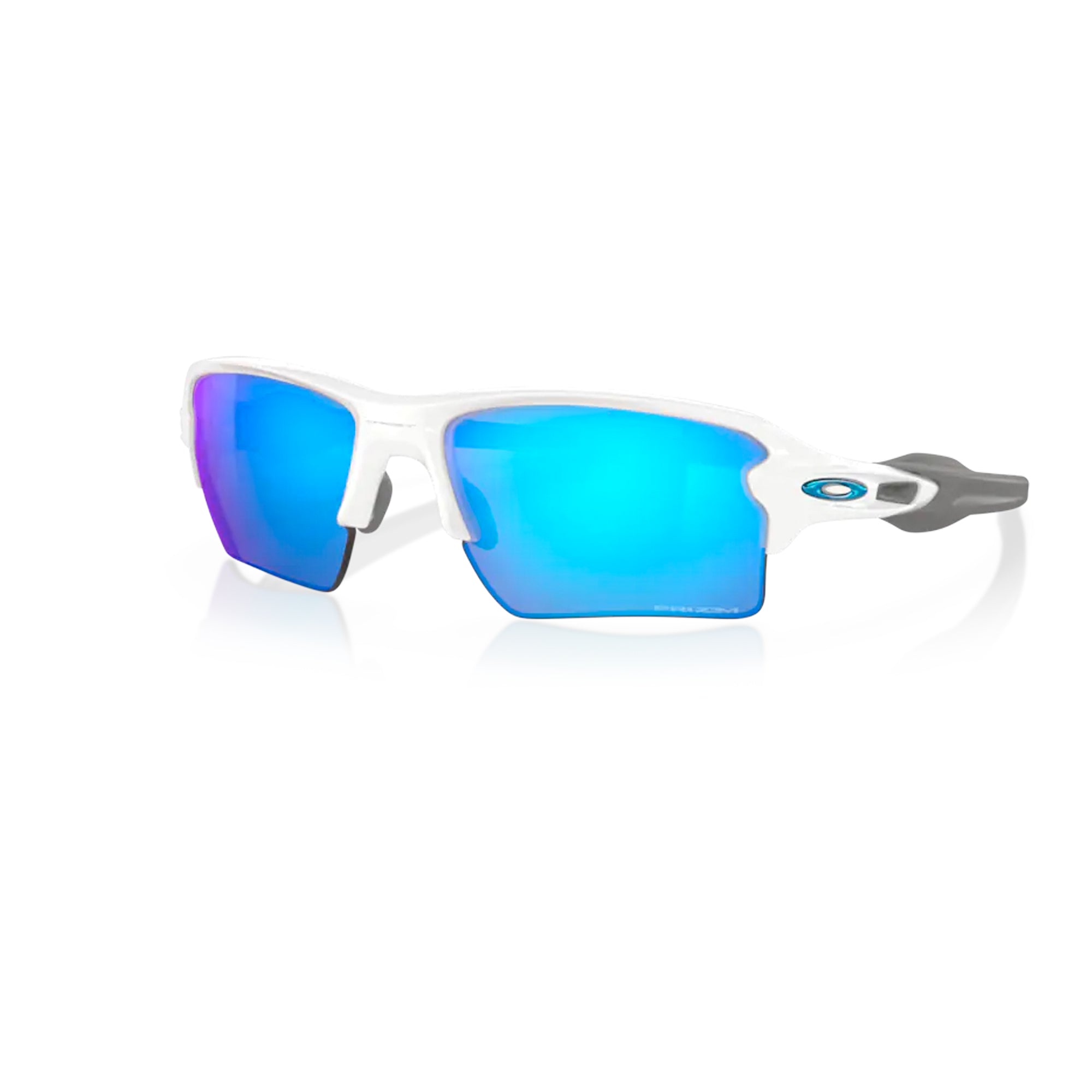
Oakley Flak 2.0 XL offers 100% UVA/UVB protection with Plutonite polycarbonate lenses that naturally block UV and High Definition Optics technology. Best for sports with a wide field of view. Ray-Ban Aviator Large Metal provides full UV blocking with iconic design and large coverage for daily wear and driving. Kate Spade Raglan offers complete UV protection with elegant, feminine styling for fashion with function. Ray-Ban Clubmaster Classic delivers 100% protection with retro half-rim design suitable for casual to formal settings. Nike EV1110 Rabid M provides full UV protection with support for progressive and bifocal lenses, best for active prescription wearers.
How to Verify Real UV Protection
Never assume your sunglasses have adequate protection. Always look for “100% UV protection” or “UV400” on the tag or packaging. If it’s not stated, the sunglasses may not be safe.
Several common myths lead to poor purchasing decisions.
Darker lenses do not mean better protection. Tint controls brightness, not UV blocking. Polarization does not equal UV protection. They’re separate features. Expensive sunglasses don’t automatically have better protection. Knockaround offers UV400 at $28. Children absolutely need UV sunglasses. They’re more vulnerable than adults.
For vintage or unlabeled sunglasses, optometrists can use a photometer to measure how much UV passes through your lenses. It’s a quick, non-invasive test.
Pick the Right Sunglasses for Your Life
For everyday wear, choose style plus coverage with Ray-Ban Aviator or Clubmaster, Carrera Victory C, or QUAY aviators. These combine classic looks with full UV400 protection and good coverage.
For sports and outdoor activities, go for wraparound polycarbonate lenses like Oakley Flak 2.0 XL, Nike EV1110, or Carrera C Sport 15. They offer impact resistance, wide vision, and maximum UV blocking.
For driving, use polarized brown or gray lenses to reduce road glare and enhance contrast. QUAY cat-eye or Knockaround Fast Lanes are excellent choices.
For kids, prioritize UV400 protection, polycarbonate lenses for impact resistance, and a secure, comfortable fit. Knockaround’s kids’ models deliver all three at an affordable price.
For value and durability, Knockaround stands out. At $28 to $70, their sunglasses match premium brands in UV protection and beat many in user satisfaction, backed by thousands of 4.8 to 5.0 star reviews.
Frequently Asked Questions About UV Protection Sunglasses
Do expensive sunglasses always have better UV protection?
No. Price doesn’t guarantee protection. Knockaround offers UV400 protection at $28, while some expensive fashion brands may lack proper UV labeling. Always verify the UV400 or 100% UV protection label regardless of price.
Can clear lenses provide UV protection?
Yes. UV protection comes from a special coating or inherent material properties, not lens darkness. Clear lenses can have full UV400 protection, while very dark lenses without proper coating can actually increase risk by dilating your pupils.
Are polarized sunglasses automatically UV protected?
No. Polarization and UV protection are separate features. Polarized lenses reduce glare but don’t block UV rays. Always check for both UV400 protection and polarization if you want both benefits.
How do I know if my sunglasses actually block UV?
Look for explicit “100% UV protection” or “UV400” labeling on the frame, tag, or packaging. You can also visit an eye doctor for photometer testing to verify actual UV transmission through the lenses.
Do children really need UV protection sunglasses?
Yes, children need UV protection even more than adults. Their lenses are clearer and transmit more UV light to the retina, and they spend more time outdoors. Early protection is crucial for long-term eye health.
What’s the difference between UVA and UVB protection?
Both need to be blocked for complete protection. UVA rays penetrate deep and can damage the retina. UVB rays affect the cornea and lens, contributing to cataracts. UV400 protection blocks both types.
Key Takeaways for Choosing UV Protection Sunglasses
Your eyes cannot heal from UV damage the way your skin can. Choosing uv protection sunglasses with verified UV400 labeling is one of the simplest, most effective ways to preserve your vision. Focus on protection first, then consider fit, tint, and design.
The most important factor is the UV400 label. Ignore claims about darkness, style, or price. Always verify that your sunglasses block 100% of UVA and UVB rays. Polycarbonate lenses offer inherent UV protection with impact resistance, making them ideal for active lifestyles and children.
For maximum protection, choose wraparound or large frames that minimize light leakage from all angles. Whether you spend $30 or $200, always confirm the UV400 label. Your long-term eye health depends on making protection a priority over fashion.