Water stings your eyes as you flip turn, blurring the lane lines just when you need focus most. That familiar flood of chlorinated water isn’t just annoying—it’s a dead giveaway you’re using the wrong kind of goggles for your swimming style. With so many different kinds of goggles lining store shelves, from flimsy single-straps to hydrodynamic racing models, choosing poorly wastes money and sabotages performance. This guide cuts through the confusion by breaking down exactly which goggle design solves your specific pain points, whether you’re a beginner taking lessons or a triathlete racing open water. Discover how matching your goggles to your swim type transforms every stroke from a battle against leaks to a smooth, focused glide.
Why Standard Single-Strap Goggles Fail During Flip Turns
These basic goggles seem like the obvious starter choice with their low price and simple design. But that single silicone strap creates critical weaknesses when swimming gets serious. Without dual anchor points, the strap shifts dramatically during push-offs and flip turns—yanking the seal away from your eye sockets and flooding your vision mid-lap. The minimalist hard plastic frame lacks pressure distribution, causing uncomfortable suction rings that worsen with every lap.
Critical Limitations for Lap Swimmers
- Leak triggers: Vigorous head movement during turns or breathing disrupts the weak seal
- Fogging nightmare: Minimal anti-fog coating combined with poor ventilation creates instant condensation
- Peripheral vision loss: Narrow lenses create “tunnel vision,” making lane navigation difficult
Key reality check: These work for splash sessions but crumble beyond 500 meters. Competitive swimmers report abandoning them after their first timed set when water repeatedly floods during flip turns. If you’re training more than twice weekly, skip these entirely—your progress depends on uninterrupted focus.
Dual-Strap Goggles: Eliminate Leaks During Sprints and Starts
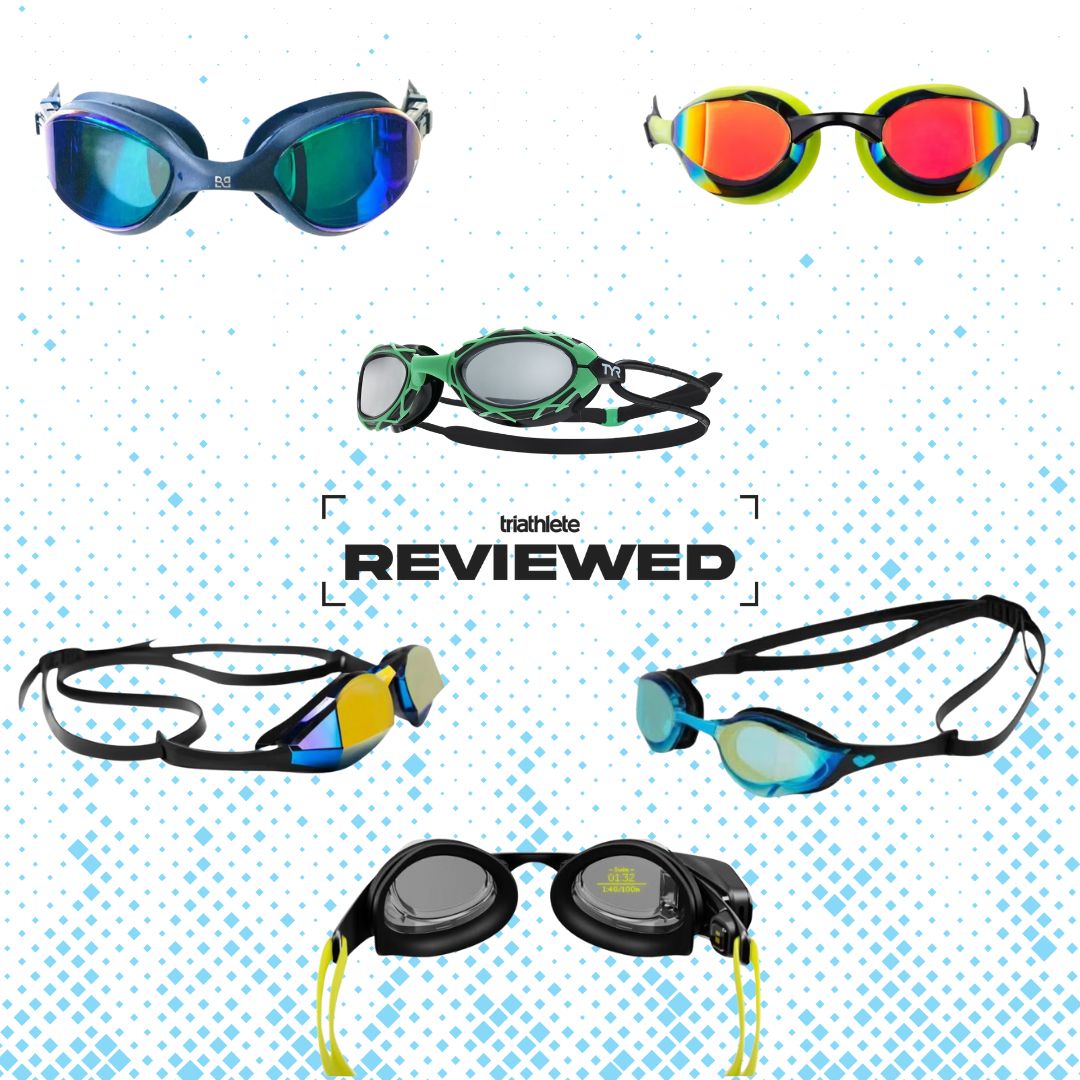
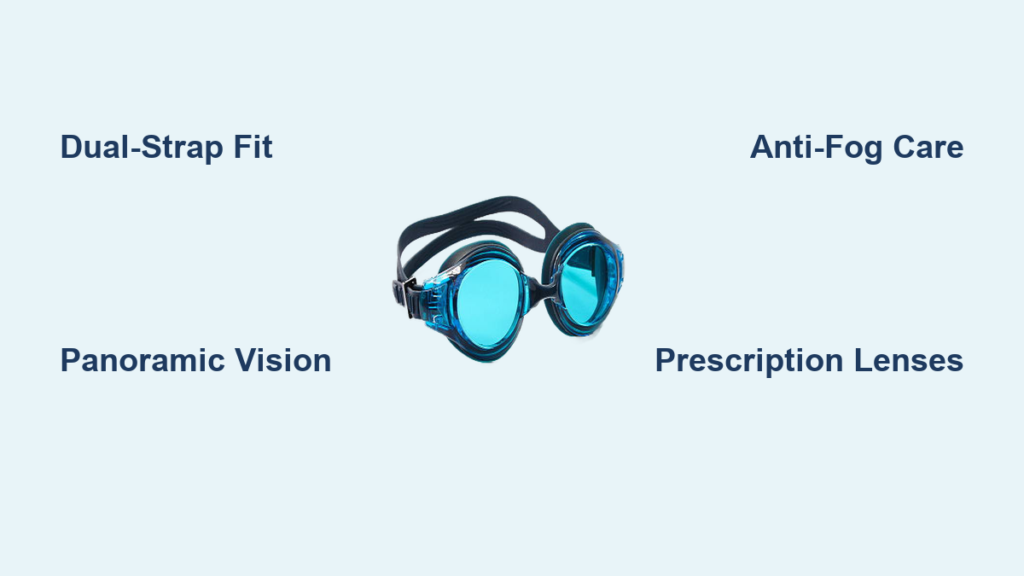
When your goggles stay locked in place through explosive starts and aggressive flip turns, you gain milliseconds that win races. Dual-strap models solve single-strap failures with a four-point anchor system: one strap rides over your crown while the other secures at your skull base. This distributes pressure evenly across your head, preventing the dreaded “raccoon eye” suction rings while maintaining a watertight seal during maximum effort.
How to Adjust for Competition-Ready Security
- Position the top strap just behind your hairline—not over your ears
- Tighten the lower strap until it rests comfortably above your neck muscles
- Use micro-adjust buckles to eliminate pressure points without loosening the seal
- Test by pressing goggles against face (no strap)—they should hold via suction for 5 seconds
Pro tip: Swimmers with wider faces need adjustable nose bridges. Models like Speedo Vanquisher 2.0 include sliding bridges that prevent painful nose pressure during hour-long sets. Triathletes favor these for open-water starts where crowded conditions demand absolute goggle security.
Minimalist “Swedes” Goggles: Zero-Drag Racing for Elite Swimmers
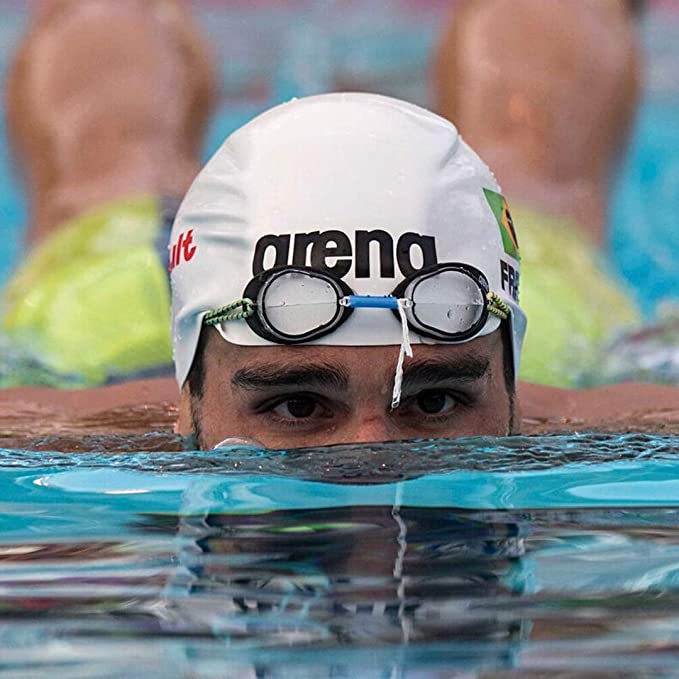
These hard-plastic, strap-minimal goggles look deceptively simple but deliver championship-level hydrodynamics. Without bulky silicone gaskets, the lenses press directly against your orbital bones—creating the thinnest possible profile to slice through water. Elite swimmers shave 0.2 seconds per lap with this design, but the trade-off is brutal: initial use leaves deep purple rings around your eyes until your sockets “break in.”
Mastering the Swedes Fit (Without Pain)
- Critical sizing: Your eye sockets must perfectly match the lens curvature—test by pressing lenses against face. They should seal without suction
- Strap tension: Tighten until the strap barely touches your head—any pressure causes leaks
- Break-in period: Expect 3-5 painful sessions before the hard plastic molds to your bone structure
Warning: Never force these onto beginners. The learning curve is so steep that 70% of new users quit within two weeks due to discomfort. These are strictly for racers who prioritize milliseconds over comfort.
Panoramic Goggles: See Every Buoy Without Lifting Your Head
Open-water swimmers drowning in a crowded triathlon start know the terror of losing sight of buoys. Panoramic goggles solve this with curved, wraparound lenses that eliminate “tunnel vision” entirely. Unlike narrow racing goggles, these provide 180-degree peripheral vision—letting you spot swimmers to your sides and sight landmarks without breaking stroke rhythm.
Why Triathletes Choose Wide-View Models
- Navigation safety: See approaching swimmers in peripheral vision during chaotic mass starts
- Sighting efficiency: Track buoys while maintaining body position—no energy-wasting head lifts
- Reduced claustrophobia: The expansive view prevents disorientation in choppy water
Trade-off alert: That massive lens area fogs faster in humid conditions. Always pair these with anti-fog spray—models like Roka F1 include hydrophobic coatings that delay fogging for 45+ minutes in open water.
Prescription Goggles: Ditch Contacts for Crystal-Clear Vision
Blurred lane lines aren’t just frustrating—they’re dangerous when you misjudge pool walls. Prescription goggles embed corrective lenses directly into the frame, matching your eyeglass prescription (from -1.5 to -8.0 diopters). Unlike drugstore readers, these provide sharp focus both above and below water without contact lens irritation or dislodgement.
Finding Your Corrective Fit
- Lens types: Choose split lenses for flexibility (replace individual sides) or bonded lenses for durability
- Frame compatibility: Ensure the model offers your prescription strength—Speedo and Aqua Sphere lead here
- Seal test: Press goggles against face—they must hold suction for 3+ seconds despite lens weight
Game-changer: Swimmers over 40 report 30% faster times after switching from contacts to prescription goggles. No more blurred turns or wasted energy blinking away water.
Lens Tints Decoded: Pick the Right Color for Every Condition

Smoke-tinted lenses aren’t just stylish—they’re physics-based glare killers. Different tints manipulate light wavelengths to optimize visibility in specific environments. Choosing wrong means squinting through blinding reflections or straining in low light.
Match Tint to Your Swim Environment
- Mirrored/silver: Mandatory for bright sun—reflects 90% of surface glare (outdoor pools/lakes)
- Amber/brown: Boosts contrast in flat light—makes lane lines “pop” on cloudy days or dim pools
- Clear: Non-negotiable for dawn/dusk swims—maximizes light intake in low-visibility conditions
- Blue/purple: Reduces eye fatigue in variable light (indoor pools with mixed lighting)
Pro mistake: Never use dark tints indoors. Swimmers using mirrored lenses in dim pools report 40% more wall collisions due to reduced light transmission.
How to Test Goggle Fit in 10 Seconds (Avoid Raccoon Eyes)
The perfect seal isn’t about tightness—it’s about anatomical alignment. Most swimmers over-tighten straps searching for leaks, causing painful suction rings. The real test takes 10 seconds and requires zero straps.
The Suction Seal Test
- Place dry goggles against eyes without touching the bridge
- Gently press to create contact—no strap tension
- Release your hands—goggles should hold via suction for 3-5 seconds
- If they fall immediately, the frame shape mismatches your orbital bones
Critical check: The nose bridge must sit flush without pressing into your nasal bones. If you see red marks after 20 minutes, the bridge is too narrow—adjustable models like Arena Cobra Ultra solve this.
Why Anti-Fog Coating Fails and How to Extend Its Life
Factory anti-fog coatings degrade fast when mishandled—yet 90% of swimmers unknowingly destroy them during cleaning. That “permanent” coating is actually a fragile hydrophilic layer that repels moisture. Touching the lens interior or using harsh chemicals strips it permanently.
Triple Your Anti-Fog Longevity
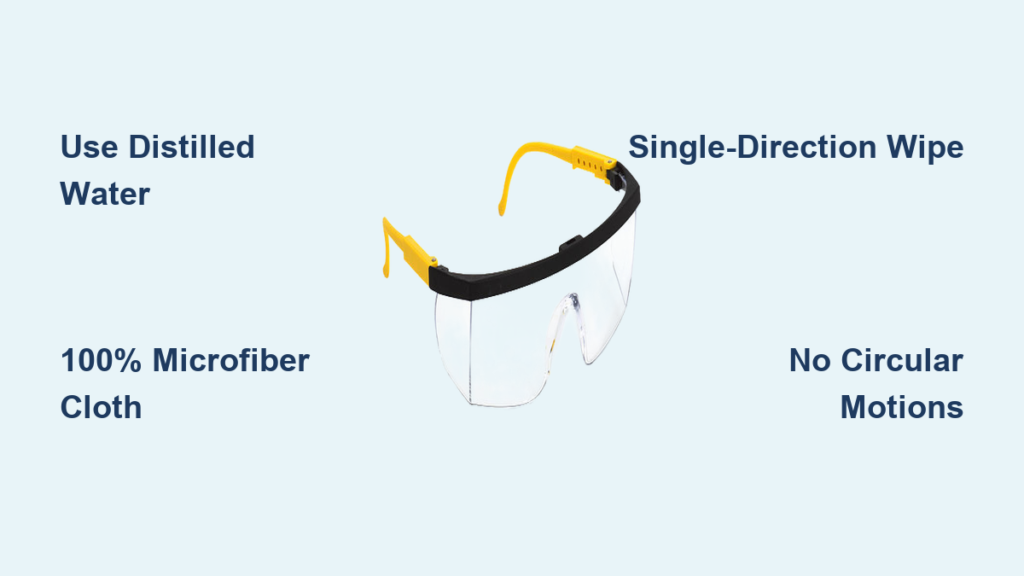
- Never wipe the lens interior—rinse only in cool water
- Store dry in a hard case—UV light degrades coatings in 30 days
- Recharge with enzyme spray—SMEAR (don’t wipe) anti-fog solution weekly
- Skip saliva—it introduces bacteria that accelerate fogging
Shocking truth: Most goggles lose anti-fog performance after 20 uses. Budget swimmers save money by buying anti-fog spray ($5) instead of replacing $25 goggles monthly.
Goggle Care Mistakes That Destroy Your Investment in Days
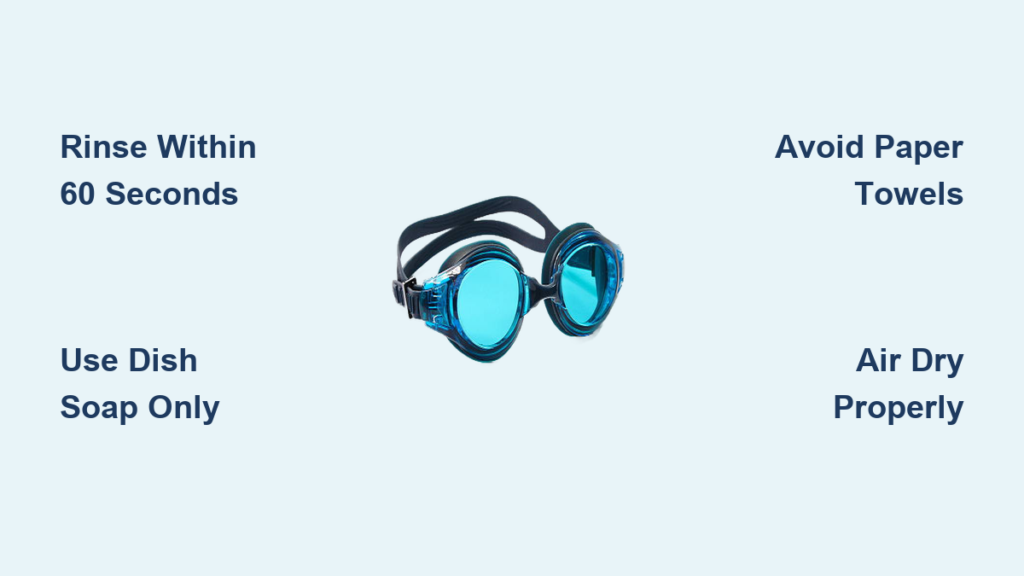
Rinsing goggles in hot shower water seems logical—but it’s the #1 cause of premature failure. Hot water degrades silicone seals and straps within weeks, causing cracks that guarantee leaks. Meanwhile, tossing goggles loose in gym bags scratches lenses and warps frames.
3-Second Daily Care Routine
- Rinse immediately in cool tap water (never hot)
- Shake gently—never rub lens surfaces
- Store in rigid case away from direct sunlight
Costly error: Swimmers who skip this average just 4 months of goggle life. Those following this routine keep the same pair functional for 18+ months.
Top Goggle Picks for Your Exact Swim Style
Stop guessing which of the different kinds of goggles works for you. Match your primary activity to these proven models:
- Beginners: Speedo Unisex-Adult Swim Goggle (dual-strap with flexible bridge)—$15
- Lap Swimmers: Arena Cobra Ultra (UV protection + 4-point strap)—$28
- Racers: Speedo Swedish Goggles (minimalist hydrodynamics)—$18
- Triathletes: Roka F1 (panoramic view + mirrored lenses)—$35
- Prescription Needs: Aqua Sphere Sealight (interchangeable diopter lenses)—$40
Final tip: Buy two pairs—one for pool, one for open water. Rotating usage doubles lifespan and ensures you always have a backup when coatings wear thin. The right goggles disappear on your face, letting you focus solely on the water—not the gear failing you.