Your ski goggles fog up the second you hit the powder, turning crisp mountain views into a blurry nightmare. One minute you’re flying down fresh tracks, the next you’re navigating blind as warm breath collides with icy lenses. This condensation crisis isn’t just annoying—it’s dangerous when you can’t see icy patches or other skiers. The good news? You don’t need to cut your run short. This guide delivers battlefield-tested defrosting ski goggles techniques that work while you’re mid-slope, plus foolproof prevention strategies so you never face this hazard again. Forget lodge runs and wasted lift tickets—master these methods and keep your vision crystal clear from first chair to last call.
Why Ski Goggles Fog Up and How Defrosting Fixes It
Ski goggles fog because your body heat meets freezing lenses, creating instant condensation. When warm, moist air from your breath or sweat hits the cold inner lens surface, water droplets form a foggy film. This isn’t just an inconvenience—it’s physics in action on your face. Defrosting ski goggles means disrupting this cycle by removing moisture or altering the lens surface. Crucially, actual frost (ice crystals) rarely forms on modern goggles; “fog” is the real enemy. Ignoring it worsens the problem as trapped moisture creates a humid microclimate inside your goggles. Understanding this mechanism is key to effective defrosting—you’re not fighting ice but managing humidity where your face meets the lens.
The Critical Ventilation Mistake 90% of Skiers Make
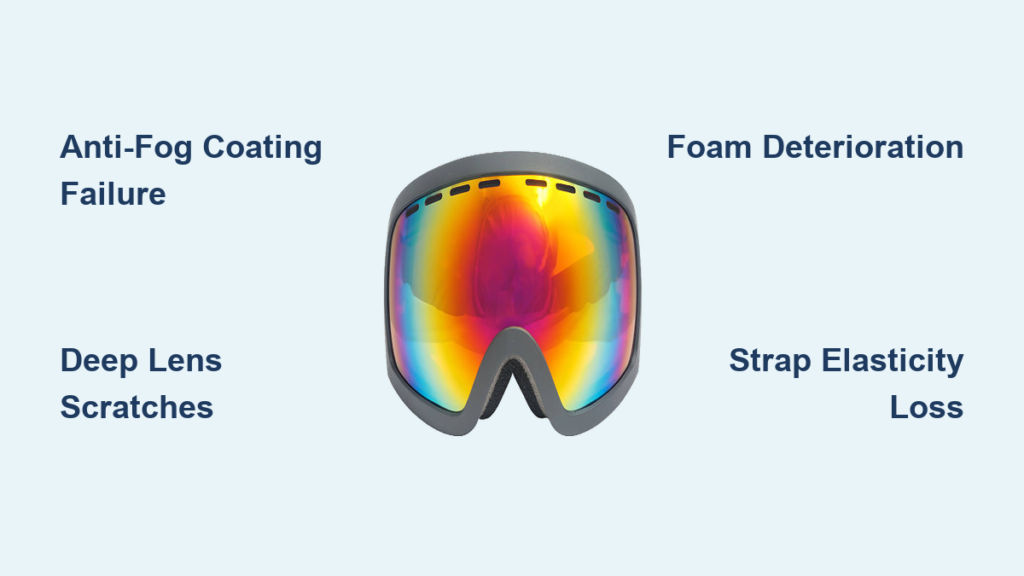
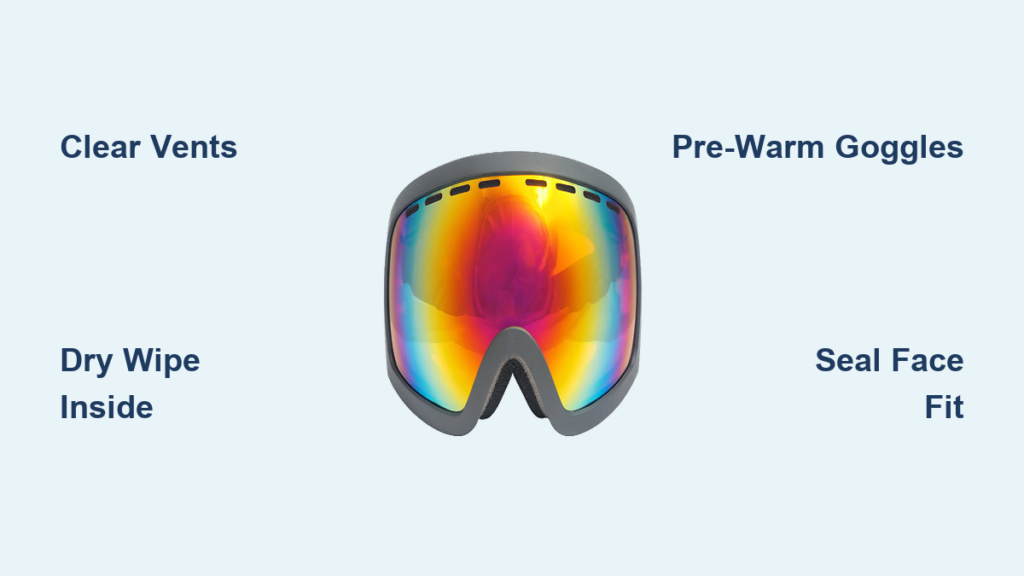
Blocking your goggle vents is the #1 fog trigger. When helmet straps, beanies, or balaclavas cover those tiny slits, you kill the airflow designed to whisk away moisture. Check for snow-packed vents immediately if fog hits—brush them with a gloved finger while stationary. Never cover vents with face masks; instead, wear a moisture-wicking balaclava that seals under your chin, directing breath downward. For Electric EG2 or similar vent-heavy models, snow accumulation in large vents is common. Tap the goggle frame firmly against your palm to dislodge packed powder before attempting other defrosting ski goggles methods.
Why Rubbing Makes Fog Worse
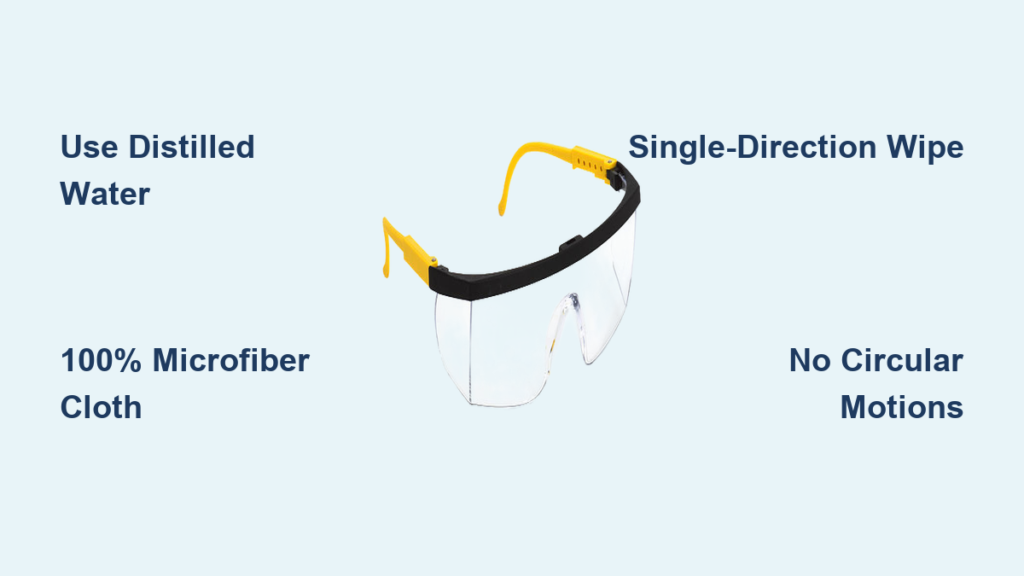
That instinct to aggressively wipe foggy lenses? It backfires catastrophically. Rubbing smears moisture into micro-droplets that cling tighter to the anti-fog coating. Worse, it strips the hydrophilic layer that prevents fogging. Instead, use the “single-swipe rule”: lift goggles off your face, then wipe the inside lens once with a dry microfiber cloth using light pressure in one direction. Never use gloves, shirts, or tissues—they contain wood fibers that scratch coatings. If moisture is heavy, hold goggles lens-down in a warm pocket for 60 seconds to let gravity drain condensation before wiping.
Immediate Defrosting Techniques for Mid-Run Emergencies
When fog blinds you mid-descent, you need solutions that work in under two minutes without special gear. These field-tested tactics leverage what’s already in your pockets or on your person. Time is critical—linger too long on steep terrain, and you risk collisions. Practice these during flat sections so they become second nature when visibility drops.
The Microfiber Pocket Rescue Method
Every skier should carry a dedicated microfiber cloth (not your lens bag!). Here’s the exact sequence:
1. Stop in a safe, flat area away from traffic
2. Remove goggles and shake out loose snow
3. Wipe the inside lens with one firm, dry stroke from top to bottom
4. Hold goggles lens-down in an inner jacket pocket for 30-60 seconds
5. Reapply while breathing through your nose (not mouth)
This exploits body heat to evaporate residual moisture without damaging coatings. Avoid the common mistake of wiping while goggles are still on your face—this traps humidity against your skin. Pro tip: Store your cloth in a ziplock bag to keep it dry during storms.
Anti-Fog Wipes: Your On-Mountain Defrosting Lifeline

Pre-moistened anti-fog wipes (like Ski-Gee or FogTech) work faster than sprays mid-run. Apply correctly:
– Pull one wipe from the packet and unfold completely
– Gently wipe the dry inner lens in concentric circles starting from the center
– Wait 2 full minutes for the solution to cure before reapplying
– Never wipe while the lens feels damp—this creates streaks
Unlike DIY hacks like spit or toothpaste (which risk coating damage), these contain safe hydrophilic polymers that absorb moisture. Carry 2-3 in a small plastic case; they stay effective below -20°F. Critical: Test any new product at home first—some leave oily residues that worsen fogging.
Preventing Fog So Defrosting Becomes Unnecessary

True goggle mastery means never needing emergency defrosting. These strategies target fog at its source by managing airflow, moisture, and temperature differentials. Implement them before your next run, and you’ll skip 95% of fog incidents.
Perfect Your Face-Goggle Seal
Your balaclava and goggles must work as a single unit. Choose a fleece-lined balaclava that:
– Sits 1″ below your nose bridge to block breath upward
– Has a smooth, non-pill surface against the goggle foam
– Tucks securely under your jacket collar
Adjust helmet straps so they don’t compress the top goggle seal. Test your fit by cupping hands over goggles and inhaling sharply—if air leaks in, reposition your mask. For bearded skiers, apply a thin layer of ski-specific facial balm along your jawline to seal gaps without greasing lenses.
Ventilation Hacks for Extreme Conditions
In heavy snow, vents clog within minutes. Outfit your goggles with:
– Vent covers: Stretch nylon mesh over top vents (prevents snow ingress while allowing airflow)
– Helmet mods: Attach magnetic vent shields to your helmet that align with goggle vents
– On-slope maintenance: Tap vents against your palm every 15 minutes during snowfall
For -15°F runs, pre-warm goggles by storing them in your jacket overnight. Never place cold goggles directly on your face—hold them against your chest for 2 minutes first to minimize thermal shock.
Troubleshooting Stubborn Fogging Issues
When standard defrosting fails, diagnose the root cause with this rapid checklist:
“My Goggles Fog Immediately When I Put Them On”
→ Fix: Your breath is escaping upward. Pull your balaclava higher over cheekbones and ensure nose vents on masks are open. Breathe through pursed lips downward.
“Fog Forms Only in One Corner”
→ Fix: A hair strand or goggle strap is creating a micro-leak. Adjust helmet strap position and check for stray hairs along the seal line.
“Moisture Between Lens Layers”
→ Fix: This indicates a broken thermal seal—permanent fogging that requires lens replacement. Prevent it by never leaving goggles in freezing cars overnight.
Final Defrosting Ski Goggles Checklist
Before your next run, execute this 30-second routine:
1. Dry test: Hold goggles to light—if any haze remains, wipe with microfiber
2. Vent check: Blow through all vents to confirm airflow
3. Pre-treat: Apply anti-fog spray 15 minutes pre-ride (curing time is non-negotiable)
4. Seal check: Press goggles against face without helmet—should create suction
Never store goggles face-down in bags; always place them lens-up in a ventilated case. If fogging persists despite these steps, your anti-fog coating is likely degraded—replace lenses annually for peak performance. Remember: perfect vision starts before you leave the lodge. By mastering these defrosting ski goggles protocols, you transform from a fog victim to a slope ninja who sees every icy patch and powder stash. Your clearest days are ahead—just keep these lenses frost-free.