You walk into a sunglasses shop and see two pairs side by side. One costs $30. The other costs $250. Both claim to block UV rays. So why would anyone pay eight times more for Ray-Ban? The answer goes far beyond the logo on the temple.
Ray-Ban sunglasses are expensive because they combine nearly a century of cultural authority, premium materials, advanced lens technology, and strict quality control—all wrapped up in a brand controlled by the company that owns most of the eyewear industry. You’re not just paying for sunglasses. You’re paying for history, engineering, and a global status symbol that still carries the weight of military innovation and Hollywood fame.
This guide breaks down every reason behind the premium price tag, from the titanium in the frames to the business empire that keeps prices high.
The Military Origins That Built a Luxury Brand
Ray-Ban didn’t start as a fashion statement. It started as a solution to a deadly problem.
Born in the Cockpit
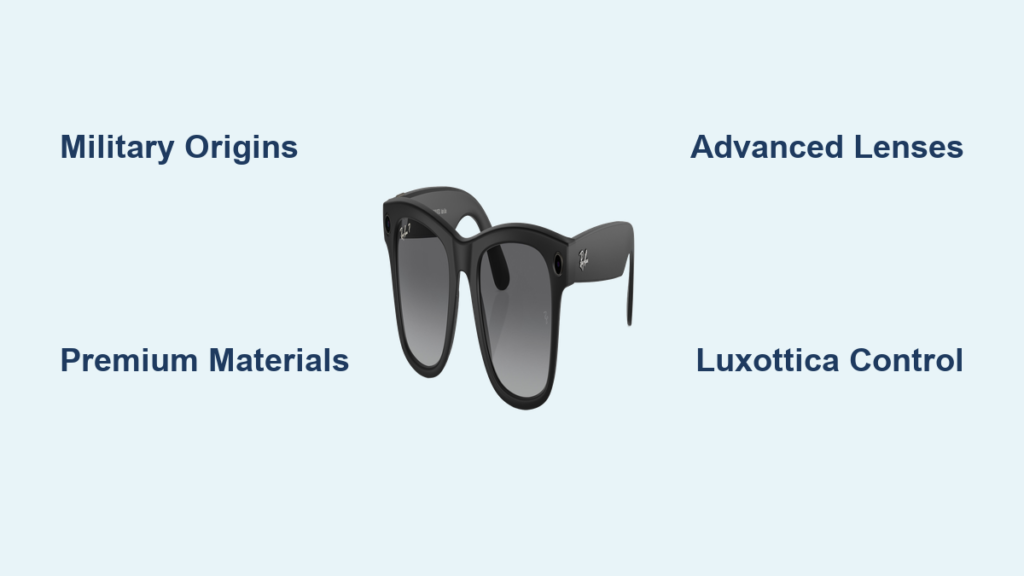
In 1930, Bausch & Lomb created Ray-Ban specifically for U.S. Army Air Corps pilots who were getting blinded by glare at high altitudes. The original Aviator, released in 1937, featured green G-15 lenses designed to cut glare while keeping colors natural. This wasn’t fashion. It was military-grade performance.
That origin story matters. It gives Ray-Ban credibility that most sunglasses brands cannot match. The brand wasn’t built on marketing alone. It was built on function first.
Hollywood Made It Legendary
While the military gave Ray-Ban credibility, Hollywood made it desirable. James Dean wore Clubmasters in Rebel Without a Cause, turning them into a symbol of teenage rebellion. Tom Cruise made Aviators iconic in Top Gun, and the 2022 sequel reignited that demand all over again. Miles Davis, Audrey Hepburn, Michael Jackson, Rihanna, Kanye West, Lady Gaga, and Bradley Cooper have all been spotted in Ray-Bans across decades.
When cultural icons across generations choose the same brand, it stops being just eyewear. It becomes a status object.
Luxottica’s Market Dominance Explained

Here’s one reason Ray-Ban prices stay high that most consumers never realize: the company that owns Ray-Ban controls nearly the entire premium eyewear industry.
An Industry Giant With Unprecedented Power
Luxottica acquired Ray-Ban in 1999 and now controls an estimated 80% of the premium sunglasses market. This Italian company doesn’t just own Ray-Ban. It also owns Oakley, Persol, Oliver Peoples, and Vogue Eyewear. It owns retail chains like Sunglass Hut, LensCrafters, Pearle Vision, and Target Optical. It controls the entire pipeline from design to distribution to retail.
This vertical integration means Luxottica sets the rules. It can limit discounts, prevent unauthorized sellers, and maintain price stability across thousands of stores. You rarely see deep discounts on Ray-Bans because the parent company won’t allow it.
The result? Price consistency that keeps premium pricing intact without relying on clearance sales or mass discounting.
Premium Materials That Justify the Cost
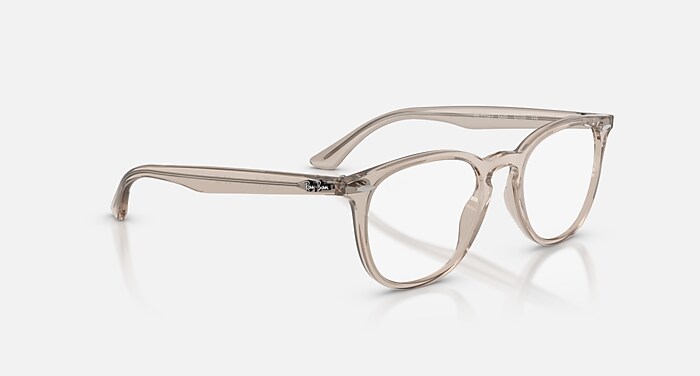
Ray-Ban spends more on materials than most sunglasses brands. That difference is visible in your hand and on your face.
Frame Materials Built to Last
Ray-Ban uses materials that outperform the cheap plastics and flimsy metals found in budget sunglasses.
High-grade acetate, used in Wayfarers and Clubmasters, is a plant-based material that resists fading and offers rich, deep colors that stay vibrant for years. Titanium alloys, found in premium metal frames, are twice as strong as steel while being ultralight and hypoallergenic. Stainless steel and laser-cut metals provide exact hinge alignment and structural integrity in Aviators and similar models.
Compare that to budget sunglasses made from injected polycarbonate or low-grade alloys that warp, break, or lose their color within a season.
Lenses That Actually Perform
Most Ray-Bans use toughened glass lenses, which offer superior optical clarity, high scratch resistance, and minimal distortion. They’re not scratch-proof, but they’re far more durable than standard plastic lenses.
The brand also offers polycarbonate lenses for impact resistance, Chromance lenses with proprietary multi-layer filtering that enhances color contrast and visual definition, and polarized lenses that reduce glare from water, roads, and snow.
Every Ray-Ban lens provides 100% UV protection, meeting or exceeding ANSI Z80.3 safety standards.
Advanced Lens Technologies
Ray-Ban invests heavily in lens innovation, and those technologies add to the price.
What Makes These Lenses Special
The original G-15 and B-15 tints remain iconic. These formulations offer 15-20% light transmission while preserving natural color perception. The green G-15 and brown B-15 aren’t just aesthetic choices. They’re engineered for balanced brightness reduction.
Polarized lenses add $75-$160 to the price because they require additional manufacturing steps to filter horizontal light waves. Photochromic lenses automatically adjust to changing light conditions. Mirrored coatings reflect light for reduced brightness and enhanced style. Chromance lenses use multi-layer spectral filtering to improve contrast, depth, and clarity in variable conditions.
These aren’t tinted plastic sheets. They’re engineered optical systems.
The Design Process Behind Every Pair
Ray-Bans aren’t styled by guesswork. They’re scientifically designed for comfort, fit, and durability.
Six to Eight Months of Development
Every new model or design update goes through an extensive development cycle. The process includes ergonomic testing across diverse face shapes, stress simulations for hinges and frame flexibility, UV and optical testing for accuracy, and 3D modeling using facial scanning data.
This ensures the final product is balanced on the face, comfortable for all-day wear, and durable under real-world stress. Most mass-market brands skip this entirely.
Quality Control That Rejects Thousands of Units
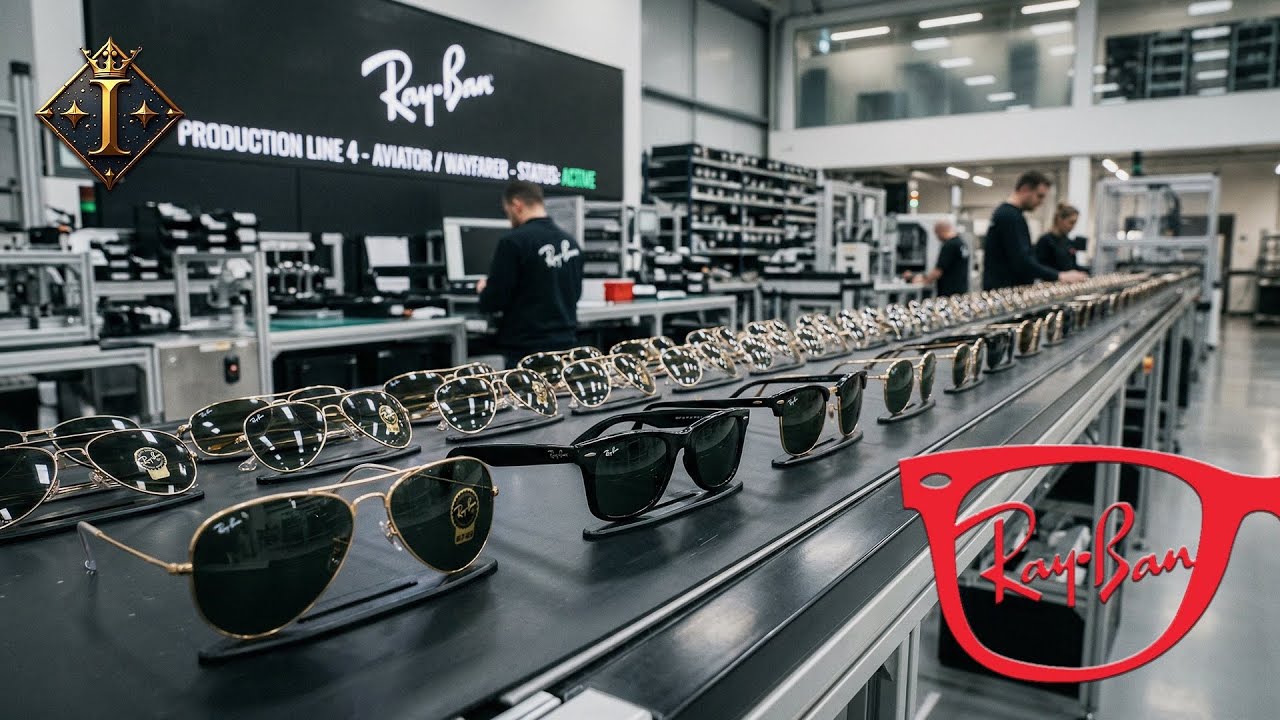
Ray-Bans are expensive because many get thrown away during production.
Up to Twenty Checks Per Pair
Each pair undergoes rigorous inspection including frame symmetry, lens tint consistency, hinge durability tested for thousands of openings, coating adhesion for polarized and mirrored layers, UV protection verification, and logo engraving precision.
Defective units are scrapped entirely. This lowers yield rates but ensures every pair meeting the brand name actually meets the standard.
Innovation Costs Across the Product Line
Ray-Ban pushes beyond classic designs into smart eyewear, and those R&D costs spread across everything.
Smart Glasses and Ongoing Development
Ray-Ban Stories, developed with Meta, include a 5MP camera, open-ear audio, touch controls, voice assistant integration, and six-hour battery life. These retail for $300-$450 and require substantial research and development.
Even non-smart models benefit from this investment through improved nose pads, lighter materials, and better weight distribution. Innovation in one area raises the bar everywhere.
Marketing That Maintains Cultural Relevance
Ray-Ban spends heavily to stay in the public eye, and those costs factor into the price.
Strategic Celebrity and Media Presence
The brand leverages partnerships with influencers, musicians, designers, and film studios. Tom Cruise in Top Gun: Maverick reignited Aviator demand. Lady Gaga, Bradley Cooper, Rihanna, and Kanye continue the celebrity endorsement cycle.
This isn’t accidental. Ray-Ban runs high-budget campaigns across television, digital platforms, and social media. The marketing costs are baked in, but they also justify the premium by reinforcing aspirational value.
Limited Editions and Collector Appeal
Scarcity drives desire, and Ray-Ban knows how to exploit it.
Collaborations That Sell Out
Supreme, Palace, and Top Gun: Maverick editions feature unique finishes like brushed gold, matte black, and gradient tints. Some include engraved logos, serial numbers, and custom cases.
These limited releases sell out fast and often resell above retail. The collector market reinforces premium positioning across the entire product line.
Customization Options That Add Up
Ray-Ban offers extensive upgrades, and each one increases the final price.
Price Add-Ons at a Glance
Polarized lenses add $75-$160. Chromance lenses add $100 or more. Single-vision prescription lenses add $50-$200. Progressive lenses add $250-$500. A basic $200 frame can easily become an $800 custom pair.
The brand also offers lens replacement services, so you can upgrade over time rather than buying everything upfront.
Warranty and Support That Provides Peace of Mind
Ray-Ban offers limited but reliable support.
What’s Covered
The warranty covers defects in materials and workmanship for 12-24 months depending on your region. It excludes scratches, drops, and normal wear. Services include frame adjustments at authorized stores, genuine replacement parts, repair services through Luxottica, and authenticity verification.
The global support network adds value even if the warranty isn’t the longest in the industry.
How Ray-Bans Stack Up Against Competitors
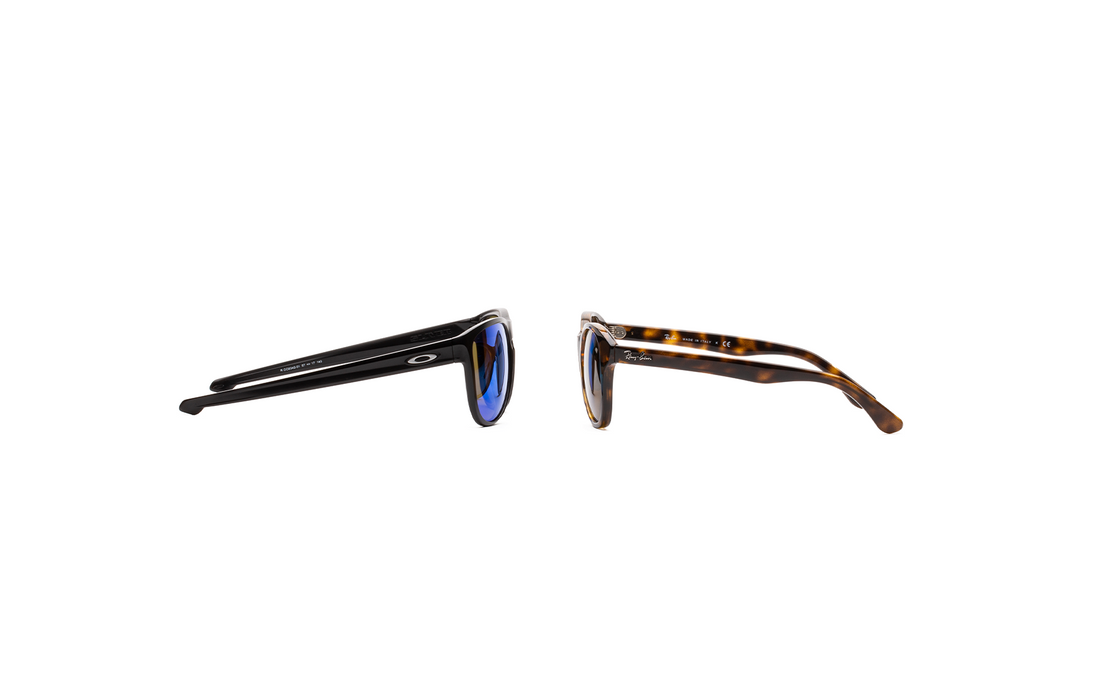
Understanding the competitive landscape helps contextualize the pricing.
Brand Comparison
Ray-Ban dominates in cultural recognition. It occupies a unique niche as the only brand with universal icon status. Oakley wins in sports performance. Persol targets European luxury. Warby Parker wins on affordability. But for timeless style and global recognition, Ray-Ban stands alone.
Independent testing confirms Ray-Ban lenses block 99-100% of UVA/UVB rays with lower optical distortion than many competitors in the $200+ range.
Protecting Yourself From Fakes
Counterfeit Ray-Bans are everywhere, especially online.
How to Ensure Authenticity
Genuine pairs rarely sell below $150. The engraving should be crisp and centered with no smudging. Packaging must include a branded case, cleaning cloth, warranty card, and authenticity guide. Hinges should move smoothly with no glue residue. Always buy from authorized retailers or the official Ray-Ban website.
Fakes often lack real UV protection, optical clarity, and structural durability. You might save $100, but you risk eye damage and quick breakage.
Final Verdict: Are Ray-Bans Worth the Price?
Ray-Bans are worth it for those who want timeless design backed by 90+ years of cultural weight, premium materials that actually last, optical quality that outperforms cheaper lenses, brand prestige recognized worldwide, and long-term value through durability and style.
But consider this: basic UV protection is available cheaper from brands like Warby Parker or Knockaround. Lenses can still scratch despite scratch-resistant coatings. And part of the high price reflects Luxottica’s market control rather than pure product quality.
If you want functional, stylish, long-lasting sunglasses with iconic status, Ray-Ban delivers. If you only need sun protection, a $50 pair might suffice.
Key Takeaways on Ray-Ban Pricing
Ray-Ban sunglasses are expensive because they offer more than shade. You’re paying for history dating back to military aviation innovation and Hollywood fame. You’re paying for quality through glass lenses, titanium frames, and rigorous manufacturing standards. You’re paying for innovation including Chromance technology, polarized options, and smart glasses development. You’re paying for control as Luxottica maintains 80% market dominance and limits discounting. And you’re paying for prestige as global recognition and celebrity endorsement justify aspirational pricing.
It’s not just a product. It’s a cultural artifact with optical engineering. And that’s why people keep paying.
Frequently Asked Questions About Ray-Ban Pricing
Why do Ray-Bans cost more than other sunglasses?
Ray-Bans cost more because of premium materials like titanium and toughened glass, nearly a century of brand heritage, advanced lens technologies like Chromance and polarization, strict quality control with up to 20 checks per pair, and Luxottica’s market control that limits discounting.
Are Ray-Ban lenses actually better than cheaper alternatives?
Ray-Ban glass lenses offer superior optical clarity and scratch resistance compared to standard polycarbonate. They also have lower optical distortion than many competitors in the $200+ range. However, basic UV protection is available in cheaper sunglasses.
How long do Ray-Ban sunglasses typically last?
With proper care, many users wear the same Ray-Ban pair for 5-10 years. The cost-per-wear for daily use over five years comes to under $0.11 per day for a $200 pair.
Is Luxottica the reason Ray-Bans are so expensive?
Luxottica’s control of 80% of the premium eyewear market contributes significantly to price stability. The company limits discounting and controls distribution, allowing Ray-Ban to maintain premium pricing without deep sales.
Where is the best place to buy authentic Ray-Bans?
Buy from authorized retailers like Sunglass Hut, LensCrafters, or the official ray-ban.com website. Avoid third-party marketplaces with prices significantly below retail, as counterfeits are common.