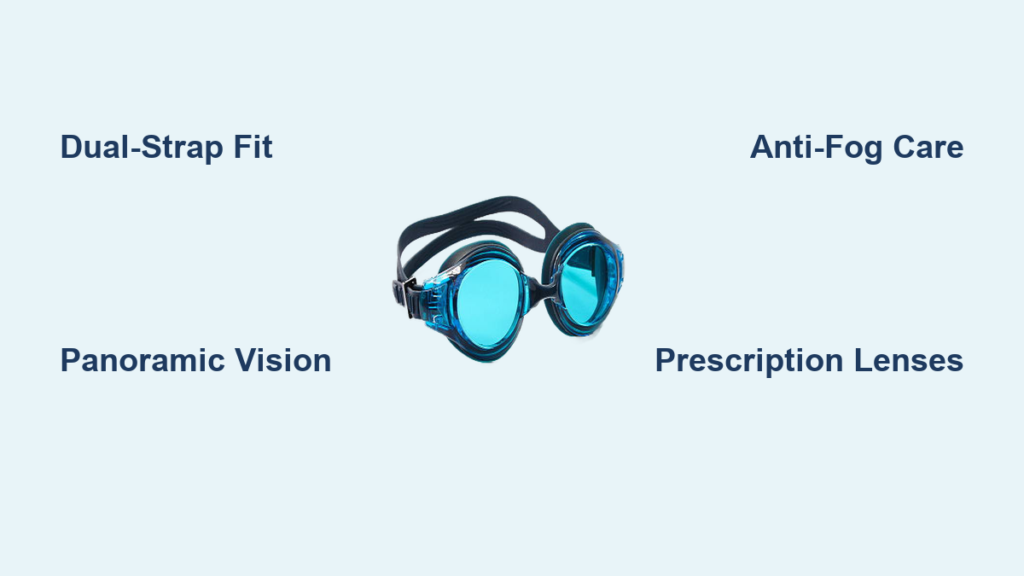
Water flooding your vision mid-lap or painful pressure marks around your eyes shouldn’t be part of your swim routine. If you’ve ever wasted precious pool time wrestling with leaky, uncomfortable goggles, you’re not alone—90% of swimmers struggle with improper fit. The fix isn’t about enduring tighter straps; it’s about mastering how to adjust goggles for your unique face shape. When done correctly, goggles should seal effortlessly without suction bruises or constant readjustment. This guide reveals the exact steps to transform frustrating eyewear into a second-skin fit, so you can focus on your stroke instead of leaks. You’ll learn face-prep tricks, strap positioning secrets, and how to diagnose fit issues most swimmers miss.
Stop Over-Tightening: The Foundation of Proper Goggle Adjustment
Forcing straps tighter is the #1 mistake swimmers make when learning how to adjust goggles. Excessive tension warps the gasket seal, creates pressure points, and actually causes leaks. True waterproofing comes from strategic placement—not brute force. Start here to build your adjustment foundation.
Prepare Your Face for Instant Seal Improvement
Forget squeezing straps until your eyes ache. The secret begins with your skin’s moisture level:
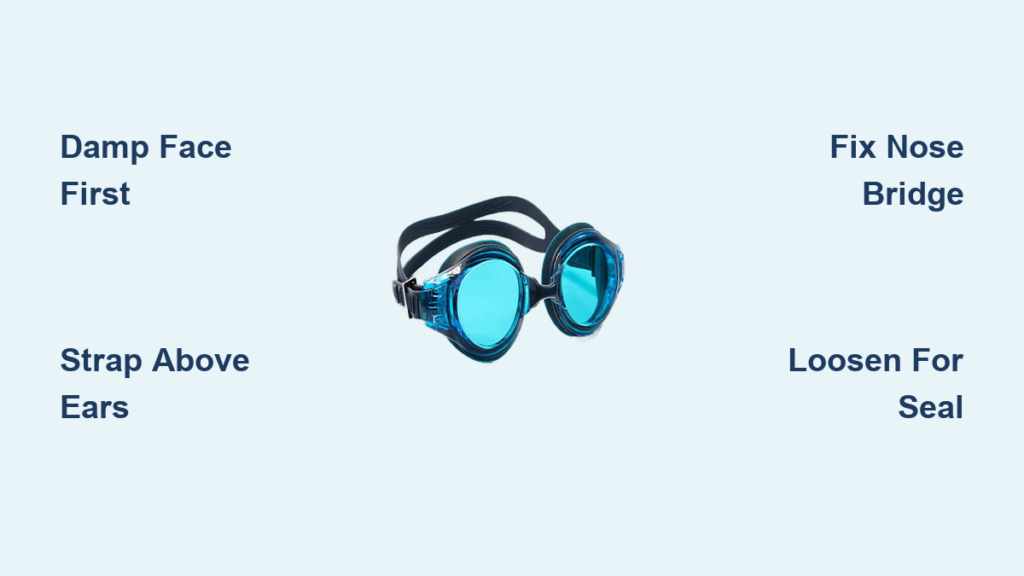
– Rinse your face with pool water before applying goggles—never use soap or lotion residue.
– Aim for damp, not dripping skin. A light sheen creates optimal adhesion for the silicone gasket.
– Press goggles gently against your eyes without the strap. They should hold for 3-5 seconds through natural suction. If they slide instantly, your face is too dry or the gasket is damaged.
This 10-second test reveals whether your goggles can seal at all with your face shape. If they won’t hold without the strap, no amount of tightening will fix leaks—you need a different model.
Position the Strap Like a Pro Swimmer
Where your strap sits determines 70% of comfort. Follow this sequence for instant improvement:
1. Anchor the strap above your ears on the crown of your head—not behind ears or on your neck. Slide fingers under the strap; it should rest on the rounded part of your skull.
2. Start absurdly loose. Place goggles on your face, then pull the strap just enough to prevent sliding. You should feel zero pressure on eye sockets.
3. Do the suction check: Tilt head forward. If goggles stay put without shifting, the seal is working. If they slip, tighten one notch at a time—never more than two adjustments.
Over-tightening strains the gasket’s flexibility. If you see deep red rings after removing goggles, you’ve compromised the seal. True comfort means no visible marks post-swim.
Fix Leaks and Pain in Under 60 Seconds
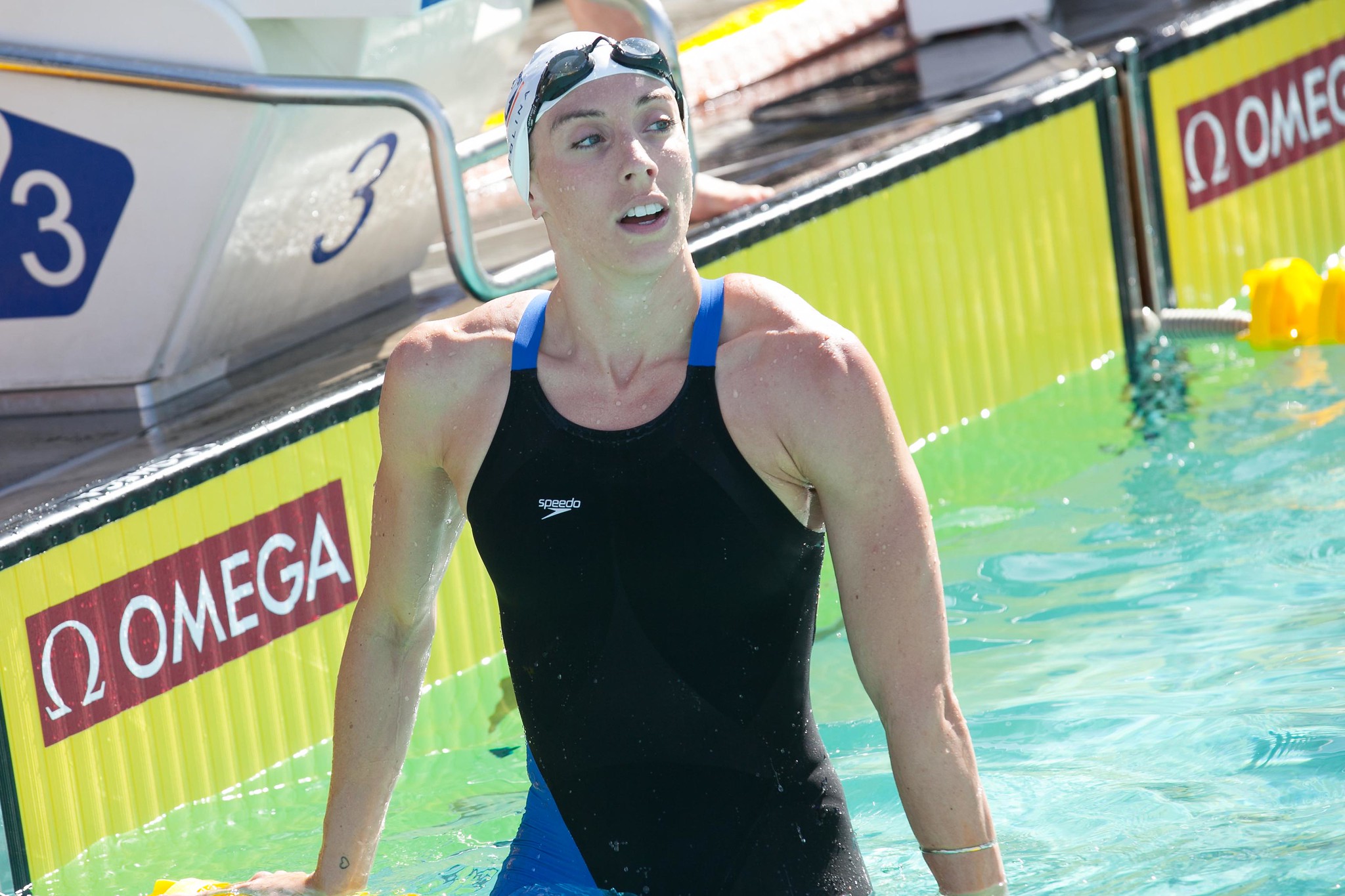
Leaking isn’t always about tightness—it’s often misdiagnosis. These targeted fixes address the real causes of leaks and discomfort most swimmers ignore.
Diagnose Leaks: Tight Strap vs. Bad Seal
When water creeps in, resist the urge to crank the strap. Instead:
– Nose-area leaks? Your nose bridge is too wide. Gently flex the frame inward at the nose piece to narrow the gap.
– Temple leaks? The strap is too low on your head. Reposition it higher—above ear level—to distribute tension evenly.
– Full-face leaks? The gasket has lost elasticity. Press goggles against your face without the strap; if they won’t hold suction, replace them.
Crucially: Loosen the strap 20%. A properly fitted gasket seals with minimal strap tension. Over-tightening creates micro-gaps by distorting the silicone shape.
Eliminate Eye Pain With Nose Bridge Tweaks
Pressure headaches or sore sockets mean your nose bridge fights your anatomy:
– For low nose bridges: Swap to the shortest nose piece (most goggles include 2-4 options). The lenses should sit flush against cheekbones without pinching.
– For wide-set eyes: Choose models with adjustable bridges (like Speedo Vanquisher). Widen the frame slightly by pulling lens housings apart.
– Never force it. If pain persists after adjustments, the goggle shape mismatches your eye sockets. Models like Speedo Hydro Comfort use external-fit frames that rest outside the orbital bone—ideal for sensitive eyes.
Pro Tip: Apply pressure only to the nose bridge—not the lenses—when testing fit. This mimics swimming posture without straining eyes.
Optimize Fit for Your Face Shape and Swim Style

Generic “one-size-fits-all” advice fails because facial structure varies wildly. Tailor your goggle adjustment to your unique features for all-day comfort.
Match Goggle Design to Your Anatomy
Your cheekbones and eye depth dictate ideal models:
– High cheekbones? Avoid deep-socket goggles. Choose low-profile frames like Speedo Biofuse that sit closer to the face.
– Deep-set eyes? Opt for curved lenses (e.g., Speedo Hydro Comfort) that follow orbital contours without pressure points.
– Round faces? Rectangular frames distribute strap tension more evenly than oval designs.
Test models by pressing them against your face without straps. If you see light gaps near temples or nose, that style won’t seal—no adjustment can fix structural mismatch.
Secure Goggles for Competitive Swimming
For dives and flip-turns, standard adjustments fail. Use these race-ready tweaks:
– Wear a silicone swim cap UNDER the strap. This grips hair and prevents slippage during entries.
– Tuck strap ends inward toward your neck—not outward—to avoid catching on water during starts.
– For open water: Position goggles over the cap for quick removal. The cap’s texture anchors the strap better than bare skin.
Never sacrifice seal integrity for speed. If goggles shift during a dive, loosen the strap slightly—it’s likely too tight, causing bounce.
When Basic Adjustments Fail: Advanced Fixes
If standard tweaks don’t solve leaks or discomfort, these advanced strategies target stubborn issues.
Troubleshoot Persistent Leaks in 3 Steps
When water still seeps in after proper adjustment:
1. Inspect gaskets for debris: Rinse silicone edges under fresh water. A grain of sand can break the seal.
2. Check lens alignment: Hold goggles 12 inches from your face. Lenses should mirror your eye spacing without tilting inward/outward.
3. Test in shallow water: Submerge face slowly. If leaks start immediately, the seal is compromised. If leaks begin after 10 seconds, strap tension is uneven.
For swimmers with prominent brow ridges, traditional goggles often leak at the top. Try models with dual-density gaskets (like Speedo Fastskin) where the upper rim uses softer silicone for flexible sealing.
Know When to Switch Models, Not Tighten Straps
If you consistently need excessive strap tension or see suction bruises, your face shape and goggles are incompatible. Stop adjusting and switch:
– Small eye sockets? Avoid “panoramic view” models—they require wider frames that overhang orbital bones.
– Sensitive skin? Choose hypoallergenic silicone gaskets (marked “medical grade” on packaging).
– Prescription needs? Speedo’s Hydro Comfort line offers corrective lenses that integrate seamlessly without distorting the seal.
Comfort isn’t about tolerance—it’s about compatibility. Brands like Speedo design specific “fit profiles”: Vanquisher for narrow faces, Biofuse for average, Hydro Comfort for pressure-sensitive eyes.
Extend Goggle Life With Smart Habits
Preserve your adjustments longer with these often-overlooked practices:
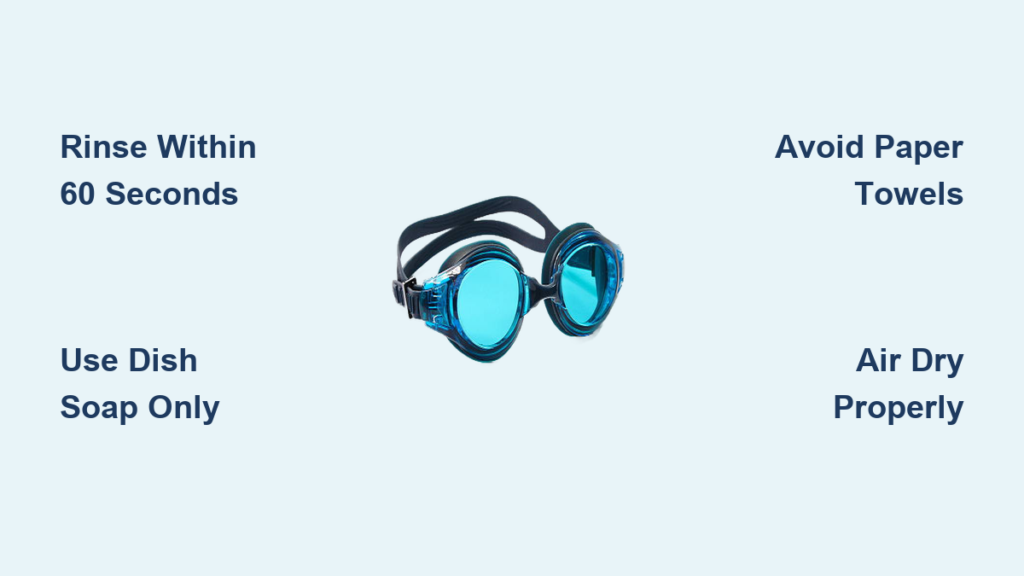
– Rinse goggles in fresh water after every swim to prevent chlorine buildup that stiffens gaskets.
– Store in a hard case away from direct sunlight—UV rays degrade silicone elasticity within months.
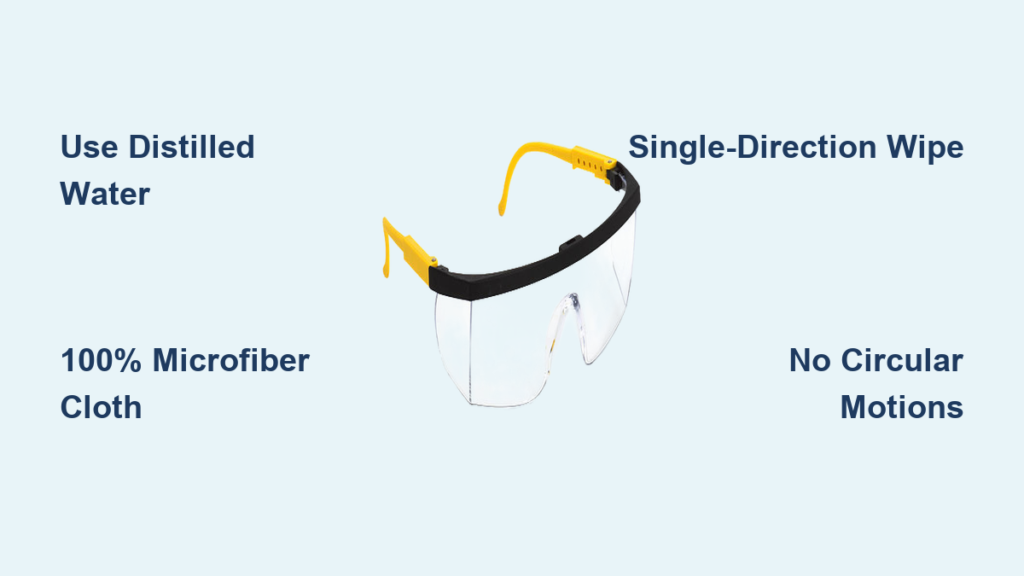
– Never wipe dry lenses with towels. Residual fibers scratch anti-fog coating, forcing you to re-adjust for clearer vision.
Replace goggles every 4-6 months of regular use. Worn gaskets lose 30% of sealing ability even if they look intact.
Achieving leak-proof, pain-free goggles isn’t about enduring tighter straps—it’s about how to adjust goggles intelligently for your face. Start with a damp face test to confirm basic compatibility, position straps above your ears for even tension, and always prioritize gasket suction over strap tightness. When leaks persist, diagnose the location to target fixes: nose bridge swaps for inner-corner leaks, strap height adjustments for temple seepage. Remember that 20% of swimmers need specialized fits—models like Speedo Hydro Comfort exist for pressure-sensitive eyes, while competitive swimmers benefit from cap-integrated strap security. If discomfort continues after these adjustments, switch models rather than force a fit. Properly adjusted goggles shouldn’t leave marks or require mid-swim tightening. Implement these steps before your next session, and you’ll spend less time fixing gear and more time perfecting your stroke. For persistent issues, visit a specialty swim shop to test models against your face—they’ll often let you dip-test in a water basin to confirm the seal. Your perfect fit is out there; it just needs the right adjustment strategy.