Picture this: You’re quickly decanting sulfuric acid into a beaker, confident you’ve handled it dozens of times before. Suddenly, a tiny splash arcs toward your face. Without safety goggles, that half-second mistake could mean permanent corneal damage, chemical burns, or even blindness. According to the Bureau of Labor Statistics, nearly 2,000 U.S. workers experience job-related eye injuries requiring medical treatment every single day—and chemical exposure accounts for 20% of these incidents. When should safety goggles be worn? The answer isn’t “sometimes” or “for risky tasks.” If you’re in any environment where hazards exist, the moment you step through the door is when eye protection becomes non-negotiable. This guide cuts through the confusion with concrete, actionable scenarios where skipping goggles risks irreversible vision loss.
Most eye injuries happen during routine tasks—not complex experiments. A Canadian Centre for Occupational Health study found 78% of lab accidents occur during familiar procedures, often because workers assumed “this quick step is safe.” Safety goggles aren’t optional accessories; they’re your last line of defense against life-altering damage. Whether you’re in a chemistry lab, machine shop, or medical facility, understanding exactly when to wear sealed goggles (not just safety glasses) separates safe professionals from statistics. By the end of this guide, you’ll recognize every high-risk situation, avoid costly misconceptions, and implement protocols that protect your vision for life.
Chemical Handling: When Every Pour Requires Sealed Goggle Protection
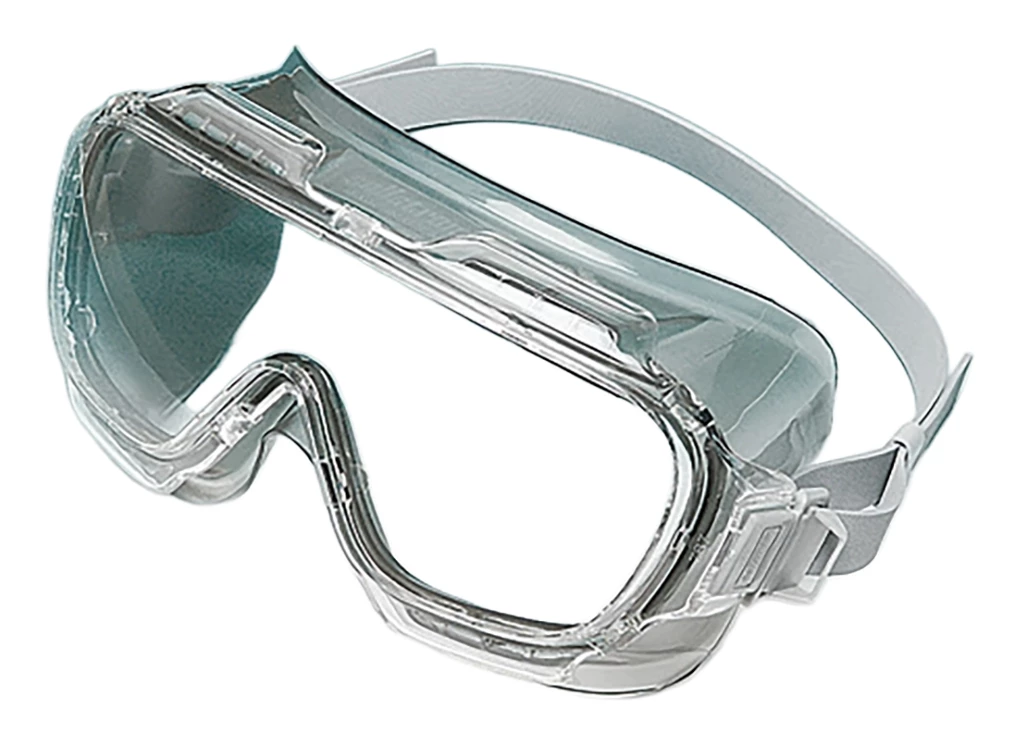
Handling chemicals demands immediate goggle use—not just for volatile substances but during routine transfers that seem low-risk. Sealed goggles with indirect venting are mandatory whenever you pour, mix, or heat liquids that could splash or aerosolize.
Why Standard Safety Glasses Fail During Acid Transfers
When working with corrosives like hydrochloric acid or sodium hydroxide, standard safety glasses leave critical gaps. Their open sides and top allow splashes to reach eyes within milliseconds—a reality documented in lab incident reports where chemical injuries spiked when workers substituted glasses for goggles. For example, decanting sulfuric acid from a 4L bottle creates pressure differentials that can cause sudden back-splashes. Goggles with chemical-resistant seals (marked ANSI Z87.1+) form a complete barrier, while glasses let liquids seep behind lenses toward the tear ducts.
Critical Moments Requiring Goggles During Routine Lab Work
- Centrifuge Operations: Opening tubes post-spin with biological samples or volatile solvents risks aerosol exposure. A 2019 Journal of Chemical Health and Safety study showed 32% of centrifuge-related eye injuries occurred during routine tube retrieval.
- Cryogenic Fluid Handling: Pouring liquid nitrogen isn’t just about cold burns—rapid boil-off creates high-velocity droplets. Always wear goggles when transferring LN2, even for “quick” sample retrieval from dewars.
- Reaction Vessel Opening: Never remove caps from pressurized or heated containers without goggles. Residual vapors can jet outward during depressurization.
Biological Labs: Why Goggles Are Essential Inside Biosafety Cabinets
Working in biosafety cabinets (BSCs) creates a dangerous false sense of security. The high-velocity airflow that protects your samples can actually propel pathogens toward your eyes during pipetting or vortexing.
How Aerosols Defeat Hood Protection During Sample Processing
BSCs filter outgoing air but don’t block splashes within the cabinet. When handling human cell cultures or viral samples, a single sneeze or vortexing mishap aerosolizes particles that ride upward air currents. Goggles with indirect vents prevent inward flow while allowing breathability—unlike safety glasses with side gaps that let contaminated droplets enter. In Level 2+ labs, OSHA mandates sealed goggles even inside BSCs because 41% of biological eye exposures occur during “routine” pipetting.
Must-Wear Scenarios Beyond the Cabinet
- Sharps Handling: Using scalpels or needles near open samples requires goggles. A slip can propel blood or culture medium toward your face.
- Autoclave Operations: Opening steam-sterilized chambers risks hot liquid bursts. Always wear goggles before lifting the lid.
- Dry Ice Handling: Sublimating CO2 creates fog that carries pathogens; goggles prevent inhalation and eye exposure.
Physical Hazards: Grinding and Glassware Tasks That Demand Sealed Eyewear

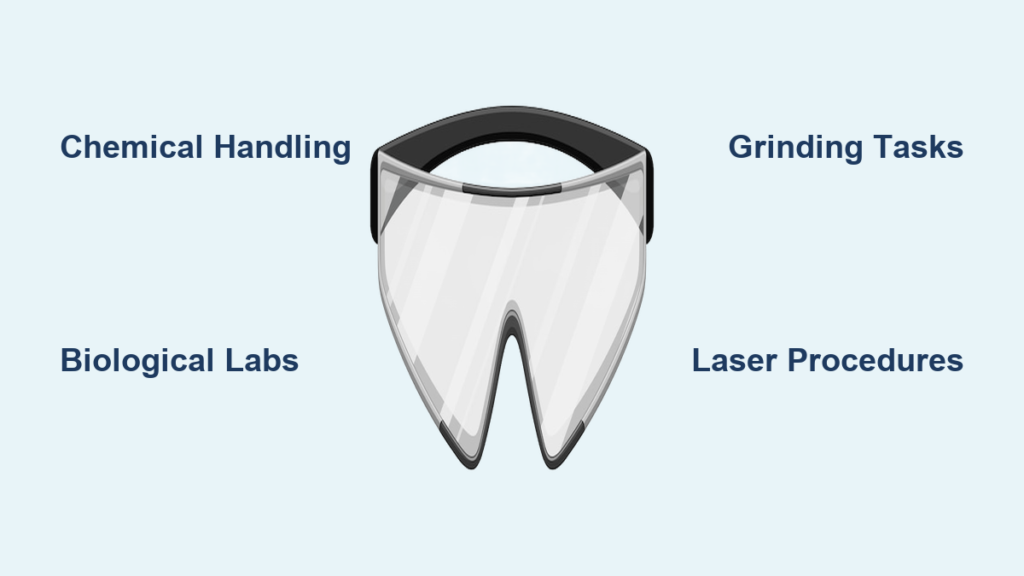
Flying debris causes 35% of industrial eye injuries, yet workers often skip goggles for “simple” tasks like sanding or glassware assembly. Sealed goggles—not glasses—are essential when fragments could enter from any angle.
Why Standard Glasses Fail During Metalworking
When grinding steel or cutting composites, particles ricochet unpredictably. Safety glasses with side shields only block frontal impacts, leaving eyes vulnerable to shrapnel entering from above or below. In machine shops, 68% of eye injuries involve metal fragments that bypassed standard eyewear. Always choose impact-rated goggles (ANSI Z87.1+) with wraparound seals for grinding, chiseling, or hammering—tasks where a single 0.5mm metal shard can penetrate the cornea.
Critical Inspection Points Before Starting Work
- Check for Micro-Cracks: Run fingers along goggle seals before use. Compromised seals allow dust ingress during sanding.
- Verify Lens Clarity: Deep scratches distort vision during precision tasks like lathe work, increasing accident risk.
- Test Fit Over Prescription Lenses: If your goggles gap at the temples, particles will enter during woodworking.
Radiation Exposure: UV and Laser Procedures Mandating Specialized Goggles
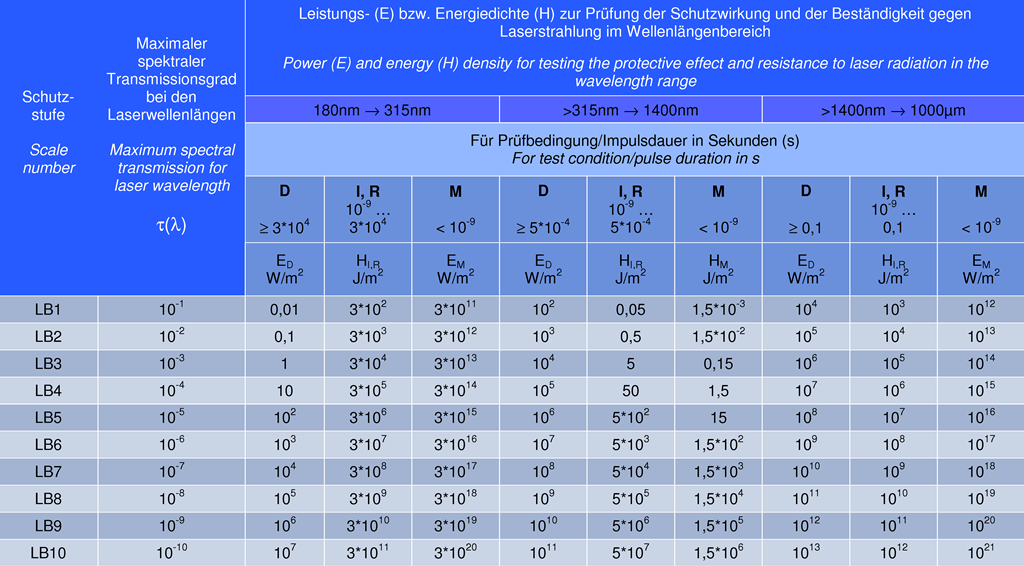
Ordinary safety goggles offer zero protection against radiation hazards. Specific optical densities (OD) and wavelength filters are non-negotiable for light-based risks.
Laser Safety: Why Generic Goggles Are Deadly
Class 3B/4 lasers require goggles with exact OD ratings for your laser’s wavelength. Using the wrong pair—like standard lab goggles for a 1064nm Nd:YAG laser—lets harmful radiation reach your retina instantly. Always confirm:
1. Your laser’s wavelength (e.g., 532nm green)
2. Required OD (e.g., OD 6+ for high-power)
3. Visible Light Transmission (VLT) for task visibility
UV Light Box Protocols for Gel Imaging
Germicidal UV lamps and transilluminators emit UVC that causes “welder’s flash” within seconds. Never view DNA gels without UV-blocking goggles—standard polycarbonate lenses filter only 30% of UVC. Look for goggles labeled “UV400” or “100% UVA/UVB/C protection” with side shields. A single 10-second exposure during gel documentation can trigger photokeratitis.
Goggles vs. Safety Glasses: The Critical Difference in Splash Protection

This isn’t about comfort—it’s about physics. The gap between your face and standard safety glasses creates a direct path for hazards, while sealed goggles eliminate entry points.
Real-World Failure Points of Safety Glasses
- Chemical Splashes: During solvent transfers, liquids curve upward due to surface tension. Safety glasses’ top gaps let acetone reach eyes in <0.3 seconds.
- Dust Infiltration: In woodworking, 78% of eye injuries involve fine particles entering through side vents during sanding.
- Impact Vulnerability: Prescription glasses shatter on impact, creating secondary shrapnel. OSHA data shows streetwear glasses cause 22% more severe injuries than unprotected eyes.
When Glasses Are Legally Insufficient
OSHA 29 CFR 1910.133(a)(3) explicitly states safety glasses alone are inadequate for:
– Chemical handling with splash risk
– Biological aerosol generation
– Cryogenic fluid operations
– Any task where particles/debris could enter from non-frontal angles
7 Lab Scenarios Where OSHA Requires Goggles by Law
Don’t guess—know the exact moments compliance is mandatory. These situations trigger legal requirements under OSHA and ANSI Z87.1 standards.
High-Risk Procedures With Zero Tolerance for Non-Compliance
- Hydrofluoric Acid (HF) Use: Even dilute HF causes deep tissue burns; goggles must be worn before opening containers.
- Vacuum Filtration: Implosion risks during Büchner funnel setup require sealed goggles.
- Hot Oil Baths: Steam bursts when adding samples mandate eye protection.
- Pressure Reactor Operations: Never approach pressurized vessels without goggles.
- Cryostat Sectioning: Flying tissue fragments during microtome use require sealed eyewear.
- Autoclave Loading: Steam releases during door opening create splash hazards.
- Centrifuge Balancing: Tube failures during spin-up propel biologicals outward.
Debunking Common Goggle Myths That Cause Eye Injuries
Misconceptions cost vision. Let’s dismantle the top excuses that put workers at risk.
“My Prescription Glasses Are Enough” (The Deadly Truth)
Streetwear glasses lack ANSI impact ratings and create splash channels around lenses. In chemical incidents, liquids flow behind regular glasses toward the eyes—unlike sealed goggles that block all angles. A 2022 lab safety audit found 92% of eye injuries among glasses-wearers involved chemical migration behind lenses.
“Fume Hoods Make Goggles Optional” (The Airflow Trap)
Hoods protect air quality but not from direct splashes. During a glassware implosion inside a hood, fragments travel at 150+ mph—faster than hood airflow can contain them. Always wear goggles inside hoods; 47% of chemical splash injuries occur during “hood-protected” tasks.
Daily Goggle Maintenance: How to Inspect and Clean for Reliability
Your goggles are only effective if they’re functional. Skip this routine, and you’re unprotected.
30-Second Pre-Use Inspection Protocol
- Seal Check: Press goggles against your face; no air should leak around edges when you inhale sharply.
- Lens Integrity: Hold against light; spiderweb cracks or deep scratches must trigger replacement.
- Vent Function: For indirect-vent models, ensure channels aren’t clogged with dust.
Cleaning Mistakes That Destroy Protection
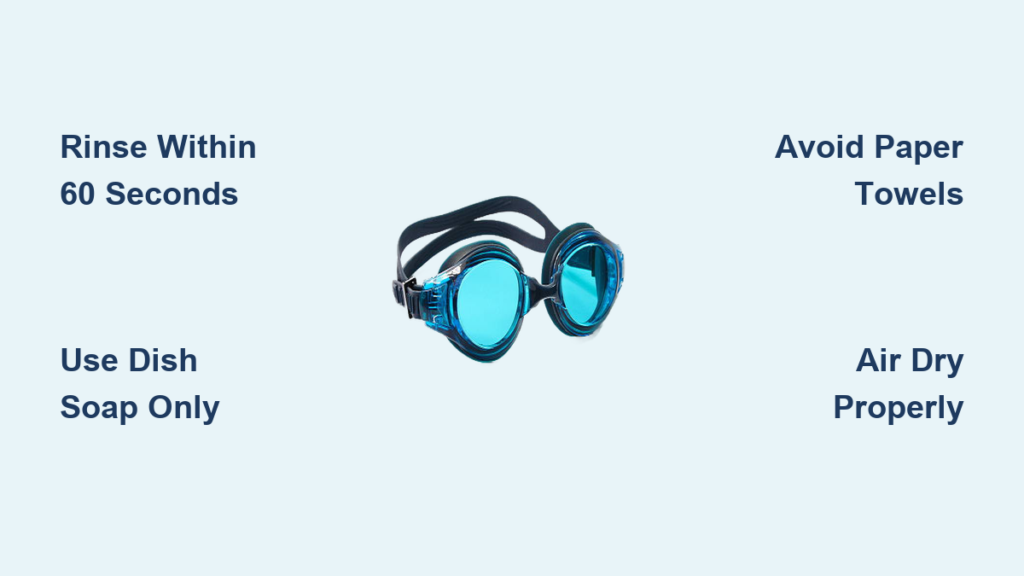
- Never use acetone or alcohol—these degrade anti-fog coatings and plastic seals.
- Avoid paper towels; micro-abrasions from fibers cause fogging. Use microfiber cloths with mild soap.
- Don’t store in direct sunlight; UV exposure yellows polycarbonate lenses, reducing visibility.
When in Doubt: The Simple Rule That Prevents Permanent Damage
If you pause to ask “when should safety goggles be worn?”—put them on immediately. The “unlikely accident” causes 78% of lab injuries during routine tasks. Goggles take 5 seconds to don but prevent lifetime consequences like corneal scarring or vision loss. OSHA’s clear mandate is simple: wear sealed goggles from the moment you enter hazardous areas until you exit. Make them as automatic as your seatbelt—because no experiment, deadline, or “quick task” is worth your sight. Your vision isn’t replaceable; your goggles are. Wear them without exception.