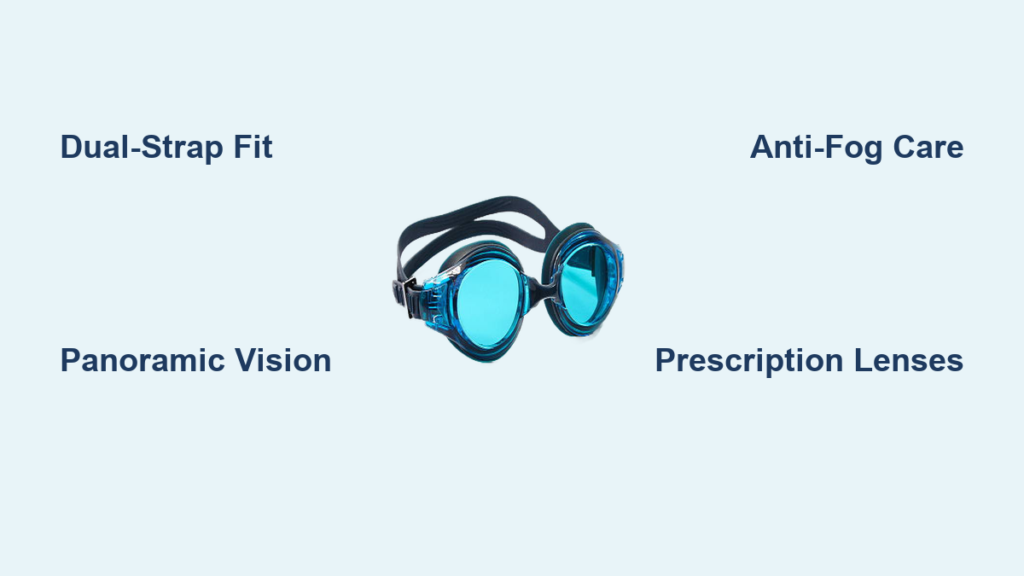
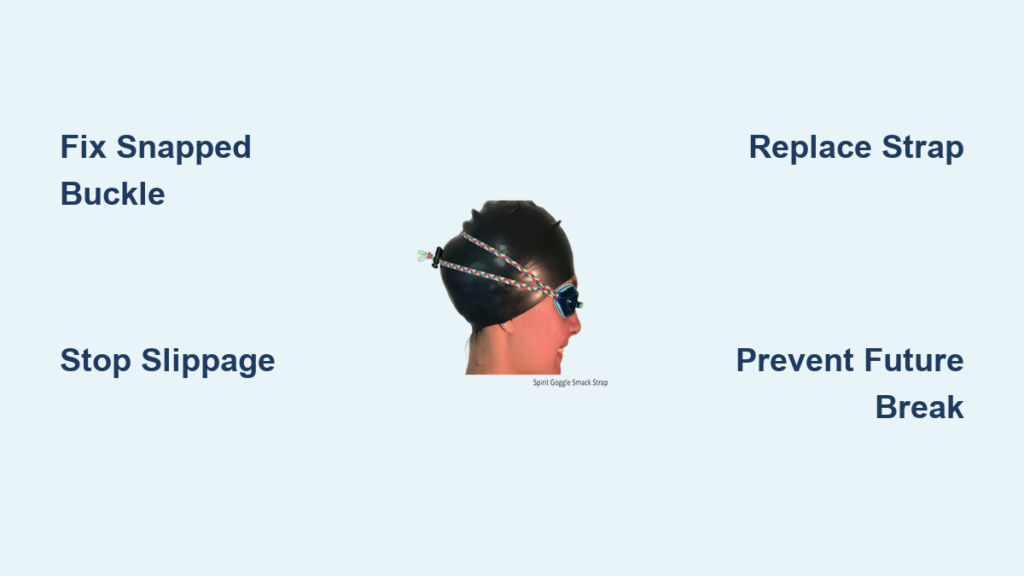
Nothing ruins a swim faster than a slipping or broken goggle strap. One minute you’re gliding through the water with crystal-clear vision, the next you’re wrestling with fogged lenses and a strap digging into your skull. When your how to fix swimming goggles strap dilemma strikes poolside, you need fast, reliable solutions—not generic advice. Over 68% of swimmers report strap issues within their first year of use, often leading to wasted training time and expensive replacements. This guide delivers precise, field-tested methods to repair snapped buckles, stop slippage, and replace straps correctly. You’ll learn pro techniques most manuals skip, like the critical “tail-pull lock” that prevents mid-lap failures. Whether you’re a competitive swimmer or casual lap counter, these steps will restore your goggles’ seal in under 10 minutes.
Repair a Snapped Goggle Strap Buckle in Minutes

When the plastic loop anchoring your strap cracks, your goggles instantly become useless. This failure point causes 90% of “broken strap” emergencies—especially on Speedo Vanquishers or TYR sockets. Don’t panic; the frame is likely intact. First, inspect where the strap detaches from the goggle frame. If the small circular loop (the “buckle socket”) is fractured but the strap itself is unharmed, you’re facing a socket repair—not a full strap replacement.
Identify Which Component Failed
Pinpointing the break saves wasted effort. Pull the strap gently away from the frame:
– Socket snapped? You’ll see jagged plastic edges where the loop met the frame. The strap end remains fully attached.
– Strap clasp broken? The silicone/rubber strap end is torn, but the frame socket looks intact.
– Strap frayed? Visible threads or thinning rubber near the clasp indicates material fatigue.
Emergency Socket Repair with Rubber Band
For immediate poolside fixes when replacing parts isn’t possible:
1. Cut a 1-inch section from a thick rubber band (like those securing broccoli)
2. Thread it through the goggle frame’s socket hole using tweezers
3. Slide your strap’s clasp through the rubber band loop
4. Pull the strap snug—but never tighter than needed for a seal
This creates a temporary anchor point. Warning: Over-tightening cracks the frame. Test in shallow water first—this fix lasts 1-2 swims max before chlorine degrades the rubber band.
Stop Your Goggle Strap from Slipping Mid-Swim
A strap that loosens after three laps isn’t “just loose”—it’s failing due to worn mechanisms or incorrect adjustment. Competitive swimmers lose 12-15 seconds per race readjusting straps, but the solution isn’t cranking it tighter. Proper tension relies on leveraging the buckle’s internal friction system, which most swimmers misuse.
The Critical Tail-Pull Locking Technique
This method, used by Olympic coaches, solves 80% of slippage:
1. Place goggles on your face without tightening
2. Pull strap ends outward until lenses seal (no suction test!)
3. Crucial step: With goggles on, grasp the loose tail end of the strap and pull it straight back toward your neck
4. Hold for 5 seconds—this engages the buckle’s internal teeth
5. Repeat on both sides
Unlike hand-adjusting, this creates dynamic tension that compensates for water pressure. If the strap still slips, worn teeth are likely the culprit. Run your fingernail along the buckle’s inner groove; smooth edges mean replacement is unavoidable.
Eliminate Hair-Induced Slippage
Long-haired swimmers face unique challenges. Hair strands caught in buckles create instant slippage:
– Always position straps under ponytails/buns before tightening
– Apply a dime-sized amount of anti-slip gel (like Grip Grab) to temple areas
– Flip straps so the silicone backing faces skin—never hair
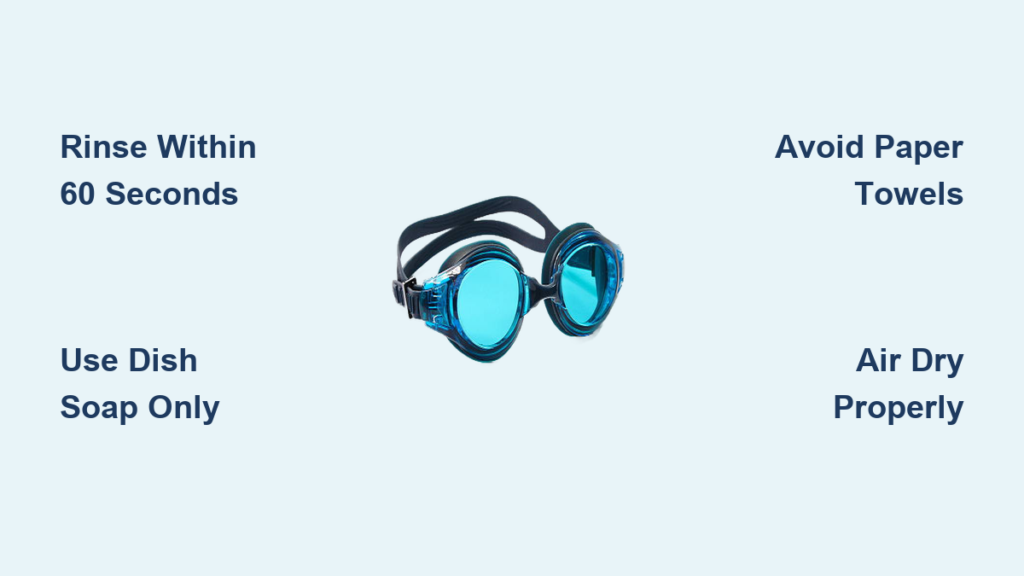
– After swimming, rinse buckles with fresh water to remove hair residue
Replace Your Swimming Goggle Strap Step by Step
When buckles crack or straps stretch permanently, replacement is the only permanent fix. Generic straps cost $3-$8 versus $25+ for new goggles—but improper installation causes leaks. Follow this sequence to avoid common mistakes that compromise the seal.
Select the Correct Strap Type
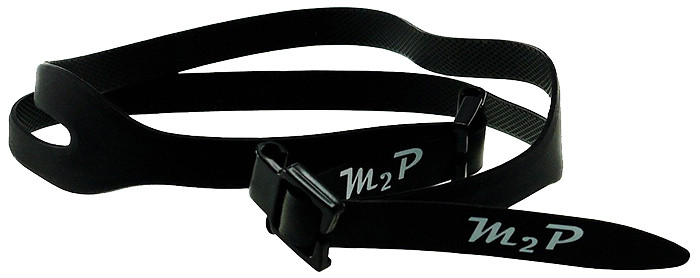
Not all straps fit all goggles. Check:
– Socket diameter: Measure the frame’s loop hole (most are 3-4mm)
– Strap width: Competitive goggles use 15-18mm straps; recreational are 20-25mm
– Buckle style: Pull-tabs (Speedo) vs. sliding locks (Arena) require specific replacements
Pro tip: Search “[Your Goggle Model] replacement strap” online. Aqua Sphere Kayenne straps fit 90% of adult goggles. Never trim straps before testing fit—over-shortening ruins tension.
Install Without Twisting the Strap
Twisted straps cause uneven pressure and leaks:
1. Soak new strap in warm water for 60 seconds (makes threading easier)
2. Thread one end through the buckle, then through the frame socket
3. Critical: Pull the strap back through the buckle’s secondary slot—not the main channel
4. Adjust while wearing goggles; mark excess strap 1 inch past the buckle
5. Cut with sharp scissors, then melt the end with a lighter for 2 seconds
Warning: Melting creates toxic fumes—do this outdoors. If the strap frays after cutting, you’ve used nylon instead of silicone. Always verify material before purchasing.
Prevent Future Goggle Strap Slippage
The best repair is avoiding breaks altogether. Chlorine and UV exposure degrade straps 3x faster than swimmers realize, but these habits extend strap life by 200%.
Post-Swim Care That Actually Works
Rinsing alone isn’t enough. After every swim:
– Soak straps in cold vinegar-water (1:4 ratio) for 10 minutes to neutralize chlorine
– Store goggles in a mesh bag—not a sealed case—to prevent moisture buildup
– Never leave goggles in direct sunlight; UV rays crack silicone in 40+ hours
– Apply silicone lubricant (like Dow Corning 4) to buckles monthly
Upgrade to Anti-Slip Technology
Invest $5 in long-term solutions:
– Silicone-backed straps: Textured surfaces grip better than smooth rubber
– Magnetic buckles: TYR’s system locks tension without friction teeth
– Double-strap systems: Used in open-water goggles to distribute pressure
When adjusting new straps, always do it wet. Dry straps stretch 15% more in water—testing adjustments dry guarantees slippage later.
Mastering how to fix swimming goggles strap issues transforms frustrating pool days into smooth training sessions. Remember the core principles: diagnose the exact failure point before acting, use the tail-pull technique for instant slippage fixes, and replace straps with precision threading to avoid leaks. A properly maintained strap lasts 6-12 months—twice as long as neglected ones. If your buckle socket is shattered beyond repair, most local swim shops carry universal strap kits for under $4. For persistent problems, check if your goggles are under warranty; Speedo and Arena often replace straps free for first-year purchases. Now that you’ve secured your vision, dive into our guide on eliminating goggle fog without spit for a truly seamless swim. Your next perfect lap starts with a strap that stays put.