Finding the perfect night vision goggles can feel like navigating a moonless forest—confusing and potentially costly if you make the wrong turn. Whether you’re a hunter tracking game at dusk, a security professional monitoring property boundaries, or an outdoor enthusiast exploring after dark, the right night vision device transforms darkness into clarity. This night vision goggles buying guide cuts through marketing hype to deliver actionable insights that match your specific needs with the right technology. You’ll learn exactly what specifications matter most for your use case, how to avoid expensive pitfalls, and why paying more doesn’t always mean better performance in your actual operating environment.
Why Your Night Vision Device Fails in Critical Low-Light Situations
Most night vision failures stem from mismatched technology rather than defective equipment. When your device delivers a grainy, unusable image during that crucial coyote hunting window or security patrol, it’s typically because you’ve selected the wrong generation or overlooked critical specifications for your specific low-light conditions.
How Night Vision Actually Amplifies Available Light
Night vision doesn’t create light—it multiplies existing photons through a sophisticated electronic process. Ambient light enters through the objective lens and strikes a photocathode, converting photons to electrons. These electrons then pass through a microchannel plate (MCP) where they multiply thousands of times before hitting a phosphor screen, creating the green or white image you see. Understanding this process explains why even the best Gen 3 devices need some ambient light—they can’t function in absolute darkness without an IR illuminator.
Critical Generations Explained: Gen 1 vs. Gen 2+ vs. Gen 3
Why Gen 1 Night Vision Leaves You in the Dark
Gen 1 devices ($200-$800) represent entry-level technology with significant limitations. These systems provide a dim, grainy image with noticeable distortion at the edges of the field of view. On a moonless night, Gen 1 performance drops dramatically—objects beyond 75 yards become indistinct blobs. While adequate for casual backyard observation, Gen 1 lacks the resolution for positive identification at tactical distances and suffers from short tube life (1,500-3,000 hours). If you need to distinguish a deer from a coyote at 100 yards, Gen 1 simply won’t deliver.
When Gen 2+ Delivers Maximum Value for Serious Users
Gen 2+ devices ($800-$3,000) incorporate a microchannel plate that dramatically improves light amplification. This generation provides crisp images with excellent resolution up to 200-300 yards under starlight conditions. For hunters, security personnel, and serious enthusiasts, Gen 2+ offers the best balance of performance and price. Look for tubes with Signal-to-Noise Ratio (SNR) of 22+ and Center Resolution of 57+ lp/mm—these specs determine real-world clarity more than generation labeling alone. A quality Gen 2+ monocular like the Photonis Echo provides military-grade performance at half the cost of Gen 3.
Gen 3 Military-Spec Performance: Is It Worth the Investment?
Gen 3 devices ($3,000+) represent the current military standard with superior low-light capability. These systems feature gallium arsenide photocathodes that capture more available light, delivering clear images even on overcast, moonless nights. The critical differentiator is the Figure of Merit (FOM)—calculated as SNR multiplied by Center Resolution. For genuine performance, demand a FOM of 1800+ (SNR 26+ × Resolution 64+ lp/mm). White phosphor variants (P45) provide better contrast in urban environments, while green phosphor (P43) offers reduced eye strain during extended use. If you’re operating in extremely low-light conditions where positive identification at 150+ yards is critical, Gen 3 becomes essential.
Night Vision Device Types That Match Your Specific Operational Needs
Choosing the wrong form factor wastes money and compromises effectiveness. Your intended use—not marketing materials—should dictate whether you need a monocular, binocular system, or digital alternative.
PVS-14 Monocular Systems: The Tactical Standard for Hands-Free Operation

The PVS-14 monocular remains the gold standard for helmet-mounted night vision, and for good reason. Weighing just 12-14 ounces with a standard 40° field of view, it provides exceptional versatility—you can use it handheld, helmet-mounted, or weapon-mounted. For hunters and tactical operators, this hands-free capability proves invaluable when navigating rough terrain or handling firearms. Critical considerations: Ensure your helmet mounting system includes proper counterweights (typically 10-14 oz) to prevent neck strain during extended operations. A quality PVS-14 setup with Wilcox G24 mount and counterweight costs $3,000-$5,000 but delivers unmatched utility across multiple scenarios.
Binocular Night Vision Goggles: When Depth Perception Saves Lives
Dual-tube systems like the PVS-31A ($10,000-$15,000) provide stereoscopic vision that dramatically improves depth perception and spatial awareness. If your work involves fast movement, vehicle operation, or navigating complex terrain, the ability to accurately judge distances becomes critical. Law enforcement officers pursuing suspects through buildings and pilots operating aircraft at night gain significant safety advantages from binocular systems. Warning: Avoid cheaper “bi-ocular” systems (single tube with dual eyepieces) which provide no true depth perception and often cause eye strain during extended use.
Digital Night Vision: The Hidden Tradeoffs for Budget Buyers
Digital systems ($200-$1,000) offer appealing features like video recording and color imaging, but with significant limitations. These devices use digital sensors instead of image intensifier tubes, resulting in lower light sensitivity and potential image lag that makes tracking moving targets difficult. While adequate for casual wildlife observation or home security monitoring, digital night vision struggles in extremely low-light conditions where Gen 2+ and Gen 3 excel. Pro tip: If considering digital, prioritize models with high-quality low-light sensors (like Sony Starvis) and check actual low-light performance videos—not just manufacturer claims.
Night Vision Buying Checklist: Critical Specs You Must Verify Before Purchase
Avoid expensive mistakes by focusing on these performance metrics rather than marketing terms. Reputable dealers provide actual tube specifications—not theoretical maximums—for the exact unit you’re purchasing.
How to Decode Night Vision Tube Specifications
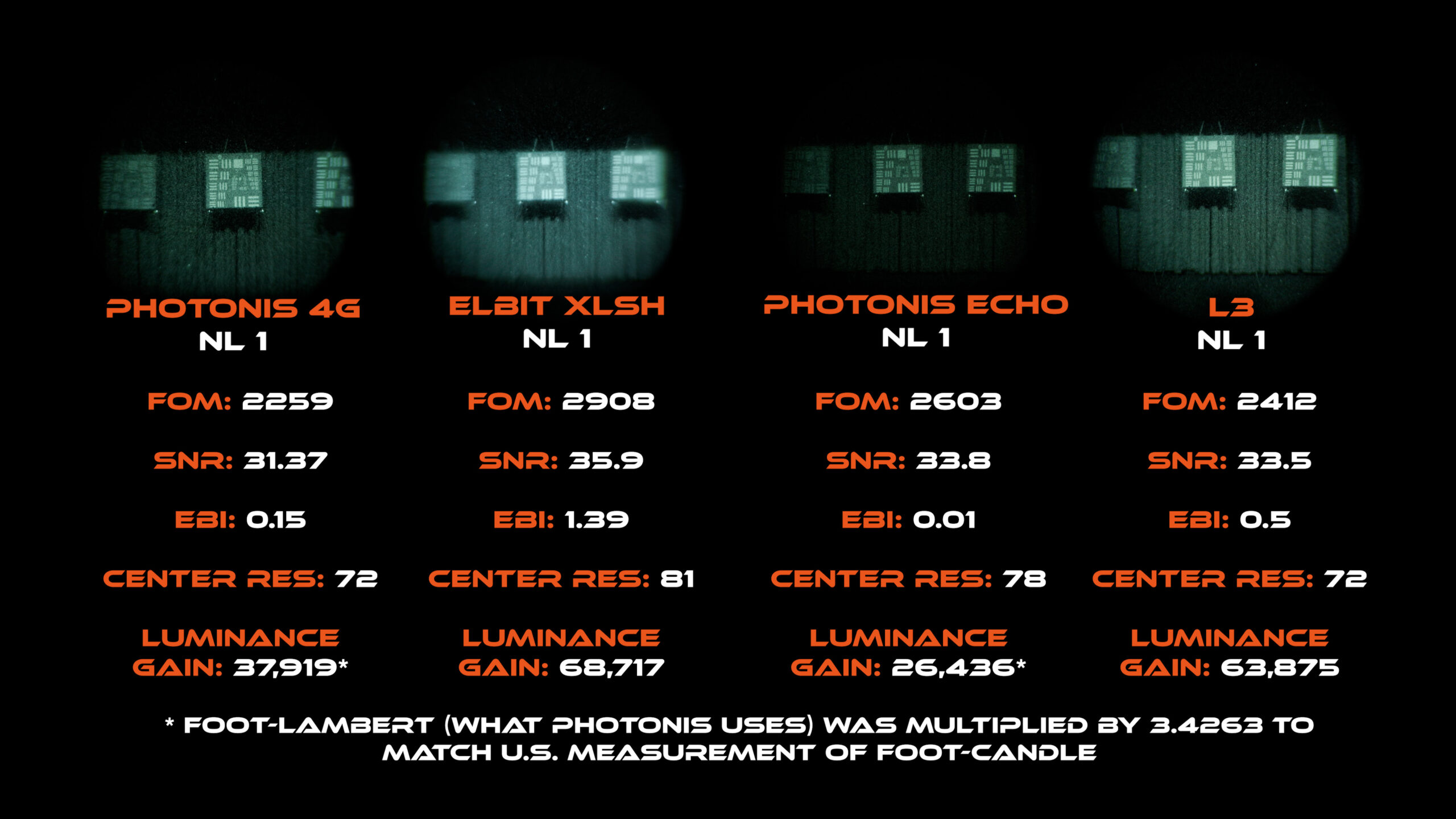
- Signal-to-Noise Ratio (SNR): The single most important metric for image clarity. Anything below 20 appears grainy; aim for 25+ for serious work. Military-spec Gen 3 requires SNR of 22+.
- Center Resolution: Measured in line pairs per millimeter (lp/mm). Below 57 lp/mm shows noticeable blurring; 64+ lp/mm provides crisp detail for identification at distance.
- Equivalent Background Illumination (EBI): Lower numbers (<1.0) mean less background “haze” around light sources. Critical for urban environments with streetlights.
- Figure of Merit (FOM): SNR × Center Resolution. A FOM of 1800+ indicates solid Gen 3 performance; below 1400 suggests commercial-grade tubes.
Night Vision Budget Ranges That Actually Deliver Performance

- $200-$800: Digital systems or Gen 1 analog. Suitable only for casual use in moderate low-light conditions. Expect limited range and poor performance on moonless nights.
- $800-$3,000: Quality Gen 2+ systems. The sweet spot for hunters and security professionals needing reliable performance up to 300 yards. Look for Photonis 4G or Russian-made tubes with verified specs.
- $3,000-$8,000: Genuine Gen 3 devices. Expect military-spec performance (FOM 1800+) with 10,000+ hour tube life. White phosphor options cost 20-30% more but provide better contrast.
- $8,000+: Panoramic or fused systems (thermal + night vision). Justified only for specialized military/law enforcement applications where situational awareness is critical.
Essential Pre-Purchase Verification Steps
- Demand the actual tube spec sheet—not generic “Gen 3” labeling. Verify SNR, Resolution, EBI, and FOM numbers.
- Inspect for blemishes: Minor spots in the outer 40% of the field are acceptable, but avoid units with multiple dark spots in the center.
- Test auto-gating function: Point at a light source—quality tubes instantly adjust without blooming or distortion.
- Confirm mounting compatibility: A PVS-14 is useless without proper helmet mounts—verify your helmet brand (Ops-Core, Team Wendy) matches the mount system.
Final Night Vision Purchase Decision: Matching Device to Your Real-World Needs
Don’t waste money on over-specified gear or compromise with inadequate technology. Your specific use case should drive every purchasing decision:
- For hunting/predator calling: A Gen 2+ or Gen 3 monocular (PVS-14 style) with helmet mount provides hands-free operation. Budget $2,500-$4,500 for quality performance.
- For security patrols: Prioritize Gen 3 with white phosphor for better contrast in urban environments. Binocular systems improve threat assessment but cost $10,000+.
- For casual wildlife observation: A digital system ($500-$1,000) with recording capability offers the best value without compromising performance needs.
Critical reminder: Night vision devices require complementary accessories. Budget 25-30% of your device cost for proper mounting systems, counterweights, and an IR illuminator for total darkness. A quality helmet setup makes the difference between usable gear and neck-straining frustration during extended operations.
Choosing night vision goggles isn’t about chasing the highest specs—it’s about matching proven performance to your actual operational requirements. By focusing on verified tube specifications rather than generation labels alone, you’ll invest in a system that delivers clear, reliable vision when darkness matters most. Always buy from reputable dealers who provide detailed spec sheets and offer 10+ year tube warranties—your safety and effectiveness depend on it.