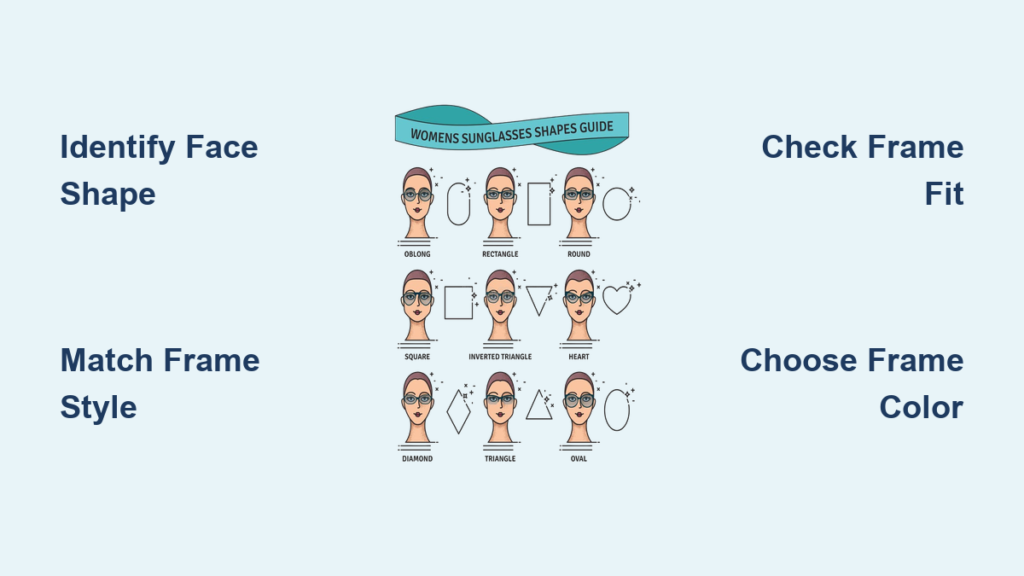
Choosing the right sunglasses does more than protect your eyes. It enhances your facial features, complements your style, and boosts your confidence. This sunglasses shape guide walks you through identifying your face shape and matching it to frames that flatter your unique structure. Whether you prefer aviators, wayfarers, or cat-eye styles, you will learn exactly which shapes work best for your features, how to measure for the perfect fit, and which colors complement your skin tone.
How to Identify Your Face Shape

Before buying sunglasses, you need to know your face shape. This is the foundation of finding frames that genuinely enhance your appearance rather than clash with your features.
Measuring Your Facial Landmarks
Grab a mirror and pull your hair back. Focus on these key measurements:
- Forehead width across the top, just above your eyebrows
- Cheekbone width at the widest point below your eyes
- Jawline width from angle to angle
- Face length from hairline to chin
Most people fall into one of six categories: oval, square, round, heart, triangle, or diamond. Compare your measurements to spot where your face is widest and narrowest.
The Visual Trace Test
Stand in front of a mirror and trace your face outline with a washable marker. Step back and observe the shape. If your face is longer than wide with soft edges, you likely have an oval shape. If your jaw and forehead are equal and angular, you have a square face. A round face appears circular with soft edges. A heart shape has a wider forehead than chin. A triangle face has a wider jaw than forehead. Diamond faces have cheekbones as the widest point.
Best Sunglasses for Oval Faces
Oval faces have balanced proportions. They are longer than wide with gently curved edges and high cheekbones. This shape is considered the most versatile because its natural symmetry works with nearly every frame style.
Top Frame Styles for Oval Faces
- Aviators add definition with their straight brow bar
- Wayfarers provide classic angular contrast
- Round frames complement the natural symmetry
- Oversized styles create bold looks that stay balanced
Frame Fit Tips
Match your frame width to your cheekbone span. Avoid overly narrow frames that stretch the face vertically. Lens height should end near the nostrils. These proportions keep your features in harmony.
What to Avoid
Skip frames that are too small or excessively wide. Both extremes break the natural balance that makes oval faces so versatile. Stick to proportional, structured designs.
Sunglasses That Complement Square Faces
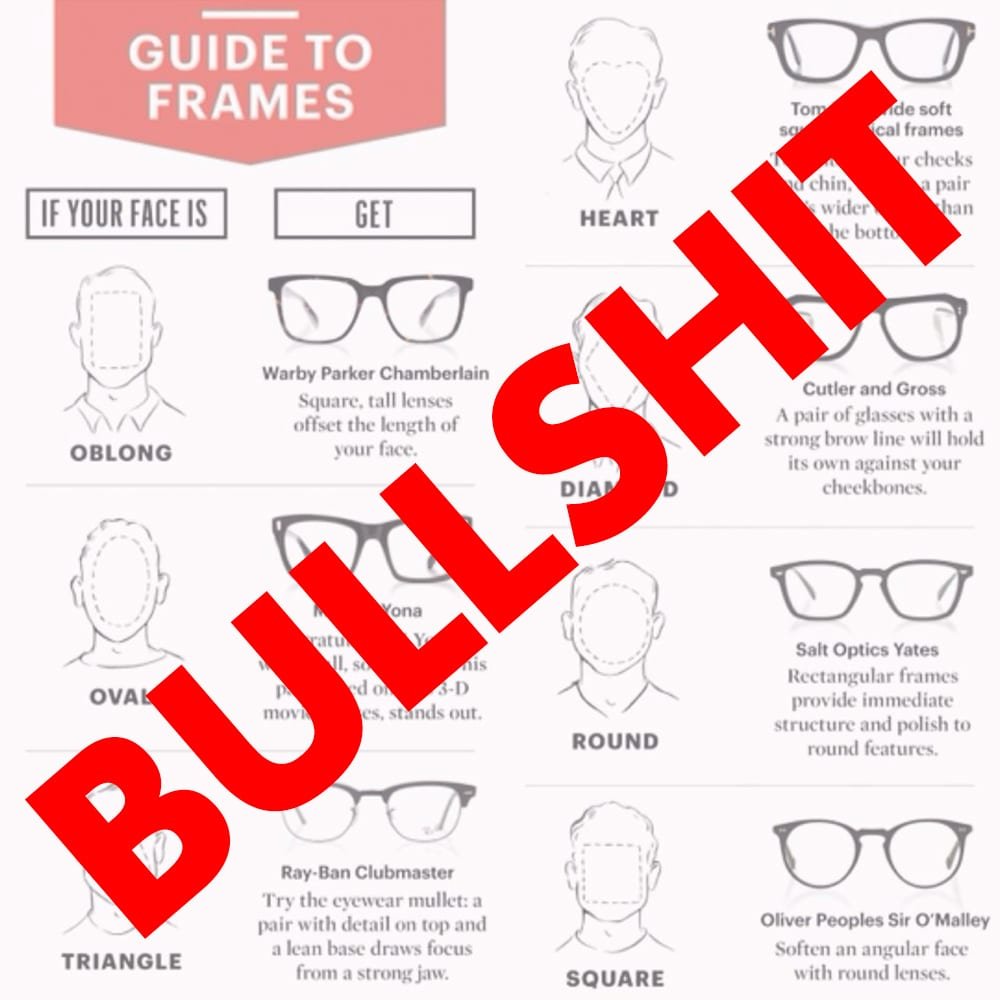
Square faces feature strong angles. You have a broad forehead, angular jaw, and face length roughly equal to width. The goal with this sunglasses shape guide is to soften those sharp edges with curved elements.
Best Frame Styles for Square Faces
- Round frames cut through harsh lines with curves
- Oval frames add gentle contrast to angular features
- Aviators with soft edges provide classic style with a softer finish
- Rimless or semi-rimless designs reduce visual weight
Size and Shape Guidelines
Pick frames as wide as or slightly wider than your face. Curved top lines help offset a straight forehead. Avoid boxy shapes that amplify your angularity.
What to Skip
Do not choose square or rectangular sunglasses. They mirror your face shape and make your angles appear sharper rather than softer.
Sunglasses That Flatter Round Faces

Round faces are nearly as wide as they are long. You have full cheeks and a soft jawline without sharp definition. The trick is adding structure and creating the illusion of length.
Top Picks for Round Face Shapes
- Square frames introduce definition and structure
- Rectangular styles elongate the face visually
- Cat-eye sunglasses lift the eyes with upswept corners
- Aviators and wayfarers create angular contrast
Frame Width and Height
Choose wider frames to avoid a floating appearance. Angular designs with slight curves work best. Avoid fully round lenses that echo your face shape.
Avoid These Styles
Round sunglasses double down on roundness and make your face appear fuller. Tiny frames also get lost on round faces. Choose frames taller than they are wide to create vertical balance.
Ideal Sunglasses for Heart-Shaped Faces
Heart-shaped faces have wide foreheads and narrow chins. Your cheekbones are typically prominent while the chin tapers to a point. The aim is adding weight to the lower face and softening the upper portion.
Best Frames for Heart-Shaped Faces
- Cat-eye styles flare at the temples and balance a narrow chin
- Round frames add softness and lower face volume
- Bottom-heavy aviators widen the base for balance
- Oversized lower frames broaden the bottom of your face
Fit and Placement Tips
Frames should extend past your forehead width. The lens bottom should align with or sit below your nostrils. This placement creates visual balance.
What to Avoid
Narrow frames emphasize a small chin. Oversized tops draw attention upward, which works against your goal of balancing the face.
Sunglasses for Triangle Face Shapes
Triangle faces are narrow at the forehead and wide at the jaw. Your jaw is broader than your cheekbones and forehead. The fix involves adding width and style to the upper face.
Best Frames to Create Balance
- Clubmaster styles add bold top bars and volume up top
- Wayfarers draw eyes upward with angular upper frames
- Cat-eye designs widen the upper third with upswept lines
- Browline or top-heavy frames emphasize the forehead area
Size and Proportion Rules
Choose regular to oversized frames with strong upper lines. Look for bold color or texture on the top rim to draw attention upward. Avoid small or delicate frames that vanish against a broad jaw.
Styles to Skip
Round, small, or bottom-light frames make your jaw look even wider. These styles work against the balance you are trying to achieve.
Pick Frames for Diamond Face Shapes
Diamond faces have high cheekbones as the widest point, narrow foreheads, and pointed chins. This rare face shape is striking and frames should enhance those dramatic features.
Best Sunglasses for High Cheekbones
- Cat-eye frames accentuate cheekbone height
- Petite round styles match facial contrast
- Oval frames soften angles while highlighting bone structure
- D-frames and aviators work when sized to cheekbones
Frame Size Tips
Align frame width with your cheekbones. Smaller frames often look better because they do not overwhelm delicate features. Avoid oversized styles that hide your striking bone structure.
Avoid These
Large, bulky frames overpower a narrow forehead and jaw. Stick to proportionate, eye-catching designs that highlight your natural features.
Frame Size and Fit Rules
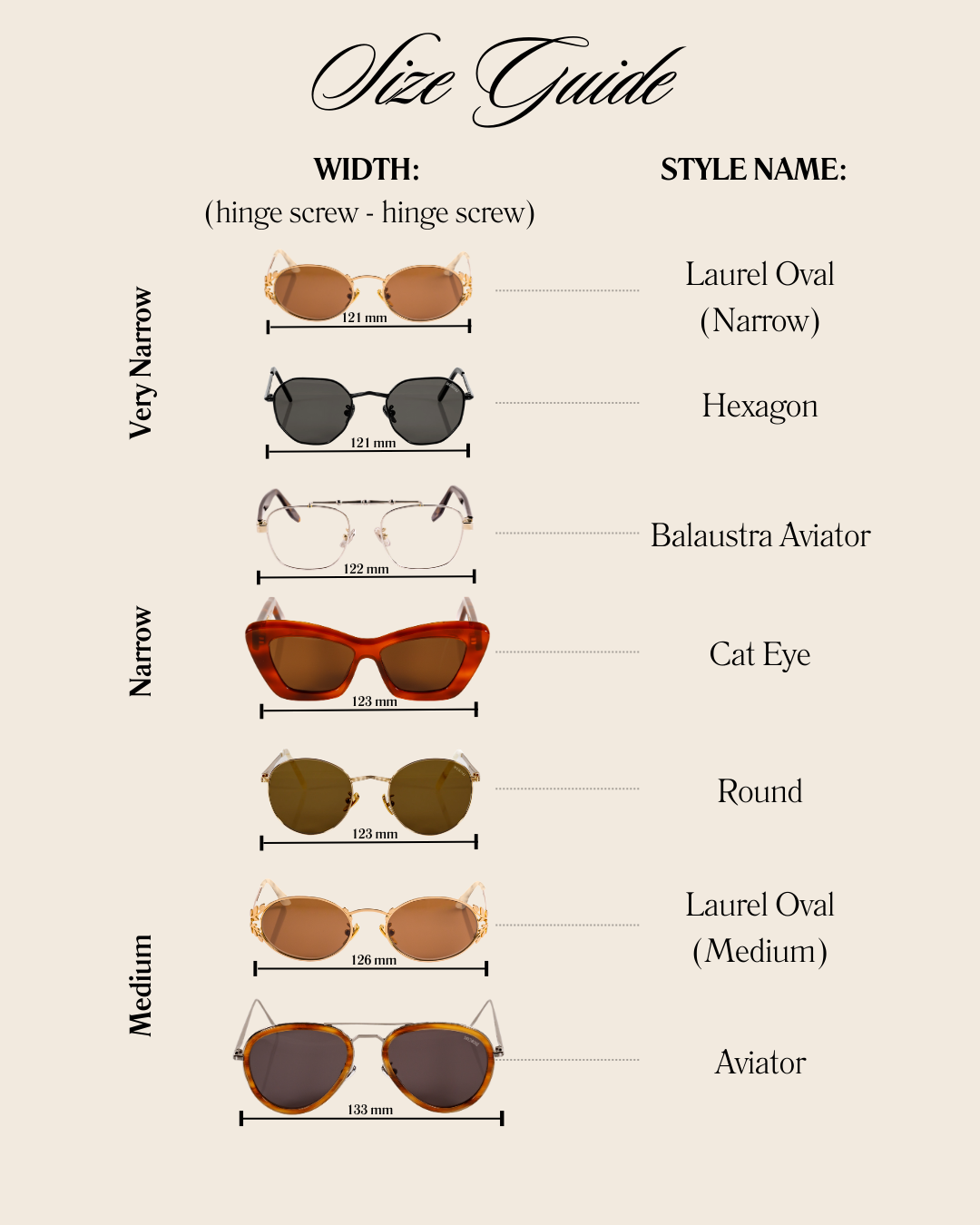
Even the perfect shape fails with the wrong fit. Understanding measurements ensures you get sunglasses that sit properly.
Reading the Numbers
Check the inside temple arm for three key numbers like 52-18-145. The first number is lens width per lens. The second is bridge width between lenses. The third is temple length from hinge to tip.
Universal Fit Guidelines
Frame width should match or slightly exceed cheekbone width. The browline should not cover your eyebrows. Leave a small sliver visible. Nose fit should be snug without pinching. Temple arms should rest behind your ears without pressure.
When Fit Goes Wrong
If your sunglasses slip down, the bridge is too wide. If they pinch your nose, the bridge is too narrow. If you feel pressure behind your ears, the temples are too short or tight.
Lens and Arm Design Impact
Arm placement and lens design change how sunglasses look on your face.
Arm Position by Face Shape
Top-set arms add height, making them ideal for round, square, and diamond faces. Bottom-set arms widen the lower face, best for heart and triangle shapes. Center-set arms provide a balanced look for oval and oblong faces.
Lens Shape Considerations
Angular lenses add definition, which works great for round faces. Curved lenses soften edges, ideal for square faces. Large lenses offer more coverage and suit larger faces. Small lenses work on petite or diamond shapes.
Lens Color Options
Polarized lenses cut glare and work well for driving and water activities. Navy-blue tints create a sporty, casual vibe. Rose or yellow lenses boost contrast in low light. Mirror coatings add style for beach or fashion wear.
Match Frames to Skin Tone
Color matters. The right tint complements your complexion while the wrong one washes you out.
Universal Frame Colors
Black flatters all skin tones. Cool tortoiseshell works best for neutral to cool undertones. Navy or gray-green with metallic accents works year-round.
By Skin Undertone
Cool-toned skin looks best in black, cool tortoiseshell, navy, white, pink, lilac, fuchsia, emerald green, and gray. Avoid warm oranges and yellows that clash.
Warm-toned skin shines in tortoiseshell, bottega green, orange, rosewood, yellow, and gold metallics. Avoid overly cool tones that wash out your complexion.
Neutral-toned skin can experiment widely. Tortoiseshell, burgundy, khaki, lime green, and teal all work well.
Top Sunglass Styles and How to Wear Them
Some frames are timeless. Knowing which ones suit your shape helps you shop smarter.
Aviators
Aviators suit oval, square, heart, and diamond faces. They have a sleek, classic, unisex look. Pair them with denim, dresses, or sportswear.
Wayfarers
Wayfarers flatter oval, round, heart, and triangle faces. They offer a bold, retro, versatile look. Style them with casual, office, or weekend wear.
Cat-Eye Frames
Cat-eye frames work best for heart, diamond, and oval faces. They create a feminine, retro, chic aesthetic. Pair them with dresses, boho, or vintage looks.
Round Frames
Round frames suit square and diamond faces. They create a boho, artistic, intellectual vibe. Style them with casual, creative, or minimalist outfits.
D-Frame and Wafer Styles
D-frames flatter oval and oblong faces. They offer a modern, clean, athletic look. Pair them with sporty or sleek urban wear.
Key Takeaways for Finding Your Perfect Sunglasses
You now have the tools to find sunglasses that genuinely flatter your face. The core principle is simple: choose frames that contrast your face shape. Angular frames balance round faces. Round frames soften square faces. Proportional fit matters just as much as style.
Testing Before You Buy
Use virtual try-on tools or visit a store to test appearance. Check how frames look in natural sunlight. Ask a friend for honest feedback.
The Golden Rule
The best sunglasses are the ones you feel good in. Face shape guides provide a strong foundation, but confidence and comfort should always take precedence. Use this sunglasses shape guide as a tool to explore your options with intention and clarity.
Frequently Asked Questions About Sunglasses Shape Guide
How do I measure my face shape for sunglasses?
Pull your hair back and observe your face in a mirror. Measure the width of your forehead, cheekbones, and jawline, plus your face length from hairline to chin. Compare these proportions to identify whether your face is oval, square, round, heart, triangle, or diamond.
What sunglasses suit an oval face?
Oval faces are versatile and work with most styles. Aviators, wayfarers, round frames, and oversized styles all flatter oval features. The key is avoiding frames that are too narrow or excessively wide.
Can I wear round sunglasses with a round face?
Round sunglasses generally do not flatter round faces because they echo the face shape and emphasize fullness. Instead, choose square, rectangular, or cat-eye frames that add definition and create contrast.
What is the best sunglasses shape for a square face?
Square faces benefit from round, oval, or aviator frames with soft edges. These curved styles soften angular features. Avoid square or rectangular frames that amplify sharpness.
How do I know if sunglasses fit properly?
Proper fitting sunglasses have a frame width matching or slightly exceeding your cheekbone width. The browline should not cover your eyebrows. The nose bridge should fit snugly without pinching, and temple arms should reach your ears without pressure.
Does skin tone affect sunglasses choice?
Yes, skin tone significantly impacts which frame colors look best. Cool-toned skin suits black, navy, and cool tortoiseshell. Warm-toned skin flatters in tortoiseshell, gold, and warm browns. Neutral tones can experiment across the spectrum.