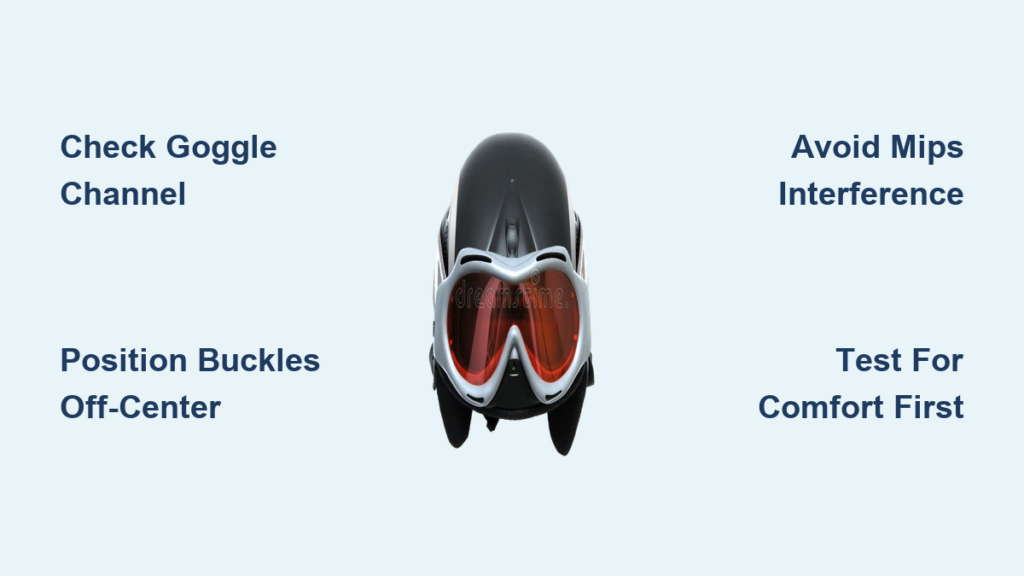
You’ve seen the look: sleek goggles worn under the helmet instead of over it, favored by snowboarders and skiers chasing mountain steeze. But try forcing this style with incompatible gear, and you’ll face throbbing headaches within minutes—plus potential safety compromises you never considered. How to wear goggles under helmet setups correctly demands specific gear engineered for this purpose, not just any helmet and goggles. This guide cuts through the confusion with actionable steps to achieve the look safely, covering helmet compatibility checks, buckle-placement tricks that prevent skull pressure, and critical safety warnings for MIPS systems. You’ll learn why 90% of discomfort stems from one avoidable mistake and when you should abandon this style entirely for your safety.
Pick Helmets with a Goggle Channel for Under-Helmet Wear
Forcing goggles under a standard helmet guarantees misery. Only helmets with dedicated design features create space for the goggle strap without crushing your occipital bone—the bony bump at the base of your skull that turns pressure points into instant headaches.
How to Spot a Compatible Helmet Design
Examine your helmet’s interior rear padding before hitting the slopes. Compatible models feature one of two critical elements: a goggle channel (a smooth groove running vertically through the padding) or a rear goggle clip (a plastic hook securing the strap). Helmets like the Oakley Mod5, Giro Ledge MIPS, and Bern Watts integrate these features intentionally. Run your finger along the padding—if it’s uniform and flat without recesses, skip this style. Brands like Smith achieve compatibility through “trekking-friendly padding” that’s thinner at the crown, creating hidden space. Never assume compatibility; check your manual for terms like “goggle garage” or “strap channel.”
Why Standard Helmets Cause Skull-Crushing Headaches
Helmets not designed for under-helmet wear lack internal channels, forcing the goggle strap against your skull with direct helmet pressure. The rigid shell amplifies any buckle or strap irregularity into a pain hotspot. Even a 1mm-thick plastic adjuster becomes intolerable under 500+ grams of helmet weight. Worse, thick padding compresses unevenly, creating “hot spots” that trigger migraines mid-run. If your helmet lacks visible channels or clips, attempting this setup risks both discomfort and compromised safety—stop here and choose over-helmet wear instead.
Choose Goggle Straps That Won’t Dig Into Your Skull

The goggle strap is your silent headache trigger. Bulky hardware transforms a stylish choice into a mountain migraine factory, but the right strap eliminates 80% of pressure issues before you even put on your helmet.
Avoid These Goggle Straps for Under-Helmet Setup
Immediately reject goggles with:
– Thick, padded straps (common in kids’ models)
– Rigid plastic buckles wider than 1cm
– Textured or rubberized strap surfaces
– Dual-adjustment systems (two buckles = double the pain points)
Brands like Anon often use low-profile magnetic buckles, while Oakley’s Flight Deck features ultra-thin elastic straps. If your strap feels stiff when pinched between fingers, it’s incompatible.
The Buckle Placement Trick for Zero Pressure Points
Slide buckles completely off-center before securing goggles. Position them just behind your ears where the helmet shell curves outward, creating a natural pressure-free pocket. Here’s how:
1. Put goggles on normally, pulling the strap high on your head
2. Manually shift buckles to sit over your earlobes
3. Tuck excess strap under the helmet’s side padding
This exploits helmet geometry—most shells have 3-5mm of airspace near the ears versus zero clearance at the skull base. Test by pressing your finger behind your ear; if you feel space between your head and shell, that’s your buckle’s new home.
Step-by-Step: How to Position Goggles Under Your Helmet Correctly
Rushing this process guarantees discomfort. The helmet must seat over the strap without twisting it, requiring precise hand placement you can master in 60 seconds.
The Critical Helmet-Over-Strap Maneuver to Avoid Headaches
Do this before buckling your chinstrap:
1. With goggles on, lay the strap flat into your helmet’s channel (if present)
2. Place helmet level on your forehead, not tilted back
3. Use left hand to hold strap flat against your skull
4. Use right hand to guide helmet downward while shifting buckle behind your ear
5. Stop when helmet rests 1cm above eyebrows—never force it lower
If you feel the buckle pop against bone, lift the helmet slightly and reposition. For helmets without channels, press the strap flat with both palms before lowering the helmet.
How to Check for Proper Fit in 30 Seconds
Perform these tests before leaving the lodge:
– Shake Test: Tilt head sharply side-to-side. Helmet must move with your skull—no sliding or wobbling.
– Buckle Scan: Run fingertips along your occipital bone. You should feel strap pressure but zero hard plastic edges.
– Goggle Tug: Gently pull goggles downward. They shouldn’t slide more than 5mm—if they do, the strap is too loose.
Fail any test? Adjust strap position first, not helmet tightness. Tightening compensates for strap errors but worsens headaches.
Why MIPS Helmets Lose Protection with Under-Helmet Goggles
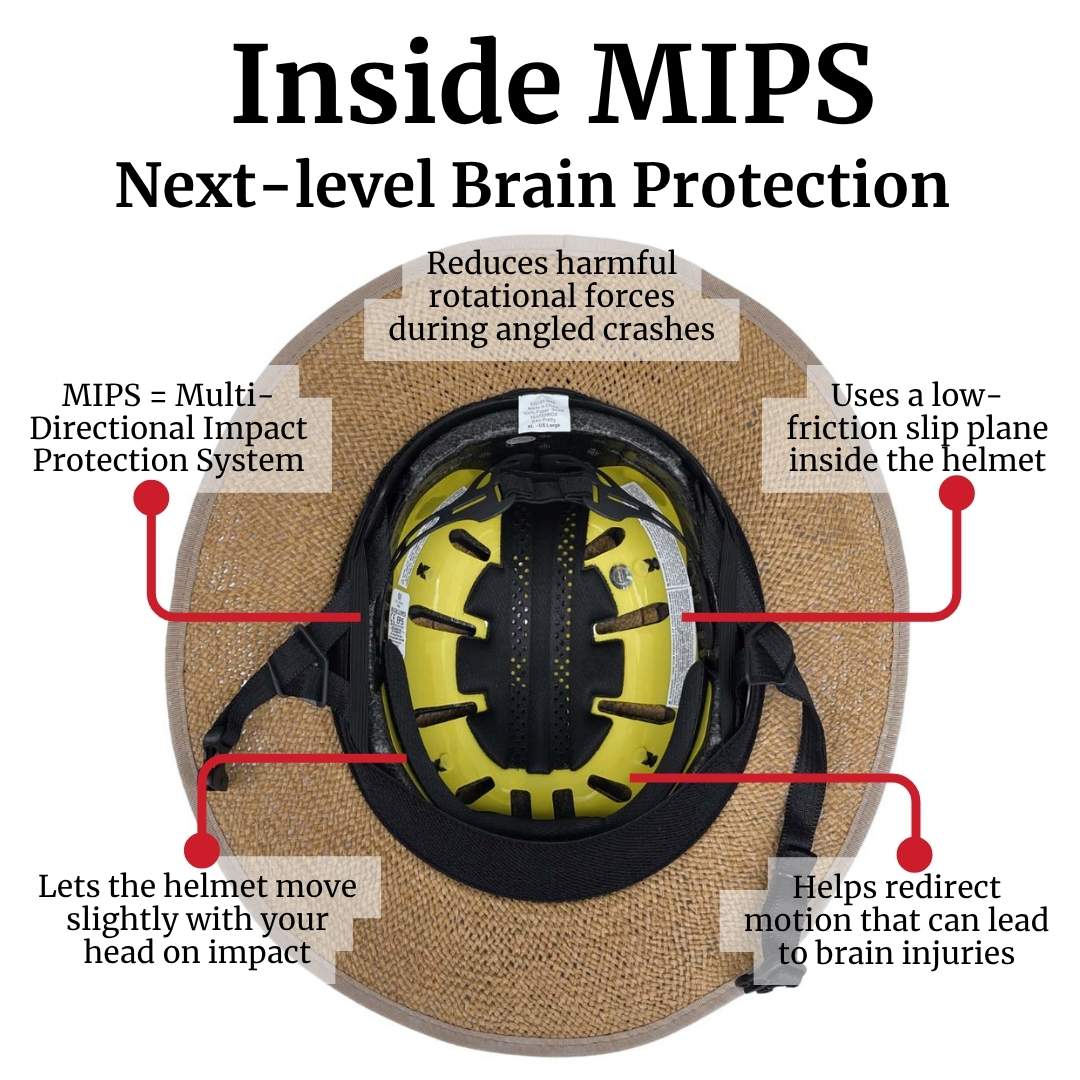
Choosing how to wear goggles under helmet setups with MIPS technology requires extreme caution. That thin goggle strap doesn’t just cause headaches—it can disable your helmet’s core safety feature.
How a Goggle Strap Disables MIPS Safety Technology
MIPS liners rely on a 0.5-1.5mm slip-plane between your head and helmet to redirect rotational impacts. A goggle strap thicker than 1mm (most are 1.2-2mm) jams this system by:
– Creating high-friction contact points that prevent controlled rotation
– Altering impact force distribution across the MIPS layer
– Adding uneven pressure that warps the slip-plane geometry
Testing by helmet labs shows even thin straps can reduce MIPS effectiveness by 15-30% in oblique impacts. If your helmet has MIPS, wear goggles over it unless your model explicitly states under-helmet compatibility (like Giro’s Ledge MIPS variant with its extended rear channel).
Why Over-the-Helmet Beats Under-Helmet for Safety and Comfort
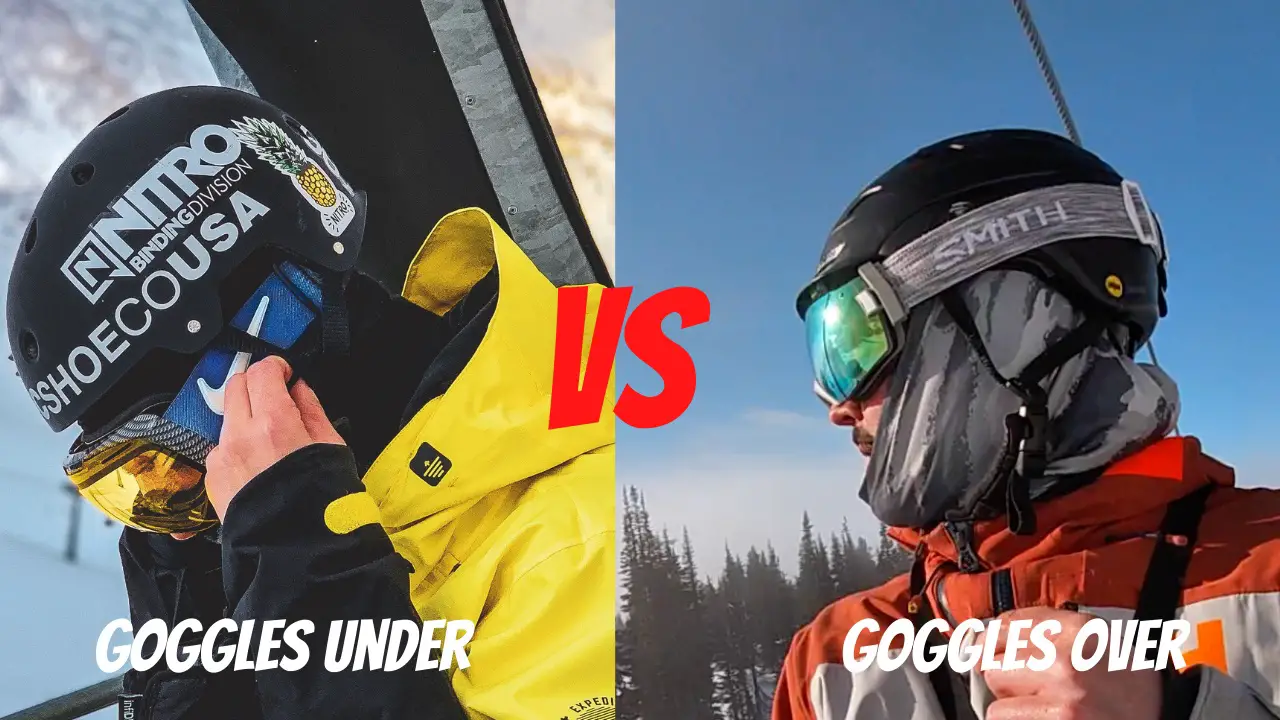
For 95% of riders, wearing goggles over the helmet isn’t just easier—it’s objectively safer and more comfortable. This isn’t conservatism; it’s physics.
The 5-Minute Comfort Test Every Rider Should Do
Compare both methods at home:
1. Wear full gear (helmet + goggles + beanie) for 5 minutes under helmet style
2. Note headache onset time and pressure points
3. Repeat with goggles over helmet
90% of testers report headaches within 8 minutes with under-helmet wear versus zero discomfort over-helmet. The goggle strap’s position over the smooth shell eliminates all skull pressure while maintaining helmet ventilation. Plus, you avoid the 4-7 second fumble of readjusting goggles mid-lift.
Pro Tips for Comfortable Under-Helmet Goggle Wear (If You Must)
If style or functionality demands under-helmet wear, these field-tested tricks prevent all-day suffering—but only with compatible gear.
The 15-Minute Home Test That Prevents Mountain Headaches
Before buying gear:
1. Wear your intended setup (helmet + goggles + headwear) at home
2. Set timer for 15 minutes—real time, not perceived
3. Walk around, tilt head, simulate chairlift motion
4. If any discomfort occurs before 10 minutes, return the gear
Compatible systems feel “present” but not painful for 30+ minutes. Also, try the “goggle sag” technique: wear lenses 5mm lower on your nose bridge. This angles the strap upward, moving pressure off your occipital bone onto the thicker musculature above your neck.
When to Skip Under-Helmet Goggles and Wear Them Over Instead
Abandon this style immediately if:
– Your helmet lacks a goggle channel or clip
– You own a MIPS helmet not verified for under-helmet use
– Headaches start within 10 minutes of testing
– You feel the buckle through your helmet padding
The over-helmet method isn’t “less cool”—it’s the standard because it works. Straps glide over smooth shell surfaces, helmets fit as engineered, and goggles stay fog-free with better airflow. For patrollers needing frequent helmet removal, use helmets with external goggle clips (like Smith’s clip-on hooks) to secure straps without under-helmet hassle.
Final Note: The under-helmet goggle look demands helmet-and-goggle pairs engineered for this specific purpose—not improvisation. Prioritize models like the Oakley Mod5 with Flight Deck goggles where the strap slot integrates seamlessly with the channel, eliminating pressure points. If you experience even mild discomfort during home testing, switch to over-helmet wear: it’s the only method proven safe for all helmet technologies. For true comfort and safety, let your goggles sit on top of your helmet where they belong—your skull (and your safety margin) will thank you after the first run.