That moment when you’re about to drop into fresh powder, only to realize your ski goggles are covered in frustrating scratches—it’s every winter sports enthusiast’s nightmare. Scratched ski goggles don’t just ruin your vision; they compromise your safety by obscuring hazards and reducing contrast in changing light conditions. Whether you’re a weekend warrior or a season pass holder, learning how to fix scratched ski goggles can save you money and extend the life of your gear. This guide reveals the most effective repair techniques, prevention strategies, and cost-saving decisions that actually work on real-world ski goggle damage.
Identify Your Scratch Type: Surface vs. Deep Damage
Before attempting any repair, determine exactly what you’re dealing with. Not all scratches are created equal, and using the wrong method on deep damage can worsen the problem. Most ski goggle scratches fall into two categories:
Surface-Level Scratches (Repairable at Home)
– Only visible at certain angles or in specific lighting
– Don’t catch your fingernail when gently dragged across
– Don’t distort vision or create halos around light sources
– Typically affect only the outer anti-scratch coating
Deep Scratches (May Require Professional Help)
– Visible from arm’s length in normal lighting
– Catch your fingernail noticeably when tested
– Cause visual distortion or light refraction
– Often penetrate beyond the protective coating into the lens material
The Fingernail Test: Quick Damage Assessment
Run your fingernail gently across the scratch. If you feel no resistance, it’s likely a surface scratch you can fix at home. If your nail catches significantly, the scratch is deeper and may require professional attention or replacement. One skier with 120 days on the mountain annually notes: “I’ve had Smith goggles scratch from just cleaning with a microfiber cloth, but proper identification determines whether you can save them.”
Gather These 7 Tools Before Fixing Scratched Ski Goggles
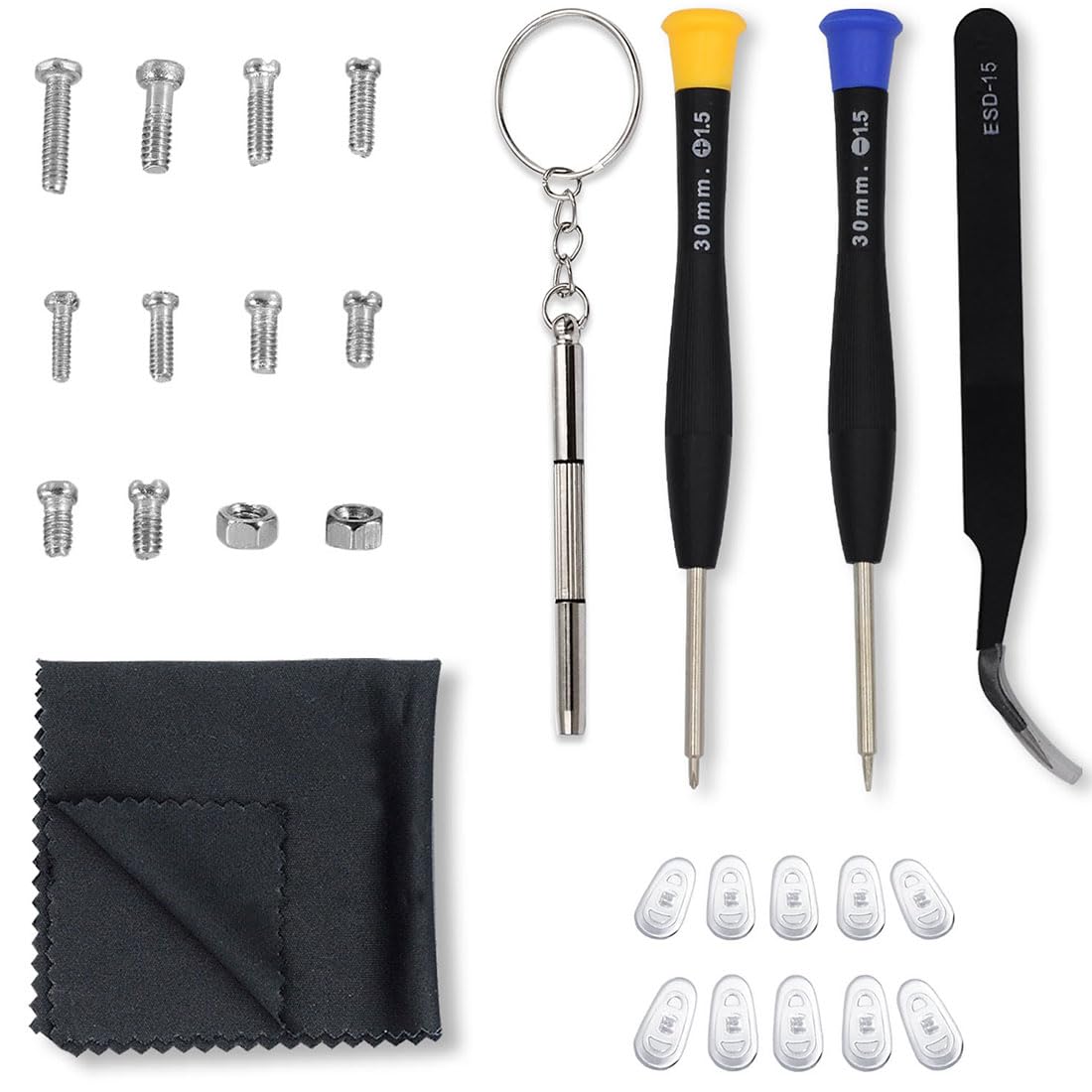
Having the right equipment makes all the difference when attempting to fix scratched ski goggles. Using improper tools can worsen damage or strip protective coatings:
- Microfiber cleaning cloths (lint-free, specifically for optics)
- Distilled water (prevents mineral deposits)
- Non-gel, non-whitening toothpaste (for light scratches)
- Baking soda (for creating a gentle polishing paste)
- Plastic lens polish (like Meguiar’s Plastic Cleaner)
- Microfiber applicator pads (for even compound application)
- Bright LED light (to inspect scratch removal progress)
Pro Tip: Never use paper towels, tissues, or clothing to clean ski goggle lenses—these contain fibers that create micro-scratches with each use.
Fix Light Scratches Now: 4 DIY Methods That Work on Ski Goggles
Toothpaste Method: The Quick Fix for Minor Surface Scratches
- Clean your goggles with distilled water and dry with a microfiber cloth
- Apply a pea-sized amount of non-gel toothpaste to the scratch
- Rub gently in small circular motions for 2-3 minutes using light pressure
- Rinse thoroughly with distilled water and inspect results
This method works best on shallow scratches that don’t catch your fingernail. One satisfied user reported: “The toothpaste got rid of the small scratches! And they smell minty fresh too!” Avoid whitening toothpastes with microbeads or abrasives that can worsen scratches.
Baking Soda Paste: Gentle Alternative for Sensitive Lenses
- Mix two parts baking soda with one part distilled water to form a paste
- Apply with a soft microfiber cloth using light circular motions
- Wipe clean with a damp cloth after 60-90 seconds
- Repeat once if needed, but avoid over-polishing
Plastic Polish Method: For Moderate Scratches on Ski Goggles
- Apply a small amount of plastic polish to a microfiber applicator
- Work in small sections using circular motions for 30-60 seconds
- Wipe off excess with a clean microfiber cloth
- Buff to a clear finish with a dry section of cloth
This technique is particularly effective for Smith goggles, which users frequently report as scratching easily. Automotive plastic polish works well for deeper scratches but requires more careful application.
7 Costly Mistakes That Worsen Scratched Ski Goggle Lenses
Many skiers accidentally make scratches worse by using improper techniques. Avoid these common errors when trying to fix scratched ski goggles:
- Using paper towels or clothing: These contain abrasive fibers that create more scratches
- Applying ammonia-based cleaners: Destroys anti-fog and UV protective coatings
- Rubbing snow or ice on lenses: Frozen particles act like sandpaper on delicate surfaces
- Using excessive pressure: Thins lens coatings and can create new scratches
- Skipping the cleaning step: Dirt particles become abrasives during polishing
- Using dirty microfiber cloths: Embedded grit scratches as you clean
- Over-polishing: Wears down protective coatings beyond repair
Stop Future Scratches: Daily Habits That Protect Ski Goggle Lenses
Preventing scratches is always more effective than trying to fix scratched ski goggles after the damage occurs. Implement these protective measures immediately:
Proper Cleaning Protocol
– Rinse lenses with distilled water first to remove loose debris
– Apply lens cleaner to your cloth, never directly to lenses
– Wipe in one direction only (not circular motions) to prevent swirl marks
– Air dry whenever possible to eliminate wiping altogether
Essential Storage Practices
– Always store goggles in a hard case, not just a soft pouch
– Keep in original packaging when traveling or storing long-term
– Store in a cool, dry place away from temperature extremes
– Never place goggles lens-down on any surface
Travel Protection Tips
– Store goggles lens-side-out in cases to prevent pressure marks
– Use microfiber cloth between lenses when stacking multiple pairs
– Keep in carry-on luggage to avoid temperature and pressure changes
– Avoid storing near solvents or chemicals that can degrade lens coatings
Scratched Goggles Repair or Replace? The $50 Decision Flowchart

When your ski goggles get scratched, the most practical question is whether to repair or replace. Use this decision framework:
Repair if:
– Scratches are surface-level (don’t catch fingernail)
– Only affect peripheral vision, not your direct line of sight
– Goggles are relatively new (less than 2 seasons)
– Repair cost is less than 50% of replacement value
Replace if:
– Deep scratches cause visual distortion or halos
– Multiple scratches create a “spiderweb” effect across vision
– Goggles are older than 3 years (coatings naturally degrade)
– Your goggles are Smith brand with mirrored lenses (notoriously scratch-prone)
For high-end goggles ($200+), professional repair may be cost-effective. For budget goggles, replacement often makes more sense than multiple repair attempts.
3 Signs Your Scratched Ski Goggles Need Professional Repair
While many scratches can be fixed at home, certain conditions require professional attention:
- Night vision impairment: Scratches that create halos or glare around light sources
- Coating damage: When anti-fog or UV protection appears compromised
- Multiple deep scratches: Especially in your direct line of sight
Some optometrists have equipment to professionally polish polycarbonate lenses, and certain optical shops offer this service. While professional repair typically costs $25-$75, it’s often worth it for premium goggles. However, be aware that professional polishing may void your warranty, so check with the manufacturer first.
Your Action Plan: How to Fix Scratched Ski Goggles Based on Damage Level
Follow this step-by-step approach when your ski goggles get scratched:
For very light scratches:
1. Try the toothpaste method first (least invasive)
2. If unsuccessful, attempt baking soda paste
3. If still visible, use plastic lens polish
For moderate scratches:
1. Clean thoroughly with lens-safe solution
2. Apply plastic polish with microfiber applicator
3. Buff gently with clean microfiber cloth
4. Consider professional assessment if no improvement
For deep scratches:
1. Determine if in your direct line of sight
2. If yes, professional repair or replacement recommended
3. If peripheral, try plastic polish carefully
4. If unsuccessful, replace lenses or entire goggles
Pro Tip: Always test any repair method on a small, inconspicuous area first. For expensive or sentimental goggles, professional assessment is often worth the cost.
Final Note: With proper care, most ski goggles can remain scratch-free for multiple seasons. When scratches do occur, identifying the damage level and choosing the appropriate repair method can save you money and extend your gear’s life. Remember that prevention is always better than repair—invest in quality storage, use proper cleaning techniques, and handle your goggles with care. For those inevitable scratches, now you know exactly how to fix scratched ski goggles effectively without wasting time on methods that don’t work. Your clear vision on the slopes depends on it.