You’re wearing your favorite sunglasses on a bright day when you notice it—a distracting scratch across the lens. It catches the light, blurs your vision, and seems impossible to ignore. You search online for a quick fix and find dozens of DIY hacks: toothpaste, baking soda, even car wax. But here’s the hard truth: real scratches on sunglasses lenses cannot be removed safely at home.
Scratches are permanent damage that remove microscopic layers of lens material or compromise essential coatings like anti-reflective, UV-blocking, or mirror finishes. Once these are breached, no paste or polish can restore what’s lost. This guide cuts through the myths, reveals why DIY methods fail, and shows you how to protect your eyes and your eyewear investment long-term.
Check If It’s Actually a Scratch Before Trying to Fix It
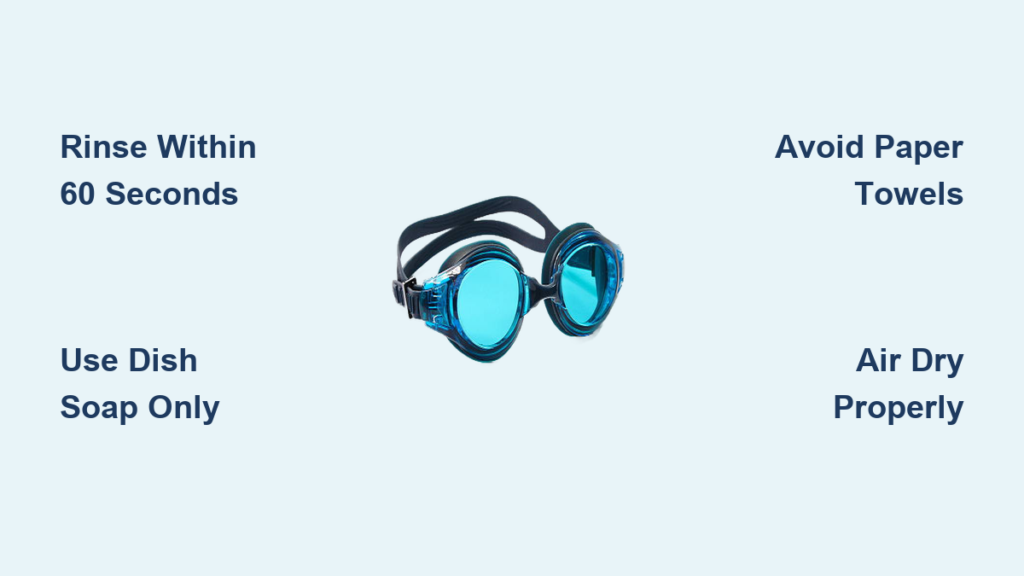
Before attempting any repair, confirm whether what you’re seeing is truly a scratch. Many people mistake surface issues for scratches that can often be resolved with proper cleaning.
Smudges That Look Like Scratches
These common lens problems can be mistaken for scratches but disappear with the right cleaning technique:
• Oily smudges from fingerprints, sunscreen, or makeup
• Dust and grit trapped in microfiber cloth fibers
• Mineral deposits from sweat or hard water
• Coating haze caused by chemical exposure
Fix it by rinsing lenses under lukewarm water, applying a drop of mild dish soap, gently rubbing with clean fingers, then rinsing and drying with a fresh microfiber cloth. If the mark disappears, it wasn’t a scratch.
When Coating Damage Looks Like Scratching
Peeling, bubbling, or rainbow-colored patches usually mean coating failure, not lens scratching. This happens due to exposure to solvents like alcohol or ammonia, heat damage from leaving sunglasses on a car dashboard, or simple age and wear. Coating damage is permanent and cannot be repaired at home or by professionals.
Why True Scratches Cannot Be Fixed at Home

A scratch isn’t a stain you can wipe away. It’s a physical groove etched into the lens surface that removes lens material permanently.
What Scratch Damage Actually Does
Deep scratches catch your fingernail and distort vision, penetrating beyond surface coatings into the lens substrate. Surface scuffs may only affect coatings and appear under certain lighting. Even if a remedy makes a scratch less visible, it doesn’t repair the structural damage. Most DIY techniques work by micro-abrading the area around the scratch, creating a hazy zone that diffuses light and masks the flaw temporarily. This comes at a cost: reduced clarity, increased glare, and degraded coatings.
Why Toothpaste Fails to Remove Lens Scratches
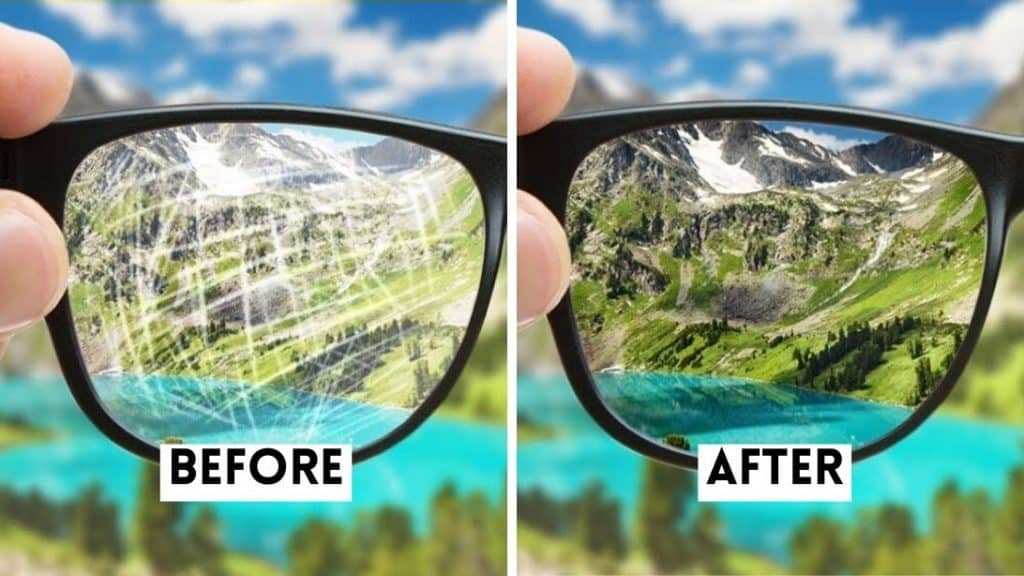
Despite endless online claims, toothpaste does not remove scratches from sunglasses lenses. It contains silica abrasives meant for teeth, not delicate optics. The mild abrasive may dull the surrounding surface, making a shallow scuff less noticeable temporarily. However, it destroys anti-reflective and hydrophobic coatings in seconds. After repeated use, lenses show cloudiness, increased glare, and no reduction in scratch depth. This method provides false hope with real risk.
Why Baking Soda and Other Abrasives Make Things Worse
Mixing baking soda with water creates a rough paste that acts like sandpaper on your lenses. Rubbing it on lenses risks scratching unscratched areas. There is no scientific evidence supporting its use on optical surfaces. The paste leaves residue that attracts dirt and reduces transparency. Controlled tests show zero improvement, even on uncoated lenses. This method fails every time and should be avoided.
Why Wax and Sunscreen Are Dangerous for Your Lenses
Some people suggest wax fills scratches like putty, but this creates serious optical hazards.
Car and Furniture Wax on Sunglasses
Wax may temporarily reduce visibility of minor flaws by changing light refraction. However, it leaves a greasy film that smears easily, attracts dust, and causes halos in sunlight. Imagine driving into the sun with wax-coated lenses: dangerous glare, distorted depth perception, and impaired vision. This method is unsafe and impractical. Never use wax on eyewear.
Sunscreen Damages Coatings
Sunscreen contains solvents that can dissolve mirror coatings. If a scratch is only in the mirrored layer, removing the entire coating might make it disappear. But now your whole lens loses reflectivity, tint balance, and potentially UV protection. Dark lenses without UV blocking cause pupil dilation, letting in more harmful rays and increasing risk of cataracts and macular degeneration. This method is extremely dangerous and never recommended.
What Actually Works: Lens Replacement
If a scratch catches your fingernail or affects your vision, replace the lenses, not the frames. This is the only reliable solution.
Benefits of Lens Replacement Over Buying New Sunglasses
• Restores crisp, distortion-free vision
• Reinstalls UV protection and modern coatings
• Saves money, up to 70% cheaper than new sunglasses
• Keeps your favorite, well-fitting frames
• Reduces plastic waste, making it eco-friendly
Replacement lenses are available for most major brands including Oakley, Ray-Ban, Costa Del Mar, Maui Jim, and Smith.
How to Replace Your Sunglass Lenses
Step 1: Identify Your Frame Model
Check the inside of the temple arm. You’ll find the brand name, model number like OO9206 for Oakley, and lens size like 58-14-138. Use this information to search for compatible replacement lenses.
Step 2: Order Replacement Lenses
Reputable providers include Revant Optics for premium quality and easy installation, SportRx offering prescription and non-Rx options, and Zenni Optical. Options available include mirror coatings, polarized filters, gradient tints, and blue light blocking for indoor/outdoor hybrids.
Step 3: Install the New Lenses
Most systems use one of three methods. Snap-in systems press lenses into the frame groove, common in Oakley frames. Screw-in systems require removing screws, swapping lenses, and reattaching, typical for Ray-Ban. Hinge-release systems unclip the front lens assembly, found in some wraparound styles. Follow manufacturer video guides. Most installations take under 5 minutes.
How to Prevent Scratches on Sunglasses Lenses
Prevention is far smarter than attempted repair. Adopt these daily care habits to protect your lenses.
Essential Lens Care Practices
Always store sunglasses in a hard-shell case. Never leave them in direct sun like on a car dashboard. Clean with water and microfiber cloth. Never wipe dry with shirts, napkins, or paper towels. Rinse before wiping to remove grit. Use lens-safe spray cleaner. Never use household cleaners like Windex, alcohol, or bleach. Place lenses face-down is never okay. Replace worn microfiber cloths since old, dirty cloths grind sand into lenses.
What Anti-Scratch Coatings Can and Cannot Do
All quality sunglasses come with scratch-resistant coatings, but scratch-resistant does not mean scratch-proof. Even coated lenses can be damaged by sand because microscopic quartz is harder than lens plastic. Improper cleaning and contact with keys, phones, or rough surfaces also cause damage. Some brands offer re-coating sprays, but these are temporary and don’t repair existing damage.
How Scratches Affect Your Vision and Eye Health
Scratched lenses impact more than just appearance. They affect your eye health.
Visual Stress from Light Scattering
Scratches act like tiny prisms, bending and reflecting light unpredictably. This leads to glare and halos around lights, reduced contrast in bright conditions, eye fatigue and headaches, and delayed visual processing dangerous when driving or cycling. Your brain works harder to interpret distorted input over time, leading to chronic strain. Optometrists warn that prolonged use of scratched lenses may contribute to long-term visual discomfort and reduced performance.
When to Replace Your Sunglass Lenses
Replace lenses if a fingernail catches on the surface. Replace if you see glare, blurring, or distortion. Replace if coatings are peeling or hazy. Replace if vision feels off or tiring. Replace if DIY attempts have left residue or cloudiness. Keep an extra set of replacement lenses as backup.
Frequently Asked Questions About Removing Sunglass Scratches
Can you really remove scratches from plastic sunglasses?
No. Once the lens material is gouged, it cannot be restored. DIY methods offer false hope and risk permanent damage.
Does toothpaste fix minor scratches on sunglasses?
No. Any perceived improvement is temporary and comes from surface dulling, not repair. It damages coatings and reduces clarity.
Are glass lenses better for scratch resistance?
Glass scratches less than plastic, but it’s heavier and more dangerous if shattered. Most modern sunglasses use polycarbonate for safety and light weight.
Can professionals fix scratched lenses?
No optician or lab can repair a scratched lens. They will recommend lens replacement, the only safe and effective option.
Do anti-scratch sprays work?
They add a thin protective layer that may resist light scuffs, but they don’t fix existing scratches or prevent damage from sand or sharp objects.
Is it worth replacing lenses instead of buying new sunglasses?
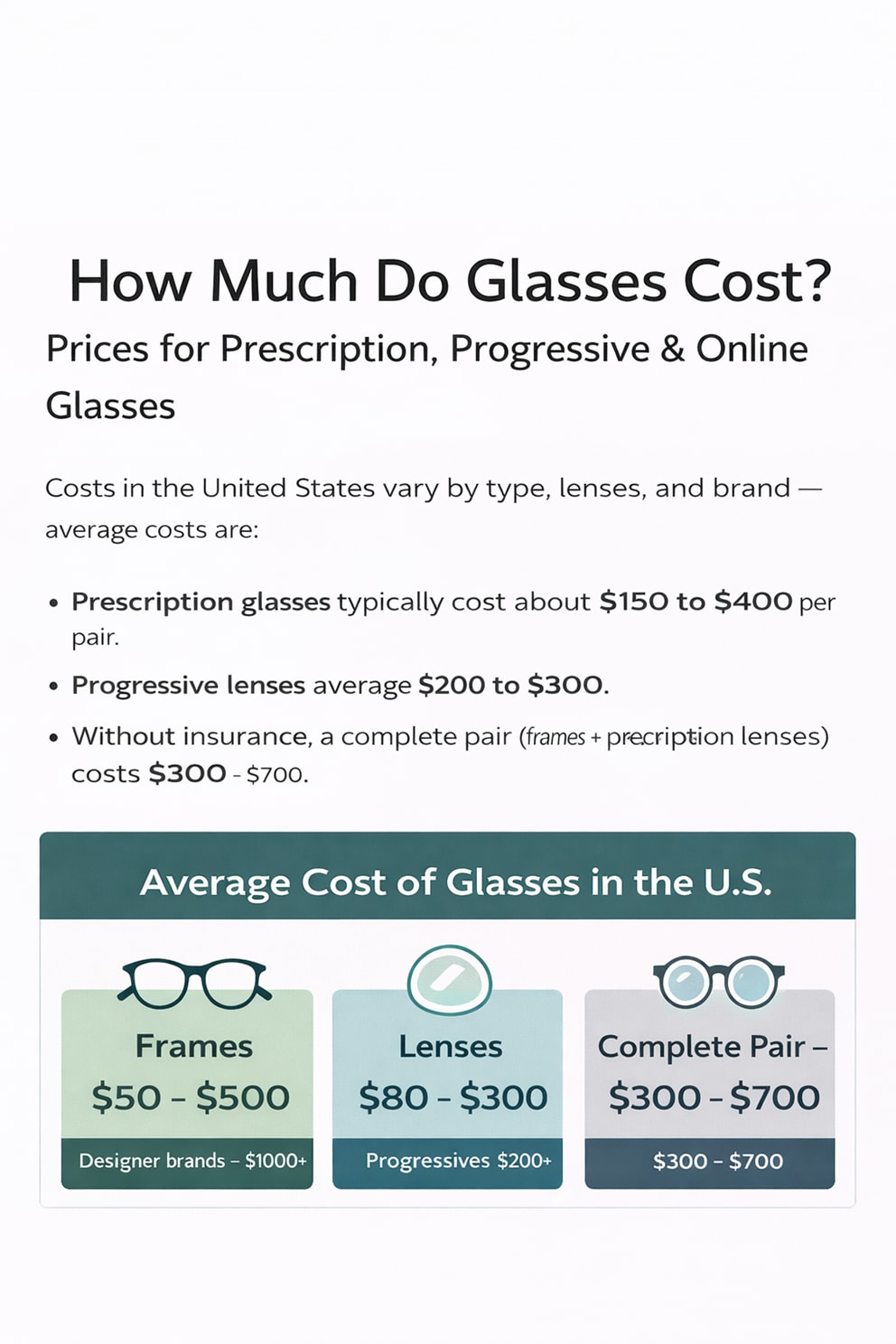
Absolutely. High-end frames cost $100 to $300 or more. Replacement lenses cost $30 to $80 and restore full function.
Final Advice: Stop Trying to Remove Scratches, Start Replacing Lenses
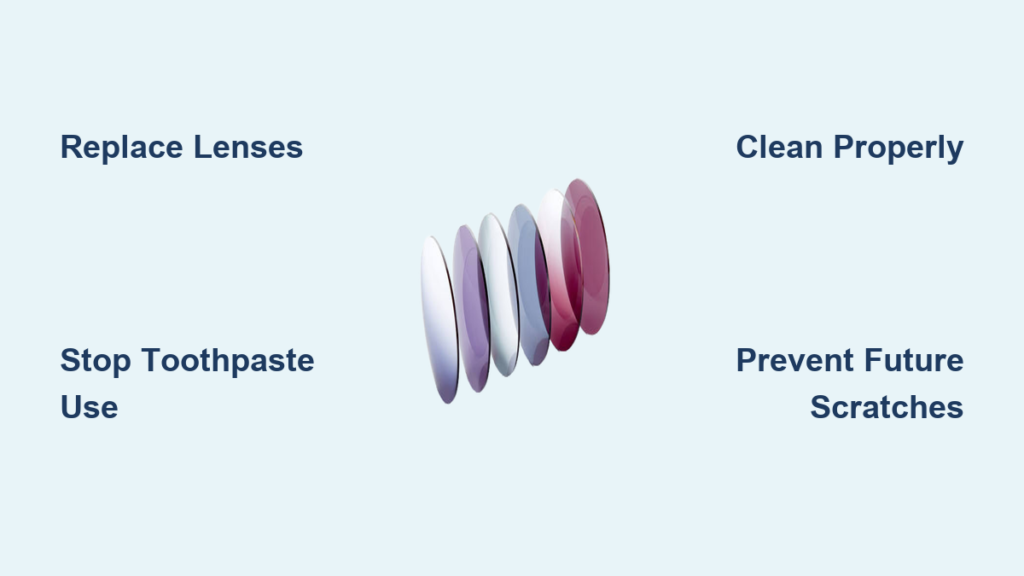
There is no safe, effective way to remove scratches from sunglass lenses at home. Every DIY hack either does nothing or makes things worse. Toothpaste, baking soda, wax, and vinegar none restore lost material. Instead, they degrade coatings, reduce clarity, and compromise eye safety.
Your best move involves six steps. First, stop using abrasive pastes because you’re damaging lenses further. Second, clean properly to rule out smudges. Third, test the scratch with your fingernail. If it catches, the damage is permanent. Fourth, order replacement lenses from a trusted provider. Fifth, install them yourself in minutes. Sixth, adopt preventive care to avoid future damage.
Remember: your sunglasses aren’t just fashion. They’re eye protection. Don’t risk your vision for a myth. If your lenses are scratched, replace them, not your frames. It’s faster, cheaper, safer, and the only solution that truly works.