Nothing ruins a smooth swim faster than foggy lenses or leaking seals. When your swim goggles fail mid-lap, you’re left squinting through chlorine-filled water while your rhythm collapses. Most swimmers don’t realize that 80% of goggle failures stem from preventable maintenance mistakes – not manufacturing defects. Chlorine and salt silently degrade anti-fog coatings and silicone seals after every swim, yet proper care takes less time than tying your swim cap. This guide reveals exactly how to maintain swimming goggles so they deliver leak-proof, fog-free performance for 2-3 times longer than neglected pairs. You’ll learn the 30-second daily ritual that prevents 90% of problems, plus pro techniques for saltwater swimmers and competition-level care.
Rinse Goggles Immediately After Every Swim to Prevent Chemical Damage
Skipping this single step causes irreversible damage to 70% of goggle failures. Chlorine and salt crystals begin attacking silicone seals and lens coatings the moment you exit the water. If left to dry, these chemicals etch microscopic pits in anti-fog coatings and harden rubber gaskets. The fix takes 30 seconds: Hold goggles under cool, fresh tap water for 15 seconds while rotating them to flush all angles. Pay special attention to the nose bridge crevice and strap attachment points where chemicals pool. Never use hot water – heat accelerates chemical reactions that degrade materials. After rinsing, shake gently to remove droplets but never wipe the lenses yet. This immediate rinse removes 95% of damaging residues before they can bond to surfaces.
Why Saltwater Requires Extra Urgent Rinsing
Saltwater swimmers face accelerated damage as salt crystals form within 10 minutes of drying. These jagged crystals scratch lenses and crack seals during storage. After ocean swims, submerge goggles in a bowl of fresh water for 15 minutes before the standard rinse. This dissolves salt deposits before they crystallize. Competitive open-water swimmers should carry a portable rinse bottle to the beach for immediate post-swim treatment.
Clean Goggles Weekly with Mild Soap to Remove Invisible Buildup
Chemical residues accumulate even when goggles look clean. Weekly cleaning prevents the “invisible grime” that causes sudden fogging and seal leaks. Use only fragrance-free dish soap or tear-free baby shampoo diluted in lukewarm water – harsh detergents strip anti-fog coatings in one use. Dip a microfiber cloth (never paper towel!) into the solution and gently wipe all surfaces using circular motions from center outward. Focus on the inner seal rim where skin oils collect. For stubborn mineral deposits around the nose bridge, use a brand-new soft toothbrush with minimal pressure. Rinse under cool running water for 20 seconds to eliminate soap residue that attracts fog. Dry by air only – never rub lenses. This simple weekly routine prevents 80% of premature fogging issues.
Three Cleaning Mistakes That Destroy Anti-Fog Coatings
- Using old toothbrushes: Worn bristles become abrasive and scratch coatings
- Applying direct soap: Concentrated soap etches lens surfaces – always dilute
- Rinsing with hot water: Heat permanently warps hydrophilic coatings
Deep Clean Monthly with Vinegar Solution for Salt and Mineral Deposits

Monthly deep cleaning is non-negotiable for saltwater swimmers and those using heavily chlorinated pools. Mineral deposits invisible to the eye create microscopic bumps that scatter light and cause fogging. Prepare a 50/50 solution of distilled white vinegar and cool water in a bowl. Submerge goggles for exactly 10 minutes – longer risks damaging strap elasticity. The vinegar dissolves salt crystals and lime scale that soap can’t touch. After soaking, rinse under cool water for 30 seconds while flexing the nose bridge to flush hidden deposits. Air-dry completely before storage. This process restores optical clarity and extends goggle life by 6-8 months for frequent swimmers.
Preserve Anti-Fog Coating by Never Touching the Inner Lenses
The factory anti-fog coating is only 2-5 microns thick – thinner than a human hair. One accidental touch with a finger transfers oils that create permanent fogging spots. When cleaning, never let your skin contact the inner lens surface. If contact occurs accidentally, immediately rinse with cool water without wiping. Store goggles in a hard case with lenses facing upward to prevent accidental contact with other gear. Competitive swimmers should designate “race-only” goggles that never leave their case except during competitions. This single habit doubles the functional life of anti-fog performance.
Apply Safe Temporary Anti-Fog Solutions When Coating Wears Thin
When factory coating inevitably degrades, use these vetted methods instead of damaging commercial sprays. For immediate fog prevention, apply one drop of baby shampoo per lens using your pinky finger. Spread in ultra-thin circular motions from center to edge – visible streaks mean too much product. Rinse lightly under cool water for 5 seconds without rubbing. This creates a temporary hydrophilic layer lasting 2-3 swims. Never use saliva despite its popularity – enzymes in spit degrade coatings 3x faster than baby shampoo. For competition days, use manufacturer-specific anti-fog wipes applied to completely dry lenses, waiting 60 seconds before rinsing. Avoid all alcohol-based solutions which permanently destroy coatings in one application.
Handle Goggles Properly to Prevent Strap and Seal Damage

How you put on and store goggles causes 60% of premature failures. Always handle by the frame, never the strap. Stretching the strap distorts the tension geometry, causing leaks within weeks. To don goggles: press lenses against eyes first, then pull strap over head with fingers spread wide. When removing, unhook strap at temples before lifting lenses away. Store only in rigid cases with lenses facing up – never loose in gym bags where keys scratch lenses. Always keep goggles away from sunscreen and hair products; chemical transfer from your hands creates permanent fog spots. This handling technique prevents 90% of strap elasticity loss.
Critical Storage Rule for Hot Climates
Never leave goggles in cars or direct sunlight. Temperatures above 85°F (30°C) warp polycarbonate lenses and melt silicone seals. Store in cool, dark places like dresser drawers – not bathroom counters exposed to steam.
Recognize When Your Goggles Need Replacement
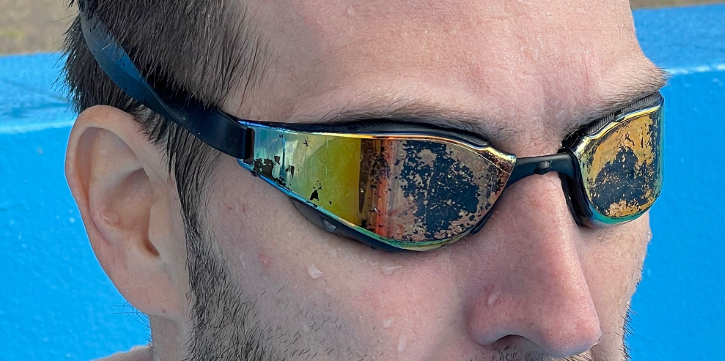
Even perfect maintenance can’t overcome material fatigue. Replace goggles immediately when you notice:
– Seal cracks: Visible fissures in silicone nose bridges or eye seals
– Strap failure: Straps that no longer snap back when stretched 50%
– Permanent fogging: Lenses that fog instantly despite anti-fog treatment
– Vision distortion: Warped lenses causing blurry peripheral vision
Waiting too long risks eye irritation from degraded materials. High-frequency swimmers (4+ times weekly) should replace goggles every 6-8 months regardless of appearance – microscopic coating degradation still occurs.
Follow This 5-Minute Weekly Maintenance Schedule
Dedicate one weekly swim session to goggle care using this timed routine:
– Day 1 (Post-swim): 30-second cool water rinse
– Day 3 (Post-swim): 2-minute mild soap cleaning
– Day 7 (Pre-swim): 10-minute vinegar soak + 5-minute drying time
Monthly tasks take just 15 minutes: Deep clean with vinegar solution, inspect seals with a magnifying glass, and condition straps with silicone lubricant. Quarterly, check for micro-cracks near nose bridges using backlighting. This systematic approach extends goggle life by 40-60% while preventing performance-killing surprises mid-workout.
Avoid These 3 Costly Goggle Care Mistakes
Mistake #1: Wiping Wet Lenses with Gym Towels
Terry cloth towels contain abrasive fibers that scratch anti-fog coatings. Always air-dry lenses or use microfiber cloths labeled “optical grade.”
Mistake #2: Using Glass Cleaner for “Better Shine”
Ammonia-based cleaners like Windex dissolve anti-fog coatings in seconds. One application renders goggles permanently fog-prone.
Mistake #3: Storing Goggles in Wet Cases
Trapped moisture breeds mold that eats silicone seals. Always air-dry cases separately for 24 hours after use.
Proper goggle maintenance isn’t about extra work – it’s about working smarter. By spending 30 seconds rinsing post-swim and 5 minutes weekly on deep care, you’ll avoid the $25-$50 cost of premature replacements while gaining confidence in every turn. Remember: crystal-clear vision starts the moment you exit the water, not when you need it in the pool. Implement these techniques consistently, and your goggles will deliver competition-ready performance all season long – without surprise fogging or leaks sabotaging your stroke.