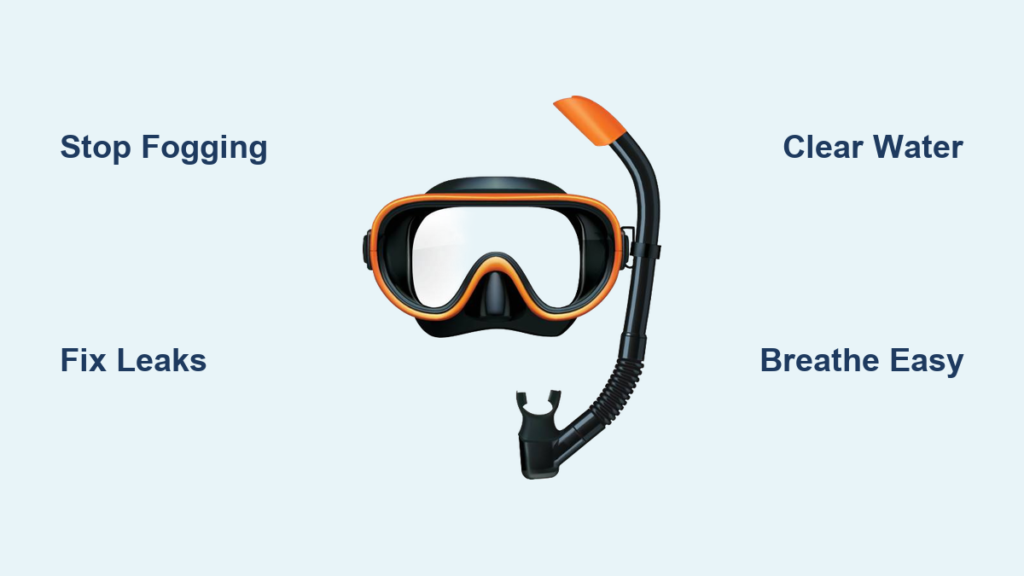
Snorkeling goggles unlock breathtaking underwater worlds, but fogged lenses, leaking seals, and breathing anxiety turn magical moments into frustrating struggles. Mastering how to use snorkeling goggles properly separates beginners from confident explorers—no scuba certification required. The right technique transforms that initial face-in-water panic into meditative floating where every breath reveals vibrant coral gardens and curious fish. This guide cuts through the overwhelm with field-tested steps used by dive instructors to solve the three biggest goggle problems: fogging, leaking, and breathing discomfort. You’ll learn exactly how to use snorkeling goggles for crystal-clear vision within minutes of entering the water, backed by science-backed desensitization drills that eliminate panic before you even get wet.
Why Your Snorkeling Goggles Fog Up (and How to Stop It Forever)
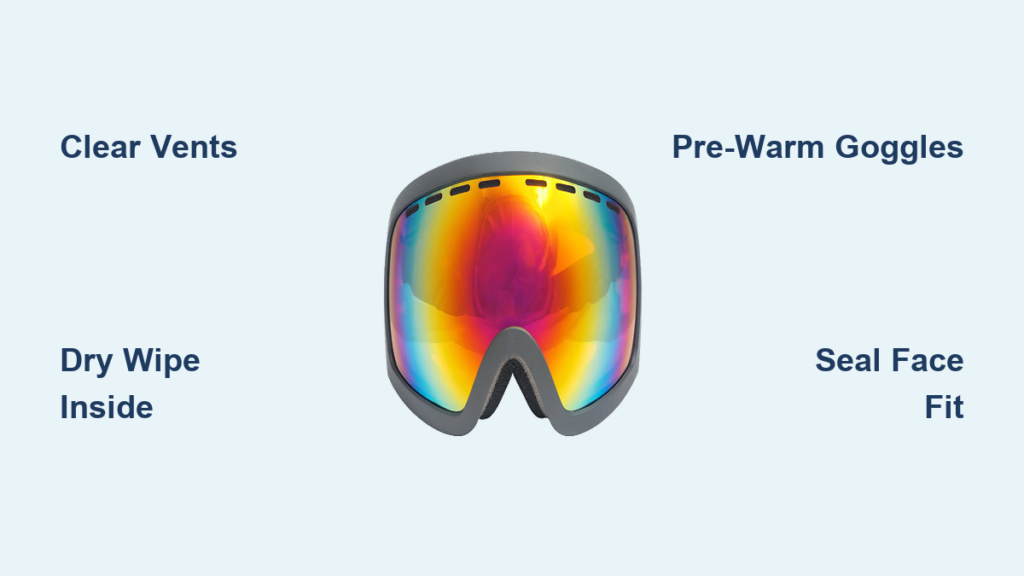
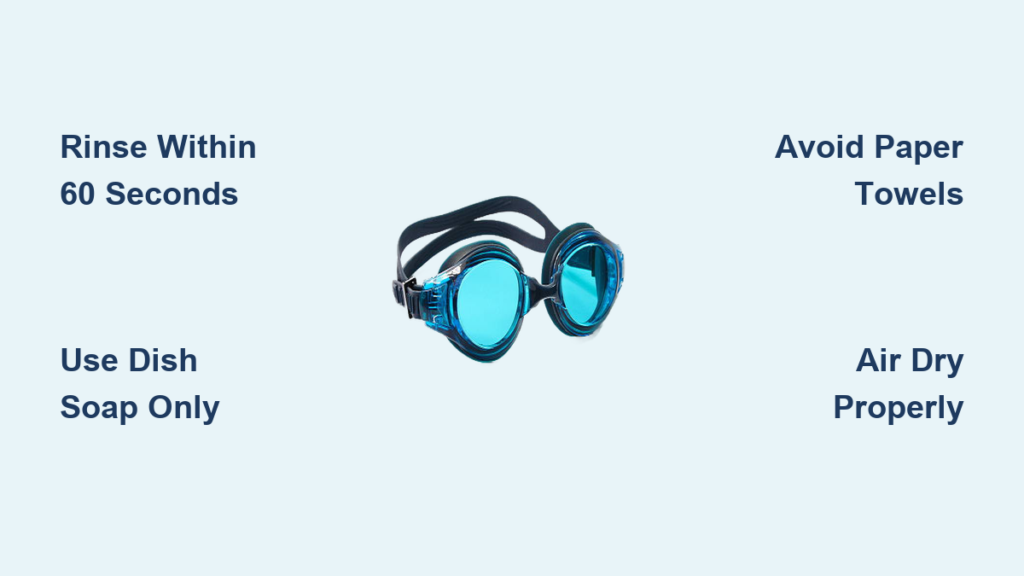
Fogging happens when warm breath hits cooler lens surfaces—a physics problem, not faulty gear. Commercial defog solutions work, but baby shampoo creates a superior anti-fog barrier that lasts all day. Apply one drop to the dry lens interior, rub gently with your finger for 20 seconds, then rinse briefly under fresh water—never tap water, which leaves mineral deposits. Never use toothpaste or spit; modern silicone coatings degrade from abrasives and oils. For instant field fixes, spit inside the mask and swirl it around before your dive—this creates a temporary surfactant layer. Remember: fogging increases with rapid breathing, so slow your inhales to reduce moisture buildup.
Pro-Tip: Test your anti-fog treatment before entering deep water. Submerge your face in a bucket of cool water while breathing through the snorkel. If fog appears within 30 seconds, reapply defog solution.
Achieve a Perfect Snorkel Mask Seal: No More Leaks or Suction Marks

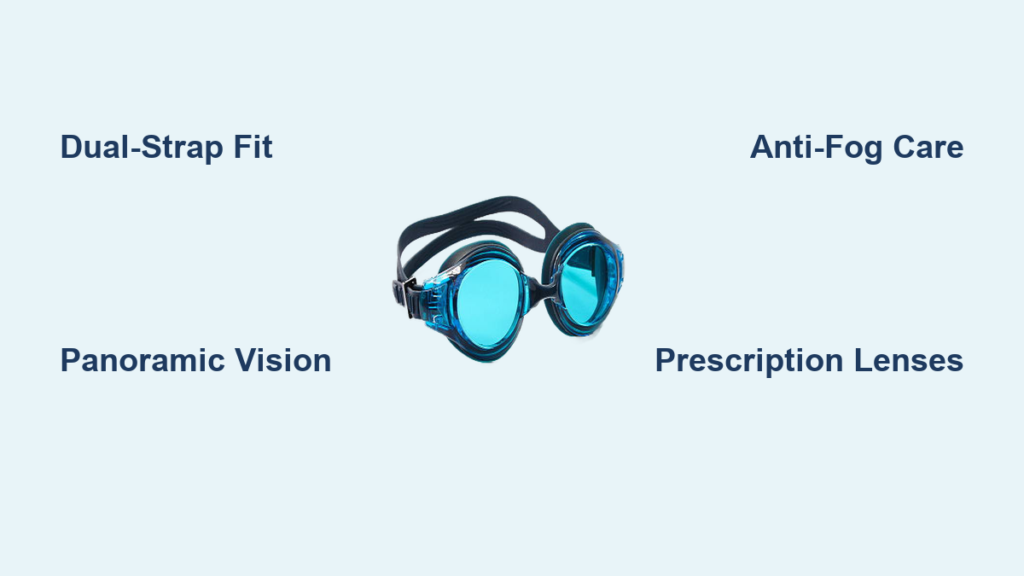
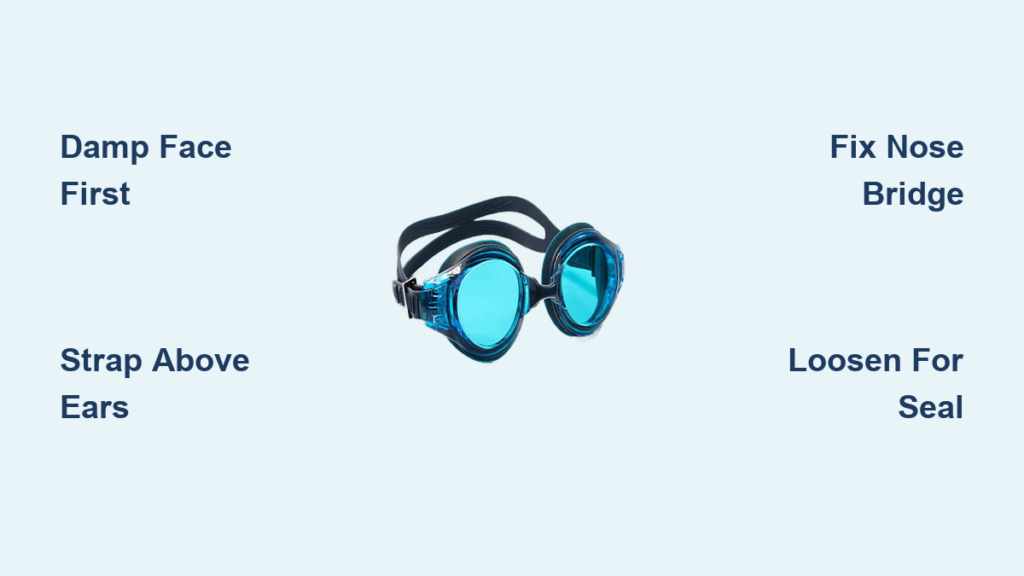
A leaking mask ruins visibility and builds anxiety fast. The secret isn’t tighter straps—it’s strategic suction testing. Hold the mask against your face without the strap, then inhale gently through your nose. A proper seal creates vacuum suction that holds the mask in place for 5+ seconds. If it falls off, try a smaller frame size; most leaks stem from nose-bridge gaps. Adjust straps so the buckle sits at the crown of your head—never behind your ears—to distribute pressure evenly. Before entering water, press the mask firmly against your face while taking three slow breaths through your nose; this activates the silicone skirt’s memory seal.
Critical Check: Pinch your nose while submerged and blow gently. If air escapes around the mask edges, reposition it immediately. Water entering near your eyebrow? Tighten the top strap incrementally. Leaks at the cheekbones? Loosen lower straps slightly.
Master the 2-Second Goggle Clearing Technique for Sudden Water Ingress
Water in your snorkeling goggles triggers panic, but this emergency clear works even with full-face masks. Tilt your head back until the mask’s bottom edge points skyward, press the top frame firmly against your forehead, then exhale slowly through your nose. The air pressure forces water out the lower skirt gap—no frantic head-shaking needed. Practice this in chest-deep water: intentionally flood your mask by lifting the bottom edge, then clear it while standing upright. Never remove your mask to clear water; you’ll lose equalization and waste energy.
Pro-Tip: If water persists after clearing, press your palm against the mask’s top while exhaling harder. This creates extra pressure to dislodge trapped bubbles near the nose pocket.
Land-Based Drills: Desensitize Your Face to Snorkeling Goggles in 30 Minutes

Skip the pool panic by acclimating on dry land first. Wear your mask and snorkel while performing mundane tasks like making coffee or reading emails for 25-30 minutes daily. Start with the snorkel detached—just the mask—to normalize facial pressure. Then add the snorkel, practicing exclusive mouth-breathing while walking to another room. The key is pairing gear with routine activities to rewire claustrophobia triggers. During this phase, master the 4-4 breathing rhythm: inhale slowly for 4 seconds (“ONE-kitty, TWO-kitty”), exhale for 4 seconds. This builds diaphragm control before water contact.
Critical Drill: Wear full gear while pouring a glass of water. Remove only the snorkel mouthpiece to drink—never the mask. This builds confidence in gear stability during movement.
Shallow Water Practice: Stop Goggle Anxiety in Chest-Deep Safety
Your first water session happens in waist-to-chest depth with a flotation vest. Stand facing the shore, submerge your face while holding onto a pool edge, and practice the 4-4 breathing cycle for 90 seconds. Keep eyes open before submerging—staring at the pool bottom reduces disorientation. When water enters your snorkel (it will), lift your head completely vertical, blast a sharp exhale to clear it, then lower face smoothly. Repeat until clearing feels automatic. Never dunk your head sideways; this traps water in the snorkel tube.
Pro-Tip: Place a coin on the pool floor. Retrieve it by diving without clearing your mask—this builds trust in your seal during brief submersion.
How to Breathe Through Your Snorkel Without Panicking
Rapid shallow breathing causes 90% of snorkeling anxiety. Your diaphragm—not chest—must drive breaths. Place one hand on your belly: it should rise on inhales, fall on exhales. Inhale for 4 seconds through the snorkel (imagine sipping thick milkshake), exhale for 6 seconds (like blowing out birthday candles slowly). This extended exhale triggers your parasympathetic nervous system, killing panic. If your snorkel feels restrictive, remove it and practice mouth-only breathing in water for 5 minutes—this resets your brain’s “trapped” sensation.
Warning: Never hyperventilate before submerging. This depletes CO2, causing shallow-water blackout. Breathe normally for 2 minutes before diving.
Equalizing Ear Pressure with Your Snorkeling Goggles On
Mask wearers often forget ear equalization during descent, causing painful barotrauma. Pinch your nose through the mask skirt (not fingers outside the seal) and blow gently—like clearing sinuses when congested. Equalize every 2 feet of depth, before pressure builds. If blocked, ascend 6 inches and try again; never force it. Practice this in 3-foot pool depths: descend to the bottom while equalizing every step. Failure here risks eardrum damage—never push through pain.
Pro-Tip: Yawn while descending. This naturally opens Eustachian tubes for effortless equalization.
Avoid the #1 Mistake That Causes Goggle Fogging and Shortness of Breath
Frantic kicking drains energy and amplifies breathing issues. Your fins should move from the hips like a mermaid tail—not knees like a frog. Stand in shallow water, extend arms forward, and kick only from the hip joint with straight legs. Keep kicks slow and narrow; wide splashes scare fish and waste oxygen. Rest 30 seconds between 1-minute swims. This conserves 40% more energy, letting you breathe slower and reduce mask fogging. Always wear a flotation vest during practice; struggling to stay afloat forces rapid breathing.
Critical Insight: Your snorkel’s dry-top valve isn’t foolproof. If water enters during waves, blast-clear immediately—don’t wait until it fills your mouth.
Snorkeling Goggle Safety Checklist: Protect Yourself and Coral Reefs
Never snorkel alone—use the “buddy bubble” rule where you stay within arm’s reach. Test gear in controlled water before ocean entry; saltwater magnifies small leaks. Apply reef-safe sunscreen 30 minutes pre-dive (zinc oxide-based), then rinse off excess to avoid stinging eyes. Never touch coral; a single graze kills centuries-old polyps. When swimming, keep fins 2+ feet above seabed to avoid sediment clouds. Hydrate with electrolyte water post-snorkel—dehydration worsens mask fogging on subsequent dives.
Pro-Tip: Secure your snorkel with a quick-release keeper. If caught in currents, ditch the snorkel (not mask) to breathe easier while swimming shoreward.
Your 5-Day Plan to Confident Snorkeling Goggle Use
Day 1 (Land): Wear mask/snorkel during 30 minutes of household tasks. Master 4-4 breathing rhythm until effortless.
Day 2 (Shallow Pool): Practice mask clearing and snorkel blast-clears in chest-deep water. Focus on slow hip-driven kicks.
Day 3 (Pool Depth): Swim 10-yard intervals face-down, clearing snorkel after each lap. Equalize during 3-foot descents.
Day 4 (Calm Bay): Snorkel in protected 5-foot-deep water with buddy. Practice retrieving submerged objects without clearing mask.
Day 5 (Open Water): Explore a gentle reef slope. Maintain slow breathing, equalizing every 2 feet. Celebrate clear vision!
By day five, you’ll breathe through your snorkel like a second lung, with goggles delivering distortion-free views of seahorses and parrotfish. The ocean rewards patience—invest these five days, and every future snorkel trip becomes a stress-free portal to wonder. Remember: perfect vision starts before you enter the water, with deliberate anti-fog prep and seal testing. Now grab your mask, apply these steps, and dive into the silent, sun-dappled world waiting just below the surface.