That frustrating film clouding your vision after just a few swims? It’s not just water spots—it’s chlorine residue, sunscreen, and body oils silently destroying your anti-fog coating and degrading silicone seals. Ignoring proper goggle care means replacing expensive gear every season and battling foggy lenses during critical laps. This guide delivers the exact science-backed method to clean swim goggles without damaging delicate coatings, using household items you already own. You’ll learn why a simple rinse fails, how to dissolve stubborn mineral deposits safely, and the one mistake 90% of swimmers make that permanently ruins lenses. Follow these steps to keep goggles leak-proof and crystal clear for hundreds of swims.
Immediate Post-Swim Rinse: Stop Chlorine Damage Before It Starts
Chlorine and saltwater begin degrading silicone gaskets and anti-fog coatings the moment you exit the water. Waiting even 10 minutes allows chemicals to crystallize, causing irreversible micro-tears in seals. Act within 60 seconds of finishing your swim to prevent 80% of common failures.
Why Cool Water Is Non-Negotiable
Hot water warps lens curvature and melts adhesive seals—always use cool tap water below 70°F (21°C). Hold goggles under a gentle stream, rotating them to flush every crevice where pool chemicals hide: the nose bridge groove, strap anchors, and lens edges where gaskets meet frames. Focus extra attention on the interior lens surface; trapped chlorine creates a hazy film that no deep clean can reverse once set.
The Correct Drying Technique That Prevents Mold
Shake goggles vigorously for 5 seconds to dislodge trapped water, then lay them lens-side up on a microfiber towel in a shaded, well-ventilated area. Never wipe lenses dry—this abrades the anti-fog coating. If storing immediately, place them in a ventilated hard case with the lenses facing upward; sealed plastic bags trap moisture that breeds mold in gaskets within 48 hours. Skipping this step causes the sticky residue many swimmers wrongly blame on “cheap goggles.”
Weekly Deep Cleaning: Remove Body Oils and Mineral Buildup Safely
Bi-weekly cleaning prevents the gritty buildup that causes leaks and skin irritation. This 5-minute process dissolves sunscreen and body oils without harming coatings—critical for open-water swimmers exposed to salt and UV damage.
Step-by-Step: The Soap Bath Method That Works
- Mix the solution: Fill a bowl with 1 cup lukewarm water and 1 drop of fragrance-free dish soap (like Dawn Ultra) or baby shampoo. Avoid moisturizing soaps—their oils bond permanently to lenses.
- Soak and agitate: Submerge goggles for 2 minutes, then use only fingertips to gently rub the exterior lens and gaskets in circular motions. Never touch the interior lens surface.
- Critical rinsing: Hold under cool running water for 45 seconds minimum, shaking goggles periodically to flush soap from hidden crevices. Residual soap causes stinging eyes and accelerates seal deterioration.
How to Identify When Deep Cleaning Is Urgent
Check for these visual cues weekly: white crust along gasket edges (mineral deposits), cloudy haze on exterior lenses (sunscreen residue), or straps that feel stiff and brittle. If your goggles leave red rings around your eyes post-swim, chemical buildup is irritating your skin—immediate cleaning is required.
Tackling Tough Stains: Vinegar and Baking Soda Solutions for Goggle Grime

Mineral deposits from hard water or saltwater crystallize into permanent etching if untreated. These targeted fixes dissolve buildup without solvents that melt silicone—never use them on interior lenses.
Hard Water Spot Removal in 3 Minutes
Mix 1 part white vinegar with 3 parts water in a spray bottle. Mist a microfiber cloth (never spray directly onto goggles) and gently wipe only the exterior lens and frame. For stubborn spots, dab the cloth on the affected area for 20 seconds before rinsing under cool water for 60 seconds. Overusing vinegar degrades adhesive seals—limit to once monthly.
Sunscreen and Adhesive Residue Protocol
Apply a rice-grain-sized drop of dish soap to a soft toothbrush, then lightly scrub gaskets and nose bridges where sunscreen accumulates. For tree sap or sticker residue, press packing tape onto the spot and peel off—this lifts adhesives without chemicals. Always follow with a full rinse cycle to remove soap particles that attract more grime.
Critical Mistakes That Ruin Swim Goggles: What Never to Do
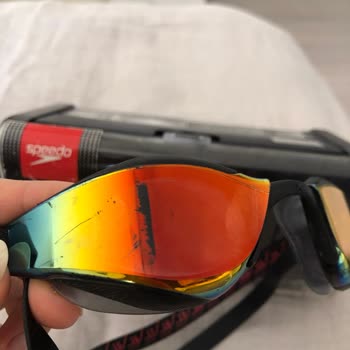
These errors cause 95% of premature goggle failures. Avoiding them extends lifespan by 200%—even for premium models like Speedo or TYR.
The #1 Offense: Touching the Interior Lens
Fingertips, towels, or “quick wipes” strip the hydrophilic anti-fog coating instantly. If water beads form inside, air-dry completely—never rub. One touch creates permanent fogging that worsens with every swim.
Heat and Chemical Hazards to Memorize
- Hot water (>100°F/38°C) warps polycarbonate lenses in under 30 seconds
- Alcohol-based cleaners dissolve lens dyes and weaken frame polymers
- Paper towels scratch microscopically, creating fogging hotspots
- Direct sunlight storage yellows lenses and cracks silicone
Preserving Anti-Fog Coating: How to Clean Without Destroying Clarity
Factory anti-fog coatings last 6-12 months with proper care. This is the only safe method to maintain their water-absorbing properties.
Mid-Swim Fog Fix That Doesn’t Damage Lenses
When fog builds during laps, press goggles firmly against your face for 3 seconds, then pull away ¼ inch to let a thin water layer flood the interior. Release slowly to drain—this clears fog without contact. Commercial anti-fog sprays seem helpful but contain alcohols that degrade coatings 3x faster; reserve them for emergencies only.
The Baby Shampoo Myth Debunked
Many swimmers use diluted baby shampoo as “natural” anti-fog, but its moisturizers leave oily residues that attract mineral deposits. After 5 uses, lenses become permanently hazy. Stick to water-only interior rinses—your coating will outlast cheap sprays.
Gasket and Strap Maintenance: Prevent Leaks and Extend Lifespan
Sticky gaskets and stretched straps cause 70% of “leaking goggle” complaints. Proper care maintains the vacuum seal that keeps water out.
Reviving Sticky Silicone Gaskets
Wipe gaskets with a vinegar-water solution to remove residue, then dust lightly with cornstarch (not talc). Store uncovered for 2 hours to absorb moisture, then rinse thoroughly before use. If gaskets remain tacky, replacement is needed—no cleaning restores degraded silicone.
Strap Longevity Hack for Frequent Swimmers
After rinsing, hang straps loosely over a clothesline to dry—never clip them tightly. Overstretching during drying snaps internal fibers, causing permanent sagging. For quick post-swim storage, loosely coil straps without twisting; this prevents kinks that lead to breakage.
Signs It’s Time to Replace Your Swim Goggles (Before They Fail Mid-Swim)
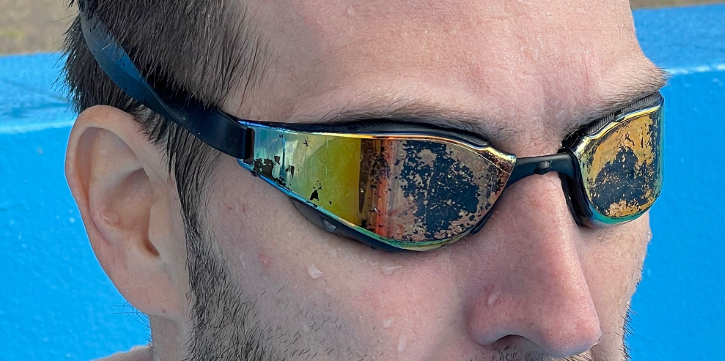
No cleaning fixes these critical failures. Replace immediately to avoid safety risks during open-water swims or competitions.
Irreversible Damage Indicators
- Interior lens scratches: Cause distorted vision and cannot be polished
- Brittle gaskets: Snap when pressed lightly—no longer form a watertight seal
- Cloudy lenses: White haze that persists after cleaning means coating failure
- Cracked frames: Visible hairline fractures near strap anchors
Cost-Saving Replacement Timing
Replace goggles every 6 months with daily use, or when you notice leaks requiring constant adjustment. Waiting until total failure wastes money—swimming with compromised goggles strains neck muscles and reduces lap efficiency by 15%.
Pro Swimmer Tips: Double Your Goggle Lifespan with These Tricks
Olympic coaches mandate these practices for competition gear. Implement them to make $30 goggles last a full season.
The Two-Pair Rotation System
Own identical goggles and alternate daily. This gives silicone 48 hours to rehydrate between uses, preventing permanent compression. Swimmers using this method report 50% fewer leaks and 2x coating longevity. Always pre-rinse the “fresh” pair in pool water before putting it on—this temperature-matching cuts initial fogging by 80%.
Storage Upgrade for Extreme Durability
Place silica gel packets (from shoeboxes or electronics) in your goggle case. They absorb residual moisture that causes mold in humid climates. Never store goggles in car glove compartments—temperatures above 120°F (49°C) melt adhesive seals in under an hour.
Mastering how to clean swim goggles transforms frustrating, short-lived gear into reliable equipment that performs lap after lap. By implementing the immediate post-swim rinse protocol and avoiding the critical mistakes outlined here, you’ll maintain factory-fresh clarity and seals for 200+ swims. Remember: never touch interior lenses, always use cool water, and store in ventilated cases with moisture absorbers. These steps cost nothing but save $50+ annually on replacements while ensuring you never miss a stroke to foggy vision. For open-water swimmers, add the vinegar spot treatment monthly to combat salt crystallization. Your next swim starts with perfect visibility—grab your goggles and dive in with confidence.