Nothing ruins a perfect powder day faster than fogged or scratched snowboard goggles. When your vision blurs during high-speed turns or in challenging conditions, it’s not just frustrating—it’s dangerous. Learning how to clean snowboard goggles properly preserves your vision, extends gear lifespan, and keeps you safe on the mountain. This guide delivers the exact cleaning protocol used by professional riders and technicians, so you can maintain crystal-clear vision run after run, season after season.
Most riders accidentally destroy their goggles’ anti-fog coating within the first few uses by wiping the interior lens. The delicate gel-like coating on the inside surface requires specific handling that differs completely from regular eyewear. Following the wrong cleaning method can permanently damage your investment and compromise your safety when visibility matters most. By the end of this guide, you’ll know precisely how to clean your snowboard goggles without damaging critical coatings, how to restore foggy lenses, and how to extend your gear’s lifespan by 2-3 seasons.
Why Wiping Your Goggle Lens Creates Permanent Fogging Issues
Your snowboard goggles contain specialized anti-fog technology that most riders unknowingly destroy through improper cleaning. Smith Optics and other premium brands use dual-layer anti-fog coatings that become vulnerable when saturated with moisture. When you wipe the interior lens—even with a microfiber cloth—you’re creating microscopic scratches in this gel-like coating. These tiny abrasions accumulate until the coating fails completely, causing persistent fogging that no amount of wiping can fix.
The interior lens surface isn’t designed for physical contact. Unlike the exterior, which has anti-scratch treatment, the inside relies on a delicate hydrophilic layer that spreads moisture evenly. Once compromised, this coating cannot regenerate. This explains why your new goggles performed perfectly on day one but fog constantly after just a few weeks of riding. Proper cleaning avoids all physical contact with the interior surface, preserving this critical technology that keeps your vision clear during intense sessions.
Your Essential Snowboard Goggle Cleaning Kit Checklist

Assembling the right tools prevents accidental damage during cleaning. Using improper materials is the number one cause of premature goggle failure.
- Lukewarm water only: Cold water won’t remove oils effectively, while hot water can degrade lens adhesives and seals. The ideal temperature feels slightly warm to your wrist.
- Distilled water for final rinse: Tap water leaves mineral deposits that create permanent water spots on lenses.
- Dedicated microfiber cloth: Use a cloth specifically for goggles that’s free from embedded debris. Never use the same cloth for your helmet or other gear.
- Optional: Mild unscented soap: Only for stubborn grime, and must be completely rinsed off—any residue attracts more dirt.
- Goggle-specific lens cleaner: For emergency field cleaning only, never use household glass cleaners that contain ammonia.
Exactly How to Clean Snowboard Goggles Without Damaging Coatings

Follow this precise method after every ride to maintain optical clarity and prevent coating degradation.
1. Remove Surface Debris Before Water Contact
Gently shake your goggles to dislodge loose snow and use a soft-bristled brush (a clean toothbrush works perfectly) to remove dried salt deposits around the foam. This critical first step prevents you from grinding abrasive particles into the lens during rinsing. Never wipe snow or ice off the lens with your glove—that’s the fastest way to create permanent micro-scratches.
2. The 60-Second Rinse Protocol for Anti-Fog Preservation
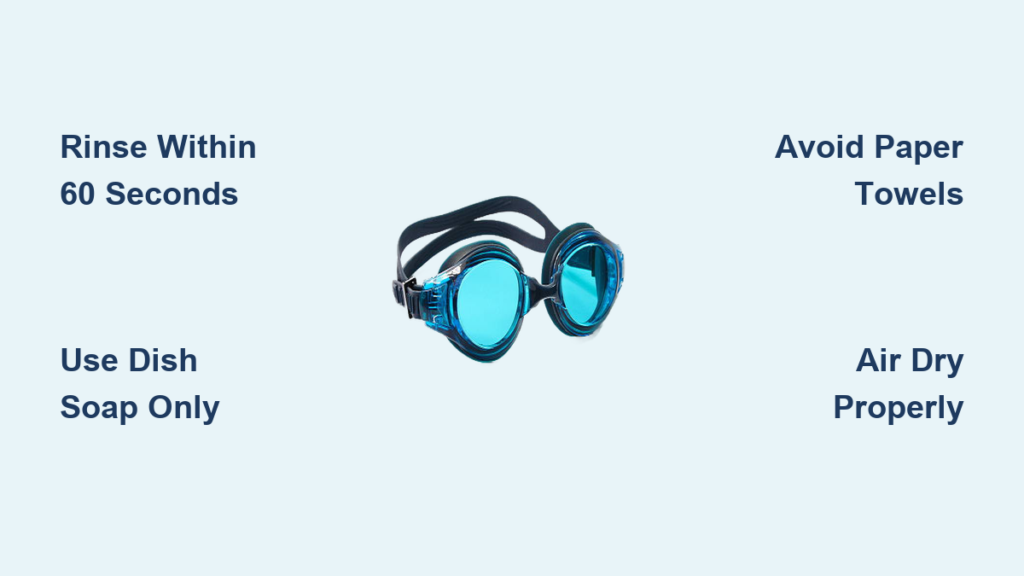
Hold your goggles under a gentle stream of lukewarm water for exactly 60 seconds, ensuring complete coverage of both interior and exterior surfaces. For Smith goggles with Porex filters (those small black holes with white dots), cover these outlets with your fingertip during rinsing to prevent water intrusion into the foam. This precise timing effectively removes oils without oversaturating the delicate anti-fog coating, which becomes vulnerable when waterlogged.
3. Proper Drying Technique That Prevents Water Spots
Shake your goggles vigorously for 5-7 seconds to remove excess water, then place them lens-down on a clean microfiber towel in a well-ventilated area. Never wipe the interior lens—this is the single most destructive action for anti-fog coatings. For faster drying, position a fan 3 feet away to circulate air without forcing water into sealed areas. Complete drying typically takes 30-45 minutes with airflow, versus several hours without.
4. Final Exterior Polish for Maximum Clarity
Once completely dry, use a clean microfiber cloth to gently polish the outer lens in circular motions. Focus only on the exterior surface—never touch the interior with cloth or fingers. This final step removes any remaining water spots while preserving the anti-scratch coating. Store your clean goggles in the protective hard case immediately to prevent accidental damage.
How to Deep Clean Goggle Foam and Straps Without Damage
Most riders ignore foam maintenance until mold develops, but proper care extends foam life by 200%.
- Foam cleaning: For stubborn sweat stains or odors, use a 1:3 vinegar-to-water solution on a soft cloth to spot-clean the foam. Never submerge the foam—this pushes moisture into the goggle frame. Allow at least 2 hours drying time before use.
- Strap maintenance: Remove the strap from the goggle frame and hand-wash with mild detergent. For machine washing, place in a mesh laundry bag and use cold water only. Never tumble dry—air dry flat away from direct heat.
- Mold prevention: After each ride, store goggles in a well-ventilated area, not in your gear bag where trapped moisture breeds mold. Replace foam every 2-3 seasons as its moisture-wicking properties degrade over time.
Critical Snowboard Goggle Cleaning Mistakes That Ruin Your Gear
Avoid these common errors that permanently damage your investment:
- Never use alcohol-based cleaners—they dissolve anti-fog coatings within minutes
- Don’t wipe lenses with gloves or clothing—these contain abrasive particles that scratch lenses
- Avoid hot car storage—temperatures over 100°F warp frames and accelerate foam deterioration
- Never use compressed air—this forces moisture into sealed areas causing delamination
- Don’t leave goggles lens-down on surfaces—even soft snow contains abrasive particles
When to Replace Components vs. Clean
Knowing when cleaning won’t fix the problem saves time and money:
- Replace lenses when fogging occurs within 10 minutes of normal use—no cleaning can restore degraded anti-fog coatings
- Change foam padding when it takes more than 5 seconds to rebound after compression
- Upgrade straps when elasticity loss exceeds 30% of original tension
- Consider professional recoating only for premium goggles where replacement lenses cost 50% of new goggles
Pro Maintenance Schedule for Season-Long Clarity
Implement this routine to maximize goggle performance:
- After every ride: Rinse with fresh water, shake vigorously, and air dry
- Weekly during season: Deep clean foam with vinegar solution and inspect for micro-scratches
- End of season: Perform full cleaning, ensure complete drying, and store in hard case away from UV light
Following this precise how to clean snowboard goggles protocol preserves your vision and safety while extending equipment life. Remember that proper drying technique matters more than the cleaning solution—you can ruin expensive goggles with improper drying even after using perfect cleaning methods. When in doubt, skip the cloth entirely and let water do the work. Your future self will thank you when your goggles perform like new season after season, keeping your vision clear when navigating challenging terrain. Clear vision isn’t just convenient—it’s your most important safety equipment on the mountain.