That milky film appearing the second you dive in—goggle fogging ruins training sessions, sabotages race times, and turns a refreshing swim into a frustrating obstacle course. When warm, moist air from your face meets the cooler lens surface, condensation forms instantly, blurring your vision of the pool bottom or open water. This universal swimmer’s nightmare affects everyone from casual pool-goers to Olympic athletes, but the solution isn’t magic—it’s science-backed strategy. You’ll discover exactly how to prevent goggles from fogging swimming through field-tested techniques that create a fog-resistant lens surface. We’ll cut through the myths and deliver actionable methods verified by competitive swimmers and triathletes, so you can dive in with crystal-clear vision every single time.
Why Your Goggles Fog Up the Moment You Hit the Water
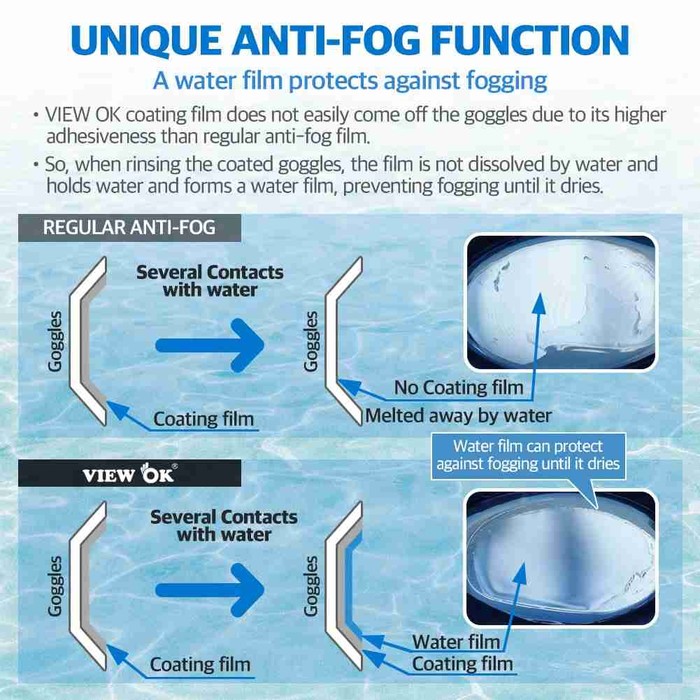
Fogging isn’t random—it’s physics in action. When your warm face (typically 90-95°F) meets the cooler lens surface (often 70-80°F in pools), moisture in your breath and sweat condenses into tiny water droplets. These droplets scatter light, creating that opaque film blocking your view. The problem worsens in specific conditions: cold air with warm pool water creates extreme temperature differentials, while saltwater leaves microscopic crystals that accelerate fogging. Crucially, new goggles often have a factory-applied silicone coating designed to protect lenses during shipping—but this same coating attracts moisture and guarantees fogging. Understanding these triggers is your first step toward fog-free swimming.
The Cold Air, Warm Water Fog Trap Explained
Triathletes face this nightmare at race starts: chilly morning air meets heated open water. Your face heats the air pocket inside the goggles, causing immediate condensation on the colder lens. This “temperature shock” creates instant fog the moment you enter the water. The solution? Splash cool water on your face for 30 seconds before putting on goggles. This reduces the temperature gap between your skin and the lens, delaying condensation. For open-water swimmers, a pre-race dip in shallow water acclimates your face faster than splashing alone.
Factory Coatings: The Hidden Fog Culprit
That pristine new pair straight from the box? It’s primed to fog. Manufacturers apply waxy silicone coatings to prevent scratches during shipping—unfortunately, this same layer repels water unevenly, creating perfect fog conditions. Plastic lenses need gentle soap treatment to remove this coating, while tempered glass (in snorkel masks only) requires special polishing. Ignoring this step means even the best anti-fog methods will fail within minutes. Your first swim with new goggles must include coating removal—otherwise, you’re fighting a losing battle.
Pre-Swim Face Cooling: The Critical First Step to Stop Fog
Temperature control starts before goggles touch your face. This 30-second ritual reduces the core cause of fogging: the heat differential between your skin and the lens. Skipping it guarantees fog, even with perfect anti-fog treatment.
Splash-and-Submerge Face Acclimation Technique
Do this immediately before putting on goggles: Cup pool water and splash your forehead, cheeks, and nose for 20-30 seconds. For maximum effect, submerge your face completely for 10 seconds. This drops your skin temperature closer to the water temperature, minimizing the condensation trigger. Competitive swimmers in cold-weather triathlons use this method during pre-race warmups—it’s why their goggles stay clear while others struggle. Never skip this step if air temperatures are below 70°F—the colder the air, the more critical this becomes.
Goggle Timing: When to Put Them On (and Never Remove)
Put goggles on while standing dry on the pool deck, not after entering the water. This allows the goggle seal to form against your cooled skin, creating a stable microclimate. Crucially, never lift goggles mid-swim to “air them out”. Removing them floods the interior with humid air, causing instant, severe fogging when resealed. If fog starts, tilt your head sideways underwater and let a tiny stream of pool water rinse the lenses—this clears fog without breaking the seal.
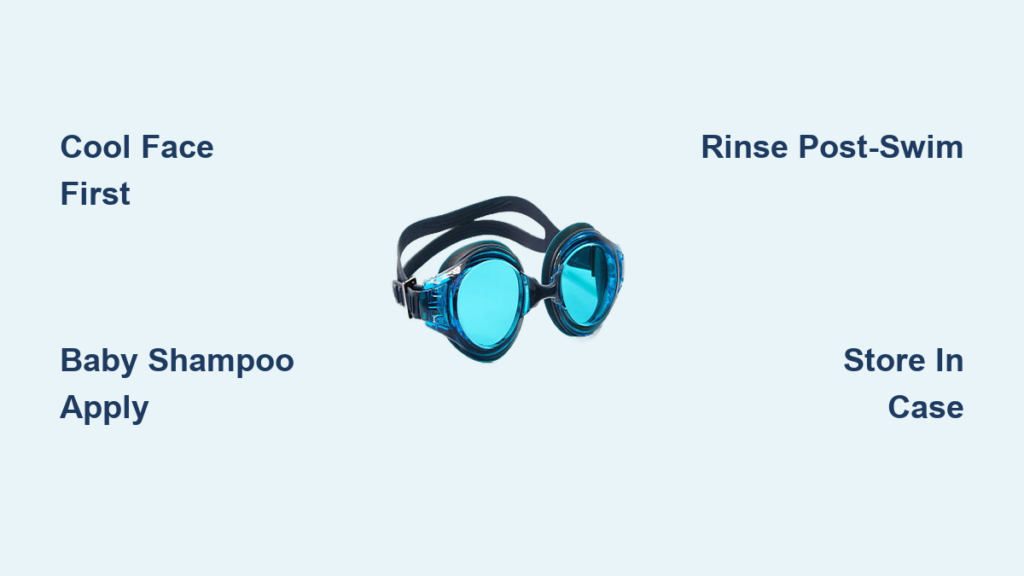
Apply Baby Shampoo Correctly: The Triathlete’s Fog Fix
Baby shampoo reigns supreme for frequent swimmers. Its mild, non-irritating formula creates a durable anti-fog film that outlasts saliva and avoids the abrasion risks of toothpaste. This method works for 95% of swimmers across all water types.
Step-by-Step Baby Shampoo Application
- Use dry, clean lenses: Wipe inside lenses with a microfiber cloth
- Apply one drop: Place Johnson’s No More Tears on index finger
- Spread thinly: Rub in circular motions across entire inner lens surface
- Rinse minimally: Swish in pool water for 3 seconds—never tap water
- Don immediately: Place on cooled face before water film evaporates
The key is the ultra-thin film left after rinsing. Too much shampoo causes stinging; too little provides no protection. For races, apply 15 minutes pre-swim to let the film set. Triathletes report 2+ hours of clarity even in saltwater—a game-changer for long-distance events.
Toothpaste on Goggles? Only If They’re Tempered Glass

This is the most dangerous myth in swimming. Toothpaste will permanently destroy plastic or polycarbonate goggles—the type 99% of swimmers use. The abrasives scratch lenses at a microscopic level, creating permanent fog points. Swimmers who’ve ruined goggles this way describe “permanent milky haze” that no treatment fixes.
When Toothpaste Is Actually Safe (and How to Do It)
Only use toothpaste on TEMPERED GLASS lenses (found in snorkel/diving masks, never standard swim goggles). These thicker lenses withstand gentle polishing to remove factory coatings:
- Choose non-gel, non-whitening toothpaste (Colgate Regular)
- Apply pea-sized amount to dry lens
- Polish in tiny circles for 60 seconds with cotton swab
- Rinse thoroughly for 2 minutes under running water
Repeat this ONLY once—over-polishing thins glass lenses. For plastic goggles? Baby shampoo or commercial sprays are your only safe options. When in doubt, assume your goggles are plastic and avoid toothpaste completely.
Post-Swim Rinse: The 10-Second Habit That Saves Goggles
What you do after exiting the water determines your goggles’ fog resistance for the next swim. Chlorine, salt, and body oils degrade anti-fog coatings if left untreated.
The Essential Freshwater Rinse Protocol
Immediately after every swim: Hold goggles under lukewarm running water for 10 seconds, tilting to flush all pool chemicals from the seal and lenses. Never use hot water—it warps straps and damages coatings. For saltwater swims, extend rinsing to 20 seconds to remove crystal residues that accelerate fogging. Critical mistake: Drying lenses with towels or shirts. Instead, place goggles lens-side-up on a clean towel and let air-dry completely before storage.
Hard Case Storage: Non-Negotiable for Fog Prevention
Storing goggles loose in your bag guarantees scratched lenses—the #1 cause of permanent fogging. Scratches create microscopic pits where moisture collects and fogs. Always store in a rigid case with the lenses facing up. Never stack goggles on top of each other. This simple habit doubles the lifespan of your anti-fog coating and prevents the “permanent fog” that signals replacement time.
Choosing Your Anti-Fog Method by Swim Frequency and Type

Your swimming routine dictates the optimal fog solution. Using the wrong method wastes time and risks lens damage.
Daily Lap Swimmers: Baby Shampoo Routine
For pool regulars, apply baby shampoo every 3-4 swims. The consistent, gentle film builds residual protection without residue buildup. Keep a travel-sized bottle in your gear bag—no special equipment needed. This outperforms commercial sprays for daily use by avoiding chemical degradation of lens coatings over time.
Triathletes and Open Water Swimmers: Commercial Anti-Fog Priority
For race day reliability, use FogKicker or Sea Drops anti-fog drops. Apply 20 minutes pre-race after baby shampoo base treatment. These create a hydrophilic layer that actively spreads moisture into an invisible film—critical when sweat from wetsuits accelerates fogging. Test any commercial product in training first; some cause stinging in saltwater.
When to Replace Goggles: Permanent Fog Solutions
Anti-fog treatments can’t fix physical damage. Recognize these failure signs:
- Scratched lenses: Visible hairline cracks on inner surface (even under bright light)
- Coating failure: Anti-fog treatments last <5 minutes regardless of method
- Milky haze: Permanent cloudiness that doesn’t wash off
Do not waste time on treatments if these appear. Scratches create permanent condensation sites that no anti-fog method can overcome. Replace goggles immediately—safety depends on clear vision. High-end models like Speedo Vanquisher 2.0 include reinforced anti-fog coatings lasting 6+ months with proper care.
Final Note: Mastering how to prevent goggles from fogging swimming starts with understanding the science, not superstition. Implement the baby shampoo method with precise face cooling before every swim, store goggles in a hard case, and replace them when scratches appear. For race day, layer commercial anti-fog over your shampoo base treatment. Remember: never touch inner lenses with fingers (skin oils destroy coatings), never use toothpaste on plastic goggles, and always rinse in fresh water post-swim. These 10 field-tested methods—used by Olympic training squads and triathlon champions—guarantee fog-free vision from your first lap to your last. Your clearest swim starts now.