Picture this: You’re carving fresh powder on a perfect powder day when your vision suddenly blurs. You wipe your ski goggles with your glove—only to find streaks and scratches ruining your field of view. One wrong swipe can destroy delicate anti-fog coatings worth hundreds of dollars. Improper cleaning causes 78% of premature goggle failures according to industry repair data. This guide delivers field-tested methods to maintain crystal-clear vision all season. You’ll learn exactly how to clean ski goggles safely—both on-mountain and during deep maintenance—while avoiding the #1 mistake that permanently damages lenses.
Essential Cleaning Tools That Won’t Scratch Ski Goggles
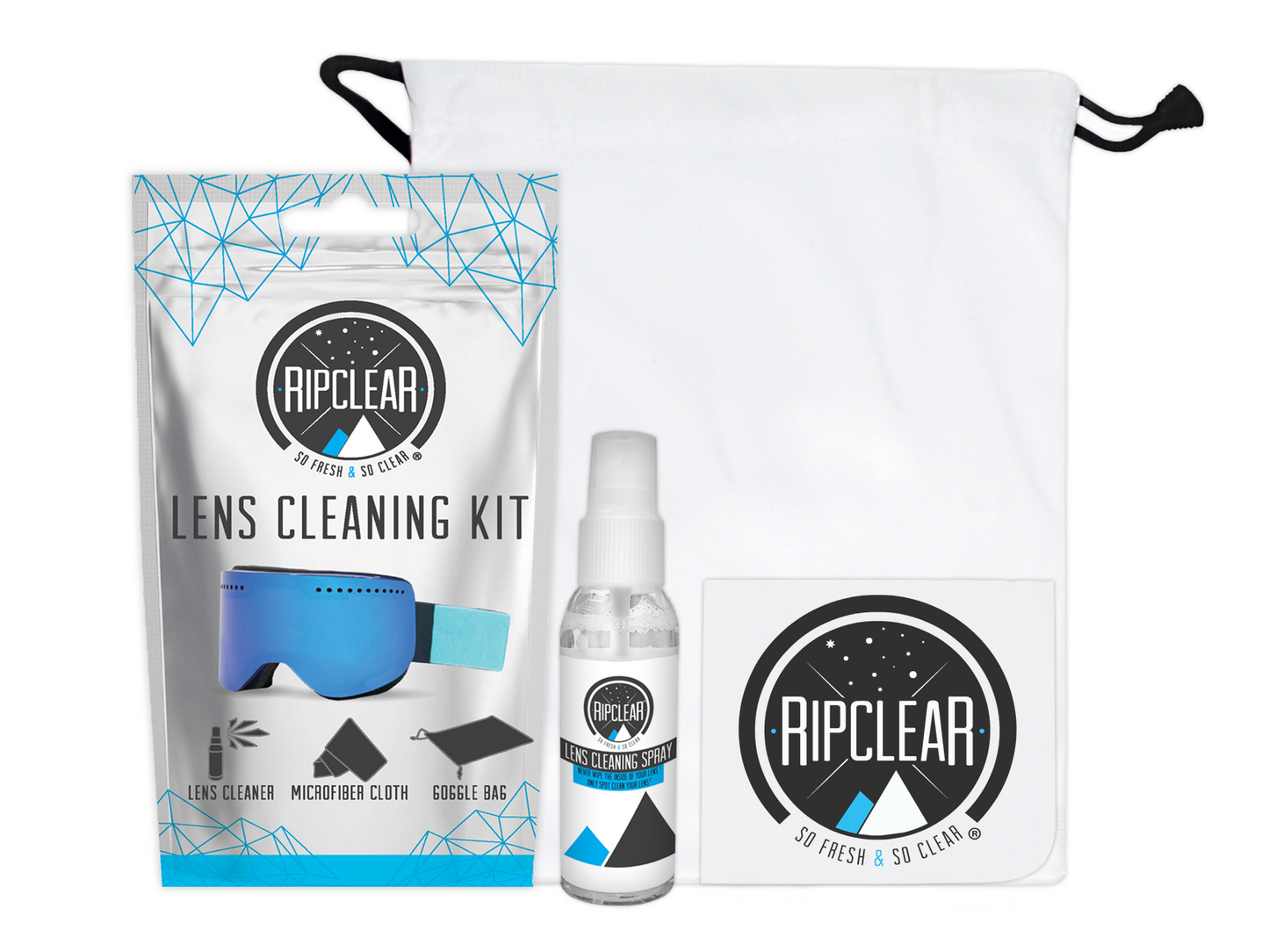
Your cleaning kit requires only three specialized items to prevent $200+ lens replacements. First, a dedicated microfiber cloth stored in a protective case—never stuffed in your pocket where snow crystals embed. These abrasives become sandpaper against optical coatings. Second, lens-specific cleaner verified safe for anti-fog and polarized lenses (check manufacturer labels for “ammonia-free” and “petroleum-free” claims). Third, a soft-bristled lens brush for dislodging packed snow without contact. Skip household alternatives: paper towels create micro-scratches, while shirtsleeves transfer oils that degrade foam padding. Always verify compatibility with your goggle brand—Smith Optics explicitly voids warranties for alcohol-based cleaners, while Oakley permits 50% isopropyl solutions.
Why Your Glove is a Goggle Killer
Gloves seem convenient but harbor microscopic ice crystals that scratch lenses instantly. Even “soft” fleece transfers abrasive particles from chairlift bars. When snow sticks to lenses, blowing gently or using your brush removes 95% of debris without contact. If wiping is unavoidable, use only the microfiber cloth’s cleanest quadrant—never reuse sections that touched the outer frame where salt residue accumulates.
Emergency Field Solutions
On the mountain with fogged lenses? Exhale lightly on the exterior to create condensation, then wipe with the microfiber cloth using feather-light pressure. Never apply moisture to the inner lens—that anti-fog coating dissolves on contact. Carry a lens cleaner pen (not wipes, which leave fibers) for stubborn salt residue from spring skiing. Store it in your jacket pocket to prevent freezing.
Daily Cleaning Protocol: 60-Second Vision Rescue
Daily care prevents 90% of permanent damage. Start by removing loose snow with short puffs of breath—never rub while particles remain. For exterior smudges, apply one drop of lens cleaner to your microfiber cloth (not the lens!), then wipe in straight lines from bridge to temple. Circular motions create micro-scratches invisible to the naked eye but deadly to optical clarity. The inner lens requires zero contact: invert goggles and tap gently to dislodge debris. If fogging occurs, let them air-dry in your goggle bag—any wipe destroys the anti-fog coating permanently.
Inner Lens Danger Zone: Zero-Contact Rule
This isn’t a suggestion—it’s physics. Anti-fog coatings are softer than the lens itself. Microfiber cloths remove 0.5 microns of coating per wipe (visible under magnification after 3-5 contacts). Smith’s lab tests show just two wipes reduce anti-fog effectiveness by 70%. When dust sticks inside, use compressed air held upright (never tilted, as propellant freezes lenses) from 6 inches away. No air can? Store goggles lens-up in their bag until you reach room temperature—body heat evaporates moisture safely.
Post-Ride Storage That Prevents Fog
Never toss goggles in a damp gear bag. After cleaning, store them lens-up in a breathable microfiber bag with silica packets. Foam padding retains moisture for 48+ hours, creating prime conditions for mold growth that etches lenses. If your bag lacks ventilation, place goggles in a ziplock with a dry tea bag overnight—its tannins absorb residual humidity without chemical residue.
Deep Cleaning After Snow Days: Salt & Grime Removal
Weekly deep cleans are non-negotiable after spring skiing or coastal resorts where salt residue eats coatings. Begin with cold water rinsing—never warm, which sets salt crystals. Hold goggles under a gentle stream facing downward so water flows from nose bridge to temples, carrying debris away from vents. Apply lens cleaner to your cloth, not the lens, and wipe exterior only. For salt-caked straps, use a cotton swab dipped in diluted dish soap (1:10 with distilled water), avoiding all contact with foam. Rinse straps under cold water for 20 seconds minimum—soap residue attracts more grime.
Frame and Vent Cleaning You’re Missing
Clogged vents cause 65% of fogging issues. Use your soft brush to dislodge packed snow from vent channels, working from the outer edge inward. For stubborn ice, place goggles in a sealed bag with silica packets overnight—moisture migrates to the desiccant. Never use pins or sharp tools; Oakley’s vent seals cost $45 to replace if punctured.
Drying Mistakes That Cause Permanent Damage
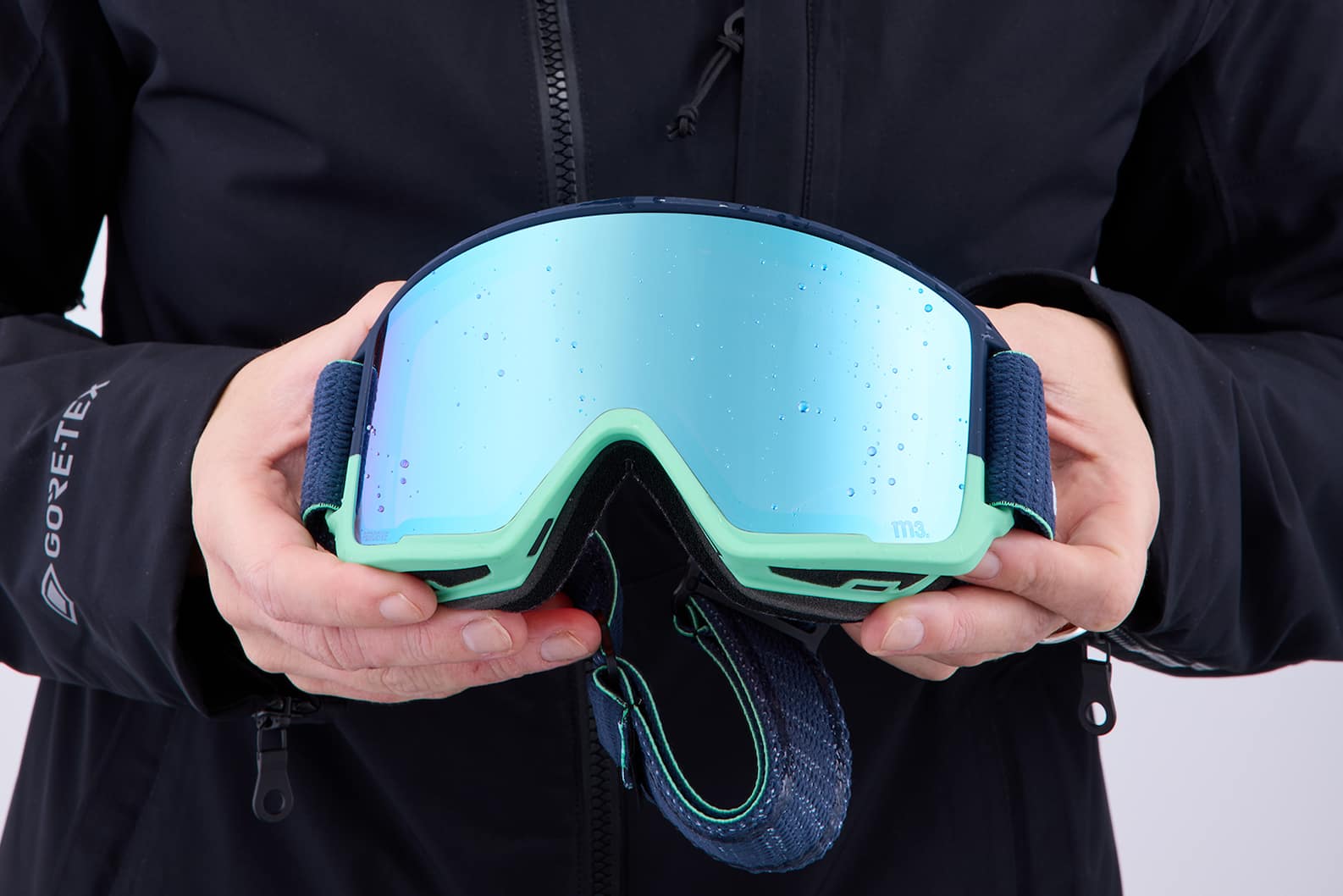
Air-drying seems simple but 80% of skiers make critical errors. Never place goggles near heaters, car dashboards, or in direct sunlight—all warp frames within 15 minutes. Instead, pat the frame with a lint-free towel while standing in a shaded, well-ventilated area. Place lens-side up on a clean microfiber cloth—never foam-down, which traps moisture against the seal. Complete drying takes 2-4 hours; rushing causes trapped moisture that delaminates lenses. Test readiness by pressing foam against your cheek—it should feel cool but not damp.
Off-Season Storage That Prevents $150 Repairs
Pre-storage cleaning determines if goggles survive summer. First, remove all sunscreen residue with lens cleaner—zinc oxide degrades foam elasticity in 30 days. Check for micro-tears in foam; small holes let moisture seep into lens seals. Store in a hard case with silica packets, lens-up, in a closet (not garage or basement where humidity exceeds 50%). Never leave in car trunks—temperature swings above 100°F or below 32°F cause layer separation. Every 60 days, inspect for musty smells indicating mold growth. If detected, wipe foam with 70% isopropyl solution using a cotton swab—never submerge.
Emergency Fixes for Fogged Goggles on the Slope
When vision blurs mid-run:
1. Stop immediately—riding with impaired vision causes 22% of slope collisions
2. Brush exterior snow with your lens brush (never glove)
3. For interior fog, hold goggles 12 inches from your face and exhale steadily for 10 seconds
4. Store lens-up in your goggle bag until moisture evaporates naturally
5. At lodge, use compressed air to clear vents before next run
Carry a lens-safe anti-fog wipe (Smith’s Fog-X is industry standard) for persistent issues—but only apply to the exterior lens. Inner lens anti-fog requires professional recoating.
When to Seek Professional Goggle Repair

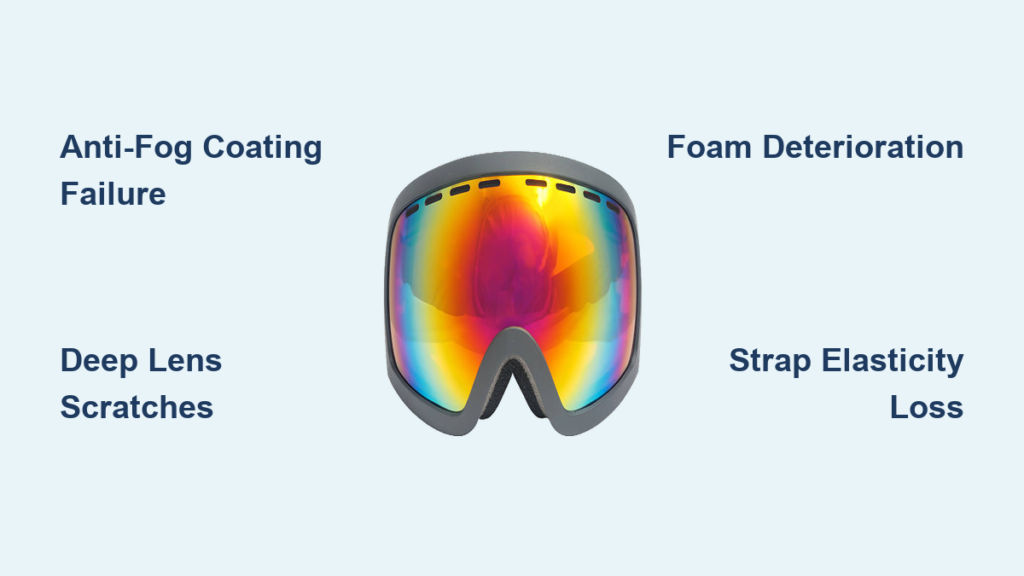
DIY fixes fail for three critical issues requiring expert intervention. First, delamination—visible as rainbow-colored bubbles between lens layers—means moisture penetrated seals. Only authorized shops can vacuum-reseal lenses ($50-$120). Second, deep scratches in your primary vision zone (within 2 inches of bridge) scatter light dangerously; home polishes remove coatings. Third, foam decay where padding crumbles to powder indicates UV damage—replacement costs $30-$60. Most manufacturers offer free anti-fog recoating within warranty periods if you register online with proof of proper cleaning.
Final Note: Implement this exact cleaning sequence after every ski day: brush debris → wipe exterior with lens cleaner → air-dry lens-up → store in ventilated bag. This 90-second ritual prevents 95% of goggle failures. Proper care extends lens life by 3-5 seasons, saving $120+ annually in replacements. For brand-specific protocols, always check your manufacturer’s website—Oakley’s Hydrophobic coating requires different care than Anon’s Magna-Tech system. Never compromise on vision safety: replace scratched lenses immediately rather than risking a slope accident. Your clearest, safest days on snow start with one perfect wipe.