You’re driving west on a sunny afternoon, squinting as blinding glare bounces off the road ahead. Or you’re fishing on a calm lake, unable to see beneath the shimmering surface. In moments like these, regular sunglasses just aren’t enough. That’s where polarized sunglasses come in, engineered not just to darken the world but to eliminate glare at its source.
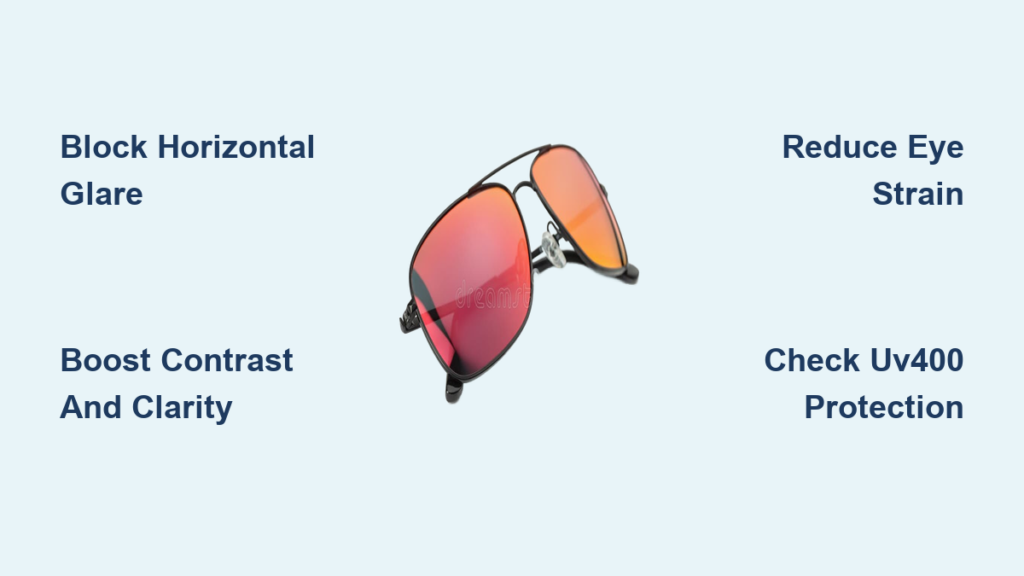
But how do polarized sunglasses work? Unlike standard tinted lenses that reduce overall brightness, polarized lenses use advanced optical science to block only the harsh, reflected light that impairs vision. They contain a special filter that stops horizontally polarized glare, light waves bouncing off flat surfaces like water, glass, or pavement, while allowing useful vertical light to pass through.
The Science Behind Light Polarization

Why Natural Light Becomes Polarized
Sunlight starts out unpolarized, meaning its light waves vibrate in all directions: up, down, side to side, and diagonally. But when it hits a smooth, flat surface like water, asphalt, or a car hood, something changes. The reflection process filters the light, favoring waves that vibrate horizontally.
This phenomenon is governed by the Fresnel equations, which describe how light behaves at the boundary between two materials. At a specific angle called the Brewster angle, approximately 53 degrees from the normal for water, reflected light becomes fully horizontally polarized. This occurs most often when the sun is low, around mid-morning or mid-afternoon, making polarized sunglasses most effective during these times.
How Glare Impairs Vision
Horizontally polarized glare isn’t just annoying. It washes out colors and contrast, hiding critical details like underwater rocks or icy road patches. It forces your eyes to work harder, leading to fatigue and headaches. Polarized lenses don’t block all light. They surgically remove only the disruptive horizontal waves, preserving the vertical ones that carry real visual information.
How Polarized Lenses Filter Glare
The Polarizing Filter Explained
At the heart of every polarized lens is a thin polyvinyl alcohol film, stretched and treated with iodine to align its long-chain molecules in a single direction, horizontally. Think of it like a picket fence. Vertical light waves pass through the gaps between the slats. Horizontal waves are absorbed by the aligned chains. This creates a vertical transmission axis, letting only vertically oscillating light reach your eyes.
Manufacturing Process Steps
The polarizing filter goes through a precise manufacturing process. First, PVA film is heated and stretched to orient the molecules in one direction. Next, the film is doped with iodine to make it light-absorbing along the aligned chains. Then, the filter is sandwiched between protective layers, typically triacetate cellulose or polycarbonate. Finally, added coatings include anti-scratch for durability, hydrophobic to repel water, oleophobic to resist fingerprints, and anti-reflective on the back to prevent internal bounce.
Visual Analogies That Make Polarization Clear

The Venetian Blind Model
Imagine your lens as a set of vertical blinds. Light vibrating up and down slips right through the slats. But light shaking side to side hits the slats and gets blocked. That’s polarization in action, directional filtering at work.
The Mattress-in-the-Doorway Trick
Try carrying a mattress through a doorway. Held flat, it won’t fit. But rotate it vertically, and it slides through easily. Similarly, vertically polarized light fits through the filter. Horizontal light is turned away.
The Fence Analogy
The aligned molecules act like a fence, stopping glare that shakes sideways while allowing useful light to come through. These models help explain why rotating a polarized lens can make glare appear or disappear, because you’re changing how its slats align with the incoming light.
Key Benefits of Polarized Lenses
Eliminate Blinding Surface Glare
Polarized lenses can block up to 99% of reflected glare from water, snow, wet roads, car hoods, and windshields. This is crucial for safety and comfort, especially during long drives or outdoor sports.
Boost Contrast and Clarity
By removing scattered light, polarized lenses reveal hidden textures and contours. Colors appear richer and more vivid. Object recognition improves in complex environments. Anglers can finally see fish beneath the surface instead of just a mirror-like sheen.
Improve Depth Perception
With glare out of the way, your brain gets clearer visual cues. This helps you judge distances more accurately, spot drop-offs in water, and identify icy patches on roads. Skiing, boating, and cycling all become safer and more enjoyable.
Reduce Eye Strain and Fatigue
Without glare forcing constant squinting, your eyes stay relaxed. Users report less squinting, fewer headaches, and improved comfort during extended sun exposure. This makes polarized sunglasses ideal for long drives, days on the water, or all-day outdoor work.
Best Activities for Polarized Sunglasses
Fishing: See Beneath the Surface
On calm water, glare acts like a mirror. Polarized lenses cut through it, allowing you to spot fish, rocks, and structure, track bait movement, and cast more accurately. This is essential for fly fishing and sight casting.
Driving: Safer Vision on the Road
Wet pavement, car hoods, and windshields all reflect polarized glare. These lenses enhance contrast for lane markings and signs, reduce blinding reflections, and minimize eye fatigue on long trips.
Boating and Kayaking: Clearer Water Views
On the water, glare can hide navigation hazards. Polarized sunglasses help you see submerged logs or rocks, track waves and currents, and read buoys and shoreline markers.
Skiing and Snowboarding: Beat Snow Blindness
Fresh snow reflects up to 80% of sunlight, much of it horizontally polarized. These lenses block intense glare, improve terrain recognition, and help spot icy patches before you hit them.
Lens Tints: Matching Color to Conditions
Polarization is independent of tint, but the color you choose affects performance.
Gray tint works best for bright, sunny days, delivering neutral color and true vision. Brown or amber tint excels in overcast conditions and water sports, boosting contrast and warming hues. Green tint provides all-purpose balanced tone with good clarity, ideal for urban use. Yellow or rose tint brightens scenes in low light, perfect for dawn and dusk but too bright for sunny days.
Darker tint does not mean better polarization. A light yellow lens can still be fully polarized.
Critical Limitations to Know
LCD and Digital Screen Interference
Most smartphones, GPS units, and car dashboards use polarized displays. When viewed through polarized lenses, screens may go dark or black, colors may shift, and visibility drops at certain angles. Tilting your head or rotating the device usually restores visibility.
Reduced Visibility on Icy Roads
While glare is usually a problem, it can be helpful. On icy roads, glare reveals slick patches. Polarized lenses may remove this cue, making hazards harder to spot.
Less Effective at High Sun Angles
When the sun is directly overhead at noon, reflections are less polarized. The lenses still help, but peak performance occurs when the sun is lower, in early morning or late afternoon.
Useless on Rough or Textured Surfaces
Choppy water, gravel roads, or uneven snow scatter light in all directions. Polarization works best on smooth, flat surfaces where glare is uniformly horizontal.
Polarization vs. UV Protection: Do Not Be Fooled

A common myth equates polarized with UV protection. This is false. Polarization blocks glare. UV protection blocks harmful UVA and UVB rays. These are separate features.
UV damage leads to cataracts, macular degeneration, and sunburned eyes. To stay safe, look for 100% UV protection or UV400, which blocks light up to 400 nanometers. High-quality brands build UV protection into the lens material, not just as a surface coating that can wear off.
How to Test If Your Sunglasses Are Polarized
Smartphone Screen Test
Hold your sunglasses in front of a lit phone screen. Slowly rotate them 90 degrees. If polarized, the screen will darken significantly at one angle. If not polarized, there is no change in brightness.
Crossed Polarizer Test
Use two pairs of polarized sunglasses. Look through one, hold the other in front. Rotate the front lens. At 90 degrees, the view should go nearly black. At 0 degrees, you get full brightness.
Reflection Test
Look at a reflective surface like a car hood or water. Rotate the glasses sideways. If polarized, glare decreases when upright and increases when tilted. If not polarized, there is no change.
Beyond Sunglasses: Other Uses of Polarization
3D Movies
Modern 3D cinemas project two images, one vertically polarized and one horizontally or circularly polarized. Your glasses have matching filters, so each eye sees only its intended image. Your brain fuses them into 3D with full color and no ghosting.
Photography
Circular polarizing filters on camera lenses darken blue skies, reduce reflections in water and glass, and boost color saturation in landscapes. Photographers use them to capture scenes closer to what the eye sees without glare.
Scientific and Industrial Tools
Polarization is used in polarizing microscopes to study crystals and minerals, ellipsometry to measure thin film thickness, and stress analysis in plastics and glass. It’s a fundamental tool in materials science and engineering.
How to Choose the Right Polarized Sunglasses
Verify Real Polarization
Use the smartphone test before buying. Avoid cheap sunglasses that claim to be polarized but aren’t.
Confirm UV400 Protection
Check the label. Never assume UV protection is included. You need explicit UV400 or 100% UV protection labeling.
Pick the Right Tint
Gray works best for bright sun and true color. Brown or amber is great for water and enhances contrast. Green is balanced, good for everyday wear. Yellow is for low light only, not bright sun.
Consider Frame Style
Wraparound frames block side glare. Larger lenses cover more field of view. Both are ideal for driving, cycling, and water sports.
Caring for Your Polarized Sunglasses
Cleaning Tips
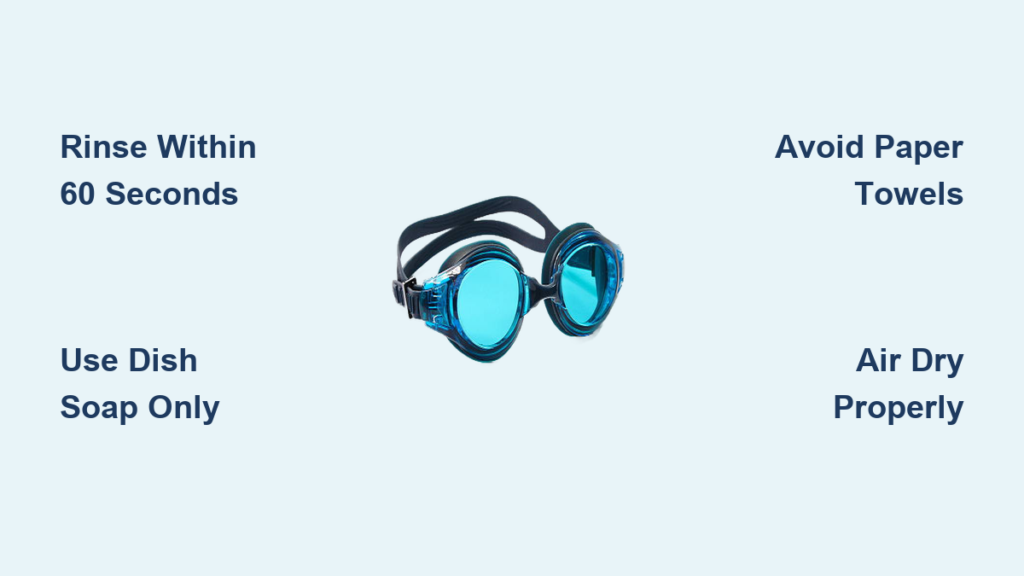
Use a microfiber cloth and lens-safe cleaner. Rinse with water if dirty. Avoid paper towels, shirts, or alcohol-based wipes that can scratch or damage coatings.
Avoid Heat Damage
Leaving sunglasses on a car dashboard can warp the PVA film, cause delamination, and reduce polarization effectiveness. Store them in a case away from direct heat.
Watch for Wear and Tear
Signs your lenses are failing include hazy or cloudy appearance, rainbow-like streaks, and inconsistent glare reduction. With proper care, expect 2 to 5 years of reliable performance.
Frequently Asked Questions About Polarized Sunglasses
Can polarized sunglasses damage your eyes?
No, polarized sunglasses do not damage your eyes. They reduce eye strain by eliminating glare. However, they do not provide UV protection automatically. You must verify UV400 protection separately.
Why do polarized sunglasses make my phone screen black?
LCD screens use polarized light. When the polarization axis of your sunglasses aligns perpendicularly with the screen, the overlapping filters block nearly all light, making the display appear dark or black.
Are polarized sunglasses worth the extra cost?
Yes, for activities like fishing, driving, and water sports, polarized sunglasses significantly improve vision and safety. The glare reduction and contrast enhancement justify the higher price for outdoor enthusiasts.
Can I wear polarized sunglasses at night?
No, polarized sunglasses should not be worn at night. They reduce overall light transmission, impairing vision in low-light conditions. They are designed exclusively for daylight use.
Do polarized sunglasses work through clouds?
Yes, polarized sunglasses still work through clouds. They block horizontal glare from any reflective surface below you, such as wet roads, water, or snow, regardless of cloud cover.
Final Thoughts on How Polarized Sunglasses Work
Polarized sunglasses work by blocking horizontally polarized glare using a molecularly aligned filter, dramatically improving visual clarity in high-reflectivity environments. They enhance contrast, reduce eye strain, and are essential for fishing, driving, and snow sports. But they are not perfect. Avoid them for night driving, and be cautious around digital screens. Always confirm both polarization and UV400 protection when buying. With the right pair and proper care, you will see the world more clearly than ever.