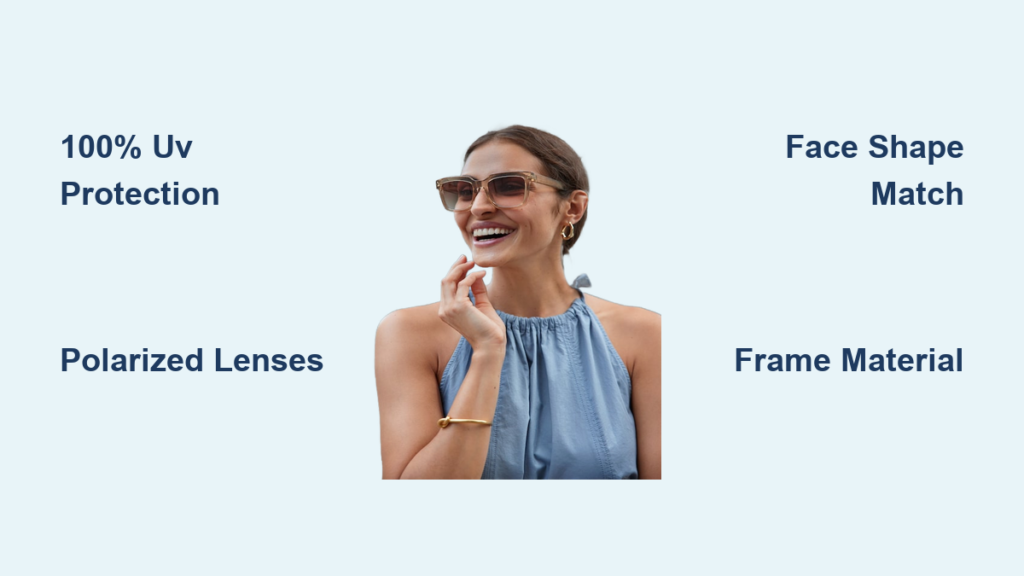
Choosing the right sunglasses isn’t just about looking stylish. It’s about protecting your eyes from harmful UV rays, enhancing visual comfort, and finding a pair that complements your unique face shape and lifestyle. With thousands of options flooding the market, it’s easy to feel overwhelmed by the choices.
This sunglasses for women buying guide cuts through the confusion with expert-backed insights on UV protection, lens technology, frame materials, and fashion trends. You’ll learn how to identify truly protective lenses, select the best frame for your face shape, and invest smartly in features that matter, whether you’re driving, lounging at the beach, or navigating city streets.
Prioritize 100% UV Protection in Every Pair
The single most important quality in any pair of sunglasses is 100% UV protection. The American Academy of Ophthalmology confirms this feature protects against both UVA and UVB rays, reducing the risk of cataracts, macular degeneration, and short-term eye irritation like photokeratitis. Without proper UV blocking, your eyes remain vulnerable to serious damage even on cloudy days.
How to Verify UV Protection Labels
Always look for a sticker or tag indicating 100% UV protection or UV400 labeling, which blocks all light up to 400 nanometers covering both UVA and UVB rays. Dark lenses do not equal UV protection. Many inexpensive sunglasses with proper labeling offer the same eye protection as luxury brands costing ten times more. Skip any pair lacking proper UV labeling, regardless of how stylish or expensive it appears.
Why Price Does Not Determine Protection
UV protection lives in the lens coating, not the price tag. A $20 pair with UV400 labeling protects your eyes just as effectively as a $200 designer brand. Save your budget for added features like polarization, premium materials, or advanced lens technologies. The core protection should never cost more than basic functionality.
Select the Right Lens Technology for Your Activities
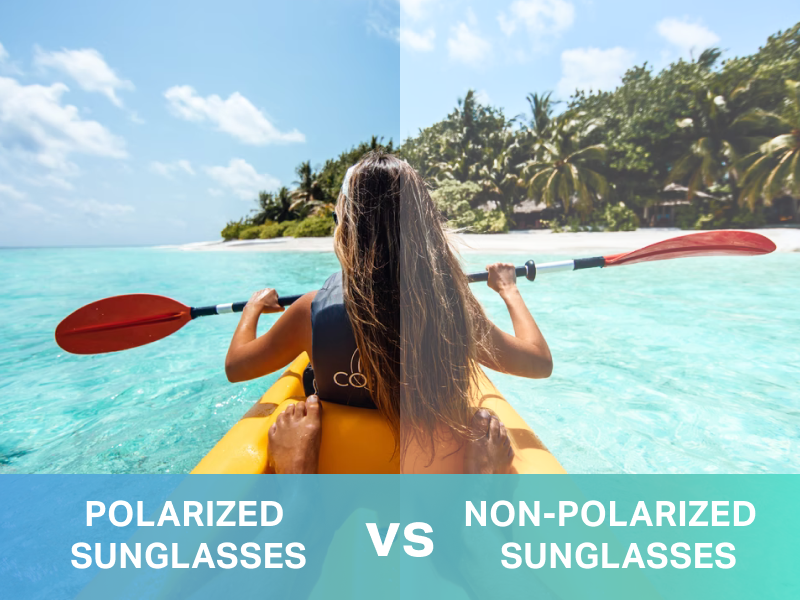
Lens technology transforms how you experience the world through your sunglasses. Understanding polarization, photochromic adaptability, and tint selection helps you choose lenses that enhance comfort and performance for your specific needs.
Polarized Lenses Reduce Dangerous Glare
Polarized lenses minimize glare from reflective surfaces like water, snow, glass, and pavement. They enhance visual clarity and reduce eye strain, making them ideal for driving, boating, skiing, and beach days. Polarization does not increase UV protection, but it significantly improves comfort in bright, high-glare environments.
Pro Tip: If you use a phone or GPS screen while driving, test polarized lenses in-store first. Some polarized options can make digital displays harder to read.
Photochromic Lenses Adapt to Changing Light
Photochromic lenses automatically adjust tint based on sunlight exposure. They start lighter in low-light conditions and darken in bright sunlight, offering versatility for commuters, variable weather, and anyone transitioning between indoors and outdoors. These lenses eliminate the need for multiple pairs and provide seamless comfort across environments.
Match Lens Tint to Your Activity
Different tints serve different purposes. Choose based on lighting conditions and intended use.
• Amber: Best for overcast days and low light. Boosts contrast and depth perception.
• Rose or Light Rose: Ideal for cloudy or flat light conditions. Enhances visibility and reduces eye strain.
• Dark Smoke: Perfect for bright, sunny days. Provides neutral color view with general protection.
• Blue or Silver Ionized: Recommended for water, snow, and high-glare environments. Reflects light and increases clarity.
• Gold Ionized: Suited for bright conditions. Offers warm tone enhancement with fashion-forward appeal.
• Violet or Plum: Best for urban, casual wear. Provides stylish look with moderate filtration.
Choose Frames That Flatter Your Face Shape

Selecting sunglasses based on your face shape dramatically impacts how flattering and comfortable they feel. The right frames enhance your natural features rather than working against them.
Round Faces Need Angular Definition
If your face measures roughly equal in width and length with soft, curved edges, opt for square or Wayfarer-style frames. These angular shapes add definition and contrast to your natural curves.
• Best styles include square frames, rectangular shapes, and bold, structured silhouettes.
• Avoid small round frames and circular shapes that exaggerate roundness.
Square Faces Benefit from Soft Curves
With a strong jawline and broad forehead, round or oval frames help balance your angular features. Choose frames that extend past your cheekbones to create a more elongated, balanced look.
• Best styles include round frames, oval shapes, and frames with curved edges.
• Avoid box-shaped or angular frames and narrow designs that emphasize jaw width.
Heart-Shaped Faces Suit Aviators
If your forehead appears wider than your chin, aviators naturally complement your face shape. Their wider top and tapered bottom mirror your natural outline.
• Best styles include aviators, cat-eye frames, and bottom-heavy designs.
• Delicate features pair well with smaller, lighter frames while stronger features suit bolder, larger designs.
• Avoid oversized top-heavy frames that overwhelm your chin.
Oval Faces Enjoy Maximum Versatility
Oval faces are longer than wide with slightly narrower chins, making them the most versatile for frame selection. Almost every style works well with this face shape.
• Best styles include cat-eye, Wayfarer, round, and most frame types.
• Frame width should match your face width without creating gaps at the temples.
• Avoid overly thick or wide frames that overpower your features.
Know the Latest Style Trends for 2023-2024
Fashion-forward sunglasses styles evolve seasonally. Understanding current trends helps you make a statement while investing in timeless pieces that won’t feel dated next year.
Mod Mania Delivers Bold Retro Looks
Inspired by 1960s space-age fashion, Mod Mania features geometric shapes, futuristic silhouettes, and metallic finishes. These statement pieces pair perfectly with mini dresses, bold makeup, and vintage-inspired outfits.
Future Perfect Wraparounds Blend Sport and Style
Sporty, sleek, and functional, wraparound styles blend performance with fashion. Goggle-like fits with translucent or vibrant lenses and metallic or matte finishes suit active urban lifestyles or outdoor adventures.
Rectangle Redux Offers 90s Minimalist Cool
A modern take on 1990s minimalism, narrow rectangular frames are cool, wearable, and low-key chic. Balanced proportions and subtle fashion edge make these suitable for everyday wear and professional settings.
New Age Aviators Get a Bold Reboot
Classic aviators return with thicker acetate frames, colored lenses or arms, and gradient tints. They retain timeless appeal while adding durability and modern fashion flair.
Reinvented Classics Provide Long-Term Value
Timeless shapes like Wayfarers or ovals receive updates with colored acetate, textured finishes, and tinted lenses. These investment pieces stay stylish season after season without feeling dated.
Match Frame Materials to Your Lifestyle

Frame material determines weight, durability, and environmental impact. Understanding material differences helps you choose sunglasses that perform reliably for years.
Acetate Frames Offer Premium Quality
Acetate provides rich color depth, flexibility, and durability with a premium feel. This material is ideal for fashion-forward styles and common in high-end designer sunglasses. The material holds color beautifully and resists warping better than cheaper plastics.
Injection-Molded Resin Performs for Active Lifestyles
Ultra-lightweight and impact-resistant, injection-molded resin suits active pursuits. Some versions float in water, making them perfect for beach days, boating, or water sports where losing your glasses concerns you.
Metal Frames Deliver Classic Elegance
Metal frames offer the classic aviator look with sleek, minimal aesthetics. Modern versions use acetate temples for improved comfort and durability. Low maintenance but susceptible to bending under pressure.
Support Eco-Conscious Brands
Look for sunglasses made with plant-based resin, like Dragon’s Raw Series. These bio-based materials reduce reliance on petroleum, lower carbon footprint, and offer sustainable performance without sacrificing quality.
Optimize Fit and Sizing for All-Day Comfort
Proper fit prevents discomfort, headaches, and fatigue. Taking time to ensure correct sizing pays off in wearing comfort throughout long days.
Match Frame Width to Face Proportions
Your sunglasses should align with your face width, not extend far beyond or leave large gaps. Too wide creates unflattering gaps at the temples while too narrow pinches and limits coverage.
Check Temple and Nose Bridge Fit
Temples should rest comfortably behind ears without creating pressure points. Nose pads, if present, should distribute weight evenly across your nose bridge. The frame shouldn’t slide or bounce during movement.
Proportion Frames to Your Features
Smaller facial features pair well with smaller, delicate frames while larger features suit bolder, wider designs. Avoid overwhelming your face with oversized frames or looking lost in styles too small for your proportions.
Maintain Your Sunglasses for Years of Use
Proper care extends the life of your sunglasses significantly. Simple habits prevent damage that forces premature replacement.
Clean Lenses Correctly
Use a microfiber cloth and lens-safe cleaner specifically designed for eyewear. Rinse lenses first if sandy or dusty to prevent grinding particles across the surface. Avoid paper towels, clothing sleeves, or harsh chemicals that scratch or damage coatings.
Store in a Hard Case
Always keep sunglasses in a rigid case when not in use. This prevents scratches, warping from heat exposure, and accidental drops. Hard cases prove especially important for acetate and thin metal frames that damage easily.
Replace Lenses When Needed
Some brands offer direct lens replacement for different conditions. Extend your frames’ life by swapping lenses instead of buying entirely new pairs when your needs change.
Final Thoughts on Finding Your Perfect Sunglasses
The best sunglasses for women combine eye safety, comfort, and style into one perfect package. Prioritize UV400 protection above all features, then match frame shape to your face, lens technology to your lifestyle, and design to your personal taste. Whether you need performance sunglasses for active pursuits, fashion-forward frames for urban exploration, or everyday wear for commuting, this guide ensures you never settle for less than perfect sun protection. Invest wisely in quality, and your eyes will thank you for decades.
Frequently Asked Questions About Sunglasses for Women
What should I look for when buying sunglasses for women?
Look for 100% UV protection or UV400 labeling first. Then consider your face shape, lens technology needs like polarization, frame material preferences, and how you plan to use them. The right pair balances protection, comfort, and style.
Are expensive sunglasses worth the price for UV protection?
No. Expensive and cheap sunglasses offer equal UV protection if both carry proper UV400 labeling. Higher prices are justified only by added features like polarization, premium materials, or designer branding.
How do I know which frame shape suits my face shape?
Round faces suit angular frames like squares or Wayfarers. Square faces benefit from round or oval frames. Heart-shaped faces look great in aviators. Oval faces can pull off almost any style.
Do polarized lenses block UV rays?
Polarized lenses reduce glare but do not inherently increase UV protection. Ensure your polarized lenses also carry UV400 or 100% UV protection labels for complete eye safety.
How often should I replace my sunglasses?
Replace sunglasses when lenses become scratched, frames break, or your vision needs change. With proper care, quality sunglasses last three to five years or longer.