You’re not just buying a fashion statement. You’re investing in eye health. With so many styles, lens types, and brands on the market, choosing the best sunglasses for men can feel overwhelming. Yet, the right pair does more than look good. It shields your eyes from harmful UV rays, enhances visual clarity, and matches your lifestyle, whether you’re driving, hiking, or stepping out for a weekend brunch.
This guide cuts through the noise. You’ll learn how to verify real UV protection, pick the right lens tint for your activities, find a frame that fits your face and head, and avoid overpaying for branding. We break down technical specs in plain language, highlight what matters most, and help you build a versatile sunglass collection that lasts.
UV400 Protection: Non-Negotiable for Eye Health
Never compromise on UV protection. The sun emits invisible ultraviolet radiation that damages your eyes over time, silently and permanently. Sunglasses without proper UV blocking do more harm than good.
Why UV Protection Matters Most
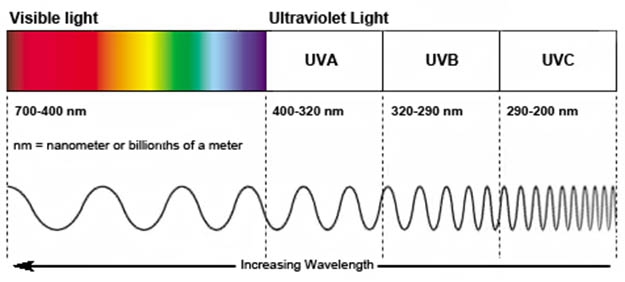
UV light comes in two dangerous forms that reach your eyes. UV-B causes surface damage like photokeratitis, commonly known as sunburn of the eye, and contributes to cataracts over time. UV-A penetrates deeper into the eye, increasing the risk of macular degeneration and retinal damage.
UV damage is cumulative. Every minute without protection adds up, even on cloudy days. The only acceptable standard is UV400 labeling, which blocks all light wavelengths up to 400 nanometers, covering both UVA and UVB rays completely.
Dark Lenses Do Not Equal UV Protection
A common myth is that darker lenses offer better protection. This is wrong. A pitch-black lens without UV400 filtering can be more dangerous than wearing no sunglasses at all. Why? Because dark lenses cause your pupils to dilate, letting in more unfiltered UV light.
Always check for one of these labels:
- “100% UV protection”
- “UV400” printed on the lens or frame
Do not trust price tags. Some $300 designer pairs use cheap plastic lenses with minimal UV filtering, while well-labeled budget models offer full protection.
Test UV Protection at Home
You can verify your sunglasses with a simple test. Get a UV flashlight and a $20 or $100 bill, which have UV-activated security threads. Shine the light on the bill, and the watermark should glow. Place the sunglass lens between the light and the bill. If the watermark stays visible, the lens fails the test.
Lens Types: Match Tint to Your Lifestyle

Lens color does not affect UV protection, but it does change how you see the world. Choosing the right tint improves contrast, reduces glare, and enhances performance based on your activity.
Gray and Black Lenses: True Color, Less Brightness
Gray lenses are best for driving and everyday wear on bright sunny days. They provide neutral color perception and cut brightness without distorting hues. This makes them ideal if you want natural vision with reduced glare. They don’t alter how reds, greens, or blues appear, which is critical for reading traffic signals or spotting hazards on the road.
Brown and Amber Lenses: Boost Contrast and Depth
Brown lenses are best for golf, baseball, mountain biking, and overcast days. They enhance contrast, warm the visual field, and improve depth perception. These lenses help track moving objects and read terrain more effectively. They also cut haze in mid-light conditions, making them versatile beyond just sunny days.
Green Lenses: Balanced Clarity and Glare Control
Green lenses are best for fishing, boating, and general outdoor use. They sharpen contrast with minimal color distortion and reduce eye strain. They are especially effective at cutting glare from reflective surfaces like lakes or wet pavement.
Yellow and Orange Lenses: Low-Light Performance Only
Yellow and orange lenses are best for overcast skiing, shooting, and dawn or dusk activities. They amplify contrast in dim light. However, they are not for bright sun because they let in too much light and often lack UV protection. These lenses are performance tools for low-light scenarios, not true sunglasses.
Blue and Purple Lenses: Fashion Over Function
Blue and purple lenses are best for style statements only. They distort natural colors and offer no visual benefit. Avoid these if you need performance or eye safety. If you buy them, ensure they still carry UV400 protection.
Polarized vs Non-Polarized: When to Choose Each
Polarization is one of the most misunderstood and useful features in sunglasses.
What Polarized Lenses Do
Polarized lenses have a special filter that blocks horizontal glare, which is the blinding reflection from flat surfaces like water, roads, snow, and car hoods. Benefits include sharper vision, reduced eye fatigue, better depth perception, and safer driving.
Polarized lenses are ideal for fishing, boating, and highway driving.
When Not to Use Polarized Lenses
Polarized lenses are not perfect for every situation. Avoid polarization if you ski or snowboard, because glare helps detect icy patches. Also avoid them if you work with LCD screens like ATMs, smartphones, and car dashboards, because polarized lenses can make them hard to read. For mountain sports, consider non-polarized rose or amber lenses instead.
Frame Fit: The Eyewear Sweet Spot Rule
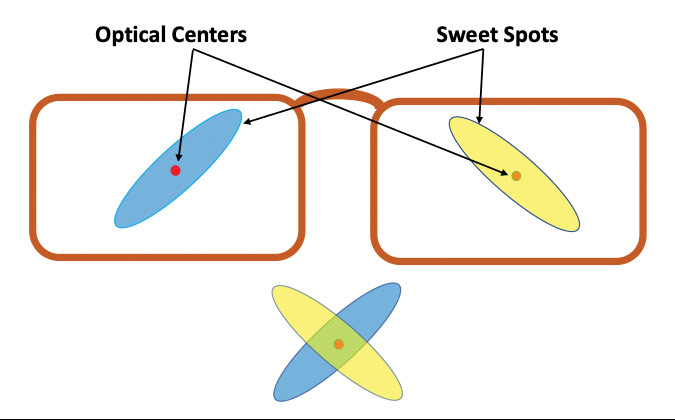
Forget outdated face-shape charts. The most reliable way to find a flattering, functional fit is the Eyewear Sweet Spot method.
What Is the Sweet Spot
Your ideal sunglass frame should span the full width of your face and sit from the center of your eyebrows down to two-thirds of your nose length. Frames within this zone block maximum sunlight, offer the best peripheral vision, and look naturally proportional.
Too narrow? You’ll get glare from the sides. Too wide or tall? They’ll look oversized unless styled intentionally. If it fits the sweet spot, it flatters, regardless of face shape.
How to Measure Your Frame Size
Check the numbers on your current sunglasses, usually on the temple arm. For example, 55□17-140 breaks down as follows. The first number is lens width in millimeters. The second number is bridge width over the nose. The third number is temple arm length.
Average men’s lens width falls between 52 and 58 millimeters. Use these numbers to reorder a favorite pair, buy online with confidence, and compare fits across brands.
Face Shape Guide: Style Rules With Exceptions
Despite the sweet spot rule, many shoppers still rely on face shape. Here’s the classic guide, use it as a starting point, not a law.
Find Your Face Shape
Stand in front of a mirror, pull your hair back, and trace your face outline. Compare your shape to these types. Oval faces have a forehead wider than the jaw with soft curves. Round faces have equal width and height with full cheeks. Square faces have a strong jaw and angular features. Rectangle faces are long with a high forehead. Heart faces have a wide brow and narrow chin.
Best Frames by Face Shape
Oval faces can wear anything, including aviators, wayfarers, rounds, and squares. Avoid low-hanging arms that elongate the face. Round faces should add angles with wayfarers, D-frames, square, and rectangular frames. Avoid round lenses that make your face look fuller.
Square faces should soften the jaw with round, aviator, clubmaster, and oval frames. Avoid rigid rectangles or boxy frames. Rectangle faces should shorten the look with wide frames, wayfarers, round, and D-frames. Avoid narrow or small lenses.
Heart faces should balance the forehead with aviators, clubmasters, and small-to-medium frames. Avoid oversized or round styles that overwhelm the chin.
Frame Materials: Durability Meets Design
The frame material affects comfort, weight, and longevity. Know what you’re wearing.
Acetate: Rich Color, High Durability
Acetate frames offer a glossy finish, are hypoallergenic, hold their shape well, and come in vibrant colors. The drawbacks are that they are heavier and can become brittle in extreme cold. They are best for fashion sunglasses and are used by Ray-Ban, Persol, and luxury brands.
Metal: Stainless Steel and Titanium
Metal frames are lightweight, corrosion-resistant, and have a minimalist look. The drawbacks are they can pinch the nose and may need frequent adjustments. They are best for aviators and classic styles. Titanium is stronger and lighter than steel, ideal for all-day wear.
Nylon: Grilamid for Action
Nylon frames, particularly Grilamid, are flexible, impact-resistant, and ultra-light. The drawback is they are less rigid and may stretch over time. They are best for sports, cycling, and running, and are used by Oakley and Dragon for performance models.
Plant-Based and Recycled Materials
These eco-friendly options are sustainable, biodegradable, and have unique textures. The drawbacks are limited styles and higher cost. They are best for eco-conscious buyers. Brands like Dragon Alliance use upcycled resin and plant-based materials without sacrificing strength.
Best Sunglasses by Activity
Your sunglasses should match your life, not just your outfit.
Driving: See Clearly, Stay Safe
For driving, choose polarized gray or brown lenses with a gradient tint, which is dark on top and clear on the bottom, so you can see dashboards clearly. Avoid photochromic lenses because they won’t darken in cars since windshields block UV.
Water Sports: Cut Glare, Stay Visible
For water sports, choose polarized amber, copper, or rose lenses with a wrap-around or shield style frame. Look for floatable frames like those in the Dragon H2O series. Polarization eliminates blinding water glare, and floatable designs prevent loss during falls.
Snow Sports: Read the Terrain
For snow sports, choose non-polarized rose, yellow, or gray lenses with a fit of goggles or wrap-around style with anti-fog vents. Avoid polarization because glare helps spot ice and snow variations. Use category 3 or 4 lenses depending on brightness.
Sports and Athletics: Secure and Light
For general sports, choose a wrap-around frame with rubber nose pads and vented lenses. Look for polycarbonate, interchangeable, or photochromic lenses. Tech features like Oakley Prizm and Dragon Lumalens enhance contrast. Look for sweat-resistant, non-slip grips and impact protection.
Top Sunglass Styles for Men

Aviators: Timeless and Functional
Aviators have a teardrop lens, metal frame, and double bridge. They work best for oval, square, and heart faces. The iconic Ray-Ban Aviator was born for pilots and now represents a classic style that reflects confidence and versatility.
Wayfarers: Bold and Iconic
Wayfarers have a thick plastic frame and trapezoidal lens. They work best for oval, round, and rectangle faces. The iconic Ray-Ban Wayfarer has been a cultural staple since the 1950s and never goes out of style.
Round: Retro Cool
Round sunglasses have circular lenses with a wire or acetate frame. They work best for square and rectangular faces. Made famous by John Lennon and Persol, they make a statement and work best with angular features.
Shield: Full Coverage
Shield sunglasses have a single curved lens with no frame and a futuristic look. They work best for sports and fashion-forward looks. Icons include Oakley Radar and Dragon Shield. They maximize protection and peripheral vision.
Clubmaster: Half-Rim Elegance
Clubmasters have a plastic top, metal bottom, and keyhole bridge. They work best for oval, round, and heart faces. The iconic Ray-Ban Clubmaster blends vintage and modern and works in the office or on weekends.
Brand Guide: Who’s Worth It
Ray-Ban: Classic Appeal
Ray-Ban offers iconic models including the Aviator, Wayfarer, Clubmaster, and Round. The pros are iconic style and wide availability. The cons are that some models use basic lenses. They are best for everyday wear. Stick to G-15 or B-15 lenses for better optics.
Oakley: Performance Leader
Oakley offers models including Flak Jacket, Radar, and Holbrook. The pros are impact-resistant construction, Prizm technology, and sport-ready design. The cons are that they can be bulky for formal wear. They are best for driving, sports, and active lifestyles. Prizm lenses enhance color and contrast like no other.
Persol: Italian Craftsmanship
Persol offers models including the 649 and 714. The pros are handmade quality, the Meflecto hinge, and elegant design. The cons are that they are expensive. They are best for luxury and vintage lovers. The hinge alone is patented art.
Dragon Alliance: Eco-Tech Innovator
Dragon Alliance offers models including Bryan Iguchi, Rob Machado, and Josiah. The pros are floatable frames, plant-based materials, and Lumalens technology. The cons are niche availability. They are best for water sports and sustainability. They combine performance with planet-friendly materials.
Care and Longevity: Make Them Last
Sunglasses are not disposable. With proper care, they can last a decade.
How Long Do Sunglasses Last
Frames can last 10 years or more if maintained properly. However, UV protection fades after 2 years of regular sun exposure. Signs you need to replace include faded tint, micro-scratches, and a failed UV test. Even if they look fine, replace lenses every 2 years.
Daily Care Tips
Clean your sunglasses with a microfiber cloth and lens-safe spray. Never use paper towels, shirts, or alcohol-based cleaners. Always store them in a hard case. The rule is simple: on your face or in your case, never loose. Get annual adjustments at an optician for nose pads and temple alignment.
Buying Smart: Value Over Branding
Price does not equal protection. Many designer sunglasses use low-grade lenses with only brand markup.
What to Avoid
Avoid no-name $5 sunglasses without UV400 labeling. Avoid dark lenses with no UV protection. Avoid overpriced fashion brands that skip optical quality.
Best Value Picks
You can get optical-grade lenses for under $150 if you know where to look. Brands like Carl Zeiss offer premium optics with accurate color. Randolph Engineering offers military-grade durability. Dragon Alliance offers eco-performance with tech-driven features.
How Many Pairs Should You Own
The recommended minimum is three pairs. Own one formal pair, such as a black wayfarer or aviator. Own one casual pair with colored or trendy frames. Own one performance pair that is sport-specific with polarized or wrap-around design. Three pairs cover 95% of real-life needs.
Final Checklist Before You Buy
Before swiping your card, verify the following. Ensure UV400 protection is labeled on the lens or frame. Confirm the lens tint matches your main activity. Decide if you need polarized lenses for water, driving, or bright glare. Check that the frame fits the sweet spot or complements your face shape. Test the fit for comfort with no pinching, slipping, or pressure. Verify durable materials like acetate, titanium, or Grilamid. Confirm they are right for your lifestyle, not just Instagram-worthy.
Frequently Asked Questions About Sunglasses for Men
What is the most important feature to look for in men’s sunglasses?
UV400 protection is the most important feature. This label means the lenses block all harmful ultraviolet light up to 400 nanometers, protecting your eyes from both UVA and UVB rays. Without this, even the most stylish sunglasses can cause long-term eye damage.
How do I choose the right lens color for my activities?
Lens color should match your activity. Gray lenses work best for driving and everyday wear because they preserve natural colors. Brown and amber lenses enhance contrast for outdoor sports like golf and fishing. Green lenses are ideal for water activities because they reduce glare while maintaining color accuracy.
Are polarized lenses worth the extra cost?
Polarized lenses are worth it if you spend time near water, on the road, or in bright conditions. They block horizontal glare from flat surfaces, reducing eye strain and improving clarity. However, skip polarization for skiing because glare helps you read terrain and spot ice.
How often should I replace my sunglasses?
Replace sunglasses every 2 years if you wear them regularly. UV protection degrades with sun exposure, even if the lenses look fine. Frames can last over 10 years with proper care, but the lenses should be replaced when you notice faded tint, scratches, or a failed UV test.
Does face shape really matter when choosing sunglasses?
Face shape matters less than proper fit. The most important factor is that sunglasses span your face width and sit at the right height, known as the sweet spot. However, face shape guidelines help if you want to accentuate or balance your features.
Can cheap sunglasses provide good UV protection?
Yes, cheap sunglasses can provide good UV protection if they are properly labeled. Many budget options with UV400 or 100% UV protection offer the same eye safety as expensive designer brands. The difference is in lens quality, frame materials, and optical clarity.
Key Takeaways for Buying Sunglasses for Men
The best sunglasses for men blend protection, performance, and personal style. UV400 protection is non-negotiable, regardless of price or brand. Choose lens tints based on your activities, with gray for everyday use, brown for sports, and polarized for water or driving. Prioritize fit over fashion, using the sweet spot method to find frames that protect your eyes and look proportional. Replace lenses every 2 years to ensure continued UV protection. Invest in at least three pairs to cover formal, casual, and performance needs. Your eyes will thank you for decades.