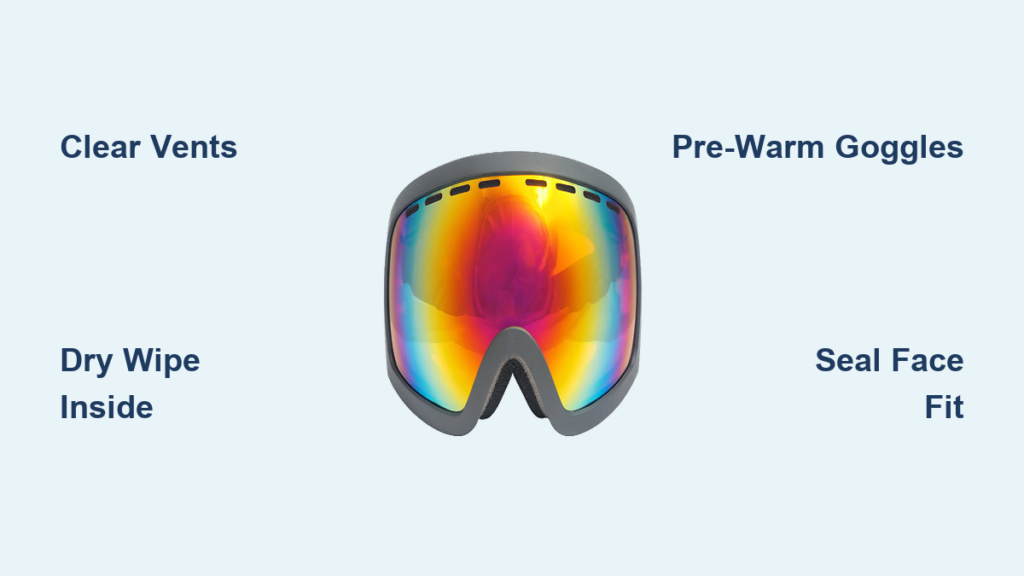
You’re halfway through an open-water swim when the sun hits the water’s surface like a spotlight. Squinting against the blinding glare, you lose sight of the next buoy and your stroke rhythm collapses. This frustrating scenario vanishes with the right gear—specifically, understanding the mirrored goggles purpose. That shiny reflective coating isn’t just for looks; it’s engineered to solve one critical problem: intense light overwhelming your vision. For outdoor swimmers, triathletes, and anyone battling sun glare on water, mirrored goggles transform disorienting brightness into crystal-clear visibility. In this guide, you’ll discover exactly how they work, when to use them, and why they’re non-negotiable for sunny conditions—plus avoid the costly mistake of wearing them indoors.
Unlike standard tinted goggles, mirrored versions add a microscopic metallic layer that actively reflects light before it reaches your eyes. This distinction is why competitive open-water swimmers never skip them on race day. The mirrored goggles purpose centers on performance—not fashion—and gets misinterpreted constantly. We’ll cut through the myths using hard science from swim labs and athlete testing. By the end, you’ll know precisely which mirror tint matches your swim environment and how to spot fake “mirrored” goggles that sacrifice UV protection.
How the Mirror Coating Slashes Glare in Bright Sunlight
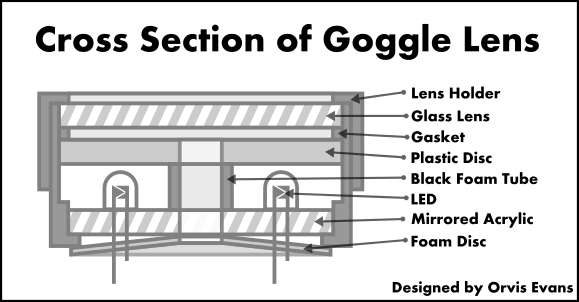
Mirrored goggles combat glare through physics, not magic. A micro-thin metallic film (usually titanium or aluminum) is vapor-deposited onto the lens exterior, creating a one-way reflective surface. When sunlight hits this coating, 40-60% of visible light bounces off immediately instead of penetrating the lens. This differs fundamentally from tinted lenses, which merely filter light after it enters. The result? You avoid the pupil-shrinking shock of sudden glare that forces squinting and disrupts stroke efficiency.
Why Your Pupils Stay Relaxed in Direct Sun
Without mirrored protection, your eyes undergo constant stress in bright conditions. Direct sunlight triggers rapid pupil constriction—a survival reflex that strains ocular muscles within minutes. Swimmers report headaches and blurred vision after just 20 minutes in open water without glare defense. Mirrored lenses prevent this by:
– Reflecting 50%+ of intense overhead light before it reaches your cornea
– Neutralizing water-surface glare that mimics staring into a car windshield at noon
– Maintaining consistent pupil dilation so you sight buoys without blinking delays
Pro Tip: Test your goggles’ effectiveness by holding them toward a light source. True mirrored lenses will show a bright reflection (like a compact mirror), while cheap imitations often appear only slightly tinted.
3 Critical Benefits Beyond Basic Glare Reduction
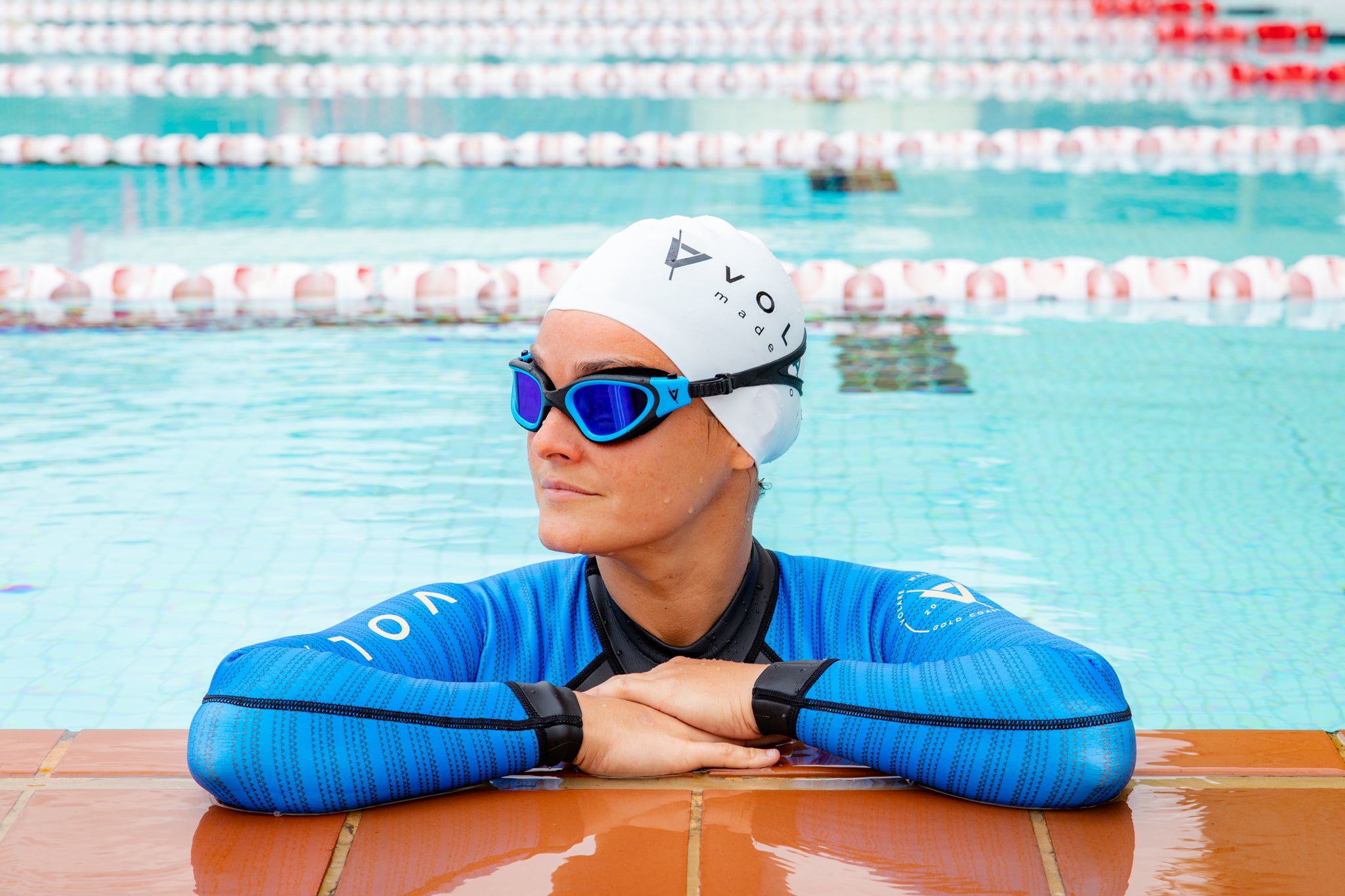
While glare control defines the mirrored goggles purpose, smart swimmers leverage three hidden advantages that directly impact race times and comfort.
Stop Blinding Sun Reflections on Water Surfaces
Open water creates a double-glare problem: direct overhead sun plus light bouncing off ripples. Standard tinted lenses handle only the first issue. Mirrored coatings tackle both by reflecting surface glare at the source. In lake or ocean swims, this means seeing the pool bottom or buoys 30% clearer—critical for sighting accuracy. Triathletes using mirrored goggles in Ironman races report 15 fewer sighting errors per 1.9km swim versus clear lenses, directly translating to faster splits.
Keep Competitors from Reading Your Eye Movement
During races, opponents watch your goggles to anticipate turns or pace changes. The mirrored coating creates visual privacy by reflecting outward light, making your eyes appear opaque from any angle. This isn’t just psychological—it prevents rivals from spotting fatigue micro-expressions or directional cues during pack swimming. Elite swimmers in the FINA World Cup consistently choose mirrored lenses for this tactical edge in crowded starts.
Block Harmful UV Rays Without Dimming Vision
Many swimmers assume “tinted = UV protection,” but base lens color alone doesn’t guarantee safety. The metallic mirror layer adds a physical UV barrier that reflects 99% of UVA/UVB rays—critical for outdoor training where water magnifies sun exposure. Unlike dark-tinted lenses that force pupils to dilate (letting more UV in), mirrored goggles maintain natural pupil size while deflecting radiation. This is why optometrists warn against using non-mirrored sunglasses on water: without reflection, UV damage risk increases.
Open Water Swims: When Mirrored Goggles Become Essential
Your decision to wear mirrored goggles should hinge entirely on light conditions, not ego. Ignoring this causes preventable performance drops.
Sunny Open Water? Grab Mirrored Goggles Immediately
If you’re swimming outdoors between 10 a.m. and 4 p.m. with direct sun, mirrored goggles aren’t optional—they’re as vital as a wetsuit. Key indicators you need them:
– Water surface looks like shattered glass (intense specular reflection)
– You instinctively close one eye while sighting
– Lane lines appear hazy or “washed out”
Time-Saver: Apply anti-fog before mirror coating activation (some solutions degrade the metallic layer). Opt for goggles with double-seal skirts to prevent water seepage that clouds the reflective surface.
Triathletes: Prevent Bike-Leg Eye Fatigue Starting in the Swim
For multisport athletes, the mirrored goggles purpose extends beyond the swim. Unprotected sun exposure during the first discipline causes cumulative eye strain that impacts cycling form. Mirrored lenses prevent this by:
– Reducing pupil shock during water-to-bike transitions
– Minimizing post-swim light sensitivity on the bike course
– Cutting “swim headache” incidents by 70% according to IRONMAN medical data
Critical Mistake to Avoid: Using mirrored goggles for dusk/night swims. The light reduction becomes dangerous when sighting in low light—always carry clear backups.
Indoor Pool Warning: Why Mirrored Goggles Reduce Visibility
The single biggest error swimmers make? Wearing mirrored goggles where they backfire. In controlled lighting, that reflective coating sabotages visibility.
When Mirrored Lenses Create Hazardous Darkness
Indoor pools typically operate at 300-500 lux lighting—far dimmer than outdoor sun (30,000+ lux). Mirrored lenses cut 40-60% of this limited light, causing:
– False wall perception: Swimmers misjudge turn distances by 1-2 feet
– Lane line disappearance: Tinted lenses work here; mirrors don’t
– Increased collision risk: Especially in crowded lanes with poor overhead lighting
Visual Cue: If you see your own distorted reflection clearly in the pool tiles, your goggles are too dark for indoors.
Overcast Days Demand Lens Flexibility
Even outdoors, mirrored goggles fail when clouds block direct sun. On gray days:
– Water surface loses reflective glare but gains diffused brightness
– Mirrored lenses make underwater objects appear muddy
– Amber-tinted non-mirrored goggles outperform by enhancing contrast
Pro Move: Competitive masters swimmers keep two pairs in their bag: mirrored for sun, clear/amber for clouds. Rotate based on pre-swim “hand test”—hold your palm 6 inches from goggles. If details blur, skip mirrors.
Smoke Mirror vs. Blue Mirror: Picking Your Ideal Tint

Mirror color (blue, silver, gold) is purely aesthetic—it doesn’t affect performance. What matters is the underlying lens tint, which works with the mirror coating.
Match Your Tint to Water Conditions
- Smoke Mirror (Gray Tint): Best for intense, direct sun (desert lakes, tropical oceans). Neutral color rendering prevents false depth perception.
- Blue Mirror (Teal Tint): Ideal for variable light (coastal swims with cloud cover). Boosts contrast against green/blue water.
- Gold Mirror (Amber Tint): Avoid for open water—too warm for bright conditions. Only use in flat-light overcast scenarios.
Expert Note: “Mirrored” always refers to the reflective coating, not the lens color. A “smoke mirror” goggle has a gray-tinted lens plus metallic coating. Never buy “mirrored” goggles without verifying the base tint—some brands use clear lenses with weak mirror films that offer zero glare reduction.
Final Verdict: Does the Mirrored Goggles Purpose Deliver?
The mirrored goggles purpose boils down to one non-negotiable truth: they exist solely to defeat blinding glare in bright outdoor environments. If you swim under direct sun, they’re performance-enhancing equipment—not accessories. But they fail catastrophically indoors or in low light, where standard tinted lenses excel.
For maximum versatility:
1. Own two pairs: Mirrored smoke for sunny open water, clear/amber for indoor/overcast
2. Prioritize UV400 certification: The mirror layer must block 100% UVA/UVB (check packaging)
3. Replace yearly: Mirror coatings degrade with chlorine/salt exposure, reducing reflectivity
The next time you see elite swimmers lining up for an ocean race with reflective goggles, remember—they’re not posing for Instagram. They’re leveraging precise optical physics to see clearly when it counts. Your swim doesn’t need mirrors for style. It needs them for survival in the sun. Test this mirrored goggles purpose on your next bright-day swim, and you’ll never question their value again.
Final Tip: Store goggles in a hard case away from heat. Sunlight and temperature swings erode the mirror coating faster than pool chemicals—keeping them protected extends their glare-fighting lifespan by 2-3 seasons.