Water suddenly flooding your goggles while swimming or snorkeling transforms a peaceful experience into a frustrating struggle. That moment when your vision blurs and panic starts to creep in—that’s why knowing how to remove water from goggles underwater is absolutely essential for any water enthusiast. Whether you’re a competitive swimmer, recreational snorkeler, or beginner taking your first lessons, mastering this skill means the difference between continuing your activity seamlessly and constantly interrupting your swim to surface and adjust. In this guide, you’ll learn field-tested techniques to clear water from any type of goggles or mask while staying submerged, saving you time, reducing frustration, and keeping your focus where it belongs—on enjoying the water.
Why Water Gets Trapped in Your Goggles and How to Fix It Immediately
When water invades your goggles, it’s not just an inconvenience—it disrupts your entire experience underwater. The trapped water creates distorted vision, increases drag as you swim, and forces you to break your rhythm to address the problem. Most swimmers instinctively surface to clear their goggles, but this wastes valuable time and disrupts your flow, especially during training or competitive events. Learning how to remove water from goggles underwater transforms this common frustration into a 3-second fix you can perform without interrupting your swim. The key lies in understanding that air naturally rises while water sinks—by strategically using your exhaled breath, you create an air pocket that forces the water out through the bottom seal of your goggles or mask.
Master the Blow-and-Tilt Method for Full Face Masks
This technique works best for masks with a nose pocket, like those used in snorkeling or scuba diving, but the principles apply to many swim goggles as well. The blow-and-tilt method leverages your natural breathing to create the air pressure needed to push water out without surfacing.
How to Execute Perfect Blow-and-Tilt Clearing
-
Maintain Composure and Position – Resist the urge to panic or immediately swim to the surface. Stop swimming, take a deep breath, and stabilize your body in the water with your face submerged just below the surface.
-
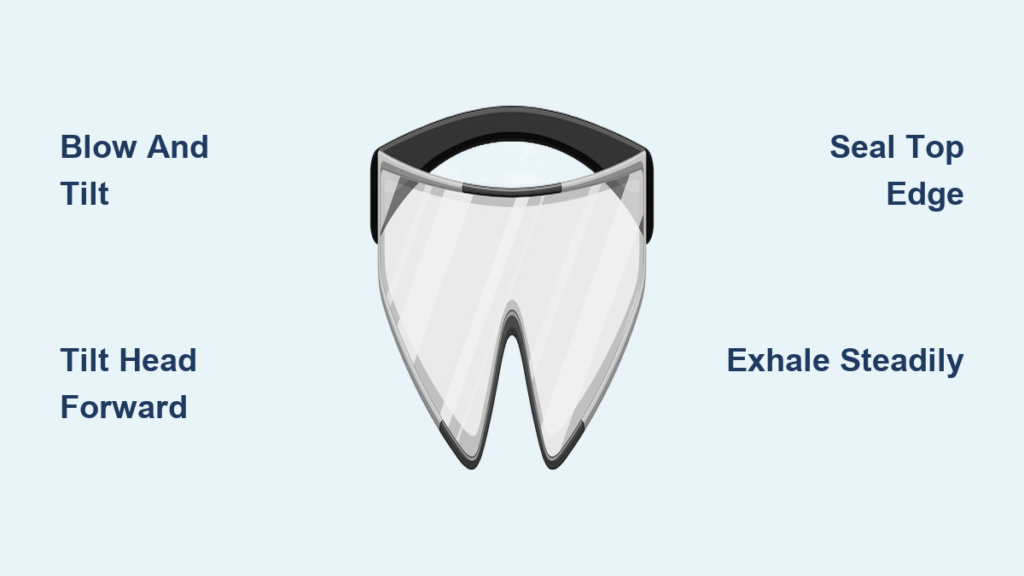
Secure the Top Seal – Press your thumbs or fingers firmly along the top edge of your mask where it meets your forehead. This creates a tight seal preventing air from escaping upward while allowing water to exit downward.
-
Exhale with Controlled Force – Tilt your head slightly back and downward at the same time, then exhale a steady stream of air through your nose. The air you exhale rises to the top of the mask cavity, forcing the water out through the bottom seal. Listen for the distinct bubbling sound indicating water displacement.
-
Complete the Clear – Continue exhaling for 2-3 seconds while gently rocking your head side-to-side. This motion helps dislodge any remaining water droplets clinging to the lens. Once clear, release pressure on the top seal and resume your activity.
Pro Tip: Practice this technique with your eyes closed first to build confidence—you’ll know it’s working by the sound of water draining out rather than by sight.
Quick-Dump Technique for Standard Swim Goggles
Unlike full-face masks, standard swim goggles have minimal space between the lens and your face, requiring a faster, more precise clearing method that works in seconds.
Perfecting the Goggle Quick-Dump
For swim goggles without a nose pocket, the clearing process happens much faster due to the smaller volume:
-
Seal and Angle – Press the top of your goggles firmly against your brow bone while tilting your head forward slightly. This positioning makes the bottom edge of your goggles the lowest point.
-
Break the Bottom Seal – While maintaining pressure on the top seal, allow a tiny gap to form at the bottom edge of the goggle frame—just enough for water to escape but not so much that more water enters.
-
Forceful Exhale (If Applicable) – If your goggles cover your nose bridge, exhale sharply through your nose. If not, the simple act of tilting your head forward while breaking the bottom seal allows gravity to do most of the work.
-
Re-establish Full Seal – Once water has drained (usually within one second), press the entire goggle frame firmly back against your face to restore the complete seal.
Critical Note: Over-tightening your goggle straps actually causes more leaks—your goggles should seal through proper fit, not strap tension. A properly fitted pair requires minimal strap adjustment after clearing.
Troubleshooting Persistent Water Leaks After Clearing
Even after successfully removing water from your goggles underwater, recurring leaks indicate underlying issues that need addressing before your next swim session.
Why Your Goggles Keep Filling with Water
If water immediately returns after clearing, examine these common culprits:
-
Hair or Debris Breaking the Seal – A single strand of hair trapped between your skin and the goggle skirt creates a perfect channel for water entry. Before swimming, ensure your forehead and hairline are completely clear.
-
Improper Strap Positioning – Many swimmers wear their straps too low on the back of their head. The strap should rest horizontally across the widest part of your head, not angled downward.
-
Mask Fit Issues – Test your mask’s fit by pressing it against your face without the strap and gently inhaling through your nose. A proper fit will temporarily stick to your face from the suction created.
-
Damaged Goggle Skirt – Inspect the silicone or rubber seal for nicks, tears, or permanent creases that compromise the watertight barrier.
Step-by-Step Guide to Clearing Your Mask Without Surfacing
Follow this precise sequence to clear water from any type of goggles or mask while remaining completely submerged:
-
Pause and Assess – Stop swimming immediately when you detect water entry. Continuing to swim forces more water into your goggles.
-
Create a Stable Position – Tread water or grab the pool edge to stabilize yourself. This prevents additional movement that might force more water in.
-
Top-Down Pressure Application – Use both hands to press firmly along the top edge of your goggles where they meet your forehead.
-
Strategic Head Positioning – Tilt your head slightly backward while looking downward—this creates the optimal angle for water to exit.
-
Controlled Exhalation – Blow air steadily through your nose for 2-3 seconds, listening for the distinctive bubbling sound of water displacement.
-
Verification Check – Before releasing pressure, ensure all water has cleared by feeling for complete dryness against your face.
Time Saver: With practice, this entire process takes less than 5 seconds—faster than swimming to the surface, clearing your goggles, and returning to depth.
Preventing Fog After Clearing Water from Your Goggles
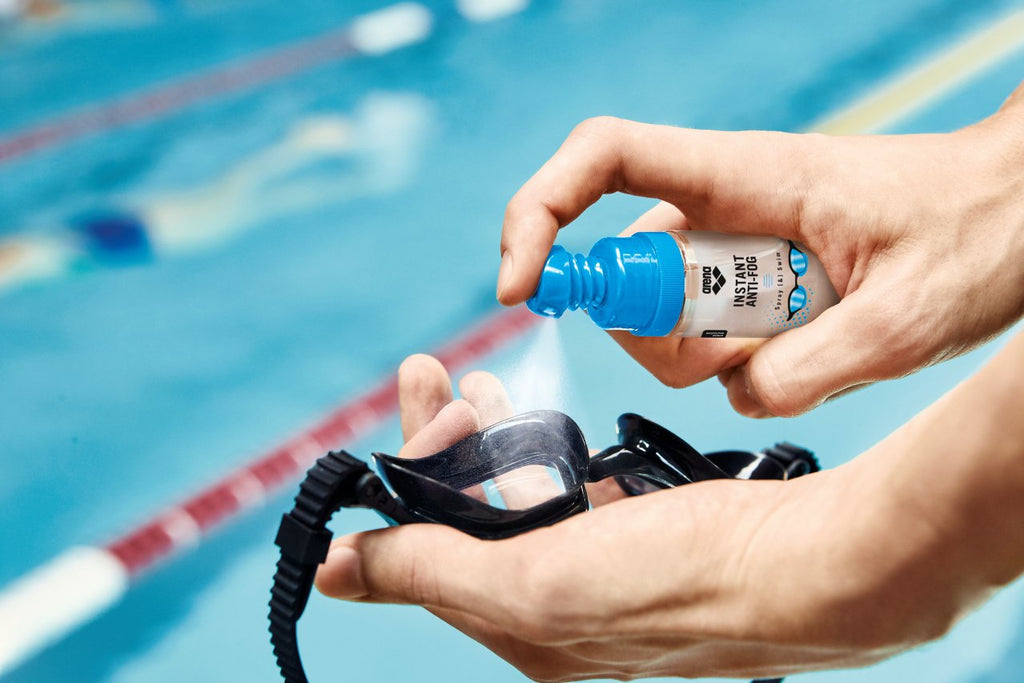
Water removal often leads to fogging—a different but equally frustrating problem that obscures your vision immediately after clearing.
Anti-Fog Strategies That Actually Work
-
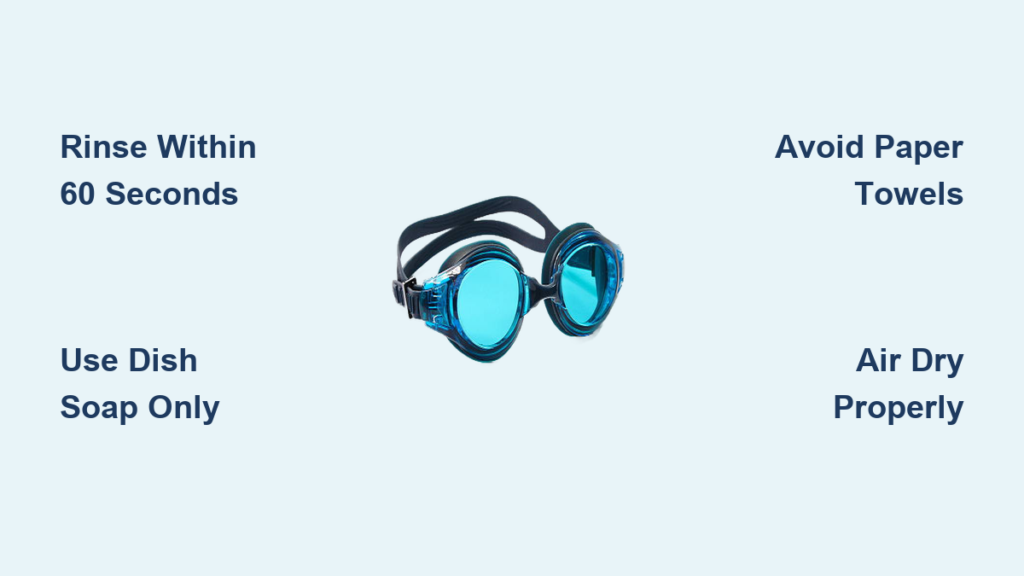
Pre-Swim Treatment – Apply anti-fog solution or a light spit-and-rinse to the inner lens surface before entering the water. Never wipe the inside lens with your fingers, as oils cause fogging.
-
Temperature Equalization – Allow your goggles to acclimate to water temperature before your swim to minimize condensation buildup.
-
Avoid Touching Inner Lenses – Finger oils on the interior lens surface create perfect conditions for fog formation after clearing water.
Why Proper Mask Fit Matters for Water Removal
A poorly fitting mask makes underwater clearing nearly impossible, no matter how well you execute the technique.
Fit Check Protocol Before Every Swim
- Place the mask against your face without the strap
- Gently inhale through your nose—the mask should stick temporarily
- Check for gaps around the eye sockets and nose bridge
- Ensure the skirt makes complete contact without pinching
Expert Insight: Your face shape changes slightly when submerged—test your mask fit both in and out of water for optimal performance.
Practice Drills to Perfect Your Underwater Goggle Clearing
Mastering this skill requires deliberate practice in controlled environments before you need it in open water.
Progressive Training Routine
-
Shallow Water Practice – Stand in chest-deep water, submerge your face, and intentionally flood your goggles to practice clearing.
-
Horizontal Position Drills – Practice clearing while floating horizontally to simulate actual swimming position.
-
Clearing While Treading – Master the technique while keeping your head above water using only your legs.
-
Timed Clearing Challenge – Time yourself clearing water five consecutive times—aim for under 4 seconds per clear.
When to Replace Your Goggles Instead of Clearing Them
Some water issues indicate it’s time for new equipment rather than more practice.
Warning Signs Your Goggles Need Replacing
- Permanent creases or tears in the silicone skirt
- Cracked or deeply scratched lenses
- Consistent leaks even after proper clearing and fit adjustment
- Discoloration or hardening of the gasket material
Knowing how to remove water from goggles underwater transforms what could be a day-ruining problem into a minor, manageable interruption. By practicing these techniques in controlled environments before you need them in open water, you’ll maintain clear vision, reduce frustration, and keep your focus where it belongs—on enjoying your time in the water. Start incorporating these drills into your regular swim routine today, and you’ll wonder how you ever managed without this essential skill.