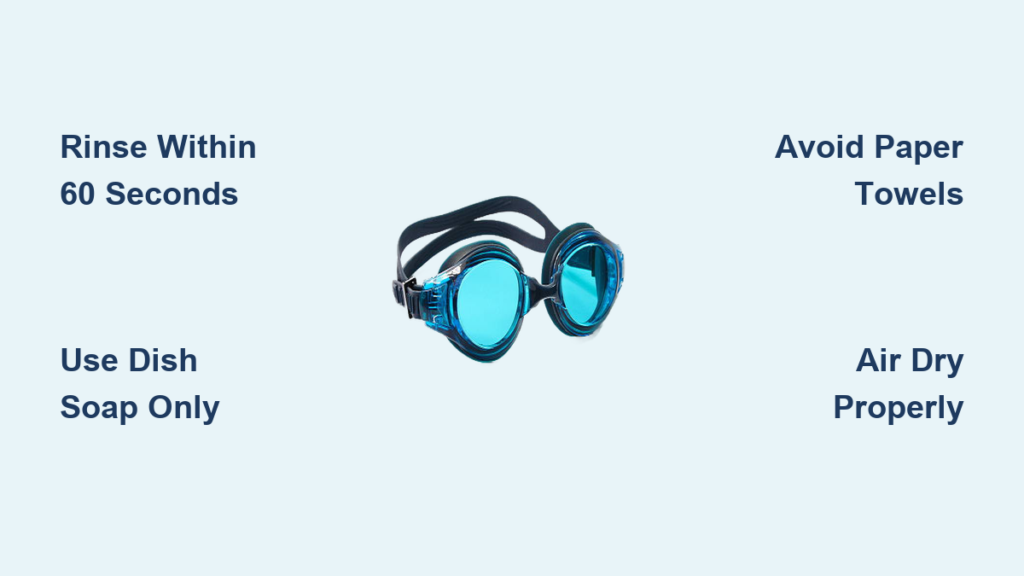
That telltale red ring around your eyes after swimming isn’t just annoying—it’s completely preventable. For competitive swimmers and casual lap lovers alike, goggle lines transform from a minor inconvenience to a persistent cosmetic concern that can linger for hours after you’ve left the pool. These stubborn pressure marks form when excessive strap tension forces the goggle seal into your delicate eye-area skin, creating indentations that take far too long to fade. The good news? You don’t have to choose between staying dry underwater and maintaining clear skin. By addressing the root causes—improper fit, excessive tension, and inadequate post-swim care—you can eliminate goggle lines for good while improving your swimming experience.
Most swimmers mistakenly believe these marks are inevitable, tightening their straps further to prevent leaks while worsening the very problem they’re trying to solve. This creates a vicious cycle where increased pressure leads to deeper, longer-lasting marks that make post-swim socializing uncomfortable. Understanding that goggle lines stem from pressure distribution issues—not swimming itself—is your first step toward solving this frustrating problem. In this guide, you’ll discover how to select the right goggles for your face shape, adjust them properly, and implement immediate post-swim techniques that make goggle lines disappear within minutes instead of hours.
Why Your Goggles Leave Deep, Lasting Marks
Goggle lines form when excessive pressure concentrates on the thinnest skin on your body—the delicate area surrounding your eyes. This skin has minimal fat padding and reduced elasticity compared to other facial areas, making it particularly vulnerable to indentation. When you overtighten your strap to prevent leaks, you’re forcing the gasket to press deeply into these sensitive pressure points, restricting blood flow and creating the red, indented rings you see after swimming.
The Hidden Culprit Behind Persistent Goggle Lines
Most swimmers unknowingly exacerbate their goggle lines by tightening the strap to compensate for poor fit. Single-panel “Swedish style” goggles often create more pronounced marks than traditional split-lens designs because they concentrate pressure across a wider area. The critical misunderstanding is believing that strap tension creates the seal—when in reality, proper goggle fit should rely on the gasket contour matching your facial structure, with the strap merely keeping goggles in position.
How Skin Sensitivity Affects Goggle Line Severity
Your skin’s condition dramatically impacts how severely goggle lines appear and how long they last. Dehydrated or dry skin loses elasticity, making marks deeper and slower to fade. Swimmers with naturally thin or sensitive skin around the eyes will notice more pronounced goggle lines that take longer to disappear. This explains why identical goggles might leave deep marks on one swimmer while barely visible on another—the difference often lies in skin hydration and elasticity rather than swimming technique.
Perfect Goggle Fit: Your Most Effective Solution

Eliminating goggle lines starts with finding goggles that match your unique facial structure. The right pair should create a watertight seal with minimal strap tension—ideally passing the “no-strap test” where goggles stay in place for several seconds when pressed gently against your face without the strap.
How to Test Goggle Fit Like a Professional
Before purchasing, perform these essential fit tests in the store: Press the empty goggles against your face without the strap—they should create light suction and stay in place briefly. If they fall immediately, the fit is wrong. Check for natural contouring around your eye sockets—you shouldn’t feel significant pressure points. The gasket should rest comfortably against your orbital bone without pinching or creating immediate indentations. Remember that facial swelling from exercise can change how goggles fit, so test them after light activity if possible.
Swim Cap Interference: The Unexpected Fit Factor
Many swimmers overlook how their swim cap affects goggle fit. A thick fabric cap can push the goggle strap upward, forcing you to overtighten to maintain the seal. Try positioning your goggles over the cap rather than underneath it—this often creates a more stable foundation that requires less strap tension. If you’re serious about eliminating goggle lines, consider testing different cap materials; thinner latex or silicone caps often create fewer interference issues than thicker fabric varieties.
Smart Goggle Selection Strategies That Prevent Marks
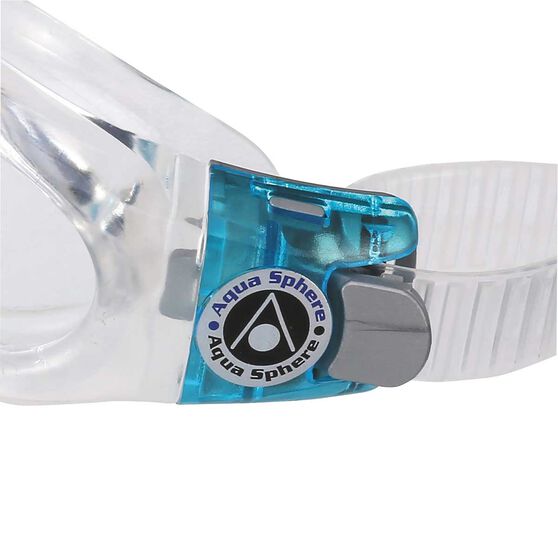
Not all goggles distribute pressure equally. The right pair for eliminating goggle lines features specific design elements that minimize pressure on sensitive areas while maintaining a secure seal.
Gasket Design: The Secret to Pressure-Free Swimming
Focus on gaskets with these critical features: wider profiles that distribute pressure over more surface area, softer silicone compounds that conform to your face without resistance, and dual-material construction with an extra-plush inner layer. Brands like Speedo, TYR, and Aqua Sphere offer recreational models specifically designed with softer, wider gaskets that prevent the deep impressions common with racing goggles. Avoid hard, narrow gaskets that concentrate pressure into thin lines—they’re the primary cause of stubborn goggle marks.
Low-Profile vs. Traditional Goggles: Which Prevents Lines Better?
Low-volume “Swedish style” goggles often receive praise for reducing goggle lines because their design fits within the eye socket rather than pressing against softer tissue. However, this style only works if your eye socket matches the goggle’s contour—otherwise, it creates new pressure points. Traditional split-lens goggles with properly contoured frames can distribute pressure more evenly across your brow ridge and cheekbones. The determining factor isn’t style but how precisely the gasket matches your unique facial topography.
Immediate Post-Swim Techniques That Erase Goggle Lines
What you do in the first five minutes after exiting the pool determines whether your goggle lines fade quickly or linger for hours. Implement these science-backed techniques immediately after your swim to accelerate recovery.
The 3-Step Rapid Recovery Protocol
-
Apply Cold Immediately: Within 60 seconds of exiting the pool, press a cold, damp cloth against the marked areas for 5-10 minutes. This constricts blood vessels, reducing the redness and swelling that make goggle lines visible. A chilled gel mask works even better as it maintains consistent cold temperature.
-
Gentle Circulatory Massage: Using clean fingertips, massage the indented areas in small circular motions. Start from the outer corners of your eyes moving inward—this stimulates blood flow to the compressed tissue, helping your skin rebound faster. Be extremely gentle; aggressive rubbing can cause additional irritation.
-
Hydrate Inside and Out: Drink a full glass of water immediately—dehydrated skin loses elasticity and takes longer to recover. Then apply a generous amount of fragrance-free moisturizer containing hyaluronic acid or ceramides to replenish the skin barrier and improve elasticity.
Strategic Goggle Repositioning During Long Sessions
For swimmers doing extended workouts, implement this pressure-relief technique: When you notice lines forming, carefully break the seal, lift the goggles just a few millimeters, and reposition them slightly. This shifts pressure to a new skin area while allowing the indented tissue to recover. Perform this subtle adjustment during rest intervals to prevent deep, lasting impressions—just ensure the new position still creates a proper seal.
Advanced Prevention Tactics for Sensitive Skin
:max_bytes(150000):strip_icc():focal(749x0:751x2)/vaseline-eye-tiktok-trend-tout-012824-b4dd90ccd49847f1a021067c0ddf908c.jpg)
Swimmers with particularly thin or reactive skin around the eyes need additional strategies to completely eliminate goggle lines. These specialized techniques address the unique challenges of sensitive facial tissue.
Barrier Protection for Delicate Skin
Apply a thin layer of petroleum jelly or silicone-based anti-chafe product directly to your skin where the gasket will sit—never on the gasket itself. This creates a smoother interface that reduces friction and allows the seal to form with less pressure. The barrier also prevents the silicone gasket from adhering too strongly to dry skin, which can worsen indentation. Reapply after each swim session for best results.
Asymmetrical Strap Adjustment for Problem Areas
If you consistently develop deeper marks on one side of your face, try slightly asymmetrical strap positioning. Tighten one side of the strap just a fraction more than the other to redistribute pressure away from your most sensitive areas. This subtle adjustment can significantly reduce marking without compromising the seal—just be careful not to create leaks by over-adjusting.
Long-Term Strategies for Permanent Goggle Line Prevention
Eliminating goggle lines completely requires both immediate fixes and consistent long-term habits. By addressing the root causes and building protective routines, you can enjoy clear skin after every swim.
Build Skin Resilience Through Targeted Skincare
Incorporate these products into your daily routine: Centella asiatica serums to strengthen delicate skin, ceramide-rich moisturizers to reinforce your skin barrier, and consistent hydration to maintain optimal elasticity. Over time, this regimen makes your skin more resistant to pressure marks and speeds recovery when minor indentation occurs. Remember that skin health is cumulative—results build over weeks of consistent care.
The Right Goggle Rotation System
Own at least two different goggle models with varying gasket contours. Rotate between them based on your swim duration and intensity—softer recreational goggles for longer sessions, more performance-oriented models for short, intense workouts. This prevents your skin from developing chronic pressure points in the same location and gives your face periodic relief from consistent pressure patterns.
By implementing these targeted strategies—from perfect goggle selection to immediate post-swim care—you’ll transform goggle lines from a persistent post-swim nuisance to a rare occurrence. The key insight isn’t just how to get rid of goggle lines after they appear, but how to prevent the excessive pressure that creates them in the first place. Remember that proper fit trumps tightness every time—a secure seal shouldn’t leave evidence on your face. Start applying these techniques today, and your next swim session could be your first goggle-line-free experience in years. For persistent issues, revisit your goggle selection process with these principles in mind—you’ll likely discover that the perfect pair for your face has been waiting for you all along.