That moment when you dive into the pool only to find your vision obscured by stubborn fog or cloudy haze on your swim goggles—it’s enough to ruin any workout. You’ve tried rinsing them under the tap, wiping with your towel, or even spitting on the lenses, but the grime just won’t budge. What if the solution was already sitting in your bathroom cabinet? Countless swimmers swear by using toothpaste to clean swimming goggles, but misuse can leave lenses permanently scratched. This isn’t just another quick fix—it’s a precision technique to restore crystal-clear vision using a household staple you already own. By the end of this guide, you’ll know exactly how to safely revive foggy goggles while avoiding costly mistakes that could destroy your gear.
Foggy goggles aren’t just annoying—they compromise safety during laps and undermine training focus. While commercial anti-fog sprays exist, they often contain harsh chemicals that degrade lens coatings over time. The toothpaste method leverages gentle abrasion to tackle the root cause: micro-scratches and chemical buildup from chlorine, saltwater, and sunscreen that standard rinsing can’t remove. But not all toothpastes work equally, and improper technique can do more harm than good. Let’s cut through the misinformation and show you how to execute this restoration process flawlessly.
Why Toothpaste Actually Clears Foggy Goggle Lenses

Toothpaste isn’t magic—it’s science working in your favor. Most standard white toothpastes contain hydrated silica, a mild abrasive engineered to polish tooth enamel without damage. This same property makes it ideal for buffing delicate polycarbonate goggle lenses. When applied correctly, these microscopic particles gently exfoliate the lens surface, lifting embedded chlorine crystals, salt deposits, and UV-damaged haze that cause light refraction and fogging. Crucially, it revitalizes worn anti-fog coatings by smoothing microscopic imperfections where moisture droplets cling. Unlike abrasive cleaners, toothpaste’s balanced pH won’t degrade silicone gaskets or lens seals when used properly.
Pre-Cleaning Checklist: Avoiding Costly Mistakes
Skipping preparation guarantees scratches. This isn’t optional—it’s the foundation of a successful restoration. Rushing this phase turns your toothpaste into liquid sandpaper.
Remove All Grime Before Polishing
Start by rinsing goggles under lukewarm tap water to loosen debris. Then apply one drop of fragrance-free dish soap to both lens sides, gently massaging with fingertips for 20 seconds—never nails or rough cloths. Focus on the lens edges where sunscreen and hair products accumulate. Rinse thoroughly under cool running water until zero suds remain. Any residual grit becomes embedded in the toothpaste, creating deep scratches during polishing. Finally, pat lenses completely dry with a microfiber cloth reserved exclusively for optics. If you see water spots after drying, repeat the rinse—mineral deposits will sabotage your polish.
Selecting the Only Safe Toothpaste Type
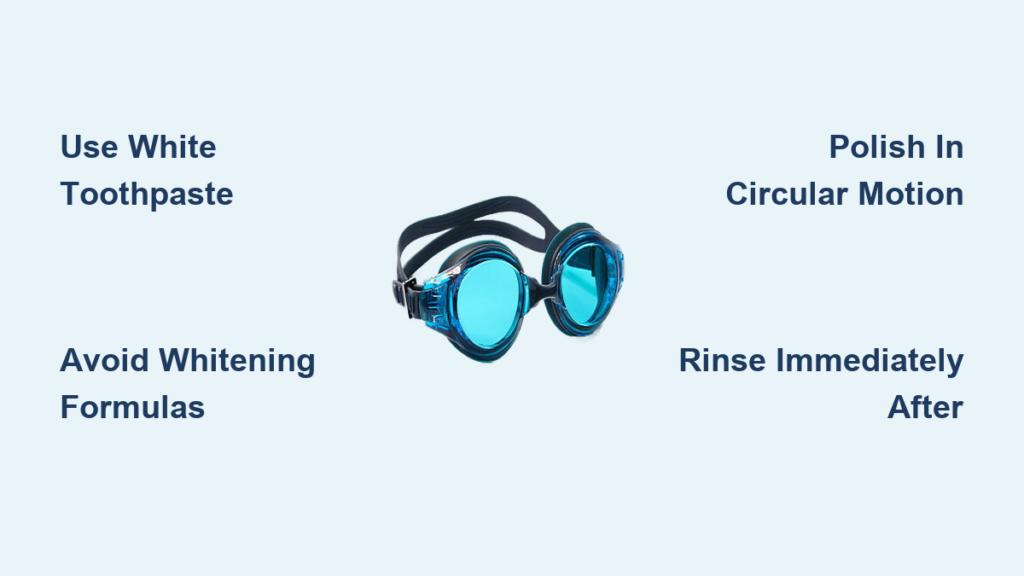
Reach for the cheapest white paste-style toothpaste in your cabinet—nothing else. Whitening formulas contain hydrogen peroxide and coarse silica crystals designed for teeth, not plastic lenses. These will permanently etch polycarbonate, creating a frosted-glass effect. Gel toothpastes lack uniform abrasives and often include alcohols that strip anti-fog coatings. Avoid anything with “whitening,” “tartar control,” or “sensitivity” labels. Your ideal candidate? A basic $1 tube labeled “cavity protection” with no added colors or stripes. If it feels gritty between your fingers, it’s too harsh—discard it immediately.
Exact Toothpaste Cleaning Method: 4 Precision Steps
This isn’t casual scrubbing—it’s a controlled polishing process. Follow these steps in sequence for streak-free clarity.
Apply Minimal Toothpaste Correctly
Squeeze a pea-sized dollop onto a clean microfiber cloth (never directly on lenses). For dual-lens goggles, use half this amount per lens—excess paste traps debris. Dampen the cloth slightly with cool water to activate the abrasives without diluting effectiveness. Gently spread the paste in a thin, even layer covering the entire outer lens surface. If the paste beads up or separates, you’re using the wrong formula—switch immediately.
Polish With Micro-Motion Technique
Hold the goggle frame securely and use the damp cloth to work the paste in 1-inch diameter circles, applying feather-light pressure. Start at the lens center and spiral outward toward the frame edges—never side-to-side motions. Maintain consistent movement for 45 seconds per lens; stopping in one spot creates uneven wear. You should see the haze gradually lifting as the paste turns translucent. Stop immediately if you hear scratching sounds—that’s grit cutting into the lens. Pro tip: Set a timer—over-polishing thins lens coatings.
Critical Rinse Protocol
Rinse under a gentle stream of cool tap water for 30 seconds per lens, tilting goggles downward to prevent water pooling. Keep lenses facing the flow to wash away abrasive particles without dragging them across the surface. Never let toothpaste dry—it becomes highly abrasive. After rinsing, shake off excess water and immediately pat dry with a second clean microfiber cloth using light dabbing motions. Wiping in circles now can embed residual particles.
Final Clarity Boost
For competition-level clarity, perform a distilled water rinse: Submerge goggles in a bowl of distilled water for 10 seconds, then air-dry vertically on a towel. Tap water minerals can leave spots. Once dry, buff lenses with a third microfiber cloth using vertical strokes only—this aligns with how water droplets flow off during swimming. Test clarity by holding goggles 12 inches from text; if words appear sharp without halos, you’ve succeeded.
Toothpaste Goggle Cleaning Traps Even Experts Fall For
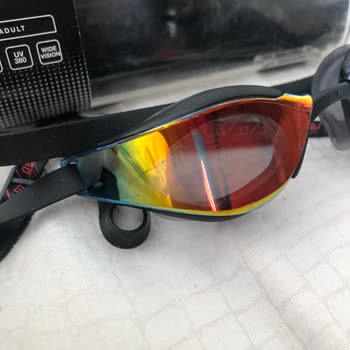
Most goggle damage occurs during “cleaning.” These pitfalls destroy more gear than pool chemicals.
Whitening Toothpaste: The Silent Lens Killer
That bright-white toothpaste promising “10-shade whiter teeth”? It’s coated with aluminum oxide crystals up to 50 microns wide—larger than your lens’s anti-fog coating pores (typically 10-20 microns). One use creates irreversible micro-scratches that scatter light, making fogging worse. If your lenses look frosty after cleaning, you used whitening paste—replacement is your only option.
Paper Towel Disaster Zone
Never use paper products for drying. Their wood-pulp fibers (50-200 microns thick) are coated with binders that scratch polycarbonate. Even “lint-free” tissues contain abrasive particles when damp. Always use dedicated microfiber cloths stored in sealed bags—wash them monthly in scent-free detergent to prevent oil buildup.
Inner Lens Sabotage
Toothpaste should never touch the inner lens surface. The anti-fog coating here is water-soluble and 10x thinner than the outer layer. Cleaning it with abrasives removes this coating permanently. For inner lens fog, rinse with fresh water only or use commercial anti-fog spray sparingly.
Long-Term Goggle Care After Toothpaste Cleaning
This method is emergency restoration—not routine maintenance. Overuse accelerates lens degradation.
Post-Swim Ritual That Prevents Future Cleaning
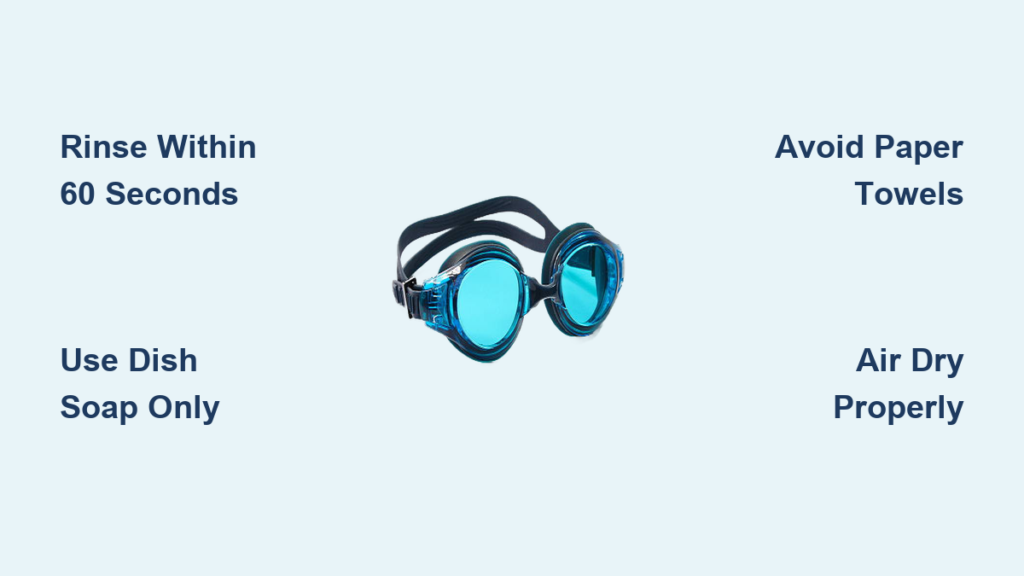
Rinse goggles under cool running water within 60 seconds of exiting the pool. Hold lenses facing downward to flush chlorine/salt from seals. For saltwater swims, soak in fresh water for 2 minutes. Never wipe wet lenses—moisture traps abrasive sand. Dry only with microfiber and store immediately.
Storage Secrets That Extend Lens Life
Always store goggles in a hard-shell case—never loose in your gym bag. Place them lens-up with the nose bridge supported to prevent frame warping. Keep cases away from car dashboards or pool decks; UV exposure degrades polycarbonate faster than chemicals. Replace gaskets every 6 months—they trap chemicals against lenses when cracked.
Toothpaste Cleaning Frequency Guidelines
Limit this process to twice yearly maximum. After each use, check lenses under bright light: If you see rainbow-like oil slick patterns, the anti-fog coating is failing—cleaning won’t help. For regular maintenance, use only water and a microfiber cloth. When toothpaste stops working, it’s time for new goggles—typically after 12-18 months of regular use.
Final Note: Maintaining crystal-clear vision in the water starts with respecting your goggles’ delicate engineering. By using toothpaste only as a targeted rescue technique—not a crutch—you’ll extend gear life while avoiding the frustration of compromised visibility. Remember: Prevention through immediate post-swim rinsing beats any restoration method. Keep this guide bookmarked for those inevitable moments when fog threatens your next lap, and you’ll always have a reliable path back to perfect clarity. For daily maintenance routines, explore our guide on natural anti-fog solutions that protect lens coatings between deep cleans.