Nothing ruins a swim faster than hazy, foggy goggles that obscure your view of the lane lines. That frustrating film that builds up on Speedo goggles comes from chlorine reacting with body oils, mineral deposits from pool water, and sunscreen residue. When your vision becomes cloudy mid-lap, you lose focus and performance. This guide gives you proven techniques to restore crystal-clear vision to your Speedo goggles while protecting delicate anti-fog coatings. You’ll learn daily maintenance routines, deep-cleaning methods for stubborn buildup, and crucial mistakes that permanently damage your investment.
Immediate Post-Swim Rinse That Prevents 80% of Goggle Problems
Skipping this simple step guarantees future cleaning headaches. The moment you exit the pool, your goggles begin accumulating damaging residues. Hold your Speedo goggles under cool running water for 20-30 seconds, ensuring water flows across both lens surfaces and through the nose bridge. Gently wiggle the gaskets to flush out trapped chlorine between the silicone seal and frame. Never use hot water at this stage—Speedo’s polycarbonate lenses can warp at temperatures above 100°F. Shake off excess water firmly but avoid slamming goggles against surfaces, which can misalign the nose bridge. Lay them lens-side up on a clean towel in a shaded area to air dry completely before storing. This daily ritual prevents chlorine from bonding to lens surfaces and extends your goggles’ lifespan by months.
Why Your Towel Is Damaging Your Goggles Right Now
Patting goggles dry with a standard towel creates microscopic scratches that accelerate fogging. The fibers in most towels contain wood pulp particles that act like sandpaper on delicate anti-fog coatings. Instead, let goggles air-dry completely—this takes 15-20 minutes. If you must dry them immediately, use only a dedicated microfiber cloth stored in your swim bag specifically for goggles. Never use paper towels, your swimsuit fabric, or gym towel edges, as these contain abrasive residues from laundry detergents that destroy anti-fog treatments permanently.
Deep Cleaning Speedo Goggles With Baking Soda Paste (For Mineral Haze)
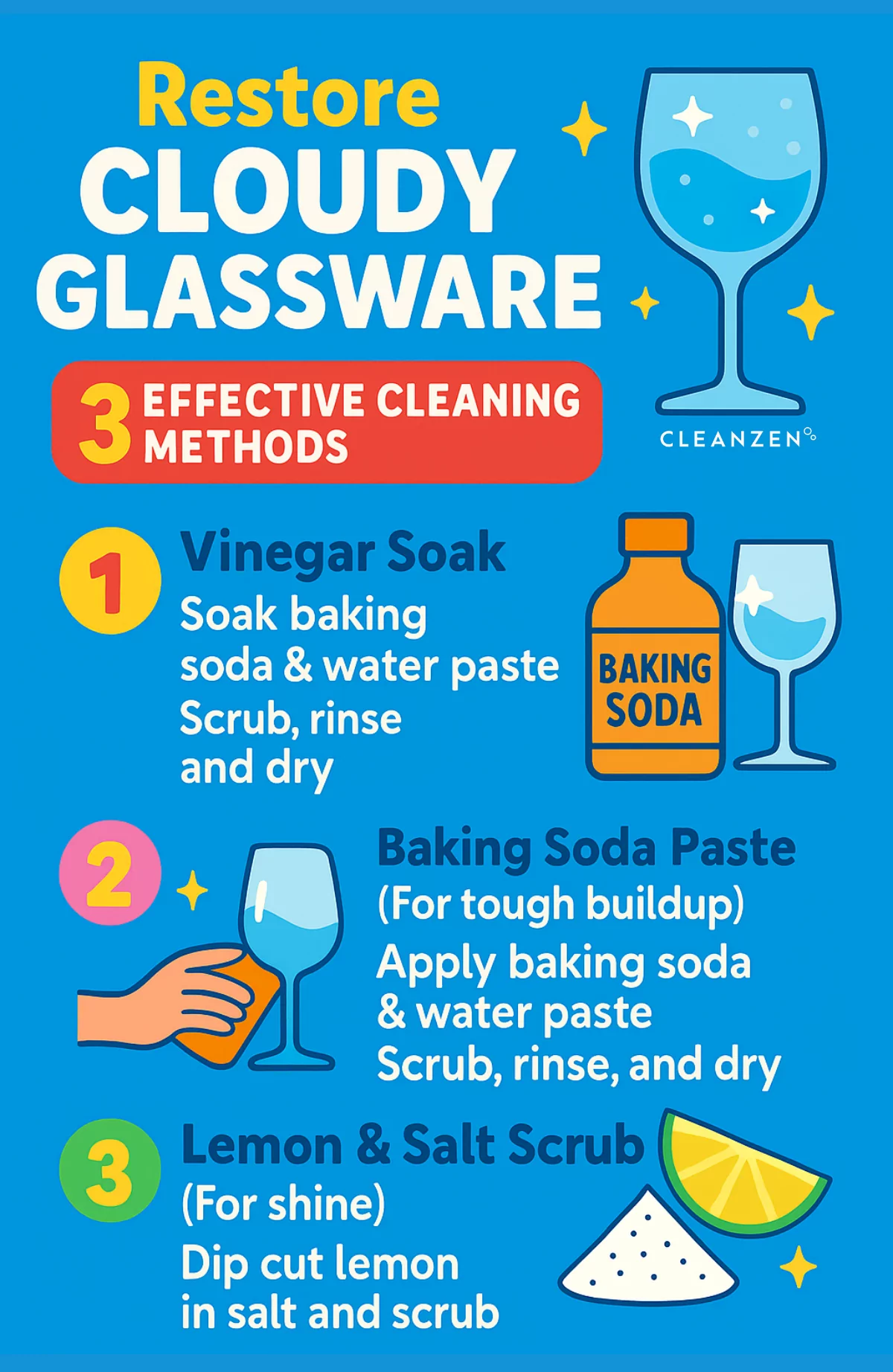
When regular rinsing fails to remove that stubborn white film, mineral deposits have bonded to your lenses. Create a thick paste using two parts baking soda to one part water in a small container. Dip a clean microfiber cloth corner into the paste and gently rub the exterior lens surface using small circular motions with zero pressure—your finger should barely touch the lens. Focus on areas where water droplets bead up unevenly, indicating mineral buildup. Continue for 60-90 seconds, rewetting the cloth if it dries out. Rinse thoroughly under cool running water for at least 30 seconds, checking that no gritty residue remains in the nose bridge channels. This method safely removes calcium deposits without harming anti-fog coatings when done correctly.
Fixing Interior Fog Without Destroying Anti-Fog Coating
Most swimmers accidentally ruin their goggles’ interior coating while trying to clean fog. Never use vinegar, alcohol, or commercial glass cleaners inside Speedo goggles—these dissolve anti-fog treatments instantly. Instead, apply one drop of baby shampoo to a damp microfiber cloth and gently wipe the interior lens in straight lines from top to bottom (not circles). Rinse by holding goggles under running water with lenses facing downward to prevent water trapping. For competition goggles, Speedo recommends using their official anti-fog solution rather than DIY methods to maintain warranty coverage.
Weekly Deep Cleaning Routine for Competition-Ready Clarity
Set aside 10 minutes weekly to prevent buildup from becoming permanent. Fill a small bowl with lukewarm water (never hot) and add one drop of Dawn dish soap—the grease-cutting formula dissolves sunscreen residue better than other soaps. Submerge your Speedo goggles for 15 minutes, then use a soft-bristled toothbrush (dedicated solely to goggle cleaning) to gently scrub along the silicone gasket where oils accumulate. Pay special attention to the nose bridge crevices—this is where most leaks originate from trapped residue. Rinse under cool water for 45 seconds while flexing the gaskets to flush all soap from hidden areas. Hang goggles upside down on a clean towel to ensure complete drainage before storage.
Speedo’s Official Warning About Vinegar Cleaning
While vinegar effectively removes mineral deposits, Speedo’s technical team warns it destroys anti-fog coatings after just 2-3 uses. If you must use vinegar for extreme buildup, mix equal parts white vinegar and distilled water in a container. Submerge only the exterior lens surface for maximum 10 minutes—never soak the entire goggle. Immediately follow with a 60-second rinse under cool running water, then apply Speedo’s anti-fog solution to restore partial protection. This emergency method should never become part of your regular routine.
Proper Storage That Doubles Your Goggles’ Lifespan

How you store Speedo goggles matters as much as how you clean them. Always use the hard-shell case that came with your goggles—soft pouches offer zero protection against pressure damage in your swim bag. Before storing, ensure goggles are 100% dry by leaving them out overnight in a well-ventilated area. Never store goggles while damp, as trapped moisture breeds mold that etches lens surfaces. Place a silica gel packet in the case to absorb ambient humidity—replace it monthly. Most importantly, never leave goggles in direct sunlight or hot cars, where temperatures above 120°F warp polycarbonate lenses and melt silicone seals permanently.
Three Deadly Mistakes That Ruin Speedo Goggles Permanently
Using Your Finger to Wipe Lenses
Touching lenses with dry fingers transfers skin oils that bond with chlorine, creating permanent haze. Always wet lenses before touching, and use only microfiber cloths for drying.
Rinsing With Hot Water After Pool Use
Chlorine becomes highly reactive at high temperatures, accelerating chemical breakdown of lens materials. Speedo’s warranty explicitly voids coverage for hot water damage.
Storing Goggles With Lens Caps On
Trapped moisture between the cap and lens creates a breeding ground for mold that etches anti-fog coatings. Always store goggles without caps in a ventilated case.
When Cleaning Won’t Fix Your Speedo Goggles (Time for Replacement)
Deep scratches that catch your fingernail indicate irreversible damage—polycarbonate lenses can’t be buffed like glass. If the silicone gasket shows visible cracks or has lost its tackiness (no longer sticks gently to clean glass), replacement is necessary regardless of cleaning efforts. Yellowed lenses signal UV degradation that filtering won’t reverse. Straps that stretch beyond adjustment or develop permanent kinks compromise seal integrity. Speedo recommends replacing competition goggles every 6-12 months with regular use, as anti-fog coatings naturally degrade even with perfect care.
Speedo’s Official Post-Cleaning Anti-Fog Protocol
After any deep cleaning, restore fog protection with this method used by Olympic swimmers. Rinse goggles thoroughly, then apply Speedo’s Anti-Fog Solution to the interior lens. Spread evenly with a clean microfiber cloth using straight motions—not circles—to avoid streaks. Let dry for 5 full minutes before use—rushing this step traps moisture under the coating. For emergency situations, spit on the interior lens and smear evenly; saliva’s enzymes create temporary anti-fog properties. Never use commercial anti-fog sprays designed for masks—they contain chemicals that cloud Speedo lenses within days.
Monthly Maintenance Checklist for Peak Performance
Inspect the nose bridge for stress cracks by gently bending it—any visible white lines mean imminent failure. Check strap elasticity by stretching to full extension; if it doesn’t snap back immediately, replace soon. Test seal integrity by pressing goggles against your face without straps—if they stay suctioned for 5+ seconds, the seal is good. Examine lens edges for cloudiness indicating coating separation. Address any issues immediately before they worsen—Speedo’s warranty covers manufacturing defects but not damage from improper care.
By following these precise cleaning methods tailored specifically for Speedo’s materials and coatings, you’ll maintain competition-ready clarity swim after swim. Remember that prevention beats correction—consistent post-swim rinsing eliminates 80% of goggle problems before they start. When in doubt about a cleaning method, consult Speedo’s official care guide online rather than risking damage with unverified techniques. Your clearest swims await with proper goggle maintenance.