You’re enjoying a sunny day when you spot it—a deep scratch across your favorite sunglasses catching the light. It distorts your vision and feels permanent. You’ve probably heard tips like using toothpaste or baking soda to fix it. But here’s the truth: most DIY methods don’t work and can permanently damage your lenses.
This guide gives you fact-based steps to assess, clean, and address scratched sunglasses lenses without risking your eye health. You’ll learn what actually works, what doesn’t, and how to protect your sunglasses going forward.
Identifying True Scratches vs. Other Damage

Not all marks on sunglasses are actual scratches. Misdiagnosing the problem leads to ineffective or harmful fixes.
True Scratches vs. Coating Damage
True scratches are grooves etched into the lens material itself. They’re tactile—you can feel them with a fingernail—and cause light distortion. Coating damage affects anti-reflective, mirror, UV, or hydrophobic layers and appears as hazy patches, iridescent swirls, or peeling rather than deep grooves.
Using abrasive methods on coating damage removes protective layers, increasing UV exposure and reducing lens performance.
Smudges That Look Like Scratches
Before assuming a scratch, test first. Rinse lenses under lukewarm water, gently wipe with a clean microfiber cloth, and check if the mark disappears. If it does, the issue was grime—not a scratch. Oils from skin, sunscreen, or saltwater often mimic scratches when dry.
Deep vs. Surface-Level Scratches
Surface scuffs are light marks that only catch light at certain angles. Deep scratches penetrate the lens and cause halos, blurring, or vision distortion, especially in bright light or at night. If you feel resistance when running a fingernail over the mark, it’s a deep scratch that cannot be polished out safely at home.
Why Toothpaste Doesn’t Work on Scratches
Toothpaste is one of the most commonly suggested remedies, but it fails to deliver results.
The Toothpaste Myth Explained
Toothpaste contains mild abrasives that claim to polish the lens surface. However, these abrasives only affect surrounding material, not the scratch itself. Worse, they can degrade anti-reflective and UV coatings, leaving micro-abrasions that cause haze over time.
Testing with non-gel toothpaste showed zero improvement in scratch depth or clarity. The only change was a minty smell. Bottom line: not effective, and the risk outweighs any negligible benefit.
Why Baking Soda Paste Damages Lenses
Baking soda paste is another popular home remedy that causes more harm than good.
The Reality of Baking Soda Treatments
A baking soda and water mixture acts as a gentle polish in theory. In practice, testing showed no visible reduction in scratches across multiple lens types. The paste can trap residue in grooves and is harsh enough to strip coatings and warp thin lenses.
Verdict: ineffective and potentially damaging. Avoid this method entirely.
Why Vinegar, Sunscreen, and Wax Are Dangerous
Some remedies don’t just fail—they actively harm your lenses and your eyes.
Vinegar Cleans Film, Not Scratches
Vinegar may clean hard water spots or film, giving the illusion of improvement. However, its acidic nature harms coatings with repeated use, and it has no effect on actual scratches. Use vinegar only for general cleaning, never for scratch repair.
Sunscreen and Wax Remove Coatings
Sunscreen or car wax may temporarily fill grooves to reduce scratch visibility. But to work, these substances often dissolve mirror or UV coatings entirely. This is dangerous—dark lenses without UV protection cause pupil dilation, letting in harmful rays that increase risk of cataracts, macular degeneration, and corneal sunburn.
Glass Etching Cream Destroys Lenses
Glass etching cream contains hydrofluoric acid, which erodes lens material and removes all coatings. It requires lab safety gear and is not for consumer use. This method can weaken lens structure and cause chemical burns.
The Proper Way to Clean Sunglasses Safely
Even if you can’t remove scratches, you can prevent them from getting worse with proper cleaning.
Step-by-Step Cleaning Process
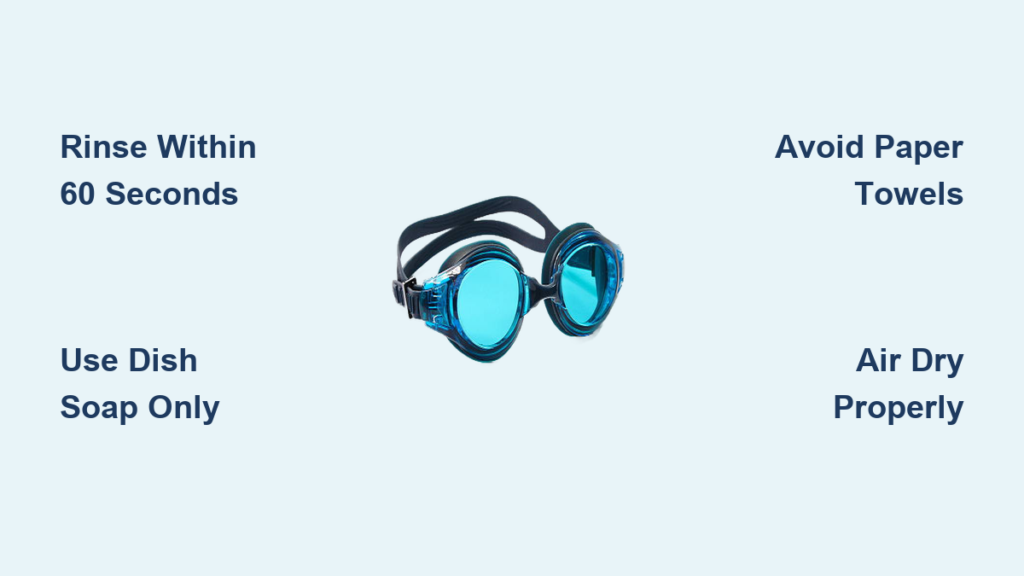
- Rinse first using lukewarm water to wash away sand, dust, or grit. Dry wiping dirty lenses is a top cause of new scratches.
- Apply mild soap using a drop of phosphate-free dish soap to wet lenses. Gently rub with fingertips.
- Rinse thoroughly to remove all soap residue and avoid film buildup.
- Dry with microfiber using a clean, dry microfiber cloth. Never use clothing, paper towels, or tissues.
- Store properly in a hard case to prevent accidental damage.
What to Avoid When Cleaning
Avoid household cleaners like Windex, alcohol, or ammonia, as they strip protective coatings. Never dry wipe lenses or use dirty cloths, as accumulated grit scratches lenses over time. Also avoid extreme heat, which warps frames and degrades coatings.
Lens Replacement: The Only Real Fix
When scratches impair vision or aesthetics, lens replacement is the only safe, effective solution.
Why Replacement Works
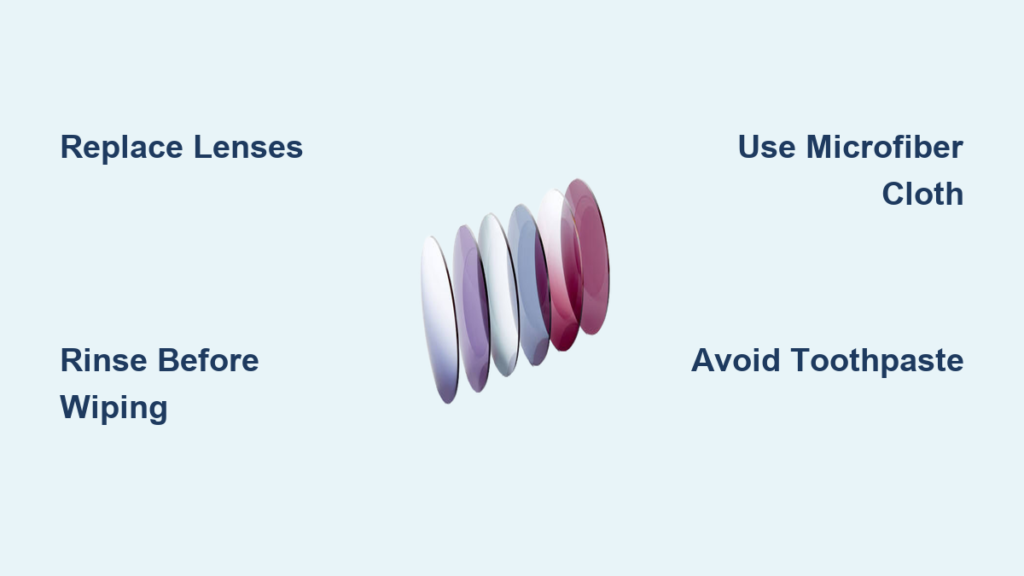
Replacement restores optical clarity and UV protection while preserving high-value frames like Ray-Ban, Oakley, or Costa Del Mar. It often costs less than buying new sunglasses and allows for upgrades like polarization, tint, or mirror finish.
How to Replace Your Lenses
- Identify your frame model by checking the inside of the temple arm for brand and model information.
- Order replacement lenses from the manufacturer, authorized retailers like Sunglass Warehouse, or verified third-party vendors on Amazon or eBay.
- Install at home using a small screwdriver for metal frames or by gently flexing arms for plastic frames. Most non-prescription lenses snap or screw in place.
Time required: 5 to 10 minutes for most models.
Cost of Replacement Lenses

| Type | Price Range |
|---|---|
| Non-prescription | $20–$60 |
| Polarized upgrade | +$20–$50 |
| Prescription | $50–$150+ |
| Photochromic | +$40–$70 |
Preventing Future Scratches
Once you’ve replaced or protected your lenses, keep them scratch-free with these habits.
Best Cleaning Practices
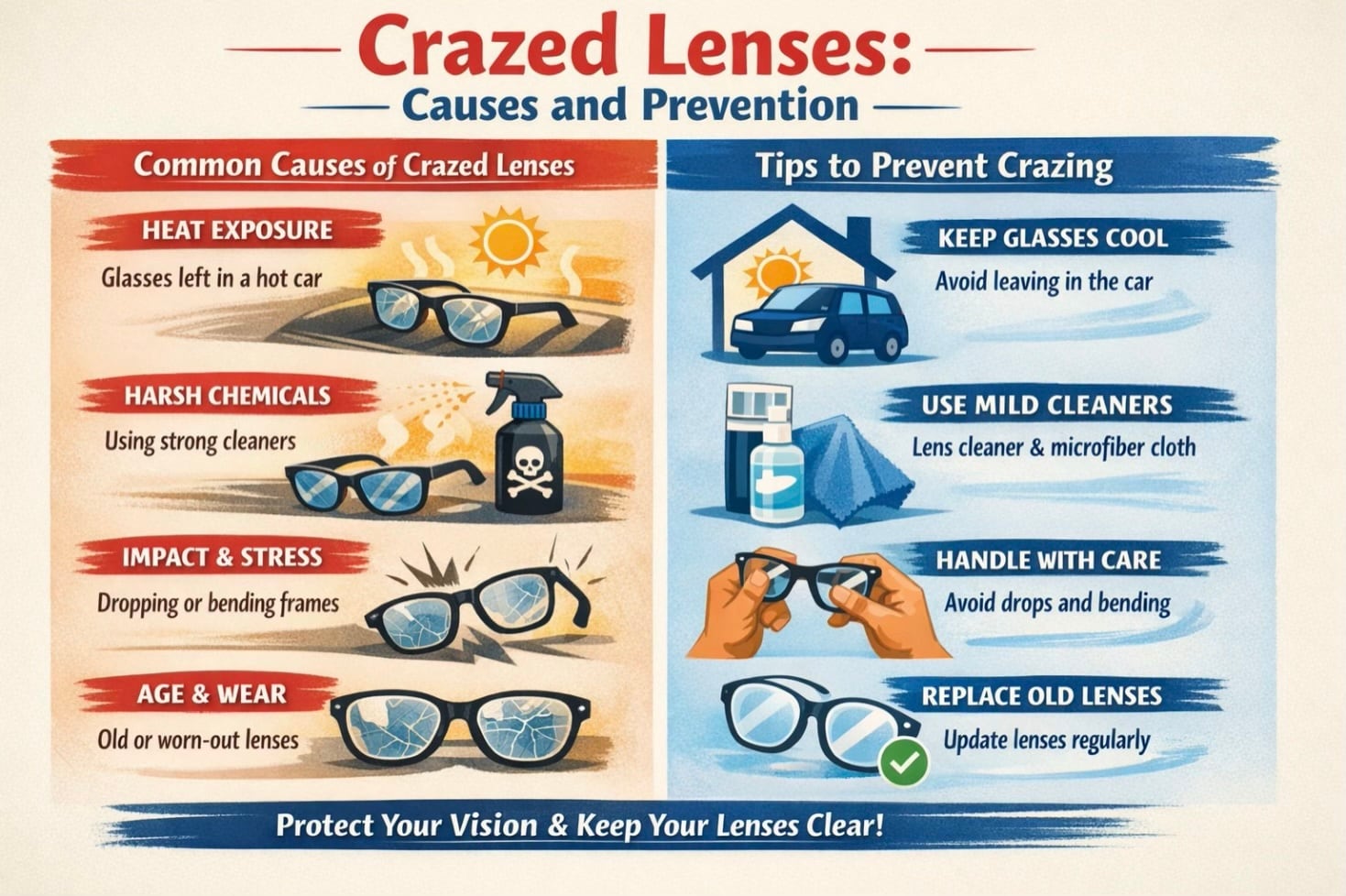
Always rinse before wiping to remove debris. Use only microfiber cloths and replace them when worn. Use lens-safe spray or mild soap, and never clean dry lenses.
Safe Storage Tips
Use a hard-shell case, not a soft pouch. Keep the case clean since debris inside causes scratches. Store sunglasses upside down when no case is available, and never leave them on car dashboards where heat warps frames and degrades coatings.
Handling Guidelines
Wash hands before handling sunglasses. Avoid placing lenses-down on tables or counters. Use both hands to put on and take off sunglasses to prevent frame warping.
Upgrade with Anti-Scratch Coating
Anti-scratch treatments are applied during manufacturing and cannot be added later. They reduce risk from daily wear but aren’t scratch-proof. When buying new sunglasses, choose models with dual protection: scratch-resistant coating plus UV400 protection.
When to Replace Instead of Repair
Replace lenses if scratches are tactile or deep, if vision is blurry or distorted, or if you get headaches or eye strain during use. Replace if coatings are peeling, hazy, or iridescent, or if lenses no longer block UV light. Cracked or chipped lenses must be replaced immediately due to shattering risk.
Frequently Asked Questions About Scratched Sunglasses Lenses
Can you actually remove scratches from sunglasses?
No. True scratches that cut into the lens material cannot be removed at home. Only professional lens replacement restores clarity and safety.
Does toothpaste work on minor scratches?
No. Any perceived improvement comes from coating wear, not scratch removal. Repeated use damages UV and anti-reflective layers.
Are plastic lenses more scratch-prone than glass?
Yes. Plastic and polycarbonate scratch more easily, but they’re lighter and safer since they won’t shatter. Most modern sunglasses use coated plastic for balance.
Do anti-scratch coatings prevent all damage?
No. They reduce but don’t eliminate scratches. Sand, grit, and improper cleaning can still cause damage.
Can scratches cause eye strain?
Yes. Scratches scatter light, forcing your eyes to work harder. This leads to fatigue, headaches, and reduced visual comfort, especially while driving or in bright sun.
Final Verdict: Stop Trying to Fix Scratches—Replace Them
The hard truth is that you cannot clean or polish out a real scratch. Methods like toothpaste, baking soda, or wax are myths that risk your eye health and destroy protective coatings.
What Actually Works
Rinse and clean properly to prevent new scratches. Replace lenses to restore full performance. Use microfiber cloths and hard cases for daily protection. Buy sunglasses with anti-scratch coatings from the start.
What Doesn’t Work
Stop using toothpaste, baking soda, vinegar, sunscreen, car wax, furniture polish, sandpaper, etching cream, and DIY polishing. Stop wiping with clothing or paper towels.
Expert Consensus
Eyewear professionals do not offer scratch repair. Their universal recommendation is lens replacement. As one 27-year industry veteran puts it, most DIY solutions are more of a bad hack—they can make things worse.
Bottom line: The best way to handle a scratched sunglass lens isn’t to clean it at all—it’s to replace it. Protect your eyes, your vision, and your investment by choosing safe, proven solutions over internet myths.