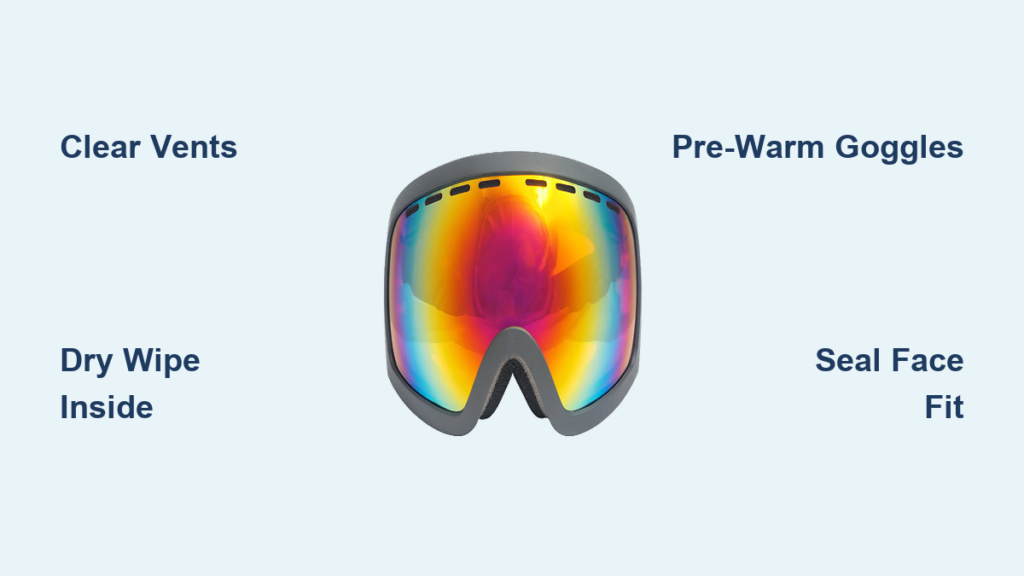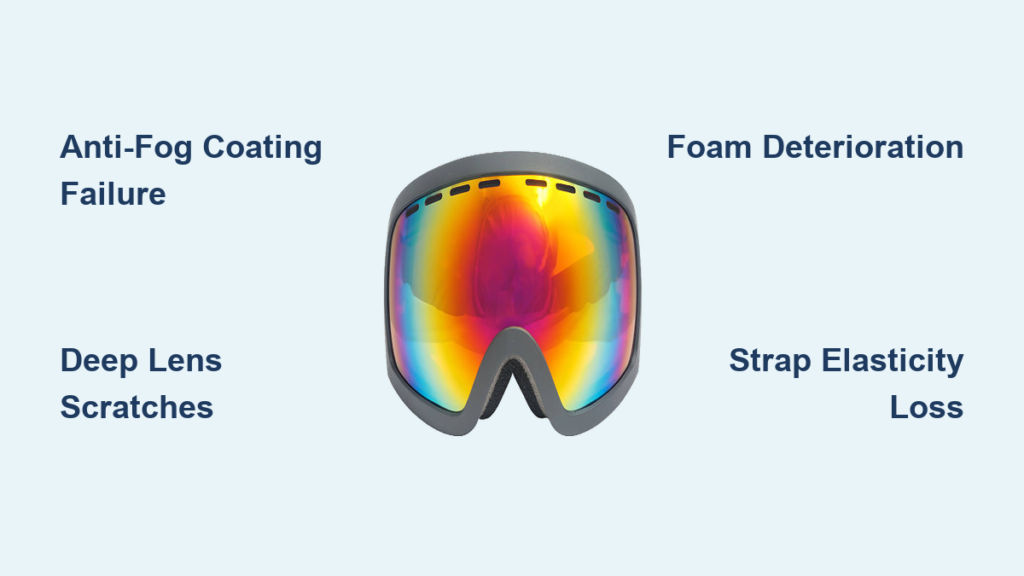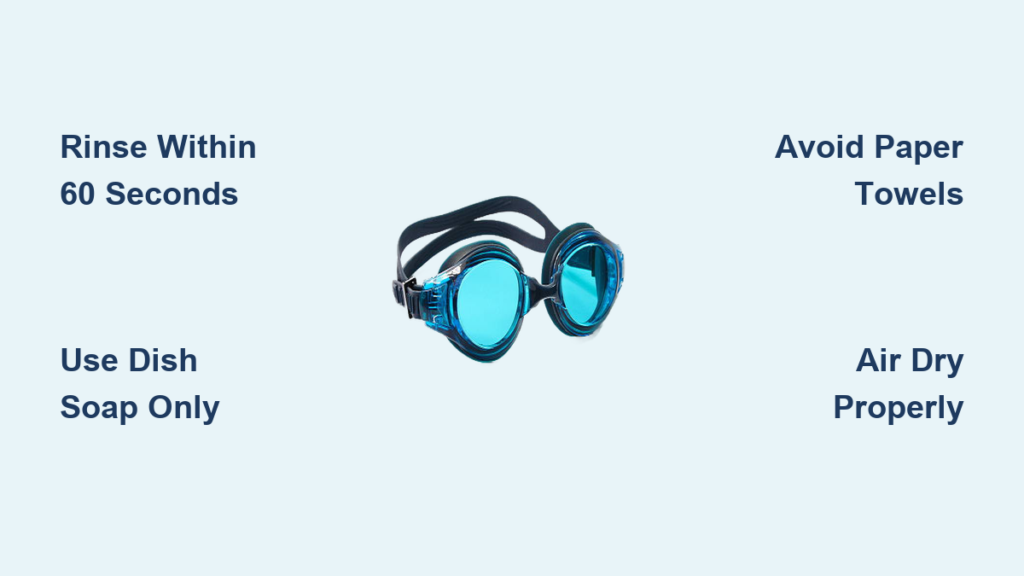
You’ve invested in premium ski gear, but if your snow goggles don’t fit properly, you’ll spend your entire run battling fog, discomfort, and compromised vision. Understanding how should snow goggles fit is the non-negotiable foundation of mountain safety—more critical than lens color or brand prestige. A poorly fitting pair creates pressure points that cause headaches, allows icy wind to sting your eyes, and guarantees frustrating fog buildup that obscures hazards. When you nail the perfect fit, you gain unobstructed peripheral vision for navigating trees, eliminate blind spots from gaps, and maintain crystal-clear sight through blizzards. This guide reveals exactly what to feel, test, and adjust for goggles that disappear on your face while protecting your vision all day.
The difference between a great ski day and a miserable one often hinges on one overlooked detail: whether your goggles create a seamless barrier against the elements. Properly fitted snow goggles should feel like an extension of your face—not a restrictive clamp or loose accessory that shifts with every turn. You’ll know you’ve achieved ideal fit when you forget you’re wearing them, yet they consistently block wind-driven snow and prevent moisture buildup. Before we dive into specific tests, remember this golden rule: goggles must work as a system with your helmet, not as a standalone piece. Let’s transform guesswork into confidence with actionable fit checks you can perform today.
Finding Your Perfect Snow Goggle Fit Without Guessing
Achieving how should snow goggles fit precision requires targeting three non-negotiable elements: facial seal integrity, helmet compatibility, and pressure distribution. Your ideal pair creates a complete moisture barrier while maintaining blood flow to your face—critical for preventing frostnip during long chairlift rides. Never settle for “close enough” when trying on goggles; that slight pinch on your cheekbones will become excruciating after two hours on the mountain. Instead, prioritize models with multi-layer foam that molds to your unique facial contours without excessive compression. Remember that frame shape matters more than size labels—many brands offer narrow, wide, or Asian-fit profiles to accommodate different nose bridges and cheekbone structures.
Seal Test: Eliminate Fogging Gaps in 30 Seconds
Fogging isn’t random—it’s always a symptom of compromised seal integrity. Perform this critical test before purchasing: place the goggles on your face without tightening the strap, then gently press the frame against your skin. Stand in bright light facing a mirror and scrutinize for any light penetration, especially along your nose bridge and temple areas. Pro Tip: Tilt your head side-to-side and mimic squinting to reveal hidden gaps that only appear during movement. If you spot even a sliver of light, that’s an entry point for your warm breath to meet cold lenses—a guaranteed fogging recipe. The foam should compress evenly across your entire eye socket, creating uniform contact like a custom impression. Brands with 3D-shaped foam (contoured vertically and horizontally) typically seal better on angular faces than flat foam designs.
Helmet Integration: Stop the Goggle Gap Disaster

Your helmet and goggles must function as a single unit—yet 70% of ski injuries involve headgear compatibility issues. Always bring your helmet to the store for this non-negotiable check: with helmet buckled, position goggles underneath the front brim so the top frame edge meets the helmet’s base with zero gap. If you see daylight between them, wind-driven snow will infiltrate during high-speed runs. Simultaneously verify strap placement—never let it rest on your forehead above the helmet. The strap should sit flush against the helmet’s exterior shell, distributing tension evenly. For glasses wearers, press your spectacles against the goggle interior; if frames dig into your temples or cause lens distortion, seek true OTG (Over-The-Glasses) models with 5-7mm extra depth and tear-off compatible vents.
Pressure Point Diagnosis: The 90-Second Comfort Check
Discomfort isn’t “just part of skiing”—it’s your body warning of restricted circulation. After positioning goggles with your helmet, wear them for 90 seconds while making exaggerated facial expressions. Immediately check for these red flags: persistent red marks on cheekbones (indicating excessive pressure), a headache developing near your temples, or numbness around your nose bridge. Critical Insight: Proper fit should feel like light suction—not painful compression. If you experience any discomfort, the frame is either too small or mismatched to your facial topography. Try models with softer foam density or “panoramic” designs that reduce contact points. Never assume goggles will “break in”; foam compression is permanent, and persistent pressure points accelerate fogging by disrupting airflow.
Fix Common Snow Goggle Fit Problems Before They Ruin Your Day

Most goggle failures stem from undiagnosed fit issues rather than product defects. Recognizing these specific problems lets you implement targeted solutions instead of replacing perfectly good gear. The key is distinguishing between fixable adjustments and fundamental incompatibility with your facial structure. Always troubleshoot fit before blaming lens coatings or venting systems—your face geometry is the primary variable.
Stop Immediate Fogging by Securing Your Facial Seal
When goggles fog instantly upon stepping outside, 9 times out of 10 it’s a seal failure—not inadequate anti-fog treatment. First, remove any helmet and repeat the seal test: if gaps appear without helmet interference, the frame shape is wrong for your face. For helmet-induced gaps, loosen your helmet’s rear dial slightly while keeping it secure, then reposition goggles underneath. Pro Fix: Apply temporary tape along the top goggle edge where it meets the helmet to eliminate micro-gaps during testing. If fog persists, check strap tension—over-tightening distorts the frame and creates pressure points that break the seal. Aim for strap tightness where you can fit one fingertip between strap and head.
Relieve Cheekbone and Brow Pressure with Frame Resizing
Persistent pain on high-contact areas means your goggle frame clashes with your bone structure. This isn’t about “toughing it out”—restricted blood flow makes facial tissues colder and more vulnerable to frostbite. Immediately stop using the goggles if you develop white patches on cheekbones. To diagnose: compare pressure points against frame contact zones. If pain centers on upper cheekbones, you likely need a wider frame or “low bridge” fit. For brow pressure, seek models with curved top frames that follow your forehead contour. Expert Shortcut: Place folded tissue on pressure points during testing—if discomfort vanishes, the frame shape is incompatible, not the size.
Close Side and Nose Gaps for Total Element Protection
Gaps at your nose bridge or temples let in icy wind that freezes eyelashes and creates dangerous fogging cycles. These often indicate facial asymmetry or mismatched frame curvature. For nose bridge gaps, try goggles with dual-foam nose pieces or adjustable nose pads—common in Asian-fit models designed for flatter nasal bridges. Temple gaps frequently occur when helmet straps displace goggle sides; solve this by routing helmet straps under the goggle strap rather than over it. Critical Check: Wear goggles while chewing gum—if gaps appear, the frame lacks sufficient flexibility for your facial movement.
Complete Your Snow Goggle and Helmet Fit Integration Checklist

Before hitting the slopes, verify these five system-critical elements. Skipping any step risks compromised safety and performance when conditions deteriorate.
✅ Zero Gap Helmet Seal Test: With helmet secured, confirm absolute contact between goggle top frame and helmet brim. Run your finger along the junction—you should feel continuous foam contact with no air leakage.
✅ Strap Position Verification: Ensure the strap rides entirely on your helmet’s shell, not your forehead. The strap’s center point should align with the helmet’s rear vent.
✅ Dynamic Facial Seal Check: While wearing both helmet and goggles, make wide chewing motions and squint repeatedly. Recheck for light gaps in mirror—seal must hold during facial movement.
✅ Pressure Point Audit: After 5 minutes of wear, remove gear and inspect for red marks. None should remain visible after 30 seconds.
✅ Peripheral Vision Clearance: Look sharply left/right and up/down. Frame edges must stay outside your natural field of vision—no “tunneling” effect.
Maintain Your Perfect Fit All Season Long
Your ideal goggle fit isn’t set-and-forget. Foam compression changes with temperature fluctuations and usage, while facial swelling from sun exposure can alter fit mid-day. Conduct quick seal checks during lunch breaks by pressing goggles against your face without the strap. Store goggles in a cool, dry place overnight—heat accelerates foam degradation. For lasting performance, hand-wash lenses with microfiber cloth weekly to prevent oil buildup that degrades anti-fog coatings. Most importantly, never share goggles; the foam conforms to your unique face shape, and borrowing gear introduces contamination that triggers fogging.
The true test of how should snow goggles fit reveals itself when conditions turn harsh: in whiteout storms, your properly fitted goggles maintain clarity while others fog; during high-speed runs, they stay locked in position without adjustment. This precision isn’t luxury—it’s essential safety infrastructure protecting your vision from UV exposure, windburn, and impact. By investing 15 minutes in meticulous fit testing, you transform every future ski day from a battle against gear into pure mountain immersion. Your eyes deserve nothing less than seamless, fog-free performance—start your next fitting session with these proven checks, and reclaim the joy of unobstructed runs.