After a routine eye exam, many patients are left squinting in the parking lot, blindsided by sunlight that suddenly feels like a spotlight. This happens because dilating eye drops temporarily paralyze the muscles that control pupil size, leaving your eyes wide open to light. If you have just had your eyes dilated, you are likely wondering how long to wear sunglasses after dilation. The short answer: wear them continuously in daylight until your vision returns to normal, which typically takes 4 to 6 hours for adults but can last 24 hours or more for children and light-eyed individuals.
Duration of Light Sensitivity Post-Dilation
Pupil dilation does not end when you leave the clinic. The effects linger, and so should your eye protection. How long you need sunglasses depends on how long your pupils stay dilated, and that varies widely based on several factors.
Factors That Extend Dilation Time
Several key factors influence how long your eyes stay sensitive after dilation:
- Age plays a major role. Adults usually recover in 4 to 6 hours, while children and teens often remain dilated 12 to 24 hours due to stronger cycloplegic drops like cyclopentolate.
- Eye color matters significantly. Light-colored eyes such as blue, green, or hazel absorb less medication, leading to longer-lasting dilation. Dark eyes like brown or black typically recover faster.
- The type of drops used affects duration. Tropicamide wears off in 4 to 6 hours, but cyclopentolate or phenylephrine combinations can extend sensitivity beyond a full day.
- Underlying health conditions can slow recovery. Diabetes, glaucoma medications, or antihistamines may prolong the effects.
Because dilation duration is unpredictable, wear sunglasses for as long as you feel discomfort in light, not just a set number of hours.
When It Is Safe to Stop Wearing Sunglasses
You can stop wearing sunglasses only when specific conditions are met. Your near vision should be clear without blurriness when reading signs or phones. You should be able to look toward bright lights without squinting or experiencing pain. You should be in dim lighting or nighttime conditions where daylight exposure is not a factor. Your pupils should appear smaller in a mirror, though self-checks are not always reliable.
Until all these conditions are met, keep your sunglasses on. When in doubt, continue wearing them.
Why Sunglasses Are Essential After Dilation
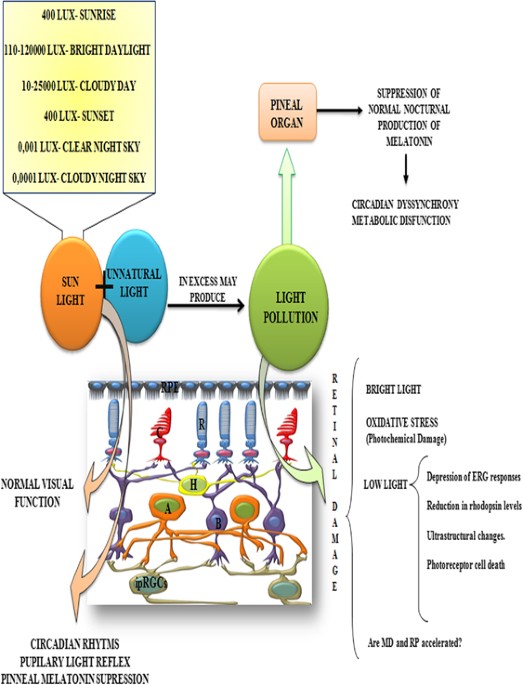
Dilation is not just about blurry vision. It creates a unique vulnerability in your eyes that requires protection. Without it, you are exposed to risks far beyond temporary discomfort.
How Dilation Increases Light Sensitivity
Dilating drops perform two critical functions. They paralyze the iris sphincter muscle so pupils cannot shrink in response to bright light. They also relax the ciliary muscle, impairing your ability to focus on close objects.
This combination means excessive light floods the retina, causing glare, halos, and significant pain. Both sunlight and indoor lighting from LEDs or fluorescents become harsh and overwhelming. Your eyes lose their natural auto-brightness adjustment, similar to a camera stuck on maximum aperture with no ability to adjust.
Sunglasses act as a manual override, reducing incoming light until your pupils regain their natural function.
Risks of Going Without Sunglasses
Skipping sunglasses, even for a short walk to your car, can lead to several problems. You may experience severe eye strain and debilitating headaches. Glare-induced disorientation increases your risk of falls or accidents. Prolonged exposure can cause photokeratitis, essentially a sunburn on your cornea. Cumulative UV exposure raises long-term risks for cataracts and macular degeneration.
One-time lapses rarely cause permanent harm, but repeated unprotected exposure adds up significantly over time.
Best Sunglasses for Post-Dilation Protection
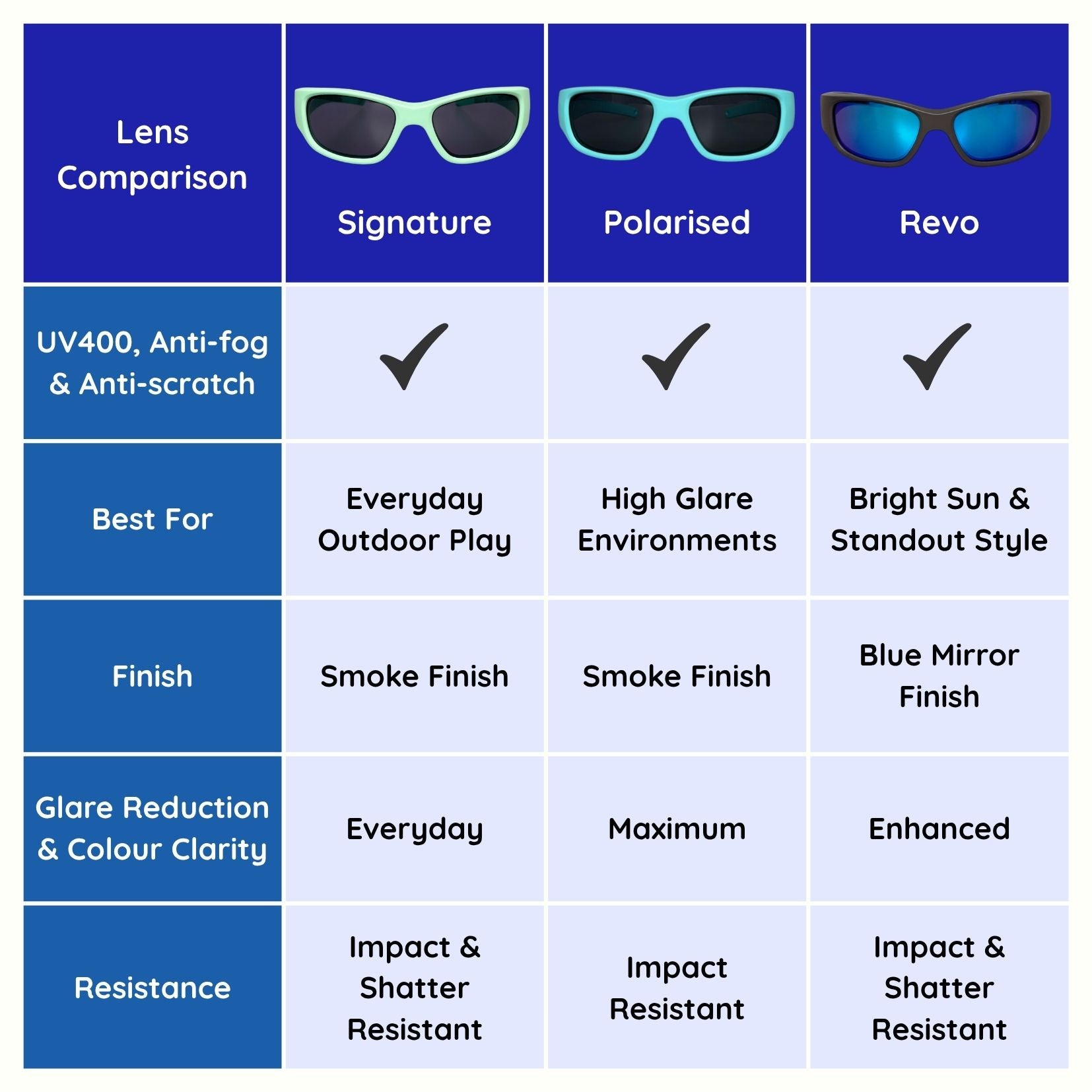
Not all sunglasses provide equal protection after dilation. You need maximum defense against both glare and harmful UV radiation.
Key Features to Look For
When selecting sunglasses for post-dilation use, prioritize these essential features:
- 100 percent UV protection rated UV400 blocks all UVA and UVB rays. This is critical when dilated pupils allow deeper retinal penetration of harmful wavelengths.
- Polarized lenses reduce glare from roads, water, and glass surfaces. This is especially ideal for driving or walking in bright sunlight.
- Wraparound or large frames shield eyes from side light, which worsens discomfort significantly.
- Medium to dark tints in gray, brown, or amber work best. Gray preserves accurate color perception while brown and amber boost contrast.
- Non-prescription or clip-on compatible options work for most patients who do not need prescription lenses after their exam.
Avoid overly dark lenses for indoor use, as they can make it harder to adjust to normal lighting conditions.
What to Do If You Forget Sunglasses
Most clinics provide disposable paper sunglasses for patients who forget their own. Use them immediately upon leaving the exam room. While not ideal, they offer basic UV protection and reduce glare long enough to get to your car or home safely.
Consider keeping a foldable pair in your bag or vehicle for future eye appointments. This simple preparation ensures you are always ready.
Activities to Avoid While Dilated
Dilation affects more than light sensitivity. It impairs overall visual function, making certain activities dangerous or uncomfortable during recovery.
Avoid Driving Until Vision Recovers
Driving is not recommended for 4 to 6 hours after dilation for several important reasons. Blurry near vision makes reading dashboards or GPS displays difficult. Glare from headlights or sunlight can be blinding even with sunglasses. Your depth perception and reaction time are significantly reduced.
If you must drive, wear high-quality polarized sunglasses and limit trips to short, daylight routes. Avoid rush hour traffic and nighttime driving entirely. The safer choice is to arrange a ride with a friend, family member, or rideshare service.
Limit Screen and Reading Time
Your eyes will not focus well on close tasks. Avoid reading small print, extended computer or phone use, and any tasks requiring fine visual detail.
If you must use screens, lower the brightness and enable night mode or blue light filters. Work in dimmed, indirect lighting rather than bright environments.
Sunglasses are not practical indoors, but tinted computer glasses with amber lenses can help reduce strain from screen use.
Special Cases: Kids, Frequent Dilation, and Medical Conditions
Some patients need extra protection due to longer or more frequent dilation periods.
Dilation in Children
Children often stay dilated 12 to 24 hours or longer, especially during exams for lazy eye, nearsightedness progression, or accurate refractive measurement. Parents should ensure sunglasses are worn at school dismissal, during recess, or outdoor play. Inform teachers about temporary reading difficulties or light sensitivity the child may experience. Pack a hat or cap for additional shade when outdoors.
Treat post-dilation sensitivity like sunscreen for the eyes. It is non-negotiable.
Chronic Eye Conditions and Regular Monitoring
Patients with diabetes, glaucoma, or macular degeneration may undergo dilation every 3 to 12 months. To protect long-term eye health, always bring high-quality sunglasses to appointments. Consider photochromic lenses for daily use that automatically adjust to lighting conditions. Wear wide-brimmed hats when outdoors for added protection.
Discuss Optos retinal imaging with your doctor. While it can capture 82 percent of the retina without drops, dilation is still needed for detailed evaluation of peripheral retina or suspected pathology.
Real-World Recovery Timelines
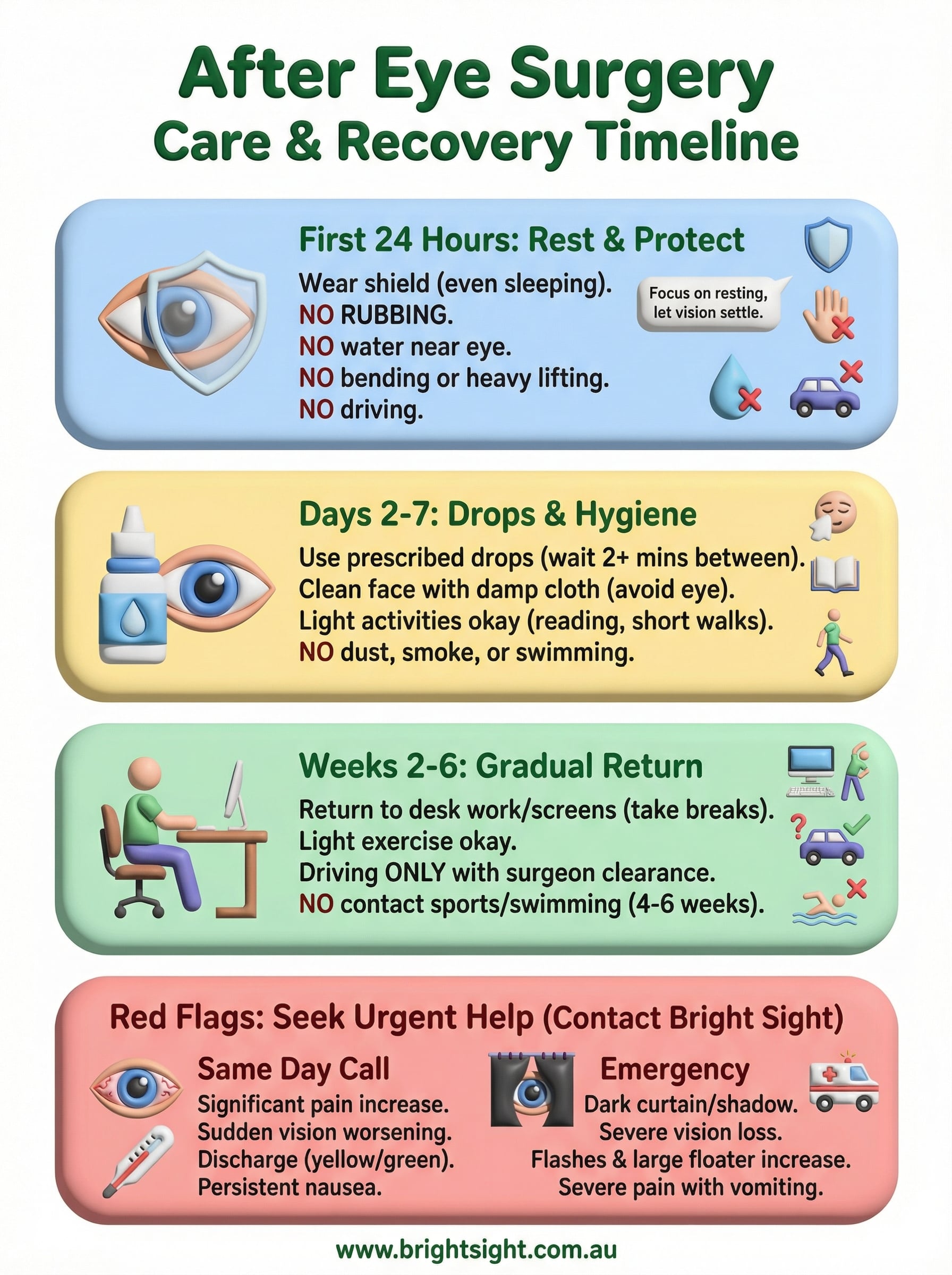
Patient experiences confirm that recovery is not one-size-fits-all. Understanding typical patterns helps set realistic expectations.
Typical Recovery Patterns
Adults with brown eyes typically feel back to normal in 4 to 6 hours. Sunglasses are often removable by evening if the exam was scheduled in the morning. Adults with blue or green eyes may need protection for 8 to 12 hours, especially after stronger dilating drops.
Children and teenagers frequently require sunglasses into the next day. One parent reported their 10-year-old was still squinting at school the following morning after a 3 PM appointment.
Some patients notice residual mild glare or fogginess even after pupils appear to have constricted. This is likely due to neural adaptation lag rather than ongoing dilation.
If you still feel discomfort after 6 hours, keep wearing sunglasses. Recovery is not over just because the clock says it should be.
When to Call Your Eye Doctor
While dilation is generally safe, certain symptoms warrant medical attention. Contact your eye doctor if you experience eye pain or severe headache lasting beyond 12 hours. Watch for nausea, vomiting, or seeing rainbows around lights, as these may signal acute angle-closure glaucoma, which is rare but serious.
Seek help if there is no improvement in vision after 24 hours. Report any redness, discharge, or sensation of something in the eye, as these could indicate corneal irritation.
Key Takeaways for Protecting Your Eyes After Dilation
Protecting your eyes after dilation is simple, but skipping it can turn a routine visit into a painful experience. Bring sunglasses to every eye exam rather than relying on disposable pairs. Your own polarized, wraparound sunglasses offer better comfort and protection.
Put sunglasses on before leaving the clinic, even on cloudy days. UV radiation penetrates cloud cover, and brightness hits fast. Be ready before you step outside.
Wear sunglasses for 4 to 6 hours minimum, but extend to 24 hours if you are a child, have light eyes, or received cyclopentolate drops. Avoid driving and visually demanding tasks until your vision recovers. Give your eyes time to heal.
Protect children like you would from sunburn. Post-dilation sensitivity requires the same vigilance you would apply to sun protection for their skin.
Frequently Asked Questions About Wearing Sunglasses After Dilation
How long do I need to wear sunglasses after eye dilation?
Most adults need to wear sunglasses for 4 to 6 hours after dilation. Children and individuals with light-colored eyes may need protection for 12 to 24 hours or longer. Continue wearing them until your vision returns to normal and bright light no longer causes discomfort.
Can I drive after having my eyes dilated?
Driving is not recommended for 4 to 6 hours after dilation due to blurry vision, impaired depth perception, and extreme sensitivity to glare. If you must drive, wear high-quality polarized sunglasses and stick to short, daylight routes. Arranging alternative transportation is the safer option.
What happens if I do not wear sunglasses after dilation?
Without sunglasses, you risk severe eye strain, headaches, and glare-induced disorientation. Prolonged unprotected exposure can contribute to long-term damage including cataracts and macular degeneration. While brief lapses rarely cause permanent harm, consistent protection is important.
Do I need sunglasses indoors after dilation?
Indoors, sunglasses are generally not necessary unless you are in very bright lighting. However, overhead lights, computer screens, and reflective surfaces can cause discomfort. If indoor lighting bothers you, consider dimming lights or using tinted computer glasses with amber lenses.
Why do children stay dilated longer than adults?
Children have more reactive ciliary muscles and often receive stronger cycloplegic drops like cyclopentolate for accurate refractive measurements. Their eyes also absorb less of the medication due to less pigment in their irises, extending the dilation duration significantly.
When can I safely stop wearing sunglasses after dilation?
Stop wearing sunglasses when your vision returns to normal clarity, you can look at bright lights without squinting or pain, and you are in dim lighting or nighttime conditions. If you are unsure whether dilation has fully resolved, err on the side of continued protection.