Nothing ruins a smooth swim session faster than constantly adjusting your goggles. While these essential pieces of swim gear provide crucial eye protection and underwater visibility, they come with several drawbacks that affect performance, comfort, and even health. Thousands of swimmers experience these issues daily but rarely discuss them openly. Understanding these disadvantages helps you make informed choices about your swim equipment and develop strategies to minimize their impact on your training.
Goggle-related problems range from temporary discomfort to serious health concerns that can derail your swimming routine. From the persistent annoyance of fogged lenses to the potential for eye infections, these issues affect recreational swimmers and competitive athletes alike. This guide explores the genuine disadvantages of swimming goggles, providing practical solutions to help you swim smarter and more comfortably.
Pressure Marks and Facial Discomfort That Won’t Fade

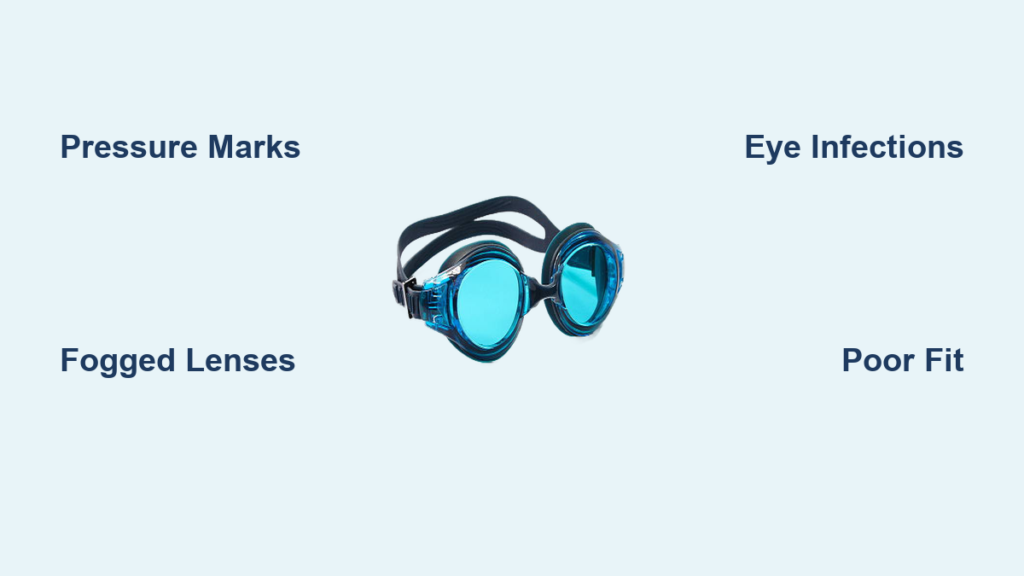
The tight seal necessary for waterproof performance creates unavoidable pressure on delicate facial tissue. Many swimmers emerge from the pool with distinctive dark circles around their eyes that can take hours to disappear completely.
Why You Get Persistent “Raccoon Eyes”
When you press goggles firmly against your face to prevent leaks, the silicone gasket compresses the thin skin around your eye sockets. This compression restricts blood flow in the area, causing temporary discoloration that resembles raccoon markings. Competitive swimmers who train multiple hours daily often experience these marks becoming more pronounced and taking longer to fade. The problem worsens when you over-tighten the strap to compensate for an imperfect fit, creating deeper indentations that may cause tenderness for hours after your swim.
Skin Irritation Beyond Simple Discomfort
Swimmers with sensitive skin frequently develop redness, itching, and even chafing from prolonged goggle use. The constant friction between the silicone seal and facial skin creates micro-abrasions that become irritated by pool chemicals. Some swimmers experience allergic reactions to materials in the gasket or strap, resulting in hives or swelling around the eyes. This problem intensifies during extended training sessions or open water swims where you can’t easily adjust or remove your goggles. The irony? Equipment designed for protection sometimes creates its own skin problems that require medical attention in severe cases.
Fogged Lenses: The Constant Visibility Battle
Nothing disrupts your stroke rhythm like suddenly losing sight of the lane lines directly in front of you. Fogging remains the most universal goggle problem across all skill levels and experience.
Why Anti-Fog Technology Fails Mid-Swim
Most quality goggles come with factory-applied anti-fog coating, but this protective layer degrades quickly with regular use. Within weeks of regular swimming, the coating wears off unevenly, creating patchy areas where condensation forms. Temperature differentials between your face and the water accelerate this process—warm, humid air from your skin meets the cooler lens surface, causing immediate fogging. Swimmers in outdoor pools face additional challenges as sunlight heats the lenses while cool water maintains temperature differences.
Temporary Fixes That Create New Problems
The common spit-in-goggles technique provides only minutes of clarity before fog returns. Commercial anti-fog solutions require frequent reapplication that interrupts your warm-up routine. Some swimmers resort to applying baby shampoo inside their lenses, but improper rinsing leaves residue that stings eyes and degrades lens coatings faster. Each time you stop swimming to address fogging, you lose valuable training time and momentum. In competitive situations, sudden fogging can mean the difference between winning and losing a race.
Eye Infections From Your Own Goggles

Your goggles create a perfect breeding environment for bacteria between your face and the lens—a warm, moist, dark space with minimal airflow.
How Clean Goggles Become Contamination Vectors
When you put on goggles, natural facial oils and bacteria transfer to the interior surfaces. During your swim, sweat and pool chemicals mix with these contaminants inside the sealed environment. If you don’t thoroughly clean and dry your goggles after each use, bacteria multiply rapidly on the silicone seal and lens interior. The next time you swim, these concentrated bacteria transfer directly to your eyes, potentially causing infections like bacterial conjunctivitis. Sharing goggles—even once—dramatically increases this risk through cross-contamination.
The Cleaning Routine Most Swimmers Skip
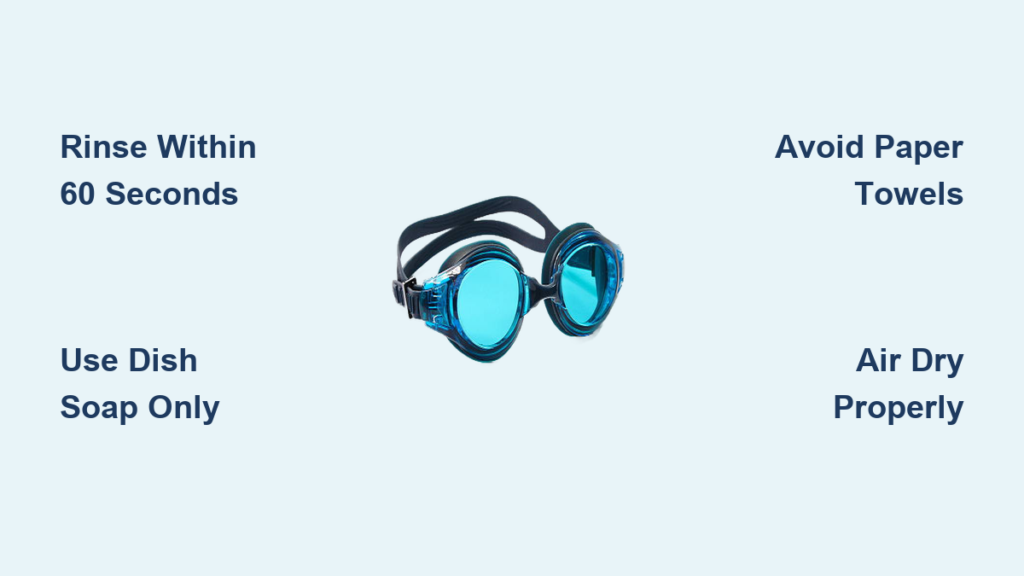
Proper goggle maintenance requires more than a quick rinse. Effective cleaning involves gently scrubbing both interior and exterior surfaces with mild soap, then air-drying completely away from direct sunlight. Many swimmers simply wipe their goggles with a towel and store them in a damp bag, creating ideal conditions for bacterial growth. This neglect turns protective equipment into infection vectors that can sideline you from training for days or weeks.
Fit Challenges That Cause Constant Leaks

Finding goggles that create a perfect seal for your unique facial structure remains one of swimming’s most frustrating equipment challenges.
The Trial-and-Error Process That Costs Time and Money
Swimmers with high cheekbones, deep-set eyes, or narrow facial structures often struggle to find goggles that seal properly without excessive pressure. The standard “suction test” (placing goggles on your eyes without the strap to see if they stay) doesn’t account for movement during actual swimming. What feels secure on land leaks immediately in water due to facial muscle movement during breathing and stroking. Many swimmers go through multiple pairs before finding one that works, wasting money on equipment that never performs as expected.
The Tightness Trap: Leaks Versus Discomfort
Swimmers frequently over-tighten the strap to stop leaks, creating a painful cycle of discomfort and potential headaches. Excessive strap tension causes more facial distortion, which actually breaks the seal in some areas while creating painful pressure points. The ideal fit requires minimal strap tension—just enough to maintain the seal during movement. Finding this balance demands patience and understanding of how facial muscles move during actual swimming versus static testing on land.
Vision Limitations That Affect Performance
Goggles create artificial visual conditions that can hinder both performance and safety in certain situations.
The Tunnel Vision Effect During Critical Moments
Most competitive goggles feature curved lenses that maximize forward vision but significantly reduce peripheral awareness. During sprints or crowded lane swims, this limited field of view increases collision risks with other swimmers or pool walls. Open water swimmers face even greater challenges as they rely on peripheral vision to navigate waves and spot landmarks. Goggle-dependent swimmers often feel disoriented when forced to swim without them, creating dangerous situations if goggles dislodge during a race.
Skill Development Compromises for Beginners
Novice swimmers who start with goggles from their first lesson often fail to develop the ability to open their eyes underwater without protection. This dependency creates problems in open water scenarios or during unexpected goggle failures. Learning proper sighting techniques without visual obstruction becomes more difficult when swimmers have never experienced clear underwater vision without corrective lenses.
Chemical Irritation From Concentrated Exposure
While goggles protect eyes from diluted pool chemicals, they can ironically concentrate irritants against your eyes.
Sweat and Sunscreen Trapped Against Sensitive Tissue
During intense workouts, sweat accumulates inside the goggle cavity, mixing with residual sunscreen or hair products. This concentrated mixture sits directly against your eyes for extended periods, causing stinging and redness that doesn’t occur with regular pool exposure. Saltwater swimmers face additional challenges as evaporated salt crystals form inside the goggle seal, creating abrasive particles that irritate eyes with each blink.
Headaches From Pressure Points
The combination of strap tension and gasket pressure creates common headache triggers. Swimmers who wear goggles for extended training sessions frequently develop tension headaches centered around the temples, brow ridge, or back of the head. These headaches often persist for hours after swimming, affecting productivity and recovery. The problem worsens with ill-fitting goggles that create uneven pressure points rather than distributing force evenly around the eye socket.
Cost Considerations Beyond the Initial Purchase
Quality goggles represent a recurring expense that many swimmers underestimate when starting the sport.
Replacement Cycles That Add Up Quickly
Even with careful maintenance, goggles typically last only 6-12 months before anti-fog coatings degrade and seals lose elasticity. Competitive swimmers often replace multiple pairs each season due to wear, loss, or damage. The need for backup pairs during important competitions creates additional expenses. When factoring in anti-fog solutions, replacement straps, and cleaning supplies, the annual cost far exceeds the initial purchase price.
The Hidden Cost of Poor Fit
Swimmers who settle for ill-fitting goggles pay indirectly through reduced training efficiency. Constant adjustments, vision problems, and discomfort during workouts decrease effective swim time and quality. The physical discomfort may even cause some swimmers to shorten training sessions or skip workouts entirely, undermining their progress and representing a significant opportunity cost.
Smart Strategies to Minimize Goggle Disadvantages
Understanding these disadvantages allows you to implement practical solutions that maximize goggle benefits while minimizing drawbacks. Prioritize proper fit over style, establish a consistent cleaning routine, and develop anti-fog strategies that work for your specific conditions. Consider keeping multiple pairs for different conditions—clear lenses for indoor pools, tinted for outdoor swimming, and a backup pair for competition days.
Regularly assess your goggles for wear and replace them before performance issues become training obstacles. Most importantly, practice swimming without goggles occasionally to build confidence and skill in unexpected situations. By acknowledging and addressing these disadvantages proactively, you transform your goggles from potential problems into reliable performance tools that enhance rather than hinder your swimming experience.