Nothing ruins a thrilling motocross run faster than mud-caked, sweat-streaked goggles blurring your vision on the track. When dirt and grime coat your lenses, you’re not just dealing with inconvenience—you’re facing serious safety risks at high speeds. That sudden loss of clarity as you approach a jump or navigate tight corners could mean the difference between a clean landing and a dangerous crash. The best way to clean motocross goggles preserves delicate anti-fog coatings while eliminating vision-obscuring debris, ensuring you maintain peak performance ride after ride. In this guide, you’ll discover a field-tested cleaning protocol that prevents scratches, extends lens life, and keeps your vision razor-sharp through the muddiest conditions.
Most riders make critical errors when cleaning their goggles, accelerating lens deterioration with improper techniques. Rubbing dry dirt with a t-shirt or using household glass cleaners might seem efficient, but these habits permanently damage polycarbonate lenses and destroy protective coatings. The reality? Your goggles’ optical clarity directly impacts reaction time and depth perception—critical factors when traveling 40+ mph over uneven terrain. By mastering the right cleaning approach, you’ll transform foggy, scratched lenses into crystal-clear windows that perform like new, season after season. Let’s dive into the exact method top racers use to maintain flawless visibility.
Why Goggle Cleaning Prevents Dangerous Track Accidents
Blurred vision from poorly maintained goggles causes preventable crashes more often than most riders admit. When mud and sweat dry on lenses, they create microscopic abrasives that grind into the surface during cleaning, causing permanent haze that scatters light. This isn’t just annoying—it creates dangerous blind spots when sunlight hits the track at low angles or when riding behind other competitors. I’ve seen riders misjudge jump distances by critical inches due to lens distortion from improper cleaning, resulting in hard landings that could have been avoided.
The anti-fog coating on quality motocross goggles is especially vulnerable. Harsh chemicals or abrasive cloths strip this essential layer within weeks, causing rapid fogging during intense riding. Without it, your vision clouds within minutes of starting a run, forcing you to ride blind through critical sections. Proper cleaning preserves this coating, maintaining consistent visibility whether you’re racing in humid Florida conditions or dusty California trails. Remember: every scratch and smear on your lens magnifies glare and reduces contrast, directly impacting your ability to spot obstacles at high speed.
Critical Pre-Cleaning Steps to Avoid Scratching Your Lenses

Skipping these precautions guarantees scratches that ruin your goggles’ optical performance. Always handle lenses by the frame edges—never touch the surface with bare fingers. Skin oils degrade anti-fog coatings within minutes, creating permanent fogging zones that compromise visibility mid-ride. Before any cleaning begins, inspect lenses held against a bright light: run a fingernail gently over suspicious areas. If you feel deep grooves that catch your nail, those scratches require lens replacement—they’ll distort vision and can’t be polished out safely.
Work exclusively on a clean microfiber surface to prevent accidental abrasion. Kitchen counters or workbenches harbor invisible grit that instantly scratches lenses when placed down. Lay two fresh microfiber cloths flat—one for wiping, one as your work surface. Never use paper towels, clothing, or even “clean” rags for initial debris removal; their fibers contain wood pulp that acts like sandpaper on polycarbonate. This pre-cleaning ritual takes 60 seconds but prevents irreversible damage that shortens your goggles’ lifespan by 70% or more.
Remove Dry Debris With Zero Contact
Hold goggles frame-side up and tap firmly to dislodge loose mud clumps—never blow on lenses, as saliva introduces damaging acids. Use a brand-new, soft-bristle paintbrush (like a 1/4″ watercolor brush) to whisk away particles with feather-light strokes. Tilt the lens at 45 degrees while brushing downward so debris falls away instead of grinding in. For stubborn mud flakes, gently roll a fresh microfiber cloth corner over the area without pressure—lifting rather than dragging. This dry removal phase is non-negotiable; water alone won’t prevent scratches if grit remains embedded.
Rinse Safely With Distilled Water Only
Position goggles under lukewarm distilled water in a gentle stream—never hot water, which warps foam seals and melts anti-fog coatings. Hold lenses facing downward so water flows from top to bottom, carrying debris away from the surface. Rinse for exactly 15 seconds: long enough to flush particles, short enough to prevent water seepage into lens seals. Tap water contains minerals that etch permanent spots into polycarbonate, so distilled is mandatory. Skip this step and you’ll smear mud into micro-scratches; overdo it and you’ll compromise the goggle’s structural integrity.
6-Step Method to Clean Motocross Goggles Without Scratches
Apply Cleaner to Cloth—Never Directly on Lens
Spray one pump of anti-fog-specific cleaner onto a folded microfiber cloth (not the lens!). Household glass cleaners contain ammonia that clouds polycarbonate within three uses. Fold the cloth into quarters to expose fresh surfaces, then wipe in slow, concentric circles from center outward using zero pressure—let the solution lift grime. For first-time cleaning, start with pure distilled water on the cloth to remove 90% of surface dirt before tackling oils. This prevents cross-contamination that spreads grease across the lens.
Master the Lift-Don’t-Drag Technique
This is where 95% of riders destroy their goggles. Place the damp cloth flat on the lens, then lift straight up—don’t slide or rub. Rotate the cloth to a clean section with every lift, using gravity to pull debris away rather than grinding it in. For fingerprints, hold the cloth stationary for 5 seconds to dissolve oils before lifting. You should use 3-4 fresh cloth sections per lens; reusing the same spot guarantees scratches. This method takes slightly longer but preserves optical clarity for 50+ cleanings versus 5-10 with improper techniques.
Tackle Stubborn Grime Without Damage
For dried sweat crystals or oil spots, spray a 50/50 isopropyl alcohol-distilled water mix onto your cloth (never full-strength alcohol). Let it dwell on the spot for 30 seconds to dissolve residues—do not scrub. Then resume the lift-don’t-drag motion with extreme gentleness. For mud cemented into vents, use a toothpick wrapped in microfiber to dislodge debris without scratching. Never soak goggles; prolonged liquid exposure warps foam and loosens lens seals. If grime won’t release after two attempts, stop—forcing it causes permanent damage.
Specialized Methods for Anti-Fog Lenses and Stubborn Grime

Anti-fog coatings demand surgical precision during cleaning. Use only cleaners labeled “anti-fog safe”—most contain pH-neutral surfactants that won’t strip the hydrophilic layer. Apply with a microfiber pad designed for optics, never circular motions. For extreme fogging, rinse with distilled water mid-ride instead of wiping; this maintains the coating’s moisture-wicking properties. Never use spit or saliva as a “quick fix”—the enzymes accelerate coating degradation.
Deep scratches that catch fingernails require lens replacement—no DIY method fixes them safely. For light scuffs, some mechanics swear by a rice-sized dab of non-gel toothpaste on a microfiber cloth, but this risks voiding warranties. Always test on an inconspicuous edge first. Clean foam inserts by dipping a toothbrush in mild soapy water, scrubbing gently, then air-drying flat—never submerge goggles or use heat to dry. This preserves foam elasticity and prevents odor buildup.
3 Costly Cleaning Errors That Destroy Goggle Lenses
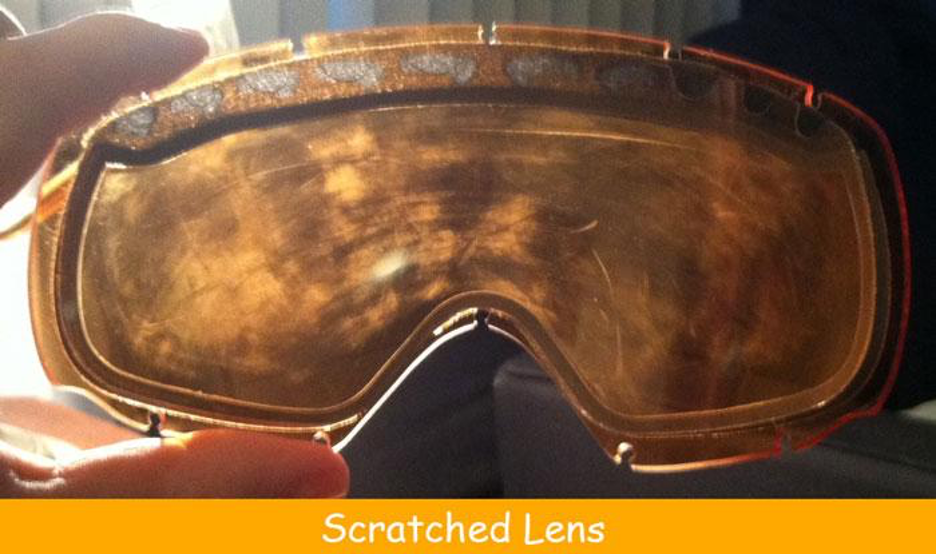
Rubbing dry lenses with clothing is the #1 cause of premature replacement. T-shirt fibers contain 20-40 micron abrasives (larger than lens coatings’ 5-micron thickness), creating permanent haze within three uses. Using Windex or alcohol wipes dissolves anti-fog layers in seconds, causing instant fogging during rides. Blowing on lenses to “fog” them deposits skin oils that attract dust, creating a sticky film impossible to remove without harsh chemicals. Each mistake costs riders $30-$100 in unnecessary replacements annually—easily avoided with proper technique.
Proper Goggle Storage: Protect Your Lenses From Damage
Always store goggles in a rigid hard-shell case immediately after cleaning—never in helmet bags or backpack pockets where pressure dents warp lenses. Line the case with microfiber to prevent static buildup. Never leave goggles on hot dashboards; 140°F+ temperatures melt anti-fog coatings and crack polycarbonate. For travel, place cases in insulated bags away from direct sunlight. This simple habit doubles lens lifespan by preventing UV degradation and accidental impacts that cause micro-fractures.
Daily Habits to Double Your Goggle Lens Lifespan
Rotate multiple lenses based on conditions—using one pair for muddy days and another for sunny rides reduces cleaning frequency by 60%. Clean goggles within 30 minutes post-ride before sweat crystallizes into etching agents. Always carry a sealed microfiber pouch on rides for emergency clearing (distilled water spray only—never wipe dry). Never stack goggles face-to-face; store them vertically in cases with spacers. These habits transform $80 goggles into 3-season investments instead of single-season disposables.
The best way to clean motocross goggles combines precision technique with disciplined habits that protect your vision and investment. By avoiding common pitfalls like dry wiping or chemical misuse, you maintain factory-fresh clarity that directly enhances track safety. Remember: your lenses are your primary sensory interface with the course—treat them with the care they deserve. Implement these steps after every ride, and you’ll experience consistently sharp vision that keeps you competitive and confident through the checkered flag. For optimal results, pair this cleaning method with our guide on selecting anti-fog lenses for extreme conditions—because clear vision isn’t optional in motocross.