You have just purchased a sleek pair of aviator sunglasses, but wearing them correctly requires more than simply placing them on your face. Learning how to wear aviator sunglasses properly means understanding your face shape, choosing the right size, and ensuring a secure, comfortable fit that enhances both style and function. Whether you are wearing them for sun protection, outdoor activities, or pure fashion, mastering the art of wearing aviators elevates your look while protecting your eyes. This guide walks you through everything from selecting the ideal frame size and adjusting the fit to pairing them with outfits and maintaining their condition for years to come.
Fit the Frame to Your Face
A well-fitted pair of aviators should feel like an extension of your face, not a burden. Proper fit ensures comfort, UV protection, and visual balance.
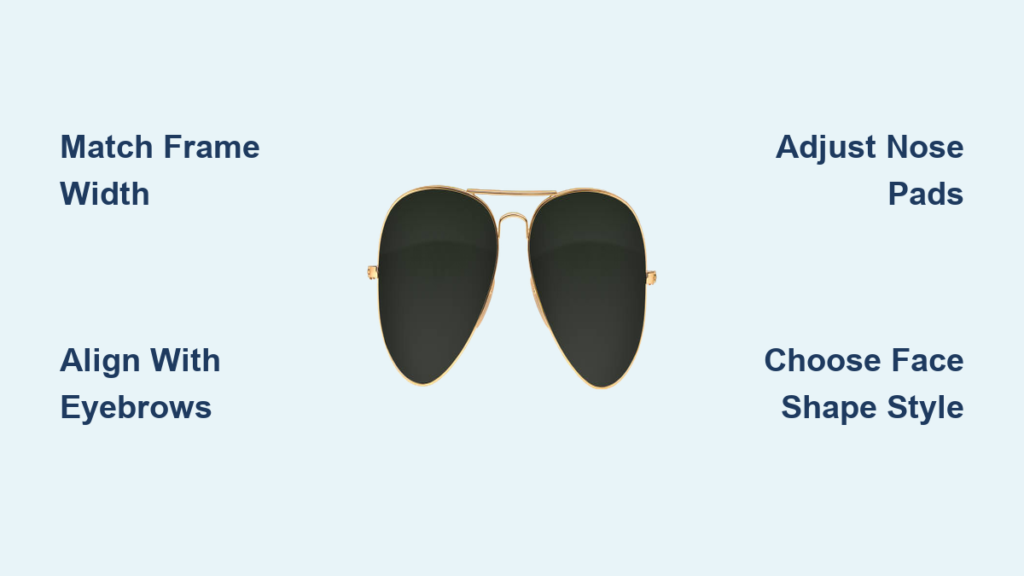
Match Frame Width to Face Width
The outer edges of the lenses should align with the sides of your face. If they extend past your cheekbones, the frame is too wide and will slide. If they end before reaching your cheekbones, the frame is too narrow and will pinch. Aim for symmetry: your face and the frame should mirror each other in proportion. When shopping online, check the lens, bridge, and temple measurements and compare them to a pair you already wear comfortably.
Align the Top with Your Eyebrows
The upper edge of the aviator frame should sit at or just below your eyebrow line. You should see a small portion of your eyebrows through or above the lens. This is a hallmark of a well-sized fit. If your brows are fully visible above the frame, it is too small. If the frame covers too much forehead, it is too large and may overwhelm your features.
Ensure Cheek and Lash Clearance
The bottom of the frame should hover slightly above your cheekbones. When you smile, the lenses should not touch your cheeks, because that leads to smudging and discomfort. Similarly, your eyelashes should not brush against the inside of the lenses when blinking. If they do, the frame is likely too small or positioned too close to your face.
Adjust for Comfort and Stability
Even the best-fitting aviators may need minor tweaks. Small adjustments make a big difference in comfort and wearability.
Secure the Nose Bridge
The bridge should rest snugly on your nose without slipping or pinching. Most aviators come with adjustable nose pads. Gently squeeze them closer together if the frame slides, or pull them apart if they dig in. For wide noses, look for models with wider bridges or flexible silicone pads.
Position the Temple Arms Correctly
Temple arms should wrap smoothly over your ears without creating pressure behind the head. If they are too tight, carefully bend them outward at the hinge. If too loose, bend them inward slightly. Avoid over-bending metal frames, because they can weaken or snap. Spring hinges offer extra flexibility and are ideal for active use.
Fix Common Fit Issues
Sunglasses slide down. Adjust nose pads or add silicone gel sleeves to temple tips.
Pressure behind ears. Loosen the arms or choose a model with curved, flexible hinges.
Headaches. Likely caused by overly tight temples or nose pads. Loosen or resize.
Gaps at the top. Indicates a frame too small or wrong shape. Opt for a larger or more contoured version.
Choose Aviators Based on Your Face Shape

Your face shape determines which aviator style enhances your features rather than clashes with them.
Oval Faces: Most Styles Work
With balanced proportions, oval faces can pull off nearly any aviator. Stick to standard sizes between 58 and 60 millimeters lens width and experiment with bold frames or mirrored lenses. Avoid frames much smaller than your face width, because proportion matters.
Round Faces: Opt for Angular Frames
To elongate soft facial curves, choose wider, more angular aviators. Look for models with a strong brow bar or sharper edges. Avoid small, overly round lenses that mimic your face shape and add bulk.
Square Faces: Soften with Curves
Aviators with smooth, teardrop-shaped lenses help balance a strong jawline. Rounded frames in brushed gold or silver soften angular features. Avoid boxy or flat-top designs that exaggerate squareness.
Heart-Shaped Faces: Balance the Forehead
With a wide forehead and narrow chin, heart-shaped faces benefit from aviators that are wider at the top. Classic teardrop shapes work best. Avoid bottom-heavy or narrow-top frames that make the chin appear smaller.
Style for Every Occasion
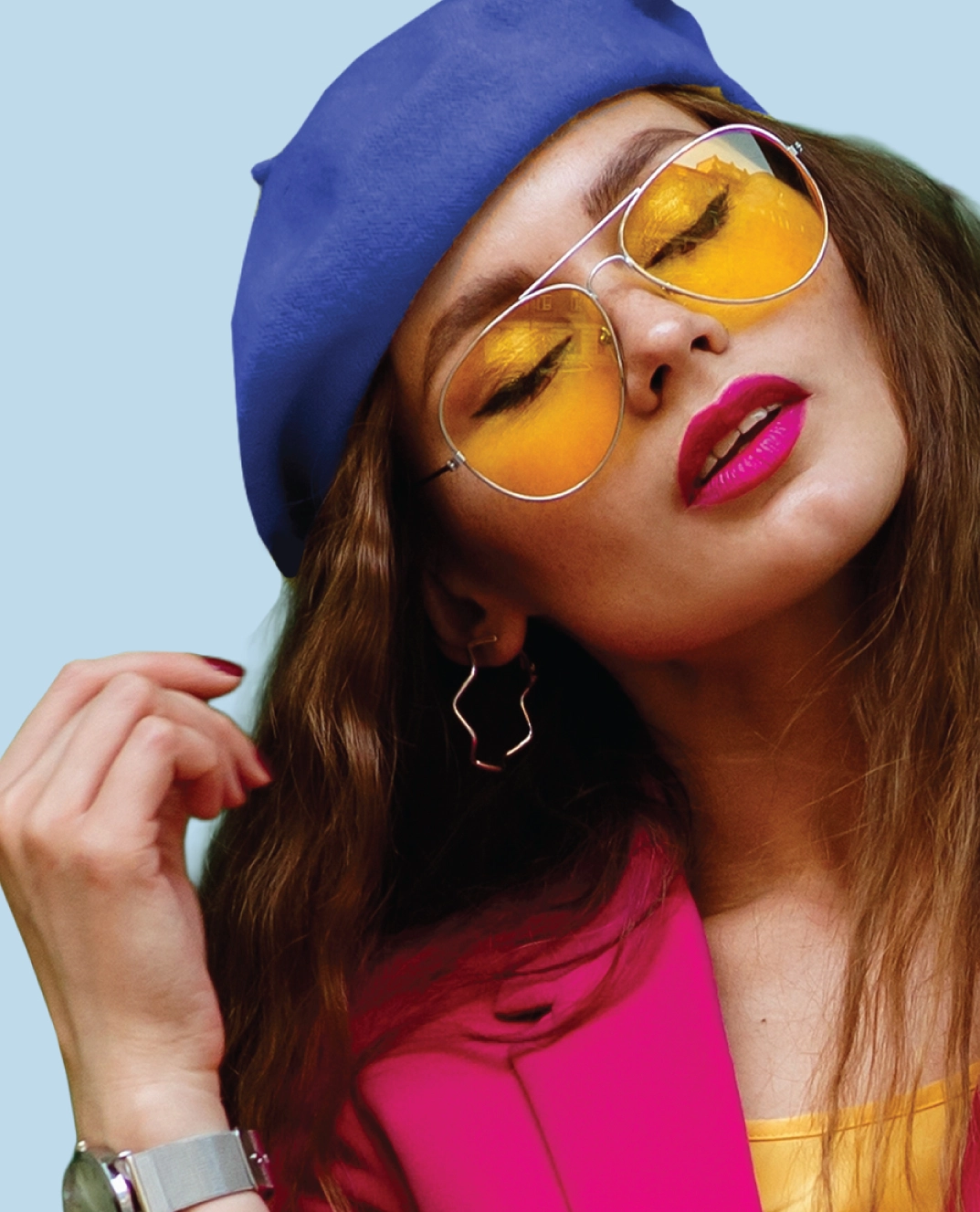
Aviators are not just for pilots or movie stars. They are versatile enough for daily wear, formal events, and everything in between.
Pair with Casual Outfits
Classic Cool: White tee, leather jacket, dark jeans, and gold-frame aviators.
Summer Vibe: Linen shirt, chinos, and tan aviators for a laid-back, refined look.
Streetwear Edge: Oversized hoodie, cargo pants, and mirrored-lens aviators.
Elevate Formal and Feminine Looks
Business Casual: Navy blazer, turtleneck, and matte black aviators.
Hollywood Glam: Little black dress, heels, and vintage-inspired aviators.
Retro Chic: High-waisted trousers, silk blouse, and rose-gold frames.
Coordinate with Hair and Accessories
Ponytails and Updos: Show off your bone structure. Aviators look sharp with hair pulled back.
Hats: Pair with fedoras, flat caps, or wide-brimmed sun hats for a polished ensemble.
Scarves: In cooler months, wear aviators with a neutral scarf, but avoid letting fabric cover your face.
Pick the Right Lens and Frame Color
Color choices impact both style and function. The right combination flatters your skin tone and suits your lifestyle.
Best Frame and Lens Combos
Gold Frame with Green Lens (G-15): Timeless, works for most skin tones. Ideal for everyday wear.
Silver Frame with Gray Lens: Neutral and modern, perfect for urban environments.
Black Frame with Dark Gray Lens: Sleek and low-key, great for formal settings.
Mirrored Lenses (Blue, Red, Purple): Bold and trendy. Best for beach days or festivals.
Rose or Brown Tints: Enhance contrast in low light and complement warm skin tones.
Pro Tip: Match your frame color to metal accessories like watches or jewelry for a cohesive look.
Understand Performance Features
Aviators are not just fashion. They are functional. Prioritize eye health and visual clarity with smart feature choices.
Ensure 100% UV Protection
Always choose sunglasses labeled UV400 or 100% UV protection. This blocks all UVA and UVB rays, preventing long-term damage like cataracts and macular degeneration. Never assume dark lenses equal protection. Clear lenses can offer UV shielding too.
Use Polarized Lenses When Needed
Polarized lenses reduce glare from reflective surfaces like water, roads, and snow. They improve clarity and comfort during driving, fishing, or skiing. Note that they may reduce visibility on LCD screens like dashboards and phones.
Benefit from Lens Coatings
Anti-Reflective (AR): Reduces glare from the back of the lens.
Mirror Coating: Reflects light, reduces brightness, adds style.
Gradient Tint: Dark on top, light on bottom. Great for daytime driving.
Scratch-Resistant: Extends lens life, especially for active users.
Select by Gender and Size
While aviators are unisex, sizing and design often cater to different preferences.
Mens Aviators: Bold and Classic
Typically larger (58 to 62 millimeter lens width) with sturdy metal frames in gold, silver, or black. Popular models include Ray-Ban RB3025, Oakley Holbrook Metal, and Persol PO0649. Ideal for those seeking a rugged, military-inspired look.
Womens Aviators: Petite and Stylish
Often smaller (52 to 56 millimeter) with delicate frames in rose gold, tortoiseshell, or pastel metals. Some feature decorative arms or crystal accents. Popular picks include Gucci GG0748S, Ray-Ban RB4179, and Tom Ford FT0194.
Note: Many women wear mens aviators for an oversized, fashion-forward effect. Size up for a statement look.
Maintain Your Aviators
Proper care keeps your sunglasses looking sharp and performing well for years.
Clean the Right Way
Rinse lenses with lukewarm water to remove dust. Use mild dish soap and a soft microfiber cloth. Never wipe dry lenses with paper towels, clothing, or tissues, because they scratch. Store in a hard-shell case when not in use.
Avoid Common Damage
Do not leave aviators in hot cars. Heat warps frames and damages lens coatings. Keep away from perfumes, lotions, and chlorine. Use lens cleaning solutions made for coated lenses. Periodically tighten loose screws on hinges and nose pads.
Know the History and Style Legacy
Understanding the roots of aviator sunglasses adds depth to how you wear them.
Developed in the 1930s by Bausch & Lomb for U.S. pilots, aviators were designed to protect eyes at high altitudes. The Ray-Ban G-15 (green lens) became iconic in the 1950s, and the 1986 film Top Gun catapulted the RB3025 to global fame. Today, aviators are worn by icons like Tom Cruise, Angelina Jolie, and Gigi Hadid, symbolizing confidence, adventure, and timeless cool.
Frequently Asked Questions About Wearing Aviator Sunglasses
How do I know if my aviators fit properly?
Your aviators fit properly when the outer edges of the lenses align with the sides of your face, the top edge sits at or just below your eyebrows, and the frame does not touch your cheeks or lashes. The nose bridge should rest snugly without slipping or pinching.
Can anyone wear aviator sunglasses?
Yes, anyone can wear aviators. The key is choosing the right size and style for your face shape. Oval faces suit most styles, round faces benefit from angular frames, square faces need rounded lenses to soften features, and heart-shaped faces work best with frames wider at the top.
Are aviator sunglasses only for casual wear?
No, aviators are versatile enough for formal settings. Pair matte black or metallic frames with a blazer or little black dress for a polished, sophisticated look. Avoid overly flashy mirrored lenses for business or formal occasions.
How do I adjust aviator sunglasses that slide down?
Adjust the nose pads by squeezing them closer together for a tighter fit. Alternatively, add silicone gel sleeves to the temple arms or choose a model with a narrower bridge. Spring hinges can also help maintain stability.
Do aviator sunglasses provide enough UV protection?
Only if they are labeled UV400 or 100% UV protection. Dark lenses do not automatically mean UV protection. Always check the label to ensure your eyes are fully protected from UVA and UVB rays.
What is the best way to clean aviator sunglasses?
Rinse with lukewarm water to remove dust, then clean with mild dish soap and a soft microfiber cloth. Dry with a clean microfiber cloth. Never use paper towels, clothing, or tissues, because they scratch the lenses.
Key Takeaways for Wearing Aviator Sunglasses
Aviator sunglasses are more than a trend. They are a legacy piece that blends function with fashion. Knowing how to wear aviator sunglasses correctly means choosing the right fit, enhancing your features, and protecting your eyes in style. Start by ensuring your frame width matches your face width, the top edge aligns with your eyebrows, and the nose bridge sits snugly without slipping. Choose a style that complements your face shape, whether that means angular frames for round faces or rounded lenses for square faces. Prioritize UV400 protection and consider polarized lenses if you spend time outdoors. With the right pair and these tips in mind, you are not just wearing sunglasses. You are making a statement that endures across generations.