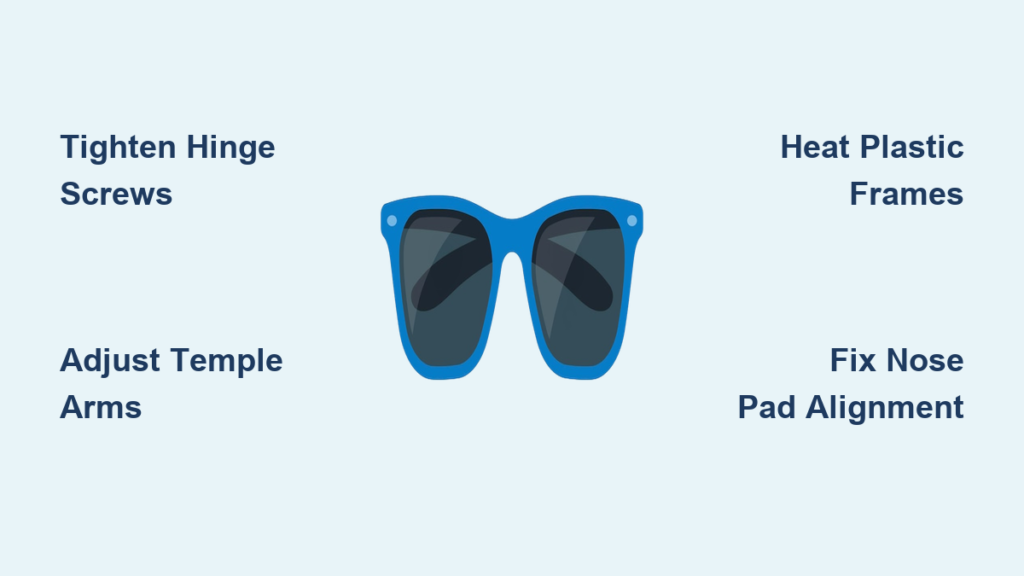
If your sunglasses keep slipping down your nose or pinch behind the ears, you’re not alone. Over time, frames loosen from daily wear, exposure to heat, or accidental drops. The good news? Most fit issues can be fixed at home, especially when you know how to tighten sunglasses safely. Whether your frames are metal, plastic, or have delicate hinges, this guide gives you step-by-step solutions, tool recommendations, and expert tips to restore a secure, comfortable fit without damaging your shades.
By the end, you’ll know how to tighten hinge screws, adjust temple arms, fix crooked alignment, and prevent future looseness. Let’s get your sunglasses back in shape fast.
Tighten Loose Hinge Screws in Minutes
Most sunglass frames use tiny screws at the temple corners to connect the arms. These often loosen with use, causing wobbling or wide gaps. Tightening them is the fastest fix for slipping or sagging frames.
Use the Right Screwdriver
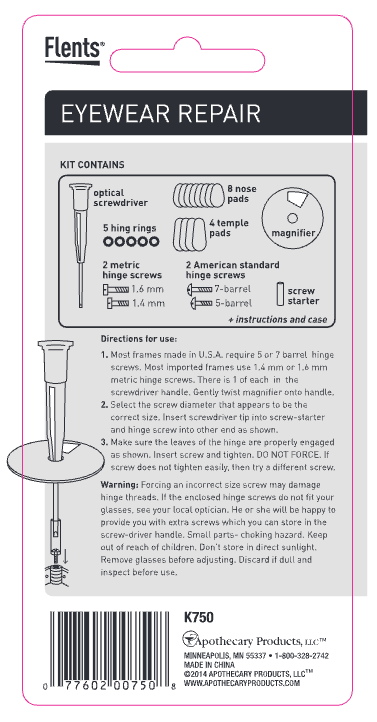
Grab a precision screwdriver (1.4mm or 1.6mm), usually Phillips-style. Standard eyeglass repair kits include these along with spare screws and tweezers. Never use a regular screwdriver because it can strip the screw head.
Pro Tip: If the screw keeps coming loose, apply a tiny drop of removable thread locker (like Loctite) to the threads before reinserting. Avoid super glue unless you’re okay with a permanent fix.
Step-by-Step Screw Tightening
- Hold the sunglasses with lenses facing you.
- Place a finger behind the lens to prevent pressure.
- Insert the screwdriver and turn clockwise (standard threading).
- Tighten just 1 mm, enough to remove play but still allow smooth arm movement.
- Test by gently wiggling the arm. Repeat on the other side.
Warning: Over-tightening cracks plastic frames or strips metal threads. If a screw falls out or the arm detaches, stop and visit an optician.
Replace Lost or Stripped Screws
If the screw is missing or won’t grip, use a SnapIt Screw Kit. These patented screws (XS to XL) fit nearly all models. The feeder tip guides insertion and snaps off cleanly after installation.
- Standard Kit: $6.99 (5 screws plus dual screwdriver)
- Premium Kit: $7.99 (adds colored screwdriver)
- Available at snapitscrew.com, Walmart, and Specsavers
Bonus: The included microfiber cloth has a QR code linking to a repair video and screw size chart.
Adjust Metal Frame Arms Without Special Tools
Metal frames (stainless steel, nickel alloy) are flexible and easy to adjust by hand. No heat is needed, making them perfect for quick fixes when your sunglasses slide or pinch.
Tighten or Loosen Temple Arms
To stop slipping, hold the frame with one hand. With the other, gently bend the temple end downward (toward your face). Make small bends and test the fit.
To relieve ear pressure, bend the end upward (away from the face). Ensure both sides match for balance.
Check Alignment: Place glasses upside-down on a table. Both arms should lie flat. If one lifts, adjust until even.
Fix Nose Pads on Metal Frames
Slipping or pinching often stems from misaligned nose pads.
- Sliding down? Pinch pads inward (toward each other) for better grip.
- Pinching nose? Bend pads outward.
- Too high or low? Slide pads up or down the wire stem.
Ideal Fit: A small gap between nose and bridge. Pads should rest flush without pressure.
Don’t Force Titanium: These frames resist bending. DIY adjustments risk breakage, so see a professional instead.
Fix Plastic (Acetate) Frames Without Breaking Them
Plastic frames, especially acetate, require heat before bending. Cold adjustments can crack the material, so always warm the arms first.
Heat Before Bending
Use one method:
- Hot water: Soak only the temple ends for 30 to 60 seconds (not boiling).
- Hairdryer: Hold 6 to 8 inches away for 20 to 30 seconds on low or medium heat.
Protect Lenses: Keep front frame and lenses dry. Use a microfiber cloth to handle hot parts.
Tighten or Loosen Arms
Once warm, push the arm end downward to tighten (prevent slipping). Push upward to loosen (relieve ear pressure). Cool completely on a flat surface to set the new shape.
User Tip: Apply heat in 15-second bursts. Acetate responds better to gradual warming.
Correct Crooked Fit
If one side sits higher, heat the temple corner (near hinge) on the lower side. Hold the bridge and gently bend upward if too low, or downward if too high. Cool and retest.
Note: Facial asymmetry (like uneven ears) may require unequal adjustments for comfort.
Adjust Bridge Width (No Nose Pads)
For plastic frames without pads, hold the frame at the center with thumbs behind lenses. Gently push sides inward to tighten nose grip. Heat first if resistance is high.
Small Changes Matter: Even 1 to 2mm can improve fit.
Solve the Most Common Sunglasses Fit Problems
Sunglasses Sliding Down the Nose
Causes include loose arms, wide nose pads, oily skin, or poor weight balance.
Fixes:
- Tighten hinge screws.
- Adjust nose pads inward (metal frames).
- Bend temple ends slightly downward.
- Add silicone ear grips or nose pad covers for extra hold.
Quick Fix: Use anti-slip accessories. No frame modification needed.
Glasses Pinching Behind the Ears
Cause: Arms too tight or bent inward.
Solutions:
- Loosen arms by bending ends upward (metal) or heat and bend (plastic).
- Ensure both sides are adjusted equally.
Crooked or Uneven Fit
Cause: Asymmetrical arms or hinge misalignment.
Fix:
- Reheat and rebend one arm to match the other.
- Tighten or adjust hinge screws.
- Visit an optician for precision balancing.
Glasses Sitting Too High or Too Low
Cause: Nose pad or bridge misalignment.
Solutions:
- Metal frames: Adjust nose pads inward (to raise) or outward (to lower).
- Plastic frames: Minor reshaping possible with heat, but best left to pros.
One Lens Closer to the Face
Cause: Uneven temple tension.
Fix:
- Left lens closer? Bend left arm inward or right arm outward.
- Right lens closer? Reverse the adjustment.
- Test frequently to avoid over-correction.
When DIY Fixes Are Not Enough
DIY fixes work for minor issues, but some frames need expert care.
See an Optician If:
- Rimless or semi-rimless frames: Lenses are held by screws or grooves. DIY risks dislodging them.
- Titanium, aluminum, or carbon fiber: These materials resist bending and snap easily.
- Stripped screws, cracks, or warping: Signs of structural damage.
- Persistent misalignment: Even after adjustments.
Free Adjustments: Most opticians offer free tune-ups, even if you didn’t buy from them.
Essential Tools for Sunglasses Repair
Must-Have Home Repair Kit
| Tool | Purpose |
|---|---|
| Precision screwdriver | Tighten screws without stripping |
| Eyeglasses repair kit | Includes drivers, spare screws, tweezers |
| Hairdryer | Heat plastic frames safely |
| Hot water bowl | Soften acetate arms |
| Microfiber cloth | Protect lenses during handling |
Non-Permanent Fit Solutions
- Silicone ear savers: Slip onto arms for better grip.
- Nose pad covers: Add traction without adjusting pads.
- Anti-slip sprays: Temporary hold for oily skin.
SnapIt Complete Care Kit (UK only): £19.95 includes 2 repair kits, anti-fog spray, lens cloth, and Case Companion.
What You Can and Cannot Adjust by Frame Type
| Frame Type | DIY Adjust? | Method | Risk |
|---|---|---|---|
| Metal (stainless steel) | Yes | Bend arms or nose pads | Low |
| Titanium / Memory Metal | No | Professional only | High |
| Plastic / Acetate | Yes | Heat plus bend arms | Moderate |
| Rimless / Semi-Rimless | No | Optician only | High |
| Aluminum Alloy | No | Professional | High |
| Carbon Fiber | Avoid | Do not adjust | Very High |
Expert Rule: If it’s expensive or fragile, don’t risk it. A $10 optician visit saves a $200 replacement.
Stop Future Looseness Before It Starts
Weekly Checks
- Test fit and alignment.
- Look for screw play or crooked arms.
Monthly Maintenance
- Tighten screws.
- Clean hinges with a dry cloth to remove debris.
Handle and Store Properly
- Always store in a hard case. This prevents crushing and warping.
- Avoid hot environments like car dashboards. Heat weakens frames.
- Don’t sleep with sunglasses on. This can bend arms unintentionally.
- Handle by the front, not the arms, when putting on or removing.
Pro Tip: Check screws after any drop or impact.
Frequently Asked Questions About Tightening Sunglasses
Can I tighten sunglasses without a screwdriver?
Yes. For metal frames, bend arms downward or pinch nose pads. For plastic frames, warm arms with hot water or hairdryer, then bend carefully.
Why do my sunglasses keep sliding down?
Common reasons include loose screws, worn nose pads, oily skin, arms too loose, or weight imbalance.
Can I break my sunglasses while tightening?
Yes, especially if you over-tighten screws, bend cold plastic, or force titanium or rimless frames. Always adjust in small steps.
How often should I check my sunglasses?
Weekly: Quick fit test. Monthly: Screw and alignment check. After drops: Immediate inspection.
Is it safe to adjust titanium frames at home?
No. Titanium frames resist manual adjustment and snap easily. Always visit a professional for titanium frame adjustments.
What if my screw keeps coming loose?
Apply a tiny drop of removable thread locker (like Loctite) to the threads before reinserting. This prevents recurring loosening.
Key Takeaways for Keeping Your Sunglasses Secure

A well-fitted pair of sunglasses improves comfort, vision clarity, and UV protection. With the right tools and techniques, you can keep your shades secure and slip-free for years.
Start simple by tightening screws and adjusting nose pads first. These methods carry the lowest risk and often solve the problem quickly. Heat acetate frames slowly and never force cold plastic. Use SnapIt kits for screw issues because they fit most frames cleanly. Visit an optician for high-end models like titanium, rimless, or carbon fiber. When in doubt, don’t DIY. A professional can fix it in minutes, saving you money long-term.
Bottom Line: Proper fit means better comfort and longer-lasting sunglasses. Follow these methods, and your shades will stay put.