Your favorite pair of sunglasses just snapped at the hinge. Maybe the arm won’t stay put, or the bridge has cracked under pressure. You are not ready to say goodbye, especially if they are expensive, prescription-tinted, or simply your go-to style. The good news is that you can fix a broken sunglasses frame, often without replacing the entire pair.
The key is knowing what kind of damage you have, what material your frame is made of, and whether to DIY or call a pro. This guide walks you through every step from assessing damage and choosing the correct adhesive to when welding beats glue and how to prevent future breaks.
Assess the Damage Before Starting Your Repair
Before grabbing glue or pliers, inspect your sunglasses closely. The wrong fix can worsen the break or damage lenses permanently.
Start by identifying where the damage occurred. Check the hinge, temple arm, nose bridge, or lens rim carefully. Next, determine the type of break. Is it a clean snap, a hairline crack, or a loose wobble? You also need to know your frame material. Is it plastic like acetate or nylon, or metal like stainless steel or titanium? Finally, check the lens condition. Are they cracked, loose, or still secure?
Ask yourself this: Is this a structural failure or just a loose screw? A bent metal arm can often be adjusted at home. A shattered acetate hinge needs professional fusing. If lenses are compromised, do not attempt DIY lens repair.
Pro Tip: Take a photo of each side for comparison. Symmetry matters in fit and function.
Minor fixes like tightening screws or reshaping slightly bent arms are safe to do at home. But if the frame is cracked, snapped, or fused with internal wiring, professional repair is smarter. DIY glue jobs on high-stress areas usually fail within weeks.
Choose the Right Repair Method Based on Frame Material
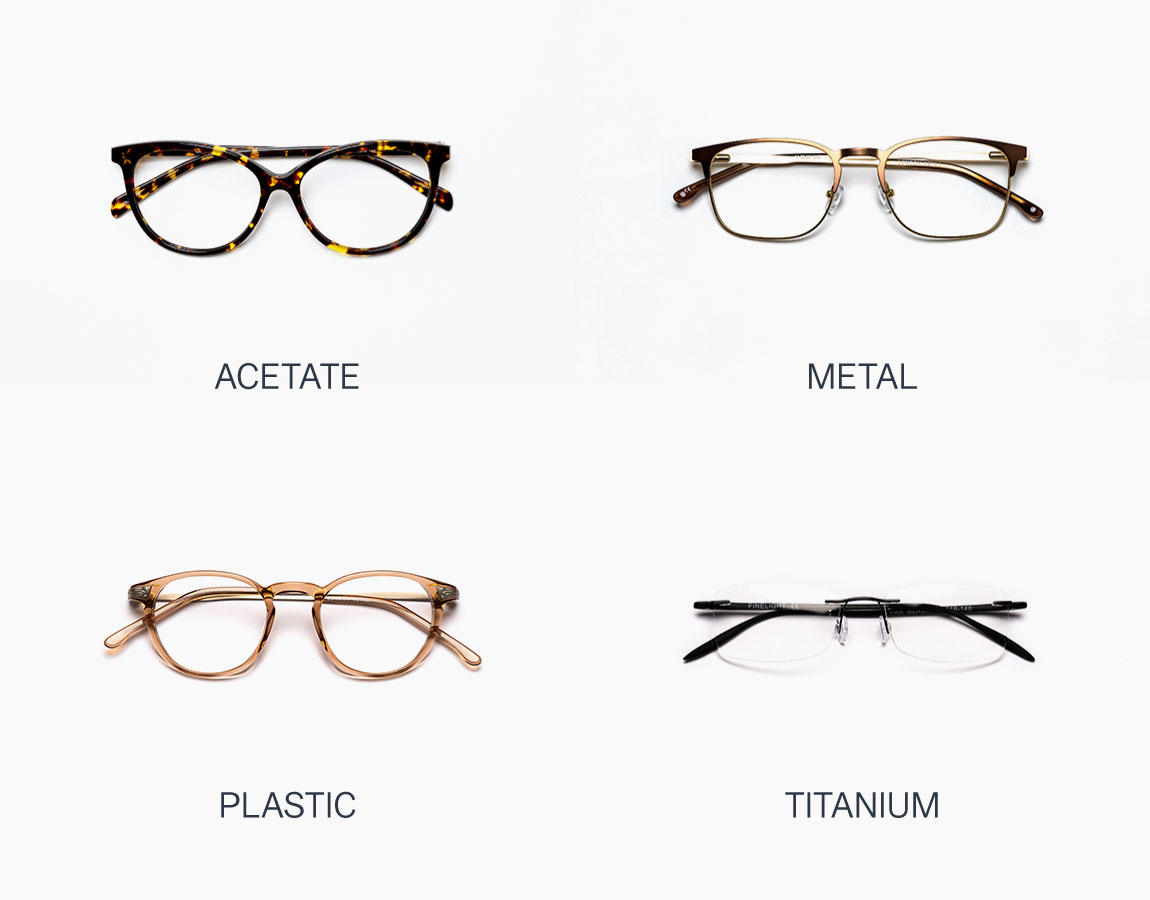
The material determines everything about how you fix it, what tools to use, and whether home repair will last.
Fix Plastic Frames Like Acetate and Nylon
Plastic frames bend, crack, and snap, especially at hinge points where stress builds over time.
Softening for Reshaping
If arms are bent or the bridge is twisted, you can soften the plastic to reshape it. Run warm, not boiling, water over the frame for 30 to 60 seconds. Or hold it above a steaming kettle without touching the steam directly. Gently reshape with your fingers, focusing on symmetry. Let cool completely before testing fit.
Warning: Heat can warp lenses or degrade coatings. Remove lenses if possible before heating.
Gluing a Clean Break
Only attempt this if the fracture is clean and accessible. Clean both surfaces with isopropyl alcohol. Use plastic-specific epoxy or cyanoacrylate, not regular household glue. Apply sparingly and clamp with tape or rubber band for 5 to 10 minutes. Let cure fully, up to 24 hours, before use.
For extra strength, insert a toothpick or thin carbon fiber splint into the break before gluing.
Reality Check: Glued plastic hinges rarely survive long-term stress. This is a temporary fix.
Professional Fusing for Cracks and Snaps
For cracked bridges or broken elbows, plastic fusing is the gold standard. A technician uses a micro-welder to melt and bond the plastic. Results in an almost invisible, durable repair. Costs range from $45 to $99 with 24 to 48 hour turnaround.
Expert Insight: Fully cast plastic hinges cannot be replaced. They must be fused.
Repair Metal Frames Including Titanium
Metal frames bend more than they break, but when they snap, welding is required.
Straighten Bent Arms or Bridge
Cover lenses with a soft cloth to prevent scratches. Use plastic-tipped pliers to grip the bent area. Apply gentle, steady pressure to realign. Test frequently because small adjustments make a big difference.
Avoid: Bare metal pliers because they will scratch the finish.
Tighten Loose Hinges
Loose temples usually mean loose screws. Use a precision screwdriver, 0.8 to 1.2 millimeters, from a repair kit. Turn clockwise until snug, but do not overtighten. Add a drop of clear nail polish or thread locker to keep screws in place.
Replace missing screws with matching sizes. Repair kits cost $5 to $15 online.
Welding for Snaps and Cracks
If a temple arm or bridge has snapped, professional micro-welding is required. Titanium needs specialized equipment due to low ductility. Average cost ranges from $45 to $65 with same-week return.
Never solder at home because heat can melt lenses or weaken surrounding metal.
Fix a Broken Hinge on Your Sunglasses
The hinge is the most stressed part of any sunglass frame. Here is how to handle failure.
Plastic Frame Hinge Repair
If the elbow joint is cracked or detached, look for clues. No screw means it is a one-piece molded hinge, and only fusing works. Has a screw? Reinsert and reinforce with plastic adhesive around the socket. For recurring breaks, upgrade to a metal-reinforced replacement arm.
Visual Clue: Look for hairline cracks radiating from the hinge. These will spread without intervention.
Metal Frame Hinge Repair
Common problems include loose screw, stripped hole, and cracked hinge barrel. A loose screw is fixed by tightening and securing with nail polish. A stripped hole requires filling with epoxy, re-drilling, or sending for professional hinge replacement. A cracked hinge barrel requires welding or full hinge swap.
Some brands like Ray-Ban allow donor part replacements. Services like World Optic source matching arms for popular models.
Repair a Cracked or Broken Nose Bridge
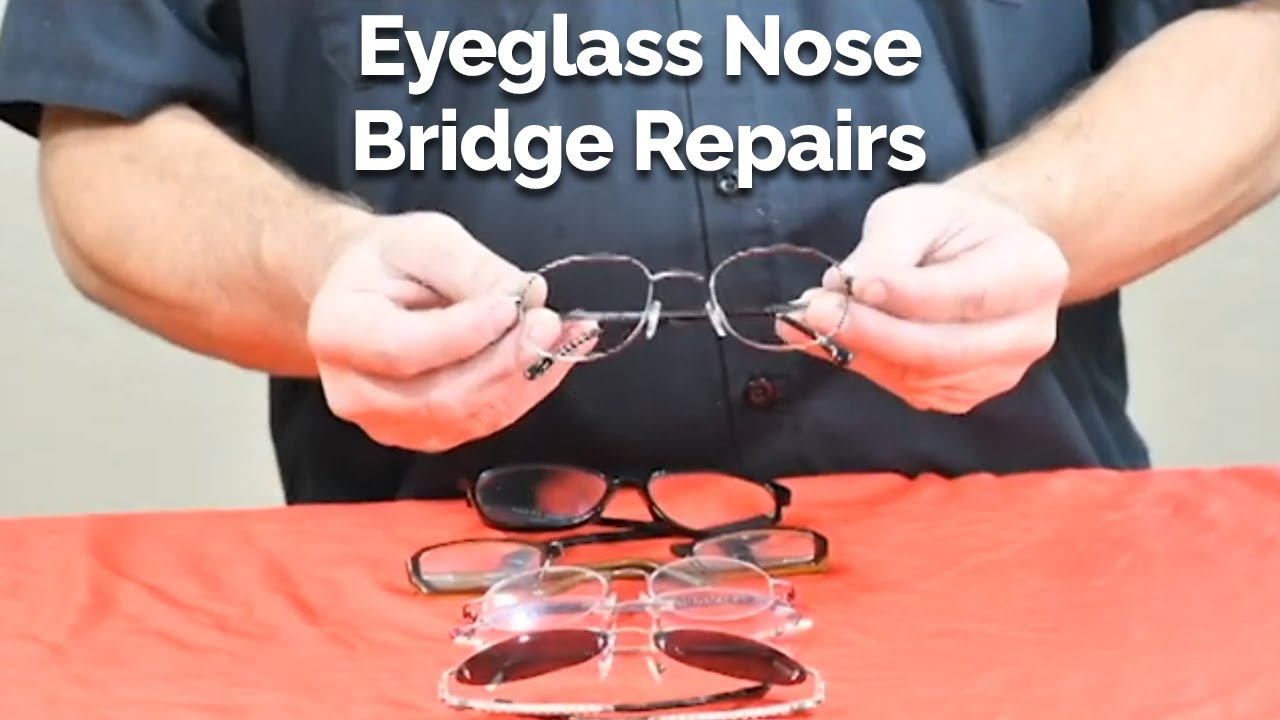
A broken bridge makes sunglasses unstable and uncomfortable to wear.
Plastic Bridge Damage
A small crack can be stabilized with plastic cement, but avoid putting pressure on it. A large break requires professional fusing for a lasting solution. A bent bridge can be warmed and gently reshaped as described earlier.
Avoid wearing during repair because facial oils and sweat can interfere with adhesion.
Metal Bridge Damage
A minor bend can be straightened with plastic-tipped pliers. A fully broken bridge requires micro-welding. A detached nose pad can be replaced with universal silicone pads that cost $2 to $5 per pair.
Fit Test: After repair, check that the bridge sits evenly and does not pinch.
Stop Loose or Wobbly Temple Arms
Wobbly arms mean poor fit and eventual breakage if ignored.
Loose hinge screw is fixed by tightening with a micro screwdriver. Worn plastic socket requires reinforcement with adhesive or replacing the arm entirely. Bent metal hinge can be realigned with pliers. Stretched frame needs professional reshaping or fusing.
Apply clear nail polish to screw threads after tightening. It dries into a soft lock that prevents vibration loosening.
Pro Tip: Always adjust both arms equally to maintain balance.
Replace a Broken Temple Arm
If the arm is shattered or missing, replacement is often better than repair.
DIY Glue Fix for Clean Breaks
Only viable for clean breaks in plastic frames. Sand edges lightly for better adhesion. Insert a metal wire or toothpick as a splint. Bond with two-part epoxy. Clamp for 1 hour and cure for 24 hours.
Expect limited durability, especially in hot weather.
Professional Arm Replacement
This is the best option for long-term use. Mail-in services like World Optic offer donor arms for major brands. Technicians remove the old arm and fuse or screw on a new one. They match color and texture as closely as possible. Turnaround is 24 to 48 hours after approval. Cost ranges from $45 to $99.
Handle Damaged Lenses Properly
Never ignore lens damage because it affects vision and safety.
Broken Lenses Require Professional Replacement
Shattered or cracked lenses must be professionally replaced. Risk of sharp edges or UV exposure if compromised is real. New lenses must match curvature, tint, and coating like polarized or anti-glare options.
Cost varies by brand and lens type. Some services offer same-day swaps.
Skip Home Remedies for Scratches
Forget toothpaste, baking soda, or banana peels. These abrasives worsen scratches or strip anti-reflective coatings. Temporary polish does not restore optical clarity.
The only safe option is replacing lenses through an optician or online repair service.
Health Note: Scratched lenses cause glare and eye strain, especially while driving.
Why Professional Repair Services Are Worth It
When durability, safety, and appearance matter, pros deliver.
Benefits of Professional Repair
You get access to plastic fusing, micro-welding, and donor parts. Repairs are faster than manufacturers, often taking 24 to 48 hours. Work comes with warranty backing, typically 1 year. Free shipping, tracking, and repair quotes before payment are included.
Mail-In Repair Process
The process is straightforward. Order online through a service like World Optic. Print the free shipping label. Ship securely using bubble wrap. A technician evaluates and emails repair options with pricing. Approve, pay, and get your glasses back in 24 to 48 hours.
Bonus: Many services offer 50% off second repairs on the same frame.
Essential Tools for DIY Sunglasses Repair
Keep these items on hand for minor fixes.
• Micro screwdriver set for tightening screws
• Plastic-tipped pliers for bending metal without scratches
• Precision tweezers to retrieve tiny screws
• Soft microfiber cloth to protect lenses during handling
• Epoxy or plastic cement to bond broken plastic
• Clear nail polish to lock screws in place
• Heat source like a kettle or warm water to soften plastic frames
Eyebuydirect Tip: Always use both hands when adjusting frames. It keeps them symmetrical.
Prevent Future Frame Damage
Most breaks happen from preventable habits.
Store Properly
Always use a hard-shell case. Never toss sunglasses in bags, pockets, or leave them on car dashboards. Heat warps frames quickly.
Clean Safely
Use microfiber cloth and lens-safe spray. Avoid paper towels, tissues, or shirt fabric because they scratch.
Handle Correctly
Put on and remove with both hands. Hold by the bridge, not the arms. This prevents hinge stress.
Maintain Regularly
Check screws every 2 to 4 weeks. Visit an optician for professional adjustments twice a year.
Upgrade Durability
Choose lenses with anti-scratch and impact-resistant coatings. Consider flex hinges or O-Matter frames like Oakley for active use.
Keep a Backup Pair
If you rely on sunglasses daily, own a spare. It saves stress when repairs are needed.
Know When to Replace Instead of Repair
Sometimes replacement is smarter than repair.
Replace if the frame is severely fragmented or has multiple cracks. Replace if optical alignment is off and cannot be corrected. Replace if repair cost exceeds 50 to 70% of a new pair’s price. Replace if UV protection is degraded or lenses are outdated.
Warby Parker Advice: For essential eyewear, a backup pair is wise.
Key Takeaways for Fixing Your Sunglasses Frame
- Assess the damage first by identifying location, type, and frame material.
- Identify whether your frame is plastic or metal to pick the right repair method.
- Handle minor fixes at home by tightening screws, reshaping gently, and securing loose parts.
- Use professional services for cracks, breaks, or hinge failures because fusing and welding last.
- Never repair broken lenses yourself. Replace them safely through a professional.
- Avoid heat and force because they cause more harm than good.
- Prevent future issues with proper storage and regular maintenance.
- Compare cost versus value. Sometimes a new pair makes more sense.
With the right care, your sunglasses can last years, even after a break. Whether you fix it at home or trust a specialist, do not let a small crack end a great pair. Act fast, fix smart, and keep seeing clearly in style.
Frequently Asked Questions About Fixing Sunglasses Frames
Can I fix my sunglasses with super glue?
You can use super glue for a temporary fix on clean plastic breaks, but it rarely holds long-term at high-stress areas like hinges. Professional plastic fusing provides a much more durable repair.
How much does it cost to repair broken sunglasses frames?
Plastic fusing costs $45 to $99. Metal welding ranges from $45 to $65. Titanium welding runs $55 to $65. Screw replacement costs $12 to $49. Basic adjustments are often free at optical stores.
Can I fix bent metal sunglasses at home?
You can gently straighten slightly bent metal arms using plastic-tipped pliers and a soft cloth. Work slowly and test frequently. Do not attempt major bends or snapped metal repairs at home.
Should I repair or replace my broken sunglasses?
Replace if the frame is severely fragmented, if optical alignment is compromised, or if repair costs exceed 50 to 70% of a new pair’s price. Professional repair makes sense for high-quality frames with minor to moderate damage.
How long does professional sunglasses repair take?
Most professional services complete repairs in 24 to 48 hours after approval. This is typically faster than manufacturer repairs, which can take weeks or months.
Can I reuse my old lenses in new frames?
Generally no. Lenses are cut precisely for specific frame shapes and sizes. The optical center must align with your pupil. Moving lenses to new frames causes distortion, headaches, and blurred vision.