You wouldn’t step outside on a scorching summer day without sunscreen, so why risk your eyes without proper protection? Choosing a good pair of sunglasses isn’t just about looking cool. It’s about safeguarding your vision, enhancing visual clarity, and ensuring comfort across different environments. Yet with countless options ranging from $5 drugstore shades to $300 designer frames, it’s easy to get overwhelmed.
The truth is, not all sunglasses protect your eyes equally. A cheap pair with full UV protection is safer than a luxury brand that skips this critical feature. This guide gives you a step-by-step approach to choosing sunglasses that deliver real eye health benefits, performance, and long-term value, regardless of your budget or lifestyle.
Why 100% UV Protection Is Non-Negotiable
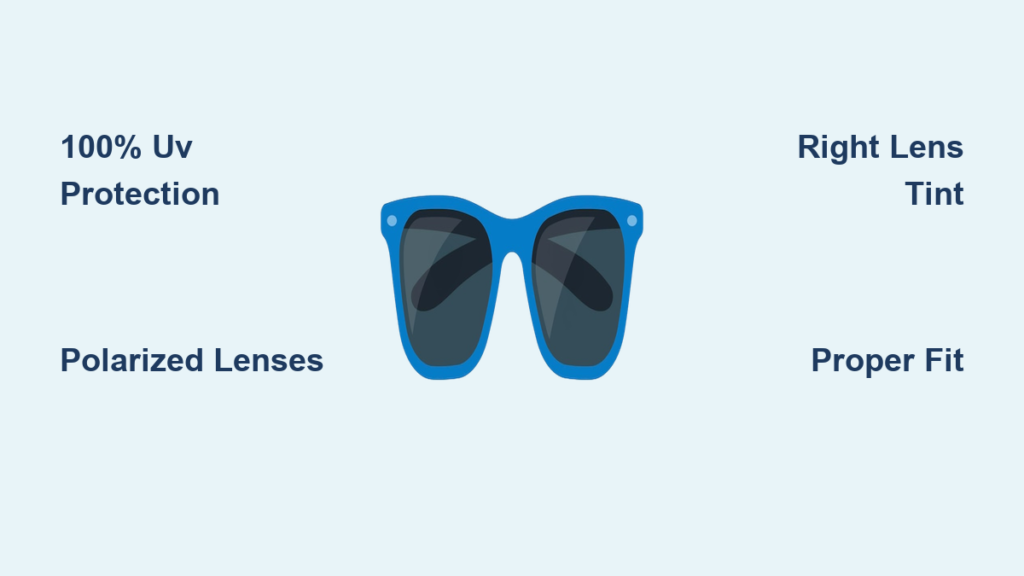
If you remember one thing when choosing sunglasses, make it this: 100% UVA and UVB protection is essential. Without it, your sunglasses could cause more harm than good.
The Eye Damage You Can’t See
Your eyes face the same ultraviolet threats as your skin. Prolonged UV exposure increases the risk of serious conditions including cataracts, macular degeneration, photokeratitis (cornea sunburn), pterygium growths, and even eyelid cancers. Even on cloudy days, up to 90% of UV rays penetrate cloud cover, meaning you need protection year-round.
How to Verify Real UV Protection
Look for one of these labels on the packaging or frame. “100% UV protection” or “UV400” (blocks wavelengths up to 400nm) are the only certifications that matter. Avoid relying on lens darkness. Dark lenses without UV filtering dilate your pupils, letting in more harmful radiation. A light yellow lens with UV400 is safer than a pitch-black pair without it.
When to Replace Your Sunglasses
UV protection degrades over time. Replace your shades if they are over two years old with heavy use, lenses are scratched or hazy, or coatings are flaking off. Many optometrists offer free UV testing with a photometer. Bring in old pairs to check their effectiveness.
Pro Tip: Never assume expensive means safe. Some high-end fashion brands lack proper UV filters. Always verify the label.
Matching Lens Technology to Your Activities
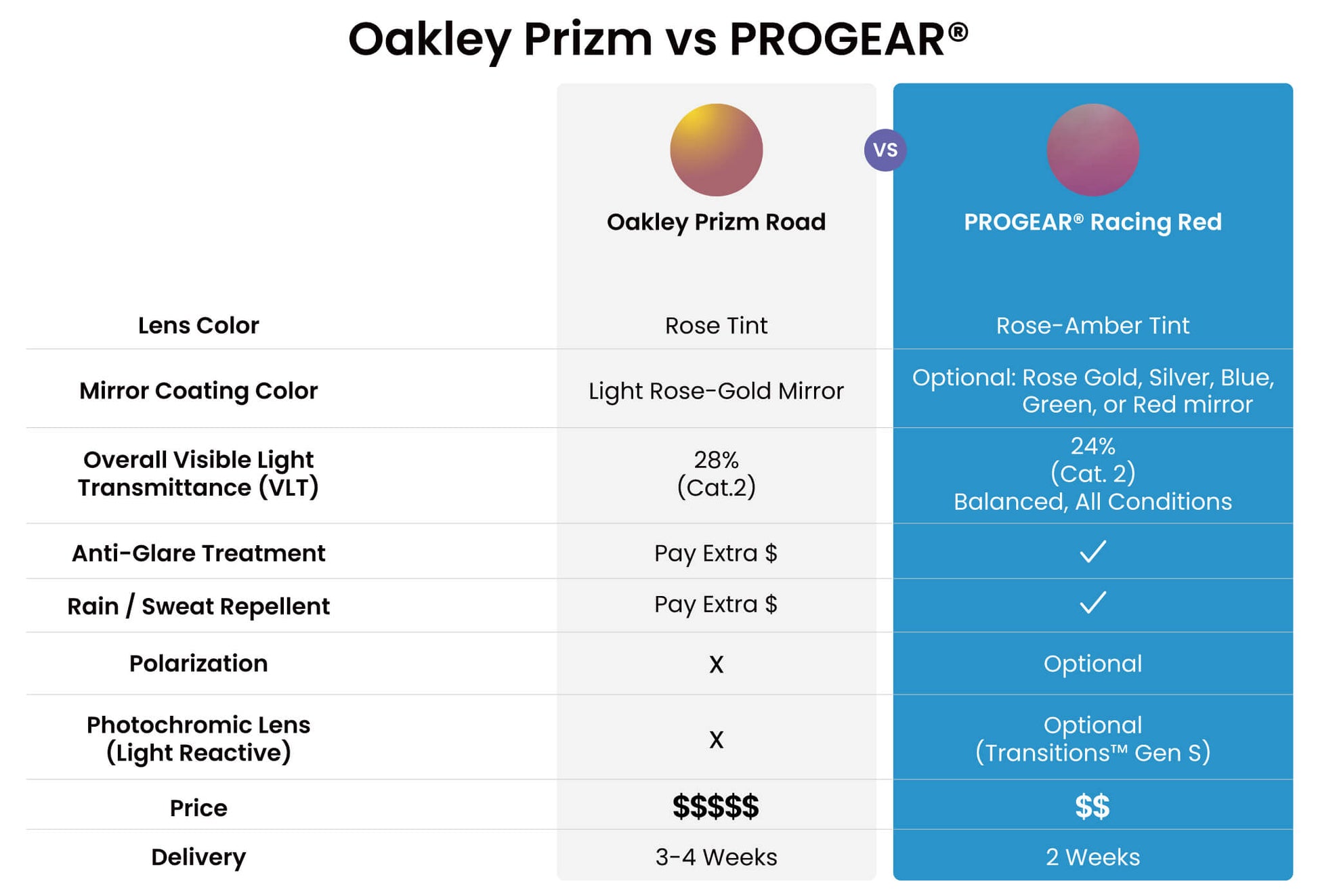
Not all lenses are created equal. The right type depends on how and where you use your sunglasses.
Polarized Lenses: Cutting Through the Glare
Polarized lenses block horizontal glare from reflective surfaces like water, roads, and car windshields. They reduce eye strain and improve contrast, making them ideal for driving, fishing, boating, and skiing. One limitation: they may dim LCD screens at certain angles. Always ensure lenses are labeled both “polarized” and “100% UV protection” since they are not the same thing.
Photochromic Lenses: Automatic Adjustments
These lenses darken in sunlight and clear indoors, perfect for people constantly moving between environments. Key limitations include poor performance in cars (windshields block the UV that triggers darkening) and slower adjustment in cold weather. They take 30 to 60 seconds to darken and two to five minutes to clear. Great for hikers, cyclists, or anyone who hates carrying multiple pairs.
Interchangeable Lenses: Swap for Conditions
Common in sport models, these let you switch lenses based on lighting. They are ideal for skiers facing bright sun versus flat light, cyclists at high altitude versus shaded trails, and multi-day outdoor adventurers. Some brands use magnetic systems for quick, tool-free changes.
Mirrored Coatings: Reflecting Extreme Light
The shiny coating reflects light before it hits the lens, reducing brightness in extreme sun. Silver offers neutral tone, gold and brown warm surroundings and boost contrast, while blue and green cool perception and improve water visibility. Important: mirroring does not provide UV protection. Ensure the lens material itself blocks 100% UV.
Choosing the Right Tint for Your Environment

Lens color isn’t just fashion. It affects how you see the world and perform in different conditions.
Dark Tints for Bright Conditions
Visible Light Transmission (VLT) measures how much light passes through. Lower percentages mean darker lenses.
Gray lenses provide true color perception and work well for driving and general wear. Green lenses offer high contrast and sharp vision, making them ideal for golf, tennis, and water sports. Brown lenses enhance depth and warm your view, perfect for baseball, skiing, and driving.
Light Tints for Low-Light Situations
Use these when skies are overcast, foggy, or during dawn and dusk. Amber and yellow lenses block blue light and sharpen edges, making them essential for snow sports and shooting. Rose and vermillion lenses enhance contrast in blue-rich environments like snowfields and open water, useful for trail running and mountain biking.
Gradient Lenses: Dual Purpose Vision
Single gradient (dark top, clear bottom) works perfectly for driving. Double gradient (dark top and bottom, clear middle) is ideal for boating or flying.
Selecting Lens Materials for Your Needs
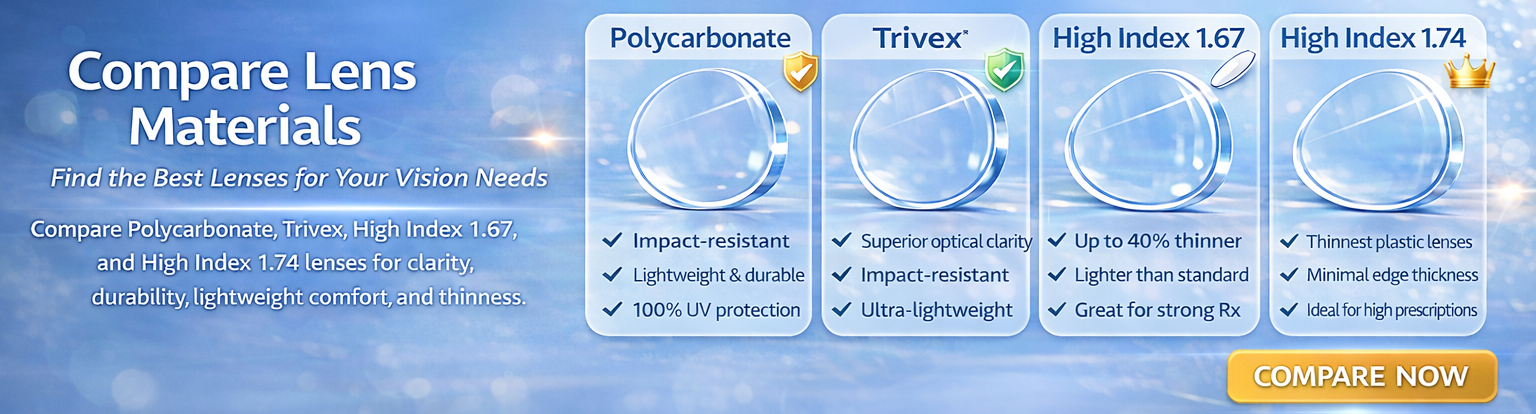
Your lens material impacts durability, weight, and optical quality.
Polycarbonate: The Best All-Around Choice
This material is impact-resistant, lightweight, and affordable, making it ideal for sports and kids. Most non-prescription sunglasses use polycarbonate. The downside is poor scratch resistance, so you need a scratch-resistant coating.
Glass: Superior Clarity, Heavy Weight
Glass offers excellent scratch resistance and superior optical clarity. However, it is heavier and can shatter, so it is not ideal for sports. Best for casual, style-focused wear.
Polyurethane (Trivex): Premium Performance
This material combines lightweight properties like polycarbonate with better optical clarity and high impact resistance. It appears often in premium sport models.
Acrylic: Budget-Only Option
Acrylic is cheap and light but has poor optics and durability, prone to warping and distortion. Only consider it for short-term or fashion-only use.
Always look for coatings: Anti-scratch, anti-fog, hydrophobic (water-repellent), and oleophobic (smudge-resistant) layers extend lens life significantly.
Frame Materials: Comfort Meets Durability
Your frame holds everything together. Choose one that fits, lasts, and performs.
Titanium: Lightweight and Tough
Titanium is hypoallergenic and corrosion-resistant, ideal for all-day wear and sports. Found in premium models, it is worth the investment if you wear sunglasses daily.
Nylon (Aerospace-Grade): Sport-Ready Flex
This material is flexible, durable, and temperature-stable. It grips well during sweat and is often used in wraparound sport frames. Perfect for running, cycling, and hiking.
Acetate: Style and Color
Acetate offers rich colors and patterns with a premium feel. It is less flexible and can crack in cold weather. Common in designer and fashion-forward styles.
Castor-Based Polymer: Eco-Friendly Option
Made from renewable castor oil, this material is lightweight and durable. It serves as a sustainable alternative to plastic, though availability is still limited.
Essential Fit Features to Look For
Spring hinges bend without breaking, great for active use. Grippy nose pads and temple tips prevent slippage. Ventilation channels reduce fogging. Wraparound design blocks side UV and wind.
Finding the Right Fit Without Face-Shape Confusion
Forget outdated rules about matching frame shape to face shape. What really matters is fit, coverage, and proportion.
The Eyewear Sweet Spot
A practical guide to sizing: frames should extend to the edges of your face (width) and span from the center of your eyebrows to two-thirds down your nose (height). This ensures maximum UV protection, full field of view, and a balanced, flattering look. Avoid frames that are too narrow (reduce coverage) or too wide (look oversized).
Signs of Poor Fit
Watch for slipping when you move, pressure behind ears, nose pad irritation, or vision cut off at the edges. Adjustable temples and nose pads help customize fit.
Face Shape as a Starting Point
Round faces suit angular, square, and oversized frames. Square faces look best with round, aviator, and cat-eye styles. Oval faces can pull off any style. Heart-shaped faces suit cat-eye, aviator, and bottom-heavy frames. Long faces benefit from round, oval, and low-bridge frames.
Pro Tip: Choose frames as wide as or slightly wider than your face for best balance.
Matching Sunglasses to Your Activity
Your lifestyle should guide your choice, not just your look.
Driving
Best lenses are polarized gray or brown. Avoid strong polarization if it dims your dashboard. Gradient lenses (dark top, clear bottom) let you see both sky and dashboard clearly.
Water Sports
Polarized green or amber lenses reduce water glare effectively. Mirrored coatings cut brightness further. Wraparound frames protect against wind and spray.
Skiing and Snowboarding
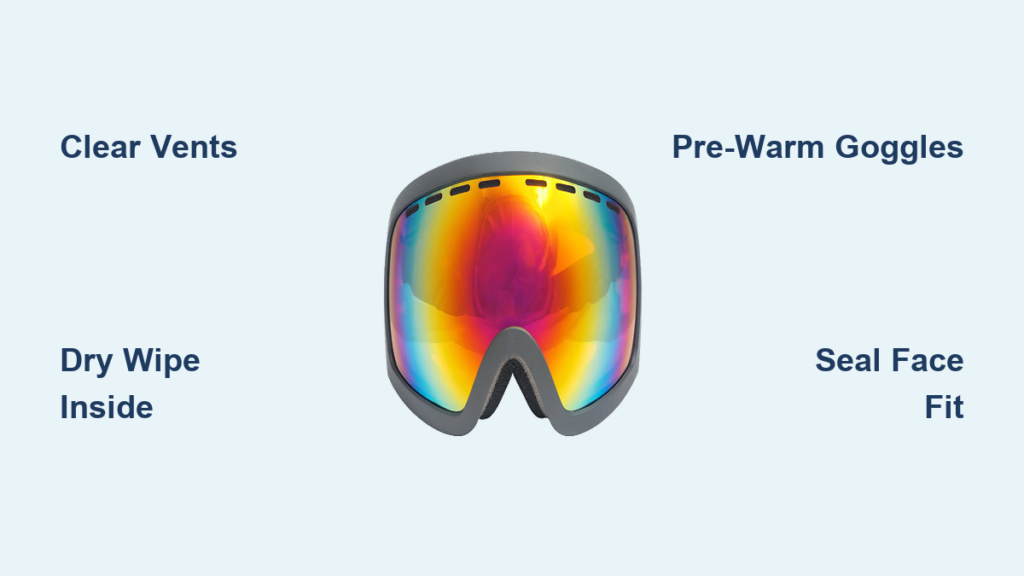
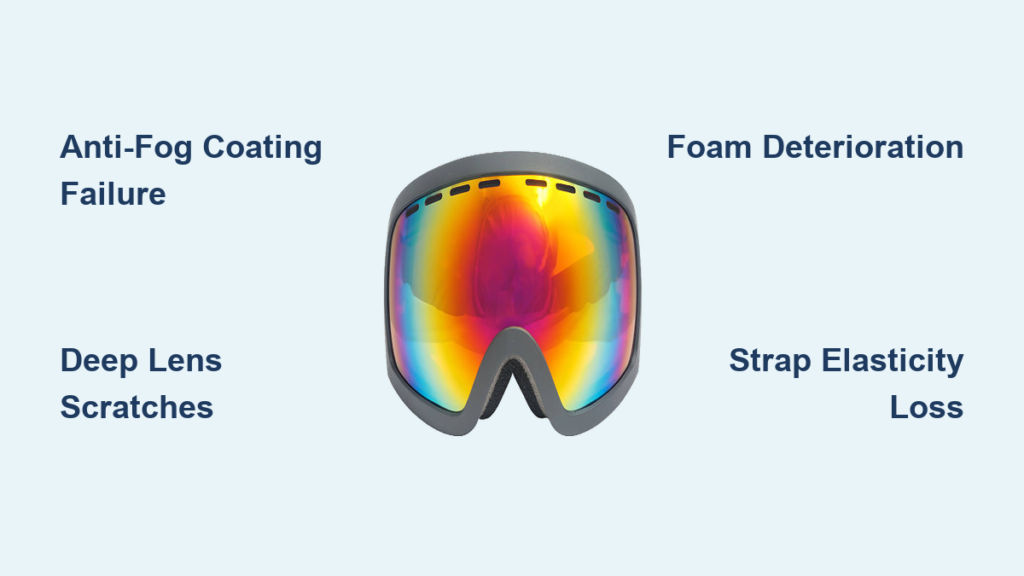
Rose, yellow, or pink lenses improve visibility on flat-light days. Mirrored coatings handle bright sun. Double lenses or thermal barriers prevent foging. Side shields provide full UV coverage.
Cycling and Running
Lightweight nylon frames with ventilation channels prevent fogging. Shatter-resistant polycarbonate lenses meet ANSI Z87.1 standards for impact safety.
Everyday Fashion Wear
Classic styles like wayfarers, aviators, and round frames work best. UV-protected gray or brown lenses with 20 to 40% VLT suit all-purpose use. Acetate or metal frames complete the look.
Testing Optical Quality Before You Buy
Do not leave lens clarity to chance. Perform this quick test before purchasing.
The Straight-Line Test
Hold sunglasses at arm’s length and look through one lens at a straight edge like a door frame or window. Move the glasses side to side and up and down. If lines stay straight, the lenses pass. If lines bend or waver, avoid these lenses. Cheap lenses often have optical distortions that cause eye strain or headaches.
Expert Note: Brands like Oakley, Maui Jim, and Zeiss use precision molding to minimize peripheral distortion.
Understanding Safety Standards
In the U.S., all sunglasses must meet FDA impact resistance standards. For higher safety, look for ANSI Z87.1 (industrial safety standard), ideal for sports. Polycarbonate and Trivex lenses are inherently shatter-resistant. Glass lenses can crack or spall, so avoid them for active use. Check for a “Z87” stamp on sport or safety models.
Price Versus Value: What Deserves Your Money
Low-Cost Options ($5-$20)
These can offer 100% UV protection but often lack polarization, coatings, or optical quality. Best for occasional use.
Mid-Range ($50-$150)
Usually include polarization, better coatings, and durable frames. Good balance of performance and price. Found at outdoor retailers like REI and Backcountry.
High-End ($150+)
Premium materials like Trivex and titanium appear here. Advanced lens tech (photochromic, polarized) comes standard. Superior optics, fit, and warranties justify the cost. Worth it for daily or sport use.
Bottom Line: You do not need to spend big for UV protection, but quality pays in clarity, comfort, and longevity.
Prescription and Special Needs
Prescription Sunglasses
These are made with your exact vision correction and available in all styles and lens types. Options include single vision, bifocal, and progressive. Always get a current prescription before ordering.
Clip-Ons and Magnetics
These attach to regular glasses for a cost-effective alternative. Magnetic systems offer better alignment and faster attachment.
Blue-Light Filtering
Some lenses reduce digital eye strain from screens. They are not a substitute for computer glasses but can be combined with UV and glare protection.
Caring for Long-Lasting Performance
Extend your sunglasses’ life with simple habits. Clean with microfiber cloth and lens-safe solution. Never wipe dry lenses with clothing, which causes scratches. Store in a hard case when not in use. Avoid hot cars, where heat warps frames and damages coatings. Rinse after saltwater or chlorine exposure. Inspect hinges and nose pads monthly.
Final Checklist: Buy with Confidence
Before purchasing, verify these essentials.
- 100% UV protection labeled clearly
- Polarized if reducing glare (driving, water, snow)
- Right VLT for your environment
- Lens material suited to use (polycarbonate for sports)
- Frame fits snugly, does not slip
- Large or wraparound lenses for full coverage
- No distortion in straight-line test
- Coatings: anti-scratch, anti-fog, hydrophobic
- Style fits your taste and lifestyle
- Face shape considered but not over-prioritized
- Prescription needs met if applicable
- Durable construction (hinges, nose pads)
- Verified polarization if required
- Care plan in place (case, cloth, storage)
Frequently Asked Questions About Choosing Sunglasses
What is the most important feature to look for when buying sunglasses?
The most important feature is 100% UVA and UVB protection. Without it, dark lenses cause pupil dilation, increasing retinal exposure to harmful UV rays. Always look for labels stating “100% UV protection” or “UV400.”
Do expensive sunglasses always provide better UV protection?
No. Price does not guarantee UV protection. Affordable models with proper labeling are safer than expensive fashion brands without it. Always verify the label regardless of price.
What is the difference between polarized and UV-protected lenses?
Polarization and UV protection are separate features. Polarized lenses reduce glare from reflective surfaces. UV protection blocks harmful ultraviolet radiation. Both are important, and lenses must be labeled for both features.
How do I know if my sunglasses fit properly?
Proper fit means frames sit snugly on your nose and ears without pinching or sliding. Lenses should extend to the edges of your face, and the height should span from your eyebrow center to two-thirds down your nose. Avoid frames that are too narrow or too wide.
How often should I replace my sunglasses?
Replace sunglasses if they are over two years old with heavy use, lenses are scratched or hazy, or coatings are peeling. UV protection can degrade over time. Consider having old pairs tested at an optometrist.
Can I wear the same sunglasses for all activities?
Not ideally. Different activities benefit from specific features. Driving needs polarized gray or brown lenses. Water sports require polarization and wraparound frames. Snow sports need rose or yellow tints for flat light. Choosing activity-specific sunglasses improves both protection and performance.
Key Takeaways for Choosing Sunglasses
The best sunglasses protect your eyes first, perform second, and look great third. Whether you spend $10 or $300, prioritize 100% UV protection, proper fit, and function suited to your lifestyle. Always verify UV labels rather than trusting price or brand reputation. Match lens technology (polarized, photochromic, mirrored) to your activities for optimal performance. Choose polycarbonate or Trivex for sports, and invest in quality coatings to extend lens life. Your eyes will thank you for decades to come.