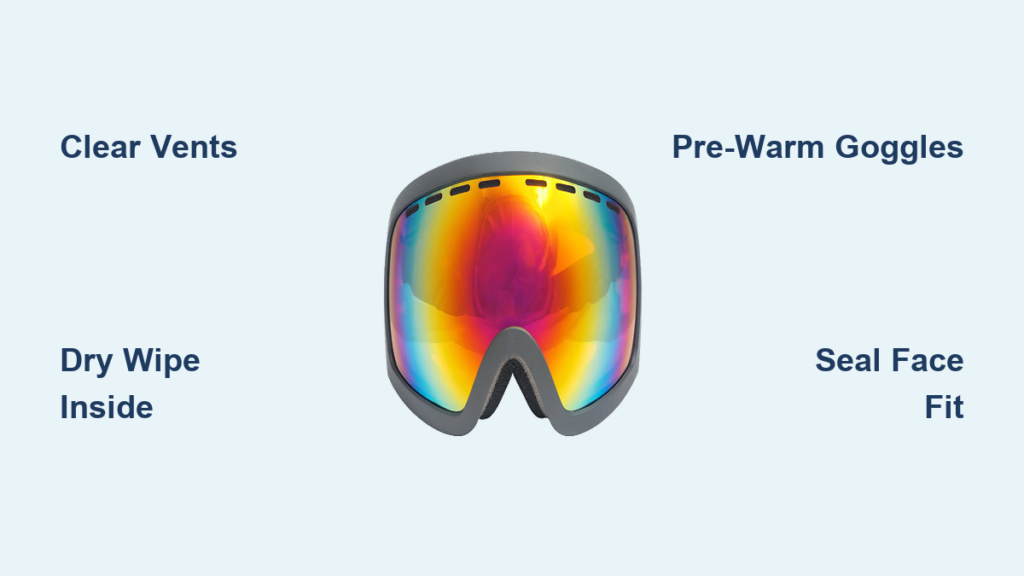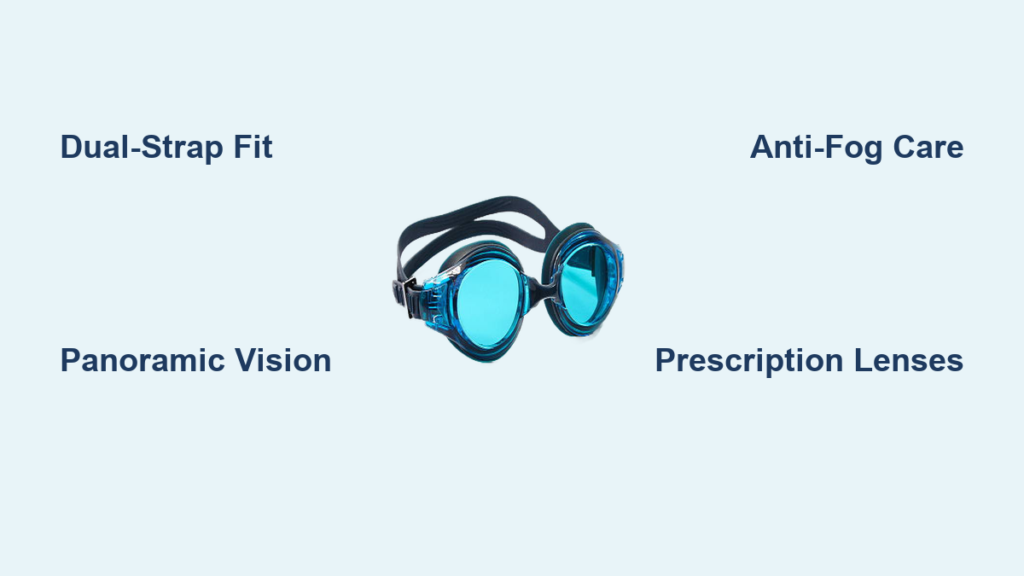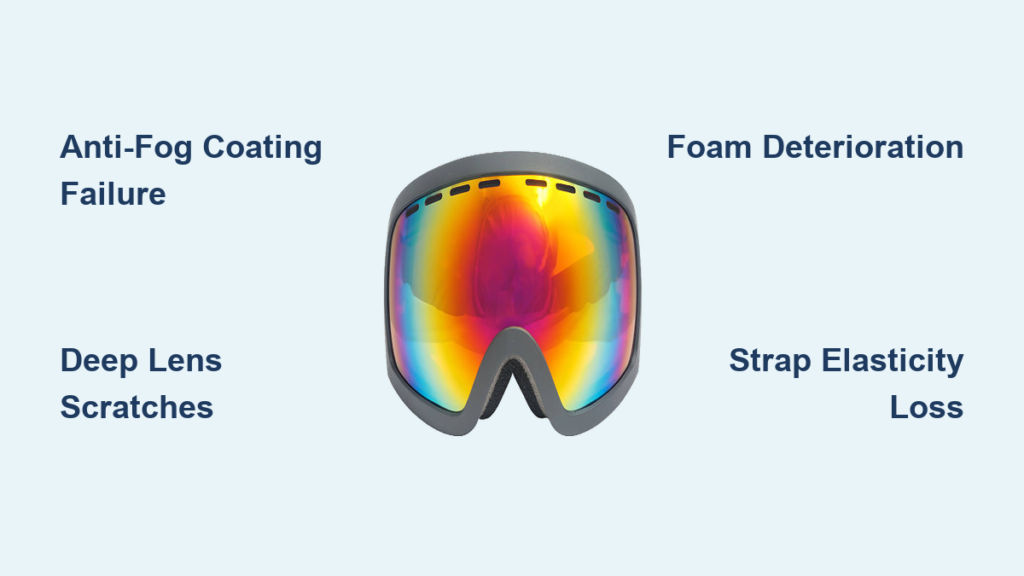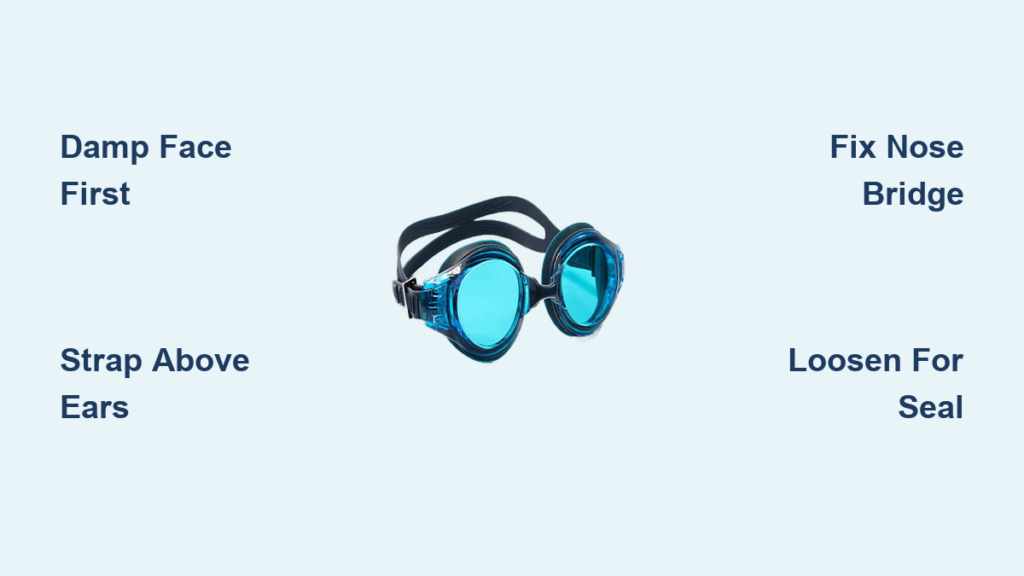
Nothing ruins a perfect swim, dive, or ski run faster than suddenly fogged goggles that turn your world into a cloudy blur. That sinking feeling when your vision disappears mid-lap or mid-descent isn’t just frustrating—it’s dangerous. Goggles fog because warm, moist air from your face hits the cooler lens surface, causing condensation that scatters light and obscures your view. Whether you’re racing through a pool, exploring coral reefs, or carving down a mountain, foggy goggles compromise performance and safety. The good news? With the right techniques applied correctly, you can maintain crystal-clear vision every time. This guide delivers proven, step-by-step solutions to make goggles not fog—backed by science and perfected by athletes worldwide.
Why Your Goggles Fog Instantly (And How to Stop It)

Understanding why fog forms is the first step to preventing it. Fog occurs when warm, humid air from your breath and skin hits the cooler lens surface, causing moisture to condense into tiny droplets. This happens faster in cold conditions—like when jumping into a chilly pool or skiing on a frosty morning—because the temperature difference is greater. The key to stopping fog isn’t eliminating moisture (impossible while you’re breathing), but changing how water interacts with the lens surface. Anti-fog treatments work by creating a microscopic film that causes water to spread into a transparent sheet rather than bead up into light-scattering droplets. This simple science principle is why certain household items outperform expensive commercial products.
Baby Shampoo: The Swimmer’s Secret Weapon
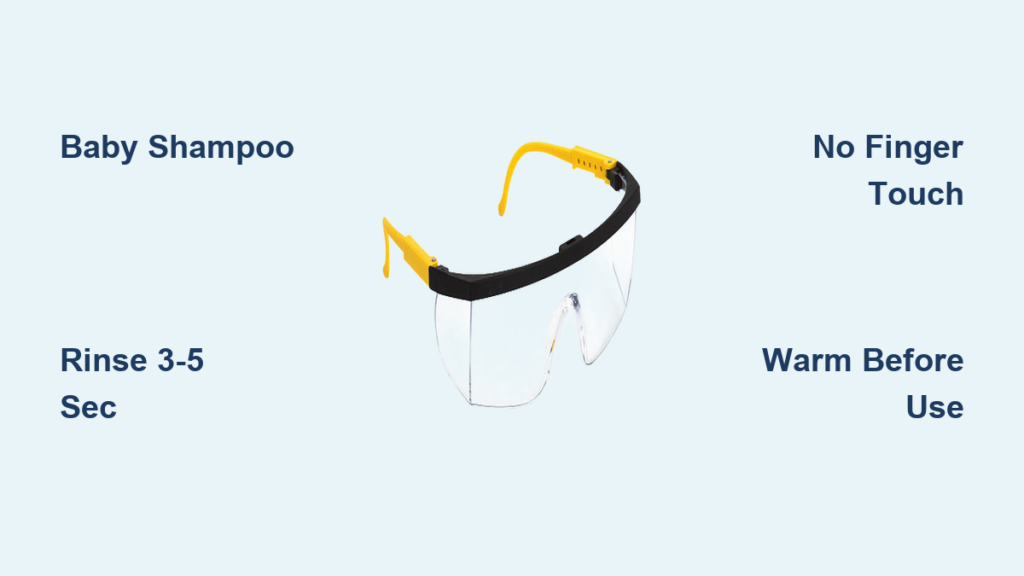
Johnson & Johnson’s baby shampoo has become the gold standard for anti-fog treatment because it’s gentle enough for sensitive eyes yet effective at preventing fog. The “no tears” formula contains surfactants that reduce surface tension on the lens, allowing moisture to spread evenly instead of forming fog. Here’s how to apply it for maximum effectiveness:
- Start with completely dry, clean goggles—any moisture dilutes the solution
- Place a single drop of baby shampoo on your clean fingertip (less is more)
- Gently rub the shampoo across the entire inside lens surface using small circular motions
- Rinse under cool running water for exactly 3-5 seconds—just enough to leave a microscopic film
- Shake off excess water and let air dry completely before use
Pro Tip: For longer-lasting results, apply baby shampoo the night before your swim and store goggles in a sealed bag. This gives the solution time to bond with the lens surface.
Commercial Anti-Fog Sprays: Worth the Investment?
Products like Quick Spit, Frog Spit, and Sea Drops offer convenience but vary significantly in effectiveness. Commercial solutions work best when applied correctly: apply 1-2 drops to dry lenses, spread evenly with a clean finger, then let dry completely for 10-15 minutes before use. The advantage? They’re specifically formulated for lens surfaces and often last longer than DIY solutions. The downside? Cost adds up over time, and some contain chemicals that may irritate sensitive eyes. For competition days or important dives, commercial sprays provide reliable performance when you can’t risk fogging.
The Emergency Spit Fix: Science-Backed Solution
When you’re already poolside with foggy goggles, saliva is your most accessible anti-fog solution—and it actually works for scientific reasons. Saliva contains natural surfactants that temporarily prevent beading. Here’s the proper technique:
- Clean the inside lens with fresh water first
- Apply a generous amount of saliva directly onto the lens
- Use your finger to spread it into a perfectly even, thin film (no streaks)
- Rinse under water for just one second to remove excess
- Put goggles on immediately while the film is still wet
Important: This method typically lasts 15-30 minutes, making it ideal for short swims but less effective for long training sessions or competitions.
Your 3-Step Fog Prevention Protocol
Following this precise sequence every time you prepare your goggles ensures maximum clarity and longevity of your anti-fog treatment.
Step 1: Precision Cleaning Before Treatment
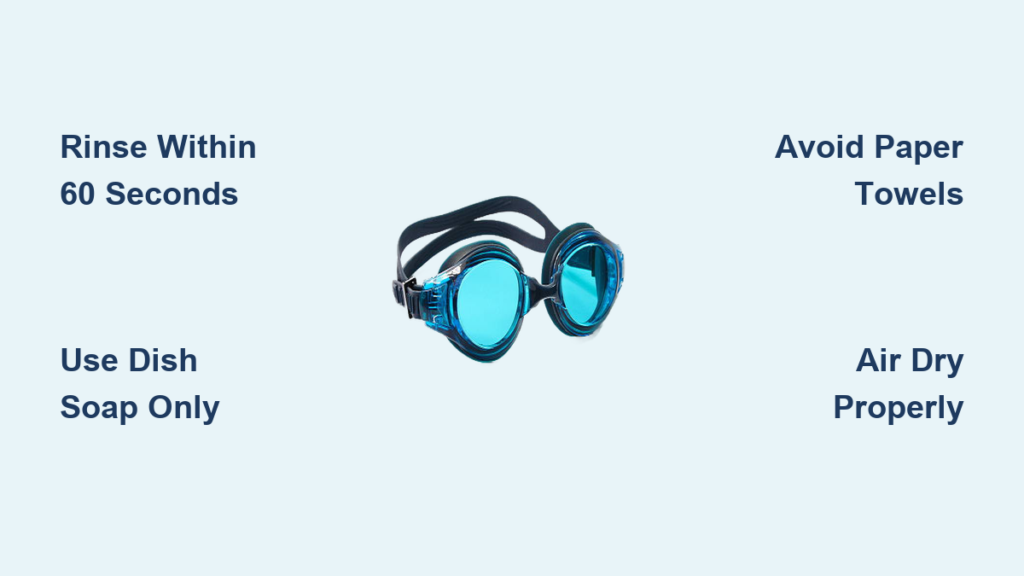
Start with spotless lenses—any residue from previous treatments or oils from your fingers creates fogging hotspots. Rinse goggles under cool water, then gently wipe the inside surface with a microfiber cloth using light pressure. Never use paper towels, tissues, or rough fabrics that can create microscopic scratches where fog starts. For stubborn residue, use a single drop of mild soap on your fingertip, rub gently, then rinse thoroughly. The inside lens should feel completely smooth with no oily spots.
Step 2: Perfect Anti-Fog Application Technique
Whether using baby shampoo, commercial spray, or saliva, application technique makes or breaks effectiveness. Apply your chosen solution to dry lenses for maximum adhesion. For liquid treatments, use the “one drop per lens” rule—excess creates streaks and eye irritation. Spread using small circular motions from center to edge until the entire surface has an invisible film. For sprays, hold 6-8 inches away and mist lightly—never soak the lenses. The goal is molecular-level coverage, not visible product.
Step 3: Critical Rinsing and Drying Process
This step separates effective treatments from frustrating failures. After applying your anti-fog solution, rinse under cool running water for exactly 3-5 seconds while gently shaking the goggles. You’re not removing the treatment—you’re washing away excess while leaving a microscopic film. Immediately after rinsing, shake off water droplets and let air dry face down on a clean towel. Never wipe the inside surface, as this removes your anti-fog layer. For fastest drying, place goggles in a warm (not hot) location for 10 minutes.
Pro-Level Fog Prevention Strategies

Elite swimmers and divers use these advanced techniques to maintain perfect visibility in challenging conditions.
Temperature Equalization Tactics
Sudden temperature changes cause instant fogging. Before putting on cold goggles, warm them in your hands for 30 seconds to reduce the thermal shock when they meet your face. For cold-water swimming, dip your goggles in the water for 10 seconds before putting them on—this equalizes the lens temperature with the environment. Skiers should keep goggles in an inside pocket until ready to descend, preventing the rapid cooling that triggers fog.
Dual-Layer Protection System
For critical events, combine two complementary methods: First apply baby shampoo as a base layer and let dry overnight. Then, just before use, add a light mist of commercial anti-fog spray. This creates redundant protection—when one layer wears off, the other maintains clarity. The shampoo provides long-lasting base protection while the spray offers immediate, high-performance coverage.
Activity-Specific Solutions
Different sports demand tailored approaches. For competitive swimming, apply baby shampoo the night before and store goggles in a sealed bag. Open water swimmers should use thicker anti-fog solutions and reapply at feed stations. Skiers and snowboarders benefit from anti-fog coated lenses combined with proper ventilation—always ensure vents are unobstructed. Divers should rinse masks in seawater before the dive to prevent salt crystals from interfering with anti-fog treatments.
Critical Mistakes That Cause Fogging Failures
Even with the right products, these common errors sabotage your anti-fog efforts.
The Finger Touch Trap
Your fingers transfer natural oils that create fogging hotspots. Always handle treated goggles by the strap or frame edges—never touch the inside lens surface after applying anti-fog treatment. If you accidentally touch the lens, rinse and reapply immediately. Competitive swimmers keep their goggles face down on a clean towel when not in use to prevent accidental contact.
Wrong Product Disasters
Toothpaste seems logical but often damages lenses—especially plastic ones—with its abrasive particles. Glass cleaner, alcohol wipes, and household cleaners strip anti-reflective coatings and leave residues that worsen fogging. Only use products specifically designed for eyewear or the gentle solutions outlined here. If a product stings your eyes, discontinue use immediately—it’s too harsh for safe application.
Rinse Timing Errors
Rinsing too long washes away your anti-fog layer; not rinsing enough leaves irritating residue. The sweet spot is 3-5 seconds under cool running water. Test your timing: after rinsing, the lens should look perfectly clear with no visible film, yet feel slightly slick to the touch. This indicates the microscopic anti-fog layer remains intact.
When and How to Reset Your Goggles
No anti-fog treatment lasts forever. You’ll know it’s time to start over when you notice persistent fog spots that don’t clear with a quick rinse. To properly reset your goggles:
- Soak in cool water with a drop of mild soap for 5 minutes
- Gently rub the inside surface with a soft cloth
- Rinse thoroughly under running water
- Air dry completely
- Reapply your chosen anti-fog treatment
For stubborn residue buildup, use a 50/50 mixture of white vinegar and water to clean lenses before restarting the anti-fog process. Deep clean your goggles weekly to maintain optimal performance, especially if you swim frequently or use them in saltwater.
Final Tip: Keep a small travel bottle of your preferred anti-fog solution in your gear bag for emergency touch-ups. A single drop reapplied during rest periods can extend clarity through multiple training sessions. By understanding the science behind fogging and applying these precise techniques, you’ll transform frustrating, cloudy goggles into reliable, crystal-clear vision—every single time you put them on.