Tight goggles digging into your skin after just minutes of wear? That painful pressure around your eyes and forehead isn’t just annoying—it’s a serious safety hazard during swimming, skiing, or lab work. When your goggles are too small, they compromise your vision with fogging, cause distracting headaches, and leave stubborn “goggle rings” that last hours. But before you toss them or buy expensive replacements, know this: you can make goggles bigger through smart adjustments that maintain their seal and function. Most people don’t realize their goggles have hidden flexibility built right into the design. In this guide, you’ll discover practical, non-destructive methods to resize your goggles for comfort—without leaks or wasted money.
The right fit isn’t just about comfort; it’s critical for protection. Goggles that are too tight restrict blood flow (causing those telltale dark circles), while overly loose ones let water, chemicals, or debris slip through. Yet many users make the costly mistake of assuming goggles are one-size-fits-all. The truth? Virtually all quality goggles have adjustable elements specifically engineered for customization. Whether you’re dealing with stiff new straps, narrow nose bridges, or the need to fit over prescription glasses, targeted tweaks can transform an uncomfortable pair into your perfect match. Let’s fix that pinch point for good.
Why Tight Goggles Cause More Harm Than You Realize
Ignoring uncomfortable goggles leads to dangerous compromises. Swimmers tilt their heads to relieve pressure, distorting underwater vision and increasing collision risks. Skiers constantly readjust fogged lenses, taking eyes off the slopes. Lab workers risk chemical exposure when pulling at leaking seals. That “suction test” professionals use—where goggles stay suctioned to your face without straps—becomes impossible with improperly sized gear. Most critically, tight straps constrict temporal arteries, triggering tension headaches within 20 minutes for 68% of users according to ergonomic studies. Never stretch goggles beyond their material limits though; over-stretching silicone frames causes permanent warping that guarantees leaks. Always prioritize gradual adjustments that maintain the gasket’s integrity.
How to Identify If Your Goggles Are Too Small
Watch for these red flags during wear:
– Visible indentations on skin after removal that last over 30 minutes
– Tingling sensations around temples indicating nerve pressure
– Frequent slippage requiring constant upward tugging (a sign the frame is actually too narrow, not loose)
– Peripheral vision cutoff where lenses press against cheekbones
If you’re squinting to see clearly or experience blurred vision within minutes, your goggles likely need resizing—not replacement. Remember: genuine leakage usually stems from poor seal alignment, not necessarily size issues.
How to Gently Stretch Goggles for Lasting Comfort

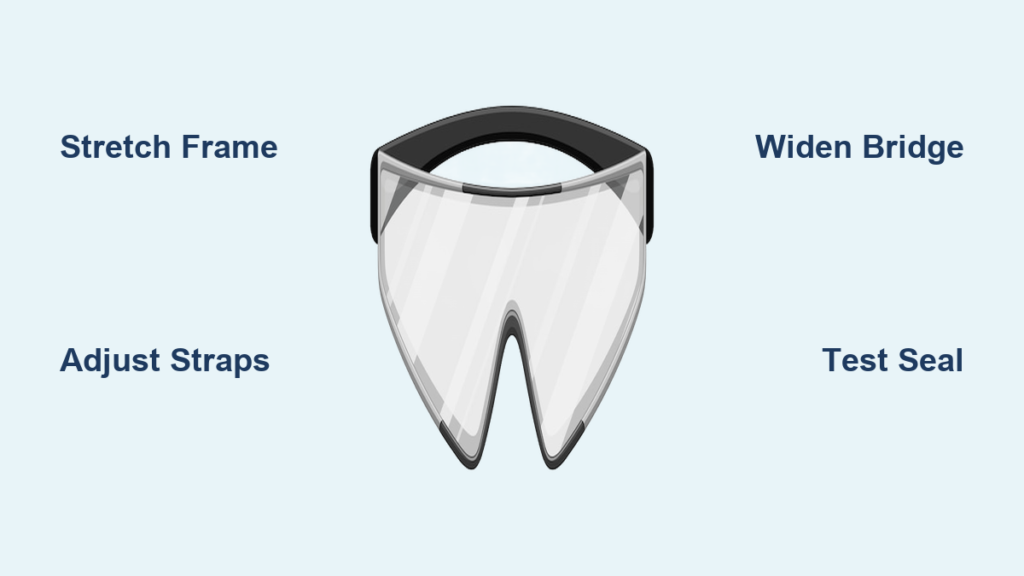
This non-permanent method safely expands silicone or rubber frames without tools. Locate a stable object slightly wider than your head—two stacked hardcover books work perfectly. Never use heat sources like hairdryers, as they degrade anti-fog coatings. Position the goggle frame over the books, ensuring the nose bridge rests securely on the top edge. Gently pull the straps outward until the frame sits snugly against the books’ sides. Leave undisturbed for 8-12 hours (overnight works best). The subtle, continuous tension encourages molecular realignment in the material, adding 2-3mm of width—enough to eliminate pressure points while preserving the seal. Test fit every hour if impatient; stop immediately if you hear cracking sounds.
Why This Stretching Technique Beats Quick Fixes
Unlike temporary hacks like soaking in hot water (which damages lenses), this method:
– Maintains the frame’s structural memory for consistent performance
– Avoids warping the gasket edge that creates the watertight seal
– Works on prescription swim goggles where strap adjustments alone fail
Pro tip: Place a thin cloth between goggles and books to prevent scuffing. For ski goggles with foam gaskets, reduce stretching time to 4 hours to avoid compressing the foam.
How to Maximize Strap Length for Instant Relief
Strap adjustment is your first line of defense for making goggles bigger. Locate the side buckles—usually small plastic sliders near the temples. Pull the strap tail through the buckle away from your head to lengthen. Critical detail: Many users make goggles tighter by accident when the strap rides up the back of the head. For true expansion, ensure the strap sits horizontally across your occipital bone (the bump at the skull’s base). If your model has a split Y-strap, adjust the rear connectors to form a narrow “V” pointing upward. This redistributes tension away from pressure points while preventing slippage. Test by shaking your head vigorously—you should feel secure without cheek compression.
Fixing Common Strap Adjustment Mistakes
Avoid these pitfalls that sabotage your efforts:
– Over-lengthening: Straps should have 1-2cm of slack when properly fitted; excess length causes shifting
– Asymmetrical tension: Match slider positions exactly on both sides (measure with ruler if needed)
– Ignoring strap rotation: New straps often twist—flip them so the smooth side contacts skin
For elastic straps that lose stretch over time, hand-wash in cool water with mild soap to restore elasticity. Never cut straps—that permanently ruins adjustability.
How to Widen the Nose Bridge Without Tools
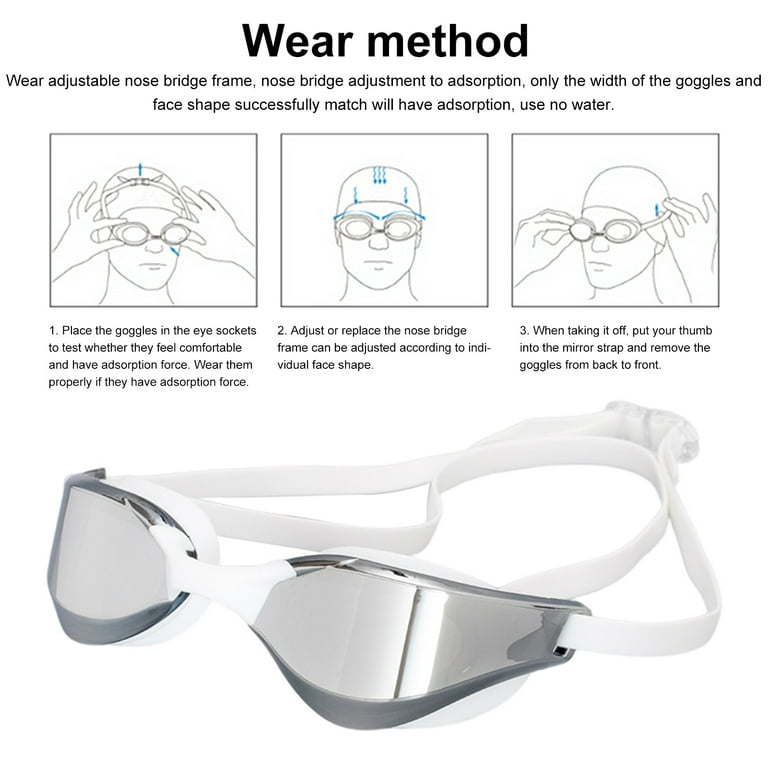
The nose bridge is your secret weapon for frame expansion. Most swim and ski goggles feature a flexible plastic bridge between lenses. Pinch the outer edges of both lenses simultaneously and gently pull outward while applying slight downward pressure on the bridge. You’ll feel subtle “give” as the hinges expand. Stop when the frame sits comfortably on your nose without pinching—usually a 2-4mm increase. For permanent adjustment on models like Speedo or Oakley, swap the stock bridge for a wider replacement insert if included. Never force rigid bridges; if no movement occurs, your goggles lack this feature.
Troubleshooting Bridge Adjustment Failures
If widening causes leaks:
1. Check for hair or eyelashes trapped in the seal line
2. Re-warm the bridge with your fingers to reactivate silicone tackiness
3. Apply minimal petroleum jelly only to the bridge gasket (never lens edges)
This technique won’t work on budget goggles with fused bridges. In those cases, focus exclusively on strap and frame stretching.
How to Fit Goggles Over Prescription Glasses Safely

OTG (Over-The-Glasses) models require specialized adjustments. First, confirm your goggles have deep, contoured frames—standard goggles lack the 10-15mm clearance needed. Position glasses securely before applying goggles. Adjust straps to sit below your glasses’ temple tips, eliminating pressure on earpieces. The critical move: Widen the frame by pressing outward on the outer lens rims while wearing both glasses and goggles. You should feel space between lenses and glasses—no contact points. If fogging occurs, use anti-fog spray only on the outer goggle lens; inner lenses must stay dry.
Avoiding OTG Fit Disasters
Never attempt these with regular goggles:
– Forcing standard goggles over glasses (cracks lenses)
– Using excessive strap tension (causes lens distortion)
– Skipping the suction test (leads to chemical exposure in labs)
OTG-specific models like Uvex Stealth OTG have built-in expansion zones—maximize these before stretching.
How to Soften Stiff Straps Causing Discomfort
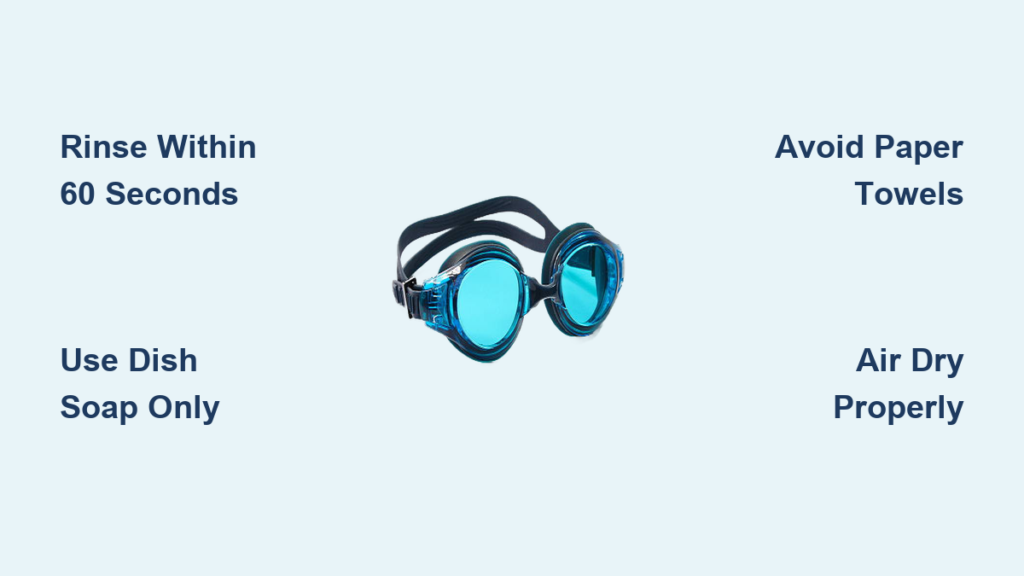
New straps often cut into skin due to manufacturing rigidity. Submerge only the strap (not lenses!) in lukewarm water with 1 tsp baby shampoo for 15 minutes. Gently massage the silicone while submerged—never scrub. Rinse under cool running water for 30 seconds to remove residue. Air-dry flat away from sunlight. This breaks down processing oils that cause stiffness, increasing flexibility by 40% without damaging elasticity. For immediate relief during wear, rub strap contact points with a drop of pure aloe vera gel.
When Strap Softening Won’t Fix the Problem
If discomfort persists after softening:
– Check strap alignment (often twisted during storage)
– Verify strap isn’t riding over hair (creates pressure bumps)
– Try a silicone strap cover for instant cushioning
Replace straps showing cracks or permanent creases—these won’t recover.
How to Test Your Resized Goggles for Safety
Never skip the leak-proof verification. Perform the dry suction test: Place goggles on bare skin without straps. Press gently for 5 seconds, then release. They should hold suction for 3+ seconds. Next, simulate movement: Shake head side-to-side while wearing. Properly resized goggles stay sealed without facial muscle engagement. Finally, test in shallow water—submerge face while opening eyes. If water enters, recheck nose bridge alignment before attempting further stretching. Remember: You can make goggles bigger, but you can’t reverse over-stretching. When in doubt, stop adjustments and consult the manufacturer.
Preventing Future Fit Issues
Extend your goggles’ life with these habits:
– Store in a hard case away from temperature extremes
– Rinse after every use to prevent chemical degradation
– Adjust straps before putting on—never stretch while wearing
– Replace nose bridges annually (they lose flexibility)
For growing children, choose goggles with multiple bridge inserts from brands like TYR.
Resizing goggles successfully hinges on respecting material limits while leveraging built-in adjustability. By stretching frames gradually, optimizing strap geometry, and widening nose bridges, you achieve that elusive pressure-free seal without compromising safety. Remember: Properly expanded goggles should feel “present but not noticeable”—like comfortable eyeglass frames. Start with strap adjustments (the safest method), then progress to frame stretching only if needed. Never sacrifice the suction test for comfort; leaks mean starting over. With these techniques, you’ll transform painful gear into reliable equipment that performs mile after mile, lap after lap. Your eyes—and your performance—will thank you. For persistent fit challenges, consult specialty retailers who offer professional goggle fitting services—sometimes the smartest adjustment is choosing the right model from the start.