You’re navigating dense woods at midnight when your commercial night vision fails in near-total darkness. Military issue night vision goggles deliver the clarity and reliability elite forces depend on for life-or-death missions – and civilians can legally own them today. But purchasing the wrong model could leave you blind in critical moments or even violate state hunting laws. This guide cuts through the confusion with actionable steps to select genuine military-spec units while avoiding costly legal pitfalls and irreversible damage to your equipment. You’ll discover exactly which current-issue models like the PVS-31A and GPNVG-18 are available to civilians, how to verify authentic L3Harris tubes, and the one mistake that instantly destroys $4,000 NVGs.
Why Military-Spec Night Vision Outperforms Commercial Models
Military issue night vision goggles use Generation 3 Pinnacle™ image intensifier tubes that amplify moonlight and starlight 50,000 times brighter than commercial alternatives. These L3Harris-manufactured tubes deliver critical advantages: higher signal-to-noise ratios reveal subtle terrain details in near-blackout conditions, autogating handles sudden light bursts from vehicle headlights, and unfilmed white phosphor technology produces crisp grayscale images instead of traditional green haze. Unlike consumer units, military-spec goggles withstand -40°F to 120°F operational extremes and survive 6-foot drops onto concrete – essential when your safety depends on reliable performance during search and rescue operations or property patrols.
How Gen 3 Pinnacle Tubes Create Battlefield Clarity
Military issue night vision goggles capture photons through multi-coated objective lenses, converting them to electrons via a gallium arsenide photocathode. These electrons accelerate through a microchannel plate where autogating technology prevents overload from sudden light exposure. The intensified electrons then strike a phosphor screen, creating the recognizable image – but military white phosphor variants offer 30% better target recognition than green phosphor in low-contrast environments. This entire process happens in milliseconds, providing real-time navigation during tactical movements where split-second decisions matter.
Critical Durability Features You Can’t Skip
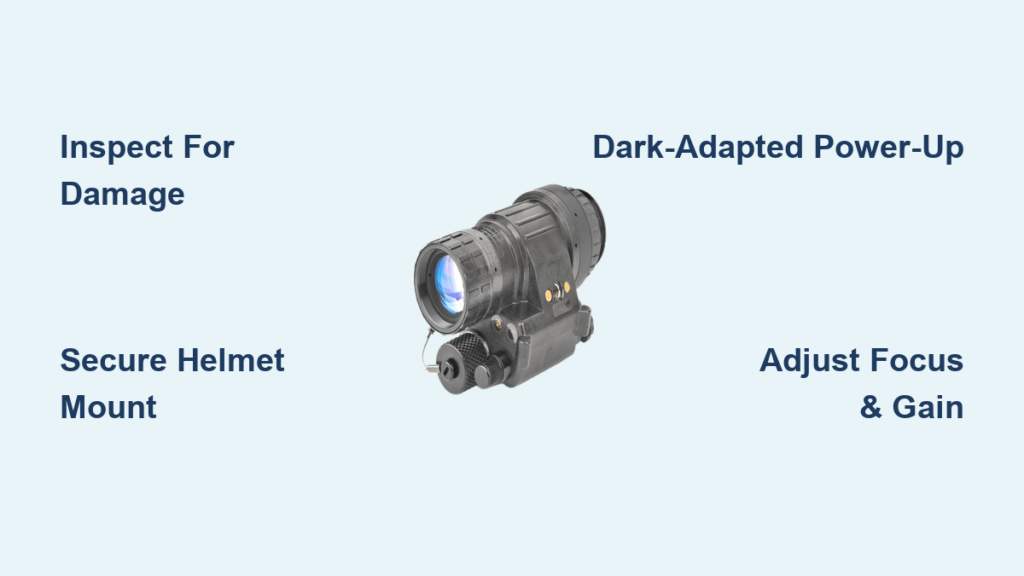
When selecting military issue night vision goggles, prioritize these non-negotiable specs: waterproof housings rated for submersion (critical for maritime operations), MIL-STD-810G shock resistance, and battery packs delivering 20+ hours runtime. The PVS-31A’s dual-tube design provides natural depth perception for obstacle avoidance during night hikes, while the GPNVG-18’s panoramic 97-degree field of view eliminates tunnel vision during fast-paced maneuvers. Never compromise on tube quality – authentic L3Harris tubes include etched serial numbers matching military lot codes and come with “Nods Vault” hard cases for storage.
Federal Legality vs. State Hunting Restrictions for Military NVGs
Owning military issue night vision goggles is federally legal for U.S. citizens and permanent residents, but 42 states prohibit their use for hunting game animals. Texas bans all night vision during deer season, while Pennsylvania allows only thermal imaging for feral hog control. Always verify your state’s specific regulations – Montana permits night vision for predator control but requires daylight-colored blaze orange vests, whereas California prohibits NVG use for any hunting activity. Military-grade units fall under ITAR regulations during export, but domestic sales to civilians remain unrestricted if the vendor complies with Department of State licensing.
Hunting Compliance Checklist Before Purchase
- Confirm legal hunting hours – NVGs are useless if your state prohibits hunting after sunset
- Check species-specific rules – Some states allow night vision for coyote control but not deer
- Verify accessory restrictions – Colorado bans IR illuminators with night vision
- Document property boundaries – Many states prohibit NVG use within 100 yards of neighboring properties
- Carry certification paperwork – Keep manufacturer specs proving your unit’s civilian-legal configuration
PVS-31A, BNVD-1531 & GPNVG-18: Current Military Models for Civilian Use
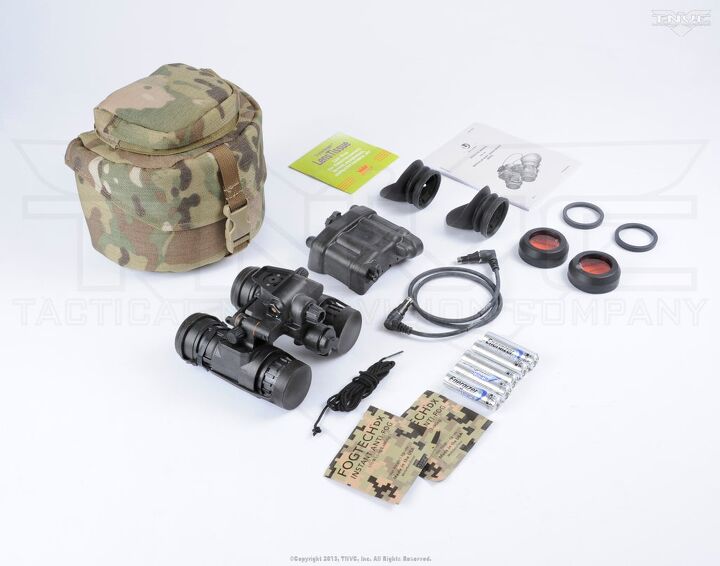
Three military issue night vision goggles dominate the civilian market with genuine SOCOM specifications. The PVS-31A binocular goggle delivers 40-degree field of view with individual eye focus for long-duration surveillance, while the BNVD-1531 offers identical performance in a lighter chassis preferred by recreational users. Special operations forces rely on the GPNVG-18’s revolutionary quad-tube design providing 97-degree panoramic vision – now legally available to civilians through authorized dealers like Army Surplus World. All current-issue models include Gen 3 Pinnacle tubes with 2,000+ hour lifespans when properly maintained.
Performance Comparison of Top Military NVGs
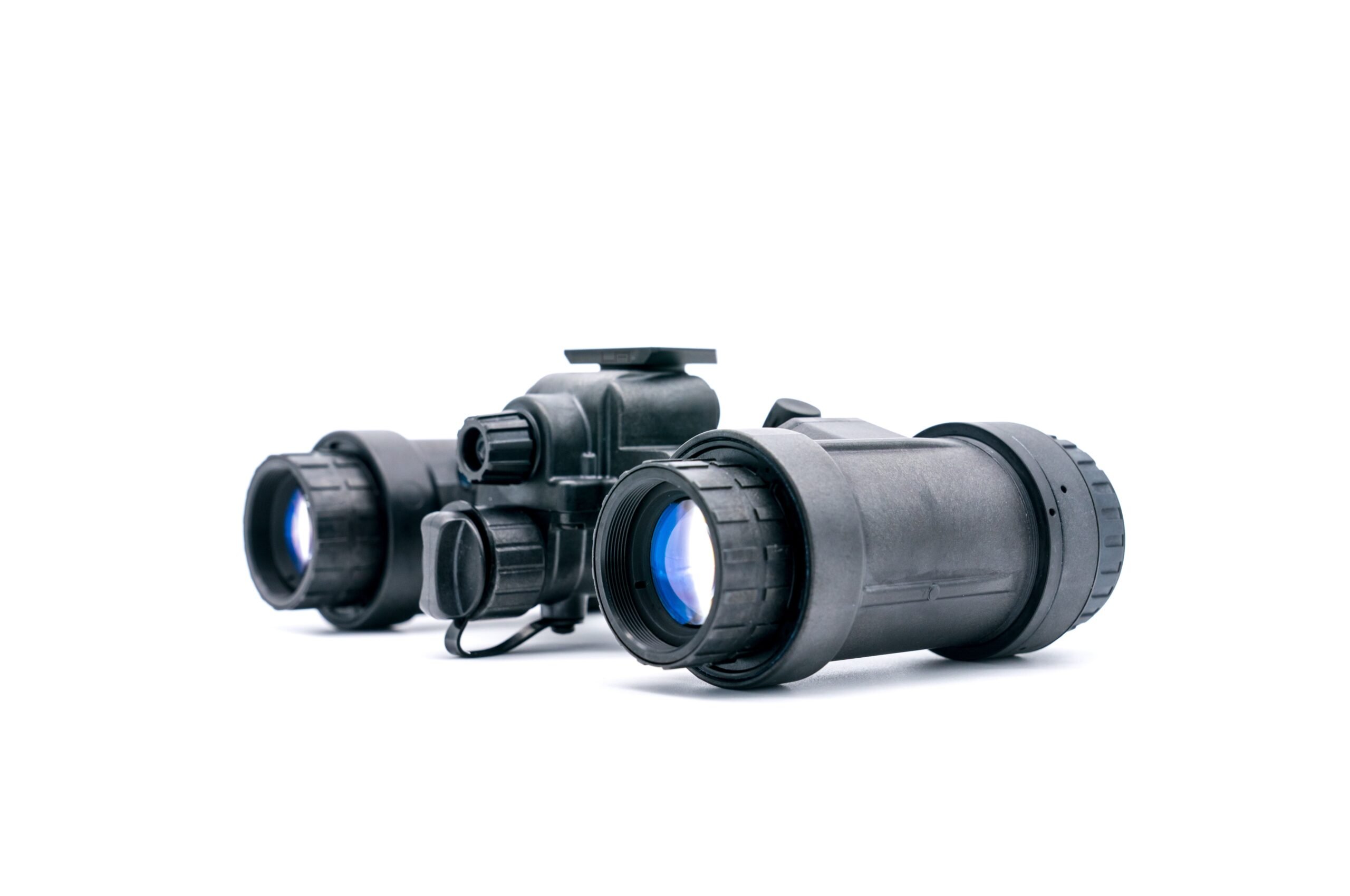
| Model | Field of View | Weight | Key Advantage | Best For |
|——-|—————|——–|—————|———-|
| PVS-31A | 40° | 1.4 lbs | Individual eye focus | Long surveillance ops |
| BNVD-1531 | 40° | 1.1 lbs | Streamlined profile | Recreational night hiking |
| GPNVG-18 | 97° | 2.8 lbs | Panoramic vision | Fast tactical movement |
Daylight Exposure: The #1 Cause of Military NVG Failure

Never power on military issue night vision goggles in daylight – even brief exposure to ambient light permanently damages the image intensifier tube. Unlike commercial units with basic light sensors, military-spec goggles lack daylight protection circuits to maintain battlefield readiness. A single sunrise glance through your PVS-31A will burn white spots into the phosphor screen, rendering the $3,800 unit useless. Always store NVGs with objective lens caps installed and power off during twilight transitions. If operating near dawn, keep goggles covered until full darkness – the 30-minute “nautical twilight” period still contains enough light to cause irreversible damage.
Emergency Damage Control Protocol
If accidental daylight exposure occurs:
1. Immediately power off the unit – do not attempt to reposition
2. Cover objective lenses with opaque caps before removing from helmet
3. Inspect for artifacts in complete darkness after 24 hours
4. Seek professional evaluation – minor exposure may be repairable
5. Never attempt DIY fixes – improper handling compounds tube damage
Battery Life, Weight & FOV: Choosing Your Military NVG Specs
Military issue night vision goggles demand tradeoffs between operational endurance and physical burden. The PVS-31A’s dual batteries deliver 20+ hours runtime but add 0.3 lbs over the BNVD-1531’s single-battery design. For extended missions, prioritize units with AA battery compatibility over proprietary packs – you can scavenge power sources in emergencies. Field of view directly impacts situational awareness: the GPNVG-18’s 97-degree panoramic view requires 2.8 lbs of weight but eliminates blind spots during building clears. Recreational users should choose BNVD-1531 models under 1.2 lbs for comfortable 4-hour night hikes.
Weight Distribution Hacks for All-Day Wear
- Use counterbalance systems – Attach weight to helmet rear to offset NVG front heaviness
- Adjust tension straps – Loose mounts cause neck strain during prolonged use
- Choose rail-compatible helmets – Allows quick detachment during dismounted operations
- Limit runtime – Swap to monocular mode after 3 hours to reduce fatigue
- Test before buying – Wear demo units for 20 minutes to assess comfort
Must-Have Accessories for Military NVG Field Operations
Military issue night vision goggles require specific gear to reach operational capability. Essential accessories include:
– IR illuminators – Critical for total darkness (caves, dense forests)
– Helmet mounts with quick-release – Compatible with Ops-Core or Crye Precision helmets
– Soft-shell transport cases – Protect against scratches during vehicle transit
– Lens cleaning kits – Microfiber cloths with isopropyl alcohol solution
– Battery warmers – Prevent power loss below 20°F during winter operations
Pro Tip: Always carry spare objective lens caps – a single twig scratch can create distracting glare spots. For maritime use, invest in waterproof battery packs that maintain voltage in high humidity.
Long-Term Storage and Cleaning Protocols for Military NVGs
Store military issue night vision goggles in climate-controlled environments between 50-75°F with silica gel desiccants. Never leave units in vehicles where temperatures exceed 140°F – extreme heat degrades tube coatings. Monthly maintenance requires:
1. Wiping housings with isopropyl alcohol-dampened cloth
2. Inspecting O-rings for cracks or compression
3. Testing battery contacts for corrosion
4. Verifying lens cap seals
5. Running 10-minute operational checks in darkness
Critical Cleaning Rule: Never use compressed air on lenses – it forces dust into tube housings. Instead, use a rocket blower followed by microfiber cloths in circular motions from center outward.
Avoiding ITAR Violations When Purchasing Military-Grade NVGs
Reputable dealers like Army Surplus World implement strict ITAR compliance protocols for military issue night vision goggles. Verify your vendor:
– Requires U.S. citizenship documentation
– Provides DDTC authorization numbers
– Never ships internationally without licenses
– Maintains export control training records
– Offers government/military pricing tiers
Red Flags: Sellers offering “export versions” at discounts likely violate ITAR. Genuine military NVGs include traceable tube serial numbers matching U.S. military lot codes – demand documentation before purchasing.
Military issue night vision goggles deliver unmatched performance when selected and operated correctly. Prioritize authentic Gen 3 Pinnacle tube units like the PVS-31A for critical missions, strictly avoid daylight exposure, and always verify state hunting regulations. Invest in the complete kit – including protective cases and IR illuminators – to maximize your $3,000+ investment. For first-time buyers, the BNVD-1531 offers the best balance of military reliability and civilian usability. Remember: proper training matters as much as the equipment – practice in safe environments before relying on NVGs in actual darkness.