Finding sunglasses that look great and feel comfortable starts with understanding the numbers. Learning how to measure sunglasses size gives you control over fit, UV protection, and style. Every pair of quality sunglasses displays three key measurements on the inside of the temple arm: lens width, bridge width, and temple length. These millimeter-based numbers determine how well frames sit on your face and how effectively they block harmful rays. Whether you shop online or in stores, knowing what these numbers mean helps you avoid guesswork and find your perfect match. This guide walks you through reading size labels, measuring your face, matching frames to your shape, and solving common fit problems.
Read the Sunglasses Size Label
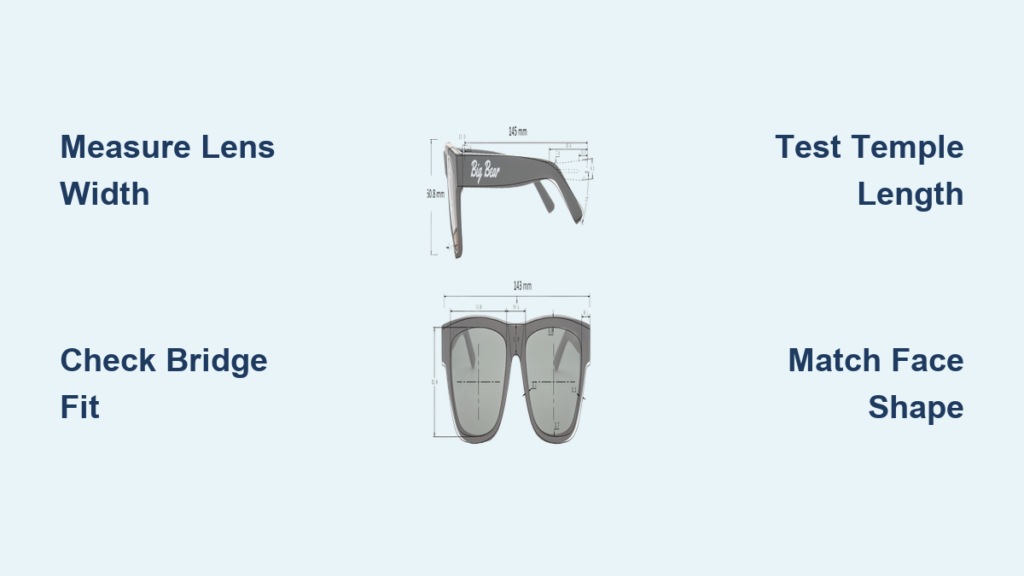
Every properly made pair of sunglasses includes a three-number code stamped on the temple arm. This code tells you the exact dimensions in millimeters, allowing you to compare sizes across brands confidently.
Understanding the Three-Number Code
The sequence typically appears as something like 52-18-140. Each number represents a specific measurement.
The first number indicates lens width, which measures the horizontal width of a single lens at its widest point. This is the most critical measurement because it determines coverage and how well the sunglasses protect your eyes from peripheral light. The second number shows bridge width, which is the distance between the two lenses where the frame rests on your nose. This affects stability and comfort. The third number represents temple length, measuring the arm from the hinge to the tip that sits behind your ear. Together, these three numbers create a complete picture of how the sunglasses will fit.
Where to Find the Size Numbers
Turn your sunglasses over and look at the inside of the right temple arm. The numbers usually appear near the hinge area. If you are shopping online, this information typically appears in the product details or specifications section. Some brands use slight variations in formatting, such as spaces instead of dashes, but the order always remains the same. Always verify these numbers before purchasing, especially when buying online where you cannot try the frames on first.
Measure Your Face for Sunglasses
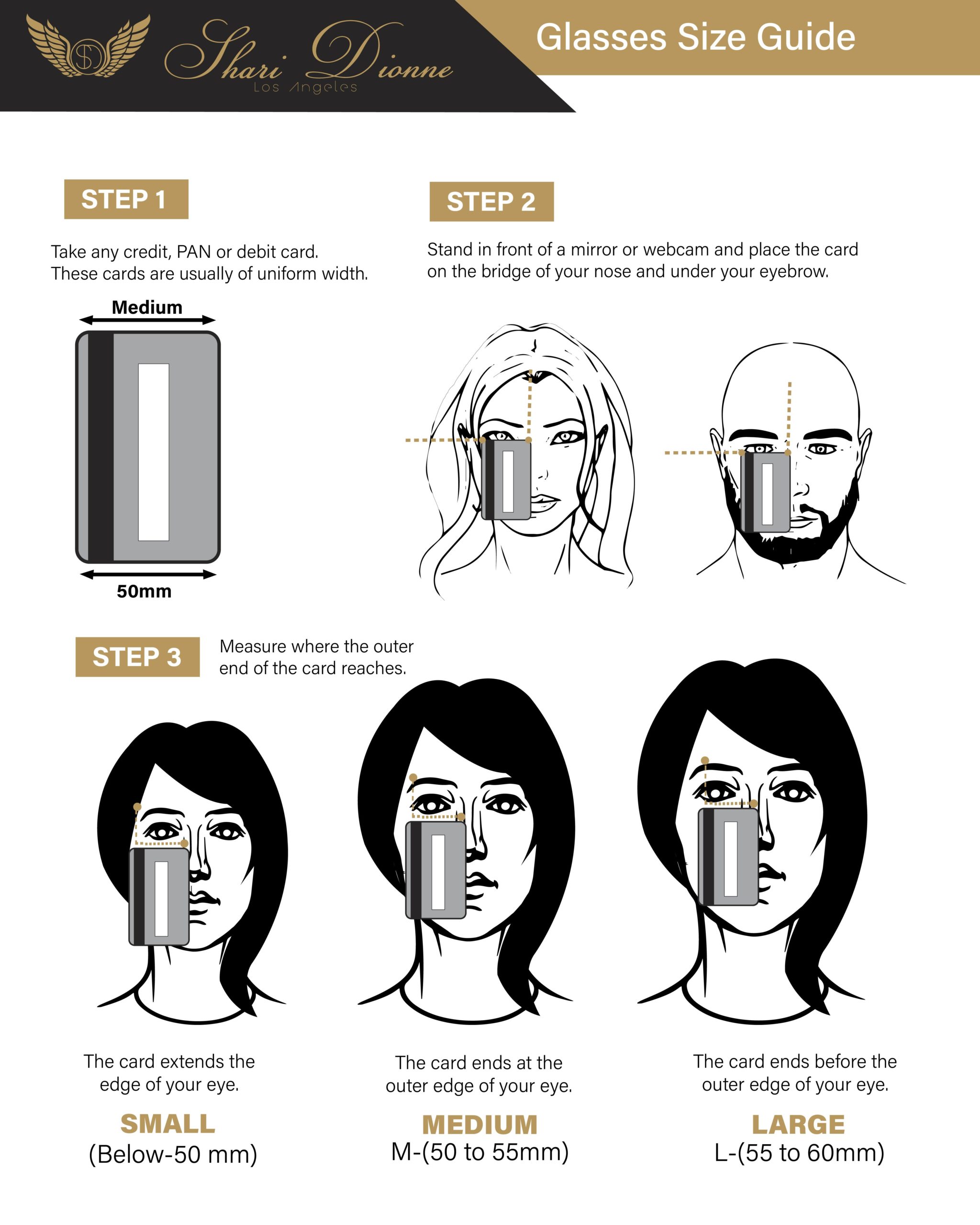
Understanding your facial dimensions helps you select sunglasses that match your proportions. You can measure your face at home using a soft measuring tape or a ruler.
Measure Face Width
To find your face width, place a measuring tape horizontally across your forehead just above your ears. Measure from the outer edge of one temple to the outer edge of the other. This total width helps you estimate the appropriate lens size.
Use this guide to match your face width to lens width.
For faces narrower than 129 millimeters, choose lens widths up to 50 millimeters. For average faces between 130 and 139 millimeters, lens widths of 51 to 55 millimeters work best. For faces wider than 139 millimeters, look for lens widths of 56 millimeters or more. Remember that total frame width equals approximately lens width multiplied by two, plus the bridge width. The frame should not extend beyond your temples.
Check the Fit in the Mirror
Stand in front of a mirror to evaluate how the sunglasses sit. If the frame edges extend past your temples, the sunglasses are too wide. If there is a large gap between the lens edge and your cheek, they are too narrow. Properly sized lenses should align with your facial width for balanced coverage and protection.
Determine Bridge Width Fit
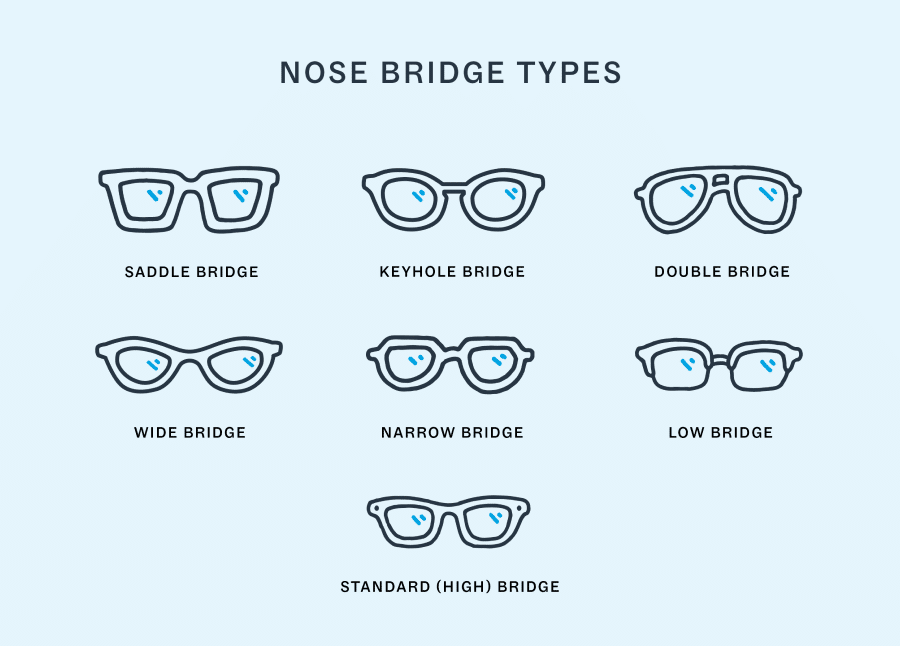
The bridge is the part of the frame that rests on your nose. Getting this measurement right prevents slipping and pinching.
Measure Your Nasal Bridge
Look at yourself in a mirror or take a side-profile photograph. Notice where your nasal bridge sits relative to your pupils. If your bridge is level with or below your pupils, you likely need a narrower bridge around 16 to 18 millimeters. If your bridge sits above your pupils, a wider bridge of 19 to 22 millimeters will fit better. You can also measure the distance between the inner corners of your eyes for a rough estimate.
Choose Based on Nose Shape
Different nose shapes require different bridge features. For low or flat bridges, choose frames with silicone nose pads or adjustable grips that provide better hold. For high or prominent bridges, standard or narrower bridges work best without causing discomfort. If you have a wide nose, select bridge widths of 20 millimeters or more to prevent pinching and ensure comfortable wear.
Find the Right Temple Length
Temple arms extend from the front of the frame to behind your ears. The length affects how securely the sunglasses stay in place.
Measure Temple-to-Ear Distance
Start at the outer corner of your eye and run the tape over your ear to the point where the temple tip would rest. This measurement approximates the ideal temple length for your head shape.
Most adults need temple lengths between 135 and 150 millimeters. Temples shorter than 135 millimeters may cause pressure and discomfort behind the ears. Temples longer than 150 millimeters often result in a loose, unstable fit. Most medium-sized frames use 140 to 145 millimeter temples.
Adjust for Secure Fit
An optician can gently bend temple arms for minor adjustments to improve fit. However, if the length is drastically wrong, simply choosing a different size is more practical than attempting major modifications. Always prioritize correct initial sizing over forcing adjustments.
Match Frames to Your Face Shape

Your face shape influences which frame styles and sizes look best and feel most comfortable.
Round Faces
Round faces feature soft curves with cheekbones and forehead of similar width. To create contrast and elongate the face, choose larger lens widths of 54 millimeters or more. Angular frame shapes like rectangular, square, or geometric styles add definition. Avoid small or round frames that emphasize the natural curves of a round face.
Square Faces
Square faces have strong jawlines, broad foreheads, and angular features. Medium to wide frames between 52 and 56 millimeters with curved edges soften these angles. Round, oval, or aviator styles work particularly well. Bottom-heavy frames like aviators with curved lower rims balance strong jawlines effectively.
Oval Faces
Oval faces have balanced proportions with a slightly wider forehead and tapered jaw. This face shape is the most versatile and can pull off most frame sizes and styles. Aim for frames as wide as or slightly wider than the broadest part of your face. Medium sizes between 52 and 55 millimeters typically work best. Avoid extremely oversized or undersized frames that disrupt natural symmetry.
Heart-Shaped Faces
Heart-shaped faces feature a broad forehead and narrower chin. Frames wider at the bottom, such as cat-eye or shield styles, create visual balance. Choose sizes that match your cheekbone width. Decorative lower rims or colored accents help widen the lower face visually and counteract top-heaviness.
Sports Sunglasses Sizing
Active lifestyles demand sunglasses that stay securely in place during movement. Sport-specific sizing ensures performance and protection.
Choose Wraparound Designs
Sports sunglasses should feature wraparound frames that hug your face for complete coverage. Look for lens widths of 56 millimeters or more to block wind and UV from all angles. The frame curve should seal around your eyes to prevent light leakage. Adjustable nose pads help prevent bouncing during activities like cycling, running, or skiing.
Select Secure Temple Features
Look for rubberized or silicone temple tips that grip without slipping. Curved or wrapped temple ends that lock behind ears provide additional security. Lightweight materials like TR90 reduce fatigue during extended wear. Temple lengths between 140 and 150 millimeters offer the best balance of security and comfort for active use.
Test Movement Stability
Put on the sunglasses and move your head side to side, up and down, or simulate your sport activity. If the frames shift, bounce, or feel unstable, the size or nose grip is inadequate. Adjustable features become essential for dynamic activities where constant movement is expected.
Kids’ Sunglasses Fit
Children need properly sized sunglasses to protect their developing eyes from UV damage. Fit and durability matter equally.
Size for Growing Faces
For children ages 3 to 8, choose lens widths between 45 and 50 millimeters. For older children, lens widths of 50 to 54 millimeters work better. Temple lengths should fall between 125 and 140 millimeters. The bridge should be adjustable or padded to accommodate smaller noses. Frames should sit close to the face without pressing on cheeks or ears.
Use Retention Straps
Many children’s sunglasses include silicone straps that go behind the head. These straps prevent loss and ensure consistent wear. They compensate for shorter temples and help active kids keep their sunglasses in place during play.
Prioritize Durable Materials
Choose sunglasses with flexible hinges that withstand rough handling. Impact-resistant lenses made from polycarbonate protect against drops and accidents. Soft, rubberized frames resist breaks and provide comfortable wear. Proper fit encourages children to keep their sunglasses on rather than pushing them up or removing them.
Fix Common Fit Problems
Even with correct measurements, fit issues can occur. Here is how to address the most frequent problems.
Glasses Slide Down Your Nose
This problem usually means the bridge is too wide or the nose pads lack grip. Switch to a narrower bridge width of 16 to 18 millimeters, or choose frames with silicone nose pads. Anti-slip gel or nose grips provide instant improvement.
Pinching at the Temples
Temple pinching indicates the frame is too narrow or the temples are too short. Try upgrading to longer temples at 145 millimeters or more, or select a larger frame size with wider lens width. Avoid forcing adjustments that could damage the hinges.
Pressure Behind Your Ears
Temples that are too tight or improperly curved cause this discomfort. Visit an optician for gentle bending to relax the fit. Alternatively, choose frames made from flexible materials like TR90 that conform to your head shape.
Gaps on the Sides
When the frame is too small for your face, gaps appear on the sides. Move to larger lens widths of 56 millimeters or more. The lenses should cover your outer eye corners without leaving exposed gaps that let light in.
Restricted Vision
Lenses that are too small or misaligned limit your field of view. Ensure the lens width matches your face width and that lenses center over your pupils. Wider lens widths improve peripheral awareness and overall vision clarity.
Smart Shopping Tips
Make informed decisions whether shopping in stores or online.
Always Verify Size Labels
Before buying, confirm the three-number code such as 54-19-140. Never assume that terms like medium or large mean the same across different brands. A 54-millimeter frame from one manufacturer may fit differently than a 54-millimeter frame from another.
Try Before You Buy
When possible, test multiple sizes in person. Pay attention to weight distribution across your nose and temples. Notice how the bridge feels on your nose and whether temples reach comfortably behind your ears. Even small differences affect long-term comfort.
Use Virtual Try-On Tools
Many retailers offer augmented reality apps that let you upload a photo and see how different frames look on your face. These tools estimate proportions and suggest sizes based on your facial geometry. They are especially useful when shopping online.
Get Professional Assistance
Opticians can measure your pupillary distance and recommend sizes based on your facial landmarks. They can also adjust temple angles and nose pads for customized fit. A quick professional consultation can save you from costly returns.
Maintain Your Sunglasses
Proper care keeps your sunglasses fitting well over time.
Clean Gently
Use a microfiber cloth and lens-safe cleaning solution. Avoid hot water, which can warp plastic frames and damage lens coatings. Never use paper towels or clothing that could scratch the lenses.
Store Properly
Always use a hard case when you are not wearing your sunglasses. Leaving them in pockets, bags, or on hot surfaces deforms the arms and lenses. Heat exposure especially weakens frame materials and causes warping.
Re-Adjust When Needed
If your frames start slipping or pinching after months of wear, visit an optical shop for adjustment. Most stores offer this service free, even if you did not purchase your sunglasses from them.
Final Fit Checklist
Before finalizing your purchase, verify each of these points.
Make sure the lens width matches your face width without extending past your temples. Confirm the bridge sits snugly on your nose without pinching. Check that temples reach behind your ears comfortably without causing pressure. Verify lenses center over your pupils for proper vision. Ensure there are no gaps on the sides that let light in. Test that the sunglasses stay in place when you move your head. If all answers are yes, you have found your perfect pair.
Frequently Asked Questions About How to Measure Sunglasses Size
What do the three numbers on sunglasses mean?
The three numbers represent lens width, bridge width, and temple length in millimeters. For example, 52-18-145 means 52-millimeter lens width, 18-millimeter bridge width, and 145-millimeter temple length. These measurements together determine how the sunglasses will fit your face.
How do I measure my face for sunglasses?
Measure horizontally across your forehead from one temple outer edge to the other. Use this face width to estimate appropriate lens size. For faces under 129 millimeters, choose lenses up to 50 millimeters. For faces between 130 and 139 millimeters, choose 51 to 55 millimeters. For faces over 139 millimeters, choose 56 millimeters or larger.
What is the average sunglasses size for adults?
Most adults fit into medium-sized sunglasses with lens widths between 53 and 55 millimeters. However, average depends on your individual facial dimensions rather than general categories. The best way to find your size is to measure your face and check frame labels.
Can I adjust sunglasses if they do not fit perfectly?
Minor adjustments are possible at most optical shops. Opticians can gently bend temple arms or adjust nose pads for better fit. However, if the size difference is significant, replacing the sunglasses with a better-fitting pair is more practical than forcing adjustments.
How do I know if my sunglasses are too small?
Signs that sunglasses are too small include gaps on the sides letting in light, restricted peripheral vision, or the frame sitting too close to your cheeks. The lenses should cover your outer eye corners without leaving exposed gaps.
Key Takeaways for Finding Your Perfect Sunglasses Fit
Understanding how to measure sunglasses size transforms your shopping experience from guesswork to confidence. The three key measurements, lens width, bridge width, and temple length, work together to determine comfort and protection. Measure your face width first to establish your baseline lens size, then consider your nose shape and temple length for complete fit. Face shape influences style but not fundamental sizing. For sports or children’s sunglasses, prioritize secure features and durability. Remember that even perfect measurements may need minor professional adjustments over time. Use this knowledge to shop smarter, try more effectively, and find sunglasses that protect your eyes while looking fantastic.