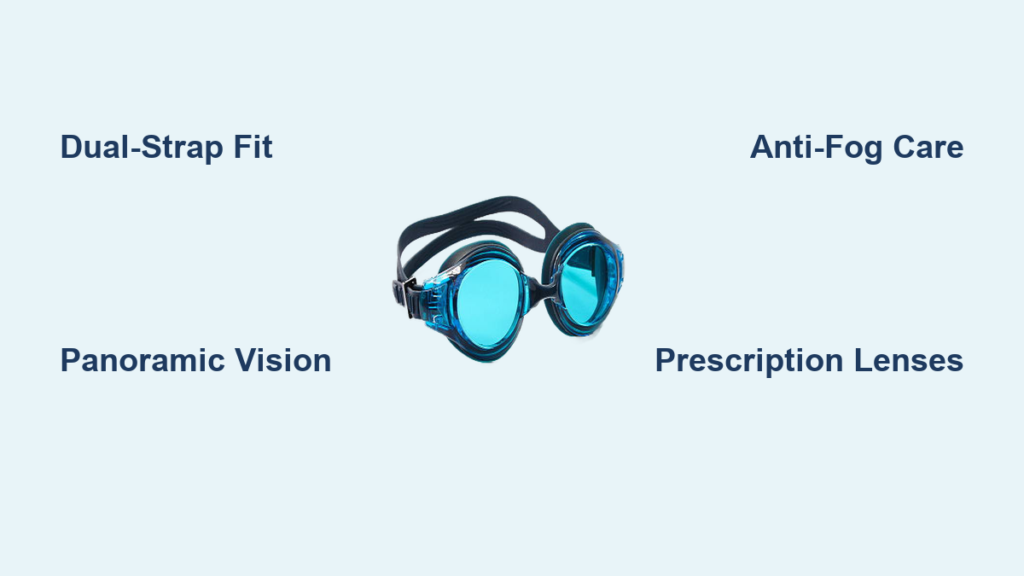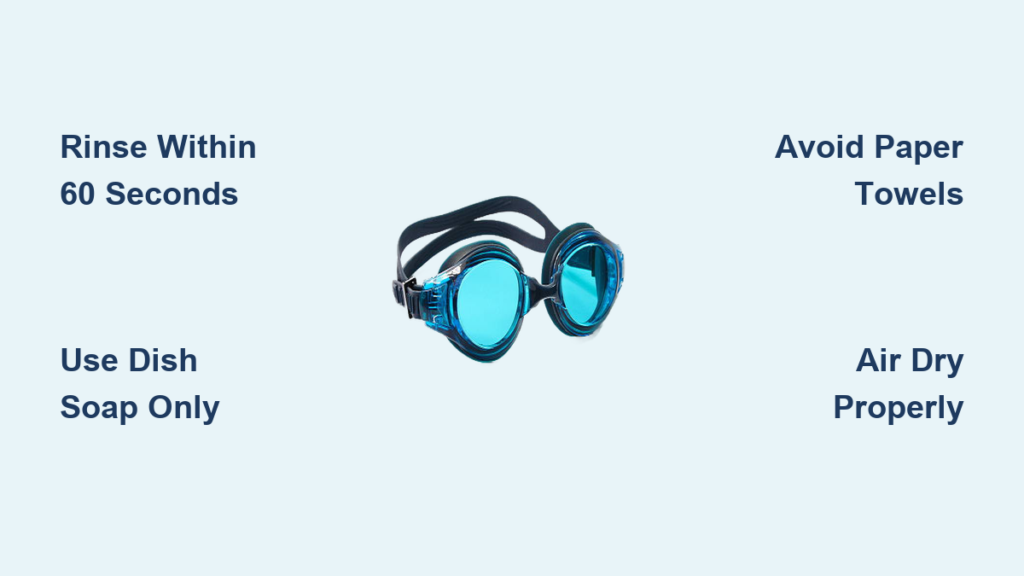
Goggle marks—those stubborn, puffy imprints left by your swimming goggles—are more than just a cosmetic nuisance for dedicated swimmers. If you’ve ever emerged from the pool with deep red rings around your eyes that linger for hours, you know exactly how frustrating these pressure marks can be. For competitive swimmers and daily enthusiasts alike, learning how to get rid of goggle marks is essential for both comfort and confidence. These telltale rings form when goggle straps are overtightened or the gasket creates uneven pressure on your delicate facial skin. The good news is that with the right combination of goggle selection, pre-swim preparation, and post-swim care, you can significantly reduce or even eliminate these marks. This guide reveals proven strategies that go beyond temporary fixes to address the root causes of goggle marks, so you can enjoy your swim without the painful reminder afterward.
Selecting Goggles That Prevent Mark Formation
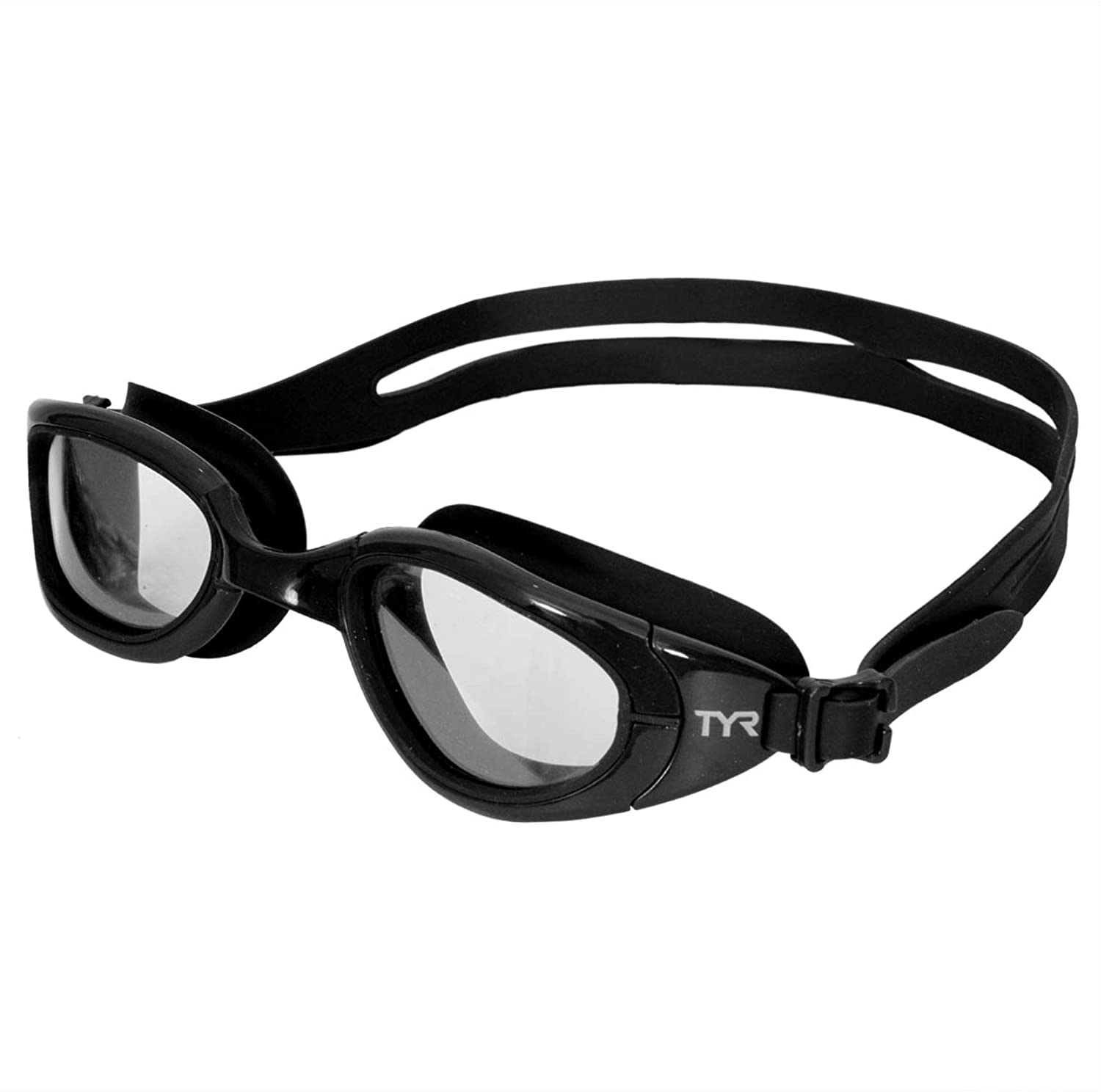
The foundation of how to get rid of goggle marks starts before you even enter the water—with proper goggle selection. Choosing goggles that distribute pressure evenly across your face prevents the deep indentations that take hours to fade.
Test Goggle Fit Without the Strap
Before purchasing, perform this critical fit test: Press the goggles against your face without using the strap and release. If they stay suctioned for 3-5 seconds, they have a proper primary seal. This means the gasket—not excessive strap tension—is creating the watertight seal. If you need to crank the strap tight to prevent leaks, the goggles don’t fit your facial structure. Swimmers with high cheekbones should seek models with wider gaskets like the Aqua Sphere Vista, while those with flatter facial structures may benefit from Tyr Special Ops 2.0’s flexible silicone gasket.
Choose the Right Gasket Material for Your Skin Type
Silicone gaskets provide excellent sealing but often create deeper marks, while foam gaskets (like those on Barracuda models) distribute pressure more gently. Memory foam gaskets mold to your face shape during use, reducing pressure points but requiring replacement every 3-6 months as they lose elasticity. Competitive swimmers with sensitive skin should consider Zoggs BMT 3.0’s oversized design, which spreads pressure across a broader area. Never settle for “one-size-fits-all” goggles if you have unique facial features—proper fit prevents 80% of goggle mark problems.
Apply Pre-Swim Skin Protection Techniques
:max_bytes(150000):strip_icc():focal(749x0:751x2)/vaseline-eye-tiktok-trend-tout-012824-b4dd90ccd49847f1a021067c0ddf908c.jpg)
What you do before entering the water dramatically impacts how severe your goggle marks become and how quickly they fade.
Create a Protective Barrier with Petroleum Jelly
Apply a thin, even layer of petroleum jelly to your brow bone, upper cheekbones, and temples—the exact areas where the gasket will press against your skin. This creates a slippery barrier that reduces friction and allows the gasket to sit more gently. For sensitive skin, use a silicone-based anti-chafe balm instead. The key is applying just enough to create protection without compromising the seal—too much can cause leaks. This simple step, taking less than 30 seconds, can reduce mark severity by up to 70%.
Optimize Goggle Application Technique
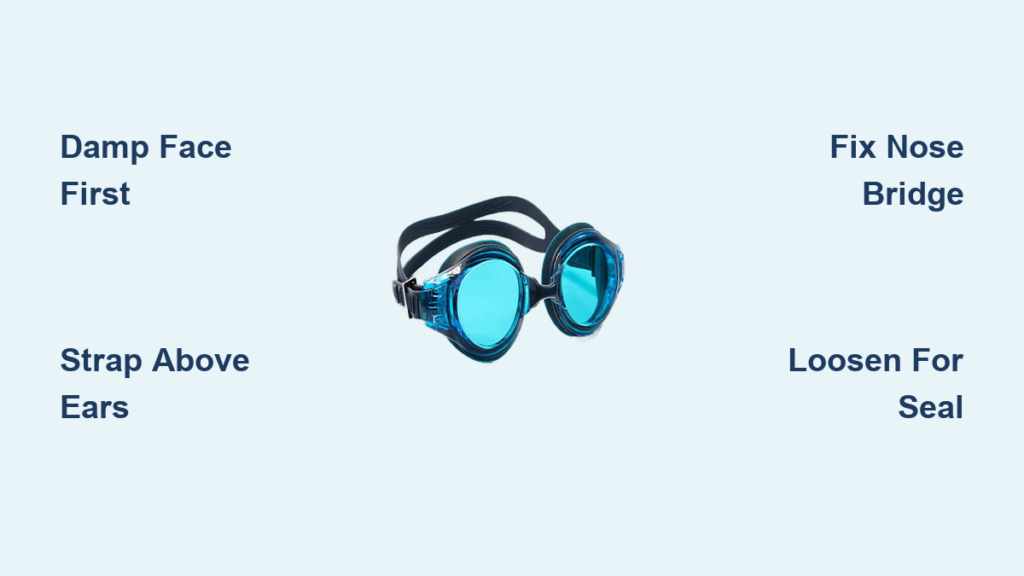
Wet your goggles before applying them to your face—this creates initial lubrication between the gasket and your skin. Press the goggles gently against your face, then slowly release to create natural suction. Only then should you adjust the strap to a comfortable tension—not tight enough to create additional pressure. Many swimmers unknowingly over-tighten straps by 30-50%, significantly worsening marks. The strap should hold the goggles in place without digging into your skin.
Immediate Post-Swim Recovery Methods
What you do in the first 15 minutes after exiting the pool determines how long your goggle marks will last.
Apply a Cool Compress Within 5 Minutes
Immediately after swimming, soak a clean cloth in cool (not ice-cold) water and apply it to your marked areas for 5-10 minutes. This constricts blood vessels, reducing inflammation and preventing marks from deepening. For faster results, keep chilled spoons or a refrigerated gel eye mask in your swim bag. The cold therapy should begin within 5 minutes of exiting the water for maximum effectiveness—waiting longer than 15 minutes significantly reduces its impact on mark reduction.
Stimulate Circulation with Gentle Massage
After the cool compress, use clean fingertips to gently massage the marked areas using small circular motions. Apply light pressure for 60-90 seconds to stimulate blood flow, which helps dissipate fluid buildup causing puffiness. Never rub aggressively—this can worsen inflammation. Focus on the areas where marks appear deepest, typically the brow bone and upper cheekbones. This simple technique can reduce mark visibility by 40-60% within 30 minutes.
Long-Term Skin Conditioning Strategies
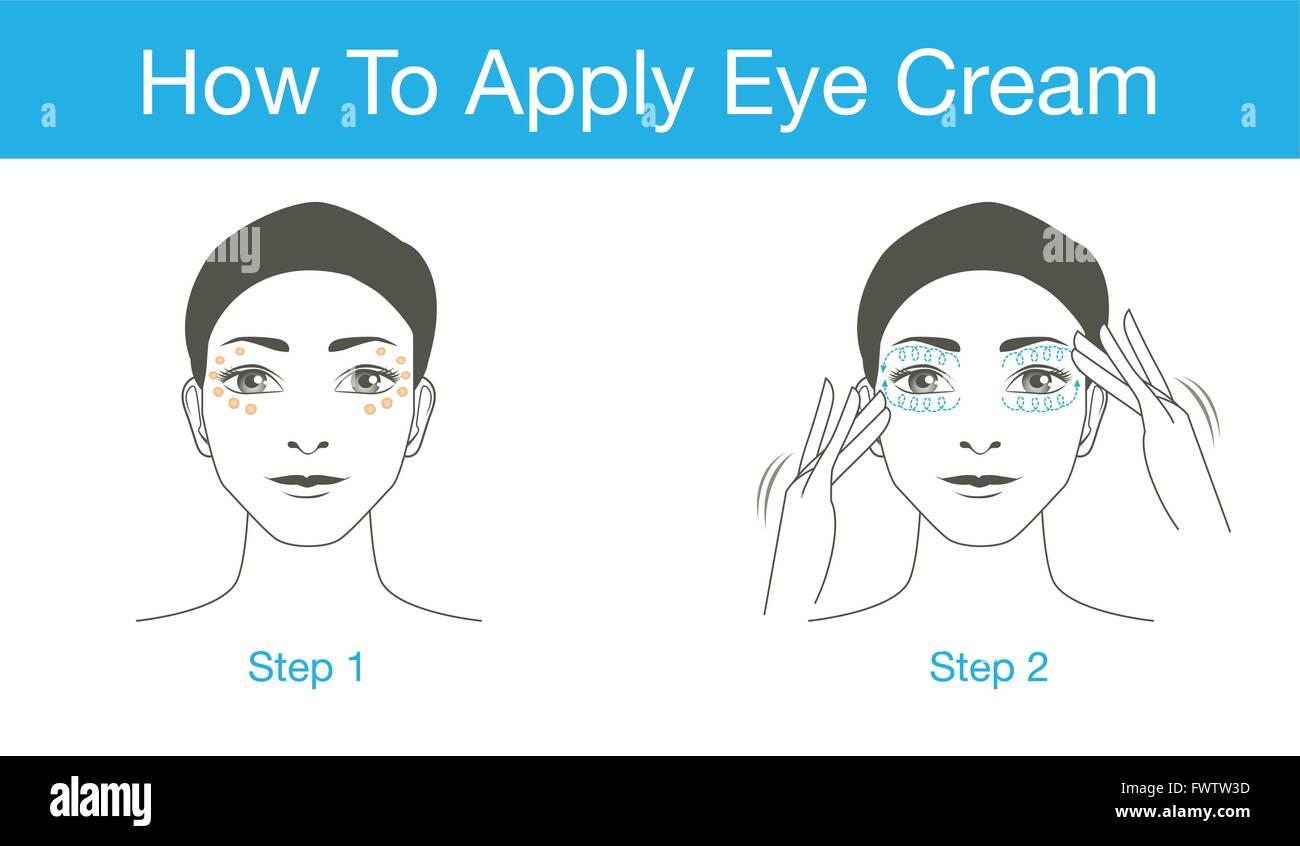
For swimmers who regularly battle goggle marks, building skin resilience is crucial for permanent improvement.
Implement a Daily Eye Cream Routine
The delicate skin around your eyes is 40% thinner than facial skin, making it more prone to marking. Incorporate a nightly eye cream containing ceramides or hyaluronic acid to strengthen your skin barrier. Look for products with caffeine to improve circulation or vitamin C to boost collagen production. Consistent use over 4-6 weeks noticeably increases skin elasticity, making it more resistant to pressure marks. Apply the cream using your ring finger (the weakest finger) with gentle patting motions to avoid tugging.
Rotate Between Multiple Goggle Pairs
If you swim daily, own at least two pairs of goggles and rotate them. This gives silicone gaskets time to fully rebound to their original shape between uses—compressed gaskets lose up to 30% of their pressure-distributing ability when used consecutively. Store goggles in a protective case away from direct sunlight, which degrades silicone. Replace gaskets every 3-6 months for frequent swimmers, as worn materials create uneven pressure points that worsen marks.
Advanced Solutions for Persistent Goggle Marks

When standard approaches don’t solve your problem, these targeted strategies can make the difference.
Try Natural Remedies for Immediate Redness Reduction
For marks that persist beyond an hour, apply chilled cucumber slices or used green tea bags to the affected areas for 10 minutes. The natural tannins in green tea reduce inflammation while cucumber’s cooling effect constricts blood vessels. Alternatively, mix equal parts aloe vera gel and rosehip oil—a potent combination that soothes irritation while delivering skin-repairing fatty acids. These natural solutions work particularly well for swimmers with sensitive skin prone to redness.
Adjust Your Swimming Technique to Reduce Pressure
Your head position in the water directly impacts goggle pressure. Practice maintaining a neutral head position—looking slightly downward rather than straight ahead—which reduces strain on your goggle seal. During breathing turns, avoid lifting your entire head; instead, rotate just enough to clear the water. Competitive swimmers should work with a coach to refine their stroke technique, as improper body rotation often leads to unconscious goggle readjustment and increased pressure.
When to Seek Professional Help for Goggle Marks
While most goggle marks fade within hours, certain symptoms warrant professional consultation.
Recognize Warning Signs of Serious Skin Damage
Consult a dermatologist if your marks last longer than 24 hours, show bruising or broken capillaries, or cause persistent irritation. These could indicate an allergic reaction to goggle materials or underlying skin conditions exacerbated by pressure. Swimmers with eczema or rosacea should seek professional advice before trying new skincare products. A dermatologist can prescribe barrier creams with higher concentrations of protective ingredients or recommend hypoallergenic goggle alternatives.
Consider Custom-Fit Solutions for Competitive Swimmers
Elite swimmers experiencing persistent marks may benefit from professional goggle fitting services available at specialty swim shops. Some brands now offer 3D scanning for custom-molded gaskets that perfectly match your facial contours. While more expensive, these solutions eliminate pressure points entirely. Many Olympic-level swimmers use this approach to maintain a watertight seal without compromising comfort during intense training sessions.
Prevent Goggle Marks Before They Form
The most effective strategy for how to get rid of goggle marks is preventing them entirely through consistent habits.
Establish a Complete Pre- and Post-Swim Routine
Create a checklist that includes: applying petroleum jelly before swimming, checking goggle fit without the strap, using cool water rinses immediately after exiting the pool, and applying a hydrating eye cream within 20 minutes of swimming. This comprehensive approach addresses every stage of the goggle mark formation process. For best results, keep a dedicated swim skincare kit with travel-sized products in your gym bag.
Select the Right Goggle Style for Your Face Shape
Identify whether you have high cheekbones, a prominent brow ridge, or flatter facial features, then choose accordingly: swimmers with high cheekbones need wider gaskets (Aqua Sphere models), those with prominent brow ridges benefit from flexible nose bridges (Speedo Vanquisher), and flatter facial structures require deeper-seated goggles (TYR Socket Rocket). The wrong style creates concentrated pressure points that cause deeper, longer-lasting marks regardless of strap tightness.
Goggle marks don’t have to be an inevitable part of swimming. By implementing these targeted strategies—selecting properly fitting goggles, establishing protective pre-swim routines, and following immediate post-swim recovery protocols—you can significantly reduce or eliminate those stubborn rings around your eyes. Remember that the most effective approach combines equipment selection with skin care and technique adjustments. Start with one or two changes that address your specific problem, then gradually incorporate additional strategies. Within weeks, you’ll notice less pronounced marks that fade faster, allowing you to focus on your performance in the water rather than the aftermath. The key to mastering how to get rid of goggle marks lies in understanding that prevention is always more effective than treatment—your post-swim reflection should showcase your dedication, not the evidence of discomfort.