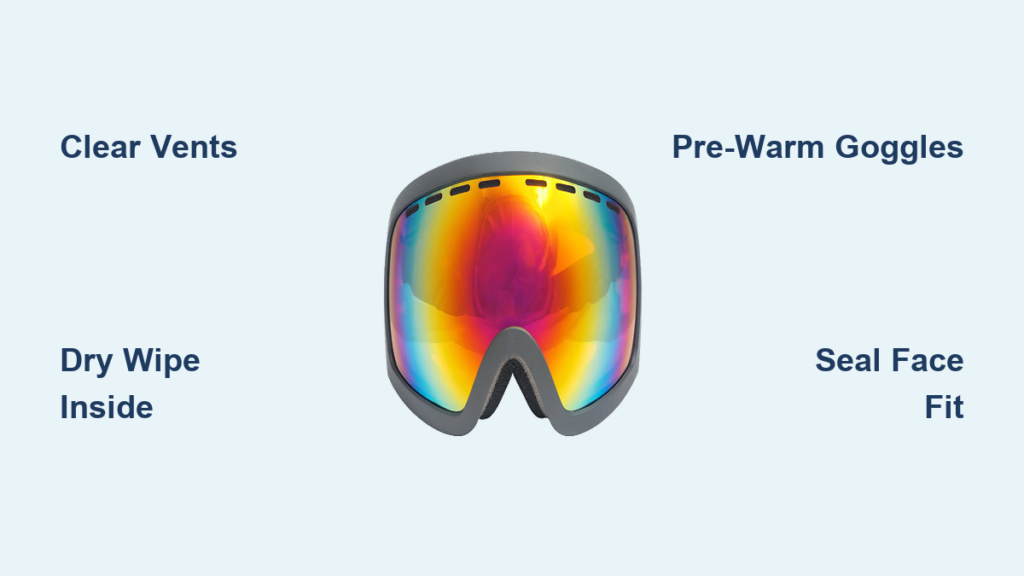
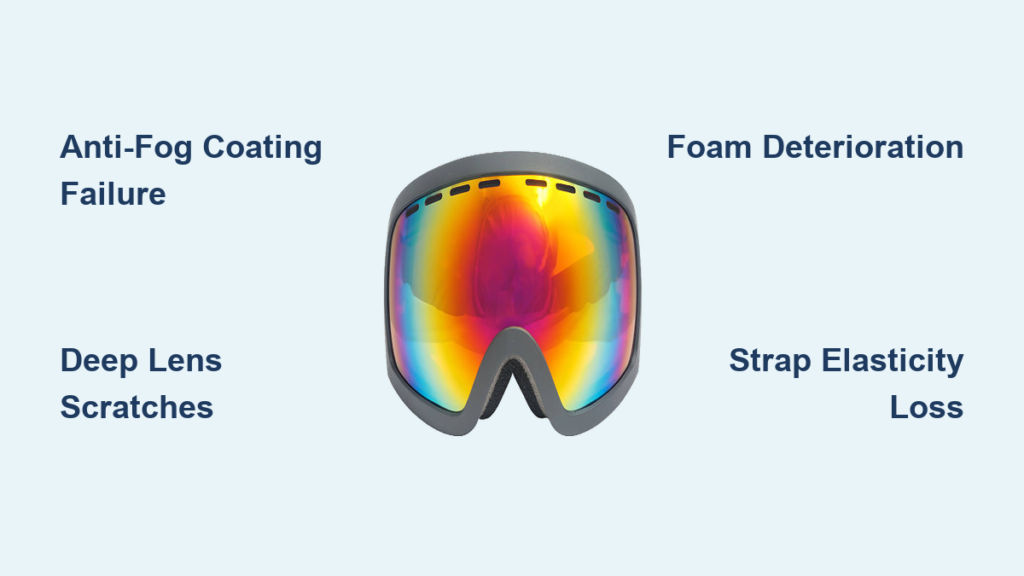
You’re carving fresh powder on a perfect bluebird day when suddenly your vision turns into a foggy nightmare. No amount of frantic wiping helps – that anti-fog coating has finally given up the ghost. If you’ve ever wondered how long do ski goggles last before this happens, you’re not alone. Most skiers discover too late that their goggles’ functional life isn’t measured in seasons alone, but in the delicate dance between lens coatings, foam integrity, and how you treat them. While a well-maintained premium pair can technically survive 5-7 years, the reality is your goggles become unusable long before mechanical failure – typically when persistent fogging or vision-impairing scratches turn every run into a guessing game.
The cruel truth? Your ski goggles’ lifespan is dictated by invisible enemies you can’t see: microscopic coating degradation from improper cleaning, UV damage from careless storage, and the inevitable wear on components designed for temporary performance. Unlike skis or boots, goggles aren’t “buy it for life” gear. But here’s the good news: with the right care, you can squeeze every possible season from your investment. This guide reveals exactly what kills ski goggles, how to spot the warning signs, and the exact maintenance steps that add years to their functional life – so you never again face that heart-stopping moment when your vision vanishes mid-run.
Why Anti-Fog Coating Failure Ends Most Ski Goggle Lifespans
The moment your goggles start fogging within minutes of hitting the slopes, their useful life is effectively over – even if the frame looks pristine. This isn’t random bad luck; it’s the inevitable consequence of how ski goggle technology works.
How Daily Use Destroys the Invisible Anti-Fog Layer
Inside every ski goggle lens lies a fragile hydrophilic coating designed to absorb moisture before it forms fog. Every time you:
– Wipe lenses with your glove or sleeve
– Expose them to skin oils from improper handling
– Rinse with harsh chemicals like alcohol wipes
…you’re literally scrubbing away microscopic layers of this coating. Unlike the durable exterior scratch-resistant layer, the anti-fog coating sits directly where your breath hits – making it the first casualty of normal use. Once 30% of this coating degrades (which happens faster than you think), moisture beads form instantly in cold conditions.
When Fogging Signals the Point of No Return
Persistent fogging isn’t just annoying – it’s your goggle’s death knell. If you notice these signs, replacement is imminent:
– Immediate fogging within 60 seconds of skiing (even after using anti-fog spray)
– Cloudy streaks visible when holding lenses to light, especially near the nose bridge
– Water beading instead of sheeting across the interior surface
Don’t waste money on temporary fixes. Once the coating fails, no amount of commercial anti-fog treatments will restore factory performance.
How Deep Scratches Permanently Damage Lens Clarity

Scratches aren’t just cosmetic – they’re vision-threatening defects that accelerate coating failure. The critical distinction lies between surface scuffs and deep lens damage.
Identifying Vision-Impairing Scratches vs. Cosmetic Marks
Run your fingernail gently across suspicious marks:
– Cosmetic scuffs feel smooth and only affect outer anti-scratch coating (usually repairable)
– Deep scratches catch your nail and penetrate into the lens polymer itself (irreversible damage)
Pay special attention to the lower third of lenses where ski poles and chairlift bars make contact. Three or more deep scratches in your primary field of vision mean it’s time for replacement – no matter how new the frame feels.
Why Scratches Accelerate Coating Failure
Each scratch creates microscopic channels where moisture pools, accelerating anti-fog coating breakdown in those areas. Within weeks, you’ll develop “fog pockets” around scratches that spread until the entire lens fogs instantly. This domino effect is why seemingly minor damage often triggers full replacement within a season.
Spotting Foam Deterioration: Crumbling, Hardening, and Seal Loss

Your goggle’s foam isn’t just for comfort – it’s the critical barrier keeping snow out and warmth in. When it degrades, performance plummets regardless of lens condition.
The 3-Stage Foam Failure Timeline
Year 1-2: Foam maintains softness but shows compression marks from storage
Year 3-4: Foam begins hardening at contact points (forehead/nose) and loses rebound
Year 5+: Foam turns brittle, flakes when touched, and fails to seal against cold air
If you see white powder residue on your face after wearing goggles, or feel cold air leaking around the edges on chairlifts, the foam seal is compromised beyond repair.
Why Foam Failure Makes Goggles Unusable Faster Than Lens Issues
Unlike lenses (which you might temporarily fix with anti-fog spray), failed foam creates immediate safety hazards:
– Snow infiltration during high-speed runs
– Cold air causing eye strain and headaches
– Moisture buildup accelerating lens fogging
Most manufacturers don’t offer foam replacement kits – making this a definitive replacement trigger.
Strap Elasticity Loss: When Your Goggle Strap Won’t Hold Tight Anymore
That frustrating moment when your goggles slip down your nose mid-run? Blame strap degradation – a silent lifespan killer most skiers ignore until it’s too late.
The UV Damage You Can’t See
Strap elasticity fails from cumulative UV exposure, not just stretching. Plastic buckles become brittle after 3-4 seasons, especially if:
– Stored near windows or in car glove compartments
– Left on helmet hooks in ski lodges
– Exposed to saltwater (coastal skiers take note)
Test your strap by stretching it to 150% of normal length. If it doesn’t snap back instantly or shows white stress marks, it’s nearing failure.
Why Broken Straps Mean Full Replacement
Unlike foam (which sometimes has DIY fixes), broken straps rarely have affordable solutions. Replacement straps cost 30-50% of new goggles and often don’t match modern lens curvature. When buckles snap during a resort visit, you’re stranded with unusable goggles – making proactive replacement smarter than emergency fixes.
Why 5-Year-Old Ski Goggles Feel Blurry Compared to New Models
Technological obsolescence hits ski goggles harder than any other winter gear. What felt cutting-edge five years ago now performs like foggy bathroom glass next to modern optics.
The Lens Tech Revolution You’re Missing
Recent advancements create dramatic real-world differences:
– Prizm/ChromaPop lenses enhance contrast in flat light (critical for reading snow texture)
– Cylindrical vs. spherical lenses expand peripheral vision by 18%
– Hydrophobic coatings shed water instantly in spring conditions
If your last goggles were purchased before 2019, you’re skiing with optics that feel like looking through a screen door compared to today’s standards.
When Performance Decline Justifies Early Replacement
Don’t wait for total failure if you notice:
– Difficulty seeing terrain features in overcast conditions
– Eye fatigue after 2+ hours of use
– Noticeable “tunnel vision” compared to friends’ newer goggles
These aren’t just comfort issues – they’re safety hazards that increase crash risk on challenging terrain.
The 3 Critical Steps to Extend Ski Goggle Life by 2+ Seasons

Proper care isn’t complicated – it’s just consistently overlooked. These non-negotiable habits transform average 3-year goggles into 5+ year performers.
The 30-Second Post-Ride Ritual That Saves Coatings
Before storing goggles:
1. Rinse lenses under lukewarm water (never hot!) to remove salt and grit
2. Shake gently to dislodge water droplets – never wipe
3. Store upside-down in case to prevent moisture pooling
Skipping this step lets abrasive particles sit against coatings, accelerating degradation by 40% according to industry testing.
The Storage Mistake That Ages Goggles 3x Faster
Leaving goggles in a sealed bag while damp is the #1 lifespan killer. Moisture trapped against lenses:
– Promotes mold growth on foam
– Causes permanent “clouding” of polycarbonate lenses
– Softens adhesive holding foam to frames
Always air-dry goggles for 24 hours in a well-ventilated room before storage – even if you’re packing for tomorrow’s trip.
Cleaning Ski Goggles: The Safe Method That Preserves Coatings
90% of goggle owners destroy their lenses during cleaning. Follow this exact protocol to avoid premature replacement.
Step-by-Step: Cleaning Without Coating Damage
- Blow loose debris off lenses first (use air can or gentle breath)
- Rinse under lukewarm water for 15 seconds – cold water sets oils, hot water melts coatings
- Apply 2 drops of baby shampoo to lens surface (never spray directly!)
- Gently swirl with microfiber cloth – no pressure, no circular motions
- Rinse thoroughly until water sheets evenly
- Air-dry vertically on clean towel – never touch interior surface
What Absolutely Never Touches Your Lenses
- Paper towels (even “soft” ones contain wood fibers that scratch)
- Alcohol-based cleaners (dissolves anti-fog coatings in 3-5 uses)
- Glove sleeves (micro-abrasives from ski lifts embed in fabric)
One improper wipe can remove months of coating life – making this the most critical maintenance step.
High-End vs. Budget Goggles: Which Offers Better Long-Term Value?
Your price point directly impacts realistic lifespan expectations – but not in the way most assume.
The True Cost Per Season Breakdown
| Goggle Tier | Price Range | Expected Lifespan | Cost Per Season (100 days) |
|---|---|---|---|
| Premium | $180-$300 | 5-7 years | $0.50-$0.85 |
| Mid-Range | $100-$180 | 3-5 years | $0.55-$1.00 |
| Budget | <$100 | 1-3 years | $0.90-$3.00 |
| Counterintuitively, premium goggles deliver the lowest cost per season when properly maintained – but only if you follow care protocols. |
When Mid-Range Goggles Offer Smarter Value
For occasional skiers (fewer than 10 days/year), mid-range goggles ($120-$150) provide the sweet spot:
– Better coatings than budget options
– Foam/strap durability for 3-4 seasons
– Lower psychological barrier to replacement
If you’ll never master proper care, these deliver optimal value without the “I paid $250 for these!” guilt when replacing early.
Final Note: When to Pull the Trigger on Replacement
Your ski goggles’ functional life ends when performance compromises safety – not when the frame cracks. Replace immediately if you experience: persistent fogging that requires constant wiping, vision-impairing scratches in your primary field of view, or foam that no longer seals against cold air. While meticulous care can extend high-quality goggles to 5-7 years, most skiers realistically get 3-5 seasons before lens technology or coating failure demands an upgrade. Before your next powder day, inspect your goggles using the failure signs we’ve outlined. If they’re nearing the end, prioritize modern lens tech – today’s optics aren’t just clearer, they actively prevent fatigue and enhance terrain reading. Remember: your goggles are your only window to the mountain. Don’t risk a season (or worse, an injury) trying to squeeze extra months from expired gear. When in doubt, visit a specialty shop for a side-by-side lens comparison – the difference will shock you.