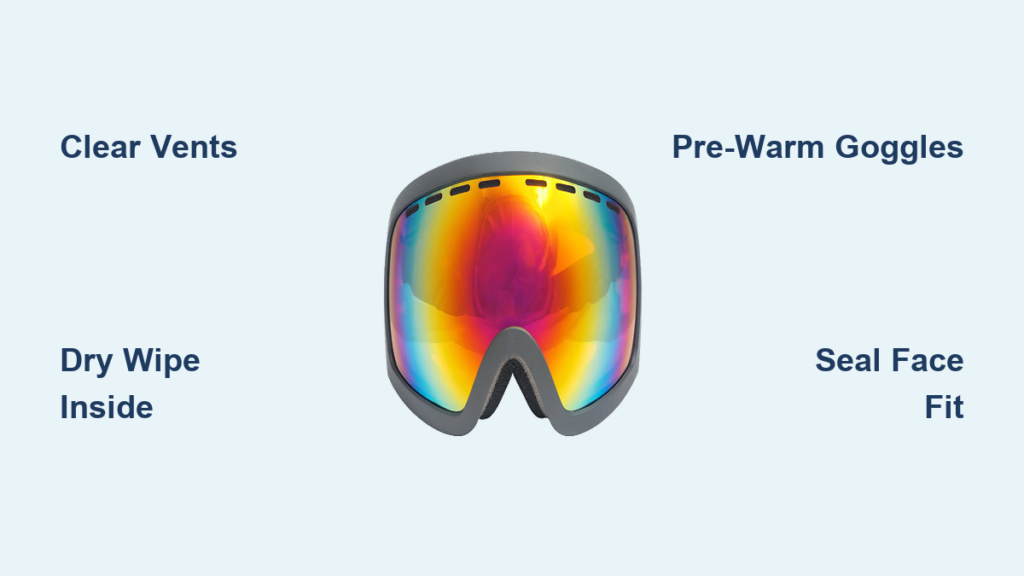
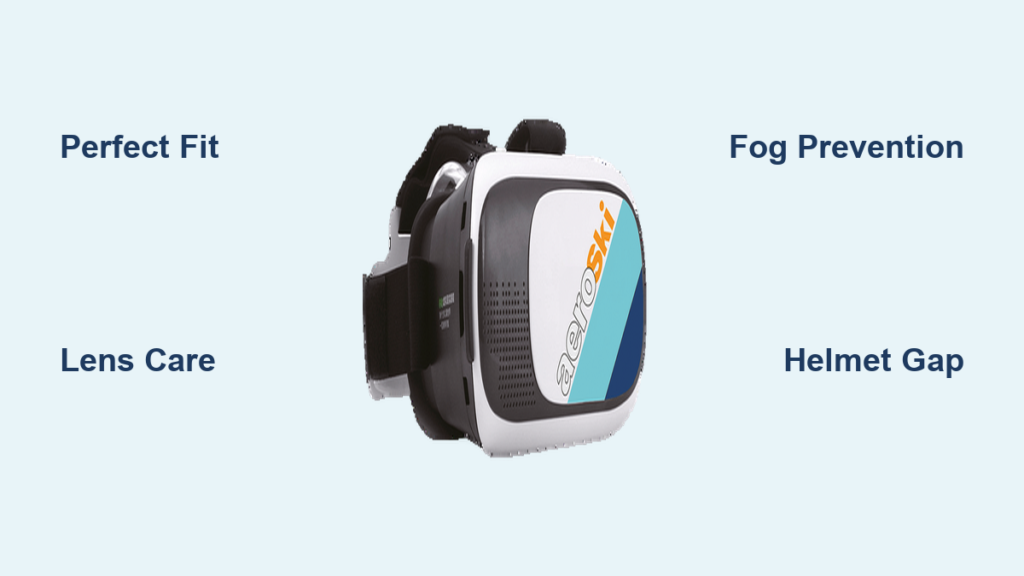
You’ve invested in high-quality Aeroski goggles, but that frustrating fog keeps ruining your runs. You’re not alone—many skiers and snowboarders struggle with improper goggle fit and maintenance, leading to reduced visibility and comfort on the slopes. The truth is, knowing how to use Aeroski goggles properly transforms your entire mountain experience. This guide delivers the exact steps you need to maximize performance, prevent fogging, and extend the life of your investment. By the end, you’ll understand the critical fit adjustments, lens care techniques, and helmet integration methods that separate casual users from those who get perfect vision every run.
Achieving Perfect Fit for Your Aeroski Goggles

A poorly fitting goggle isn’t just uncomfortable—it creates dangerous visibility issues that compromise your safety. The difference between average and exceptional performance starts with how your Aeroski goggles sit on your face.
Positioning Your Goggles for Maximum Comfort and Vision
Place your Aeroski goggles on your face without the strap first. The foam should create a gentle seal around your eyes without pressing into your cheekbones or brow. If you feel pressure points, the frame shape likely doesn’t match your facial structure. The bottom edge should rest comfortably above your upper lip without interfering with breathing. When correctly positioned, you’ll maintain a wide peripheral view essential for spotting terrain changes and other skiers. Never force goggles that feel too tight—the constant pressure causes headaches and actually increases fogging by restricting natural airflow.
Adjusting the Strap for Secure, Comfortable Wear
The strap adjustment makes or breaks your entire experience. With goggles positioned on your face, pull the strap over your head and secure it at the back. The strap should sit just above your ears but below the natural curve at the back of your skull—not at the base where it creates downward pressure. To test fit, shake your head vigorously. Properly adjusted goggles stay firmly in place without sliding down your nose. If they shift, loosen the strap slightly and reposition it higher on your head. Remember: a too-tight strap restricts blood flow and causes headaches, while a loose strap creates gaps for snow and wind. The sweet spot provides security without discomfort.
Testing Your Goggle Seal Before Hitting the Slopes
Don’t wait until you’re on the mountain to discover a poor seal. Perform this simple test before leaving the lodge: cup your hands over the front of the goggles and inhale gently through your nose. If the goggles suction to your face and stay put when you release your hands, you’ve achieved a proper seal. If they fall away immediately, the fit is too loose. If you can’t create suction without significant discomfort, the goggles are too tight. A perfect seal blocks outside elements while allowing just enough airflow to prevent internal fogging—a critical balance for all-day performance.
Mastering Aeroski Lens Care and Maintenance

Your lenses represent the most vulnerable—and most important—component of your Aeroski system. Proper care directly impacts your visibility and safety on challenging terrain.
Safe Lens Removal and Installation Procedures
When changing lenses on your Aeroski goggles, always work on a clean, flat surface. Locate the lens retention tabs on the outer frame—these small buttons or levers release the lens mechanism. Press firmly on each retention point while simultaneously working the lens out from the bottom upward. Never pull from the sides, as this can warp the frame. To install a new lens, align the top edge first, then gently press the bottom into place until you hear distinct clicks at each retention point. Forcing the lens during installation is the #1 cause of broken retention mechanisms. If resistance feels excessive, double-check your alignment before applying more pressure.
Proper Cleaning Techniques That Protect Coatings
Most lens damage occurs during cleaning—not on the mountain. Always rinse your Aeroski lenses with lukewarm water first to remove abrasive particles. Apply a single drop of non-moisturizing dish soap to your fingertips (never directly to the lens) and create a gentle lather across both sides. Rinse thoroughly under running water—any soap residue attracts moisture and causes fogging. For stubborn salt stains from facial sweat, use a dedicated goggle cleaning solution rather than household chemicals that degrade anti-fog coatings. Never clean lenses when they’re dry, as microscopic particles act like sandpaper on delicate optical coatings.
Preventing Permanent Fogging Issues
Internal fogging stems from compromised anti-fog coatings or improper usage habits. Never wipe the inside of your lenses with anything except the provided microfiber cloth. Even your glove can permanently damage the hydrophilic coating. When storing goggles in the lodge, place them lens-side up on a clean surface—never lens-down where they’ll collect moisture and dust. If you must remove goggles temporarily, store them in their protective bag rather than placing them on your forehead where sweat will transfer to the interior. For persistent fogging, apply a manufacturer-approved anti-fog solution rather than risking damage with DIY remedies.
Optimizing Lens Selection for Variable Mountain Conditions

Choosing the wrong lens is like skiing with one hand tied behind your back—you’re operating at a significant disadvantage. The right Aeroski lens dramatically improves your ability to read terrain and react to changing snow conditions.
Matching Lens VLT to Current Weather Conditions
On bright, sunny days with intense glare, select a low-VLT lens (under 40%) with mirror coating. These lenses protect your eyes from UV damage while reducing eye fatigue from constant squinting. For flat-light conditions common during overcast days or in tree runs, switch to a high-VLT lens (50-80%) with amber or rose tinting. These enhance contrast, making it easier to distinguish between packed snow, powder, and ice patches. During rapidly changing conditions, consider a photochromic lens that automatically adjusts to light levels, though these typically don’t perform as well as dedicated lenses in extreme conditions.
Executing Quick Lens Changes Between Runs
Mastering rapid lens changes ensures you’re always using optimal optics. Practice the lens swap process at home until you can complete it in under 30 seconds. Keep your spare lens in an easily accessible pocket, protected by its microfiber sleeve. When changing on the mountain, find sheltered spot out of direct wind to prevent snow or debris from entering the frame. Always handle lenses by the edges to avoid fingerprints on the optical surface. Seasoned users keep two complete goggle systems—one with sunny-day lenses, another with low-light lenses—eliminating mid-day changes entirely.
Solving Common Aeroski Goggle Problems
Even with proper care, issues arise. Knowing how to address them immediately keeps your day on track rather than cutting your session short.
Eliminating the Helmet-Goggle Gap
That annoying gap between your helmet and goggles lets in snow and cold air, creating miserable conditions. The solution starts with proper sequencing: always put goggles on before your helmet. Position the goggle strap around your head first, then slide your helmet on over the strap. The helmet’s front edge should overlap the top of the goggle frame by about 1/4 inch. If a gap persists, check compatibility—some helmet and goggle combinations simply don’t work together. Many manufacturers offer “goggle-compatible” helmet models with specially designed brow shapes that integrate seamlessly with popular goggle frames.
Immediate Fog Clearing Techniques
When fog strikes mid-run, resist the urge to remove your goggles. Instead, continue moving while breathing through your mouth. The airflow through your goggle’s ventilation system will typically clear fog within 15-20 seconds. If stationary, find an area with natural wind exposure and face into the breeze. For chronic fogging issues, check that all vent covers are properly positioned—many Aeroski models feature adjustable vents that optimize airflow based on conditions. Never apply breath to the inside lens surface, as this introduces moisture that worsens fogging.
Extending Your Aeroski Goggle Lifespan
Proper end-of-day care determines whether your goggles last one season or five. Small habits make a dramatic difference in longevity.
Daily Cleaning and Storage Protocol
After each use, wipe the exterior lens and frame with a dry microfiber cloth to remove salt and grime. Never store damp goggles in their case—this creates a breeding ground for mold that damages anti-fog coatings. Instead, leave them in a well-ventilated area to air dry completely before storing in the protective case. At season’s end, give your goggles a thorough cleaning and store them in a cool, dry place away from direct sunlight. Avoid temperature extremes—never leave goggles in a hot car or near radiators, as heat warps frames and degrades lens coatings.
Recognizing When Replacement Is Necessary
Even with perfect care, goggles have a finite lifespan. Replace your Aeroski goggles when you notice permanent fogging that cleaning can’t resolve, indicating degraded anti-fog coating. Check the foam seal regularly—it should spring back when compressed. If it remains indented, the foam has lost its sealing ability. Inspect the strap for elasticity; a loose, stretched strap won’t maintain proper tension. Deep scratches on the lens that interfere with vision or delamination (bubbles between lens layers) also signal replacement time. Most quality goggles last 2-3 seasons with proper care—don’t risk safety by extending their use beyond functional limits.
Conclusion
Mastering how to use Aeroski goggles transforms them from simple eye protection into a performance-enhancing tool that elevates your entire mountain experience. Proper fit creates the foundation for comfort and visibility, while strategic lens selection ensures optimal vision in any condition. Daily care habits extend your goggles’ lifespan significantly, protecting your investment season after season. Remember the critical sequence: position correctly, seal properly, select appropriate lenses, and maintain diligently. When you implement these techniques consistently, you’ll enjoy crystal-clear vision through every turn, regardless of conditions. Your Aeroski goggles aren’t just gear—they’re your window to the mountain, and with this knowledge, you’ll see it in stunning detail all season long.