Nothing ruins a swim, ski run, or motorcycle ride faster than goggles that won’t stay put. Ill-fitting goggles cause painful pressure points, constant leaking, and frustrating fogging that distracts from your performance. The secret to eliminating these problems isn’t luck—it’s knowing exactly how to measure goggle size for your unique facial structure. This guide delivers the precise measurement techniques used by professionals to achieve that perfect, gap-free seal you’ve been searching for. By the end of this article, you’ll know exactly how to measure goggle size for your face shape, eye positioning, and activity needs—saving you time, money, and endless frustration.
Most people make the critical mistake of guessing their goggle size based on hat or glasses measurements, but facial dimensions vary significantly regardless of head size. The right fit depends on specific facial landmarks that create a proper seal against water, snow, or wind. When you understand how to measure goggle size correctly, you’ll eliminate the trial-and-error process that leads to multiple returns and wasted money. Whether you’re a competitive swimmer needing hydrodynamic precision, a skier requiring full peripheral vision, or a motorcyclist demanding wind protection, accurate sizing is non-negotiable for peak performance and comfort.
Measure Your Interpupillary Distance for Optimal Vision Alignment

Your interpupillary distance (IPD) determines whether your goggles will provide clear, strain-free vision or cause headaches and blind spots. This critical measurement ensures the lenses align perfectly with your eyes rather than forcing your vision through an uncomfortable angle.
How to Accurately Measure Your IPD at Home
Stand directly in front of a mirror with a soft tape measure and good lighting. Place the zero mark precisely at the center of your left pupil while staring straight ahead. Carefully stretch the tape straight across your nose bridge to the exact center of your right pupil—don’t tilt the tape up or down. Record this measurement in millimeters; most adults fall between 58mm and 72mm. For greater accuracy, repeat this process three times and take the average.
Pro Tip: Measure your IPD in the morning when your eyes are least fatigued. Pupil distance can vary slightly throughout the day due to eye strain or fatigue. If your measurement falls near the edge of a range (like 65mm), note whether you’re closer to the lower or upper end for better size selection.
Why does this matter for how to measure goggle size? Goggle lenses are manufactured with specific optical centers. When your IPD doesn’t match the goggle’s lens positioning, you’ll experience visual distortion, eye strain during extended use, and a narrowed field of view. Competitive swimmers especially need proper IPD alignment to maintain spatial awareness during races.
Determine Your Exact Frame Width for Comfortable, Secure Fit

The frame width measurement prevents the most common goggle fitting problem: frames that are either too tight (causing headaches) or too loose (creating gaps for water or air infiltration). This measurement focuses specifically on the area where goggles actually sit on your face.
The Two Critical Measurements You Must Take
First, measure your head circumference at its widest point—typically just above your ears and across your forehead. Wrap a flexible tape measure around your head, keeping it level, and note the measurement in inches or centimeters. Most adult goggles fit heads between 21.5″ and 24.5″ (55-62cm).
Then, measure your intertemple width: the distance between your temples where the goggle strap will sit. This often-overlooked measurement prevents the painful “temple squeeze” that makes goggles unbearable during extended use. Place the tape measure at the indentation behind one ear, stretch it across your forehead to the matching point behind the other ear, and record this number.
Warning: Don’t skip the intertemple measurement! Many people with average head circumference still experience temple pain because standard goggles don’t accommodate their specific temple width. This is especially common among people with prominent cheekbones or wider facial structures.
Decode Goggle Sizing Systems Across Major Brands

Goggle manufacturers use confusingly different sizing terminology that makes how to measure goggle size even more complicated. Understanding these systems prevents you from selecting the wrong size based on misleading labels.
Standard Adult Sizing Explained
Most brands categorize sizes as Small, Medium, or Large based primarily on head circumference:
– Small (S): Fits heads 21″-22.5″ (53-57cm) – ideal for petite adults and older children
– Medium (M): Accommodates heads 22.5″-23.5″ (57-60cm) – the most common adult size
– Large (L): Designed for heads 23.5″+ (60cm+) – often needed by men with larger head sizes
However, these ranges vary significantly between manufacturers. Some “Medium” goggles from premium brands actually fit like other companies’ “Small” sizes. Always check the specific brand’s size chart rather than relying on generic size labels.
Specialized Fit Categories You Should Know
Look for these specialized fit categories when how to measure goggle size for unique facial structures:
– Asian Fit: Features a higher nose bridge and wider frame to accommodate flatter nasal structures and wider cheekbones
– OTG (Over-The-Glasses): Specifically designed with extra interior space for prescription eyewear
– Youth/Junior: Not just smaller—these have different proportions suited to children’s facial development
Expert Note: If you wear prescription glasses, measure your eyeglass frame width and height before shopping for OTG goggles. The interior dimensions must accommodate your glasses without pressing against your temples or nose bridge.
Perform the Critical Seal Test Before Finalizing Your Size
The true test of how to measure goggle size properly happens when you put them on your face. Many people skip this essential verification step, only to discover fitting issues after purchase.
The Three-Step Verification Process
First, position the goggles on your face without tightening the strap. Press gently to create initial contact with your facial sealing points—your brow ridge above your eyes and the cheekbone ridge below. Then perform the vacuum test: close your eyes and gently suck your cheeks inward. Properly sized goggles will stay securely in place for 10-15 seconds without the strap. If they fall off immediately, the frame is too large or the gasket doesn’t match your facial contours.
Next, adjust the strap to its loosest setting and put it on. The strap should sit comfortably without pressure points, with about two fingers’ width of space between the strap and your head. Finally, check for vision clarity—there should be no distortion at the edges of your field of view, which indicates improper IPD alignment.
Common Mistake: Many people tighten the strap excessively to compensate for poor frame fit, creating headaches and pressure sores. A properly sized goggle should feel secure at medium strap tension, not maximum tightness.
Solve Common Fit Problems with Targeted Adjustments
Even with accurate measurements, you might encounter specific fit issues that require nuanced solutions rather than simply grabbing a different size.
Fixing the Dreaded “Goggle Gap”
If light or water enters at the bottom of your goggles (the most common gap location), your frame is likely too large for your cheekbone structure. Rather than downsizing entirely—which might create temple pressure—look for models with adjustable nose bridges or different gasket foam profiles. Swimmers with this issue often benefit from low-profile goggles with minimal bottom frame extension.
For gaps at the temples, check your intertemple width against the goggle’s specifications. Many brands now offer “wide temple” versions of popular models specifically designed for this common problem.
Preventing Fogging Through Proper Fit
Contrary to popular belief, most fogging issues stem from poor fit rather than inadequate anti-fog treatment. When goggles don’t seal properly, warm, moist air from your face enters the interior and condenses on the cooler lens. Before blaming the anti-fog coating, verify your seal using the vacuum test described earlier. Many competitive swimmers solve chronic fogging simply by switching to a better-fitting model that creates a complete barrier against moisture exchange.
Final Verification Checklist Before Purchase
Before you click “buy” or leave the store, complete this essential verification:
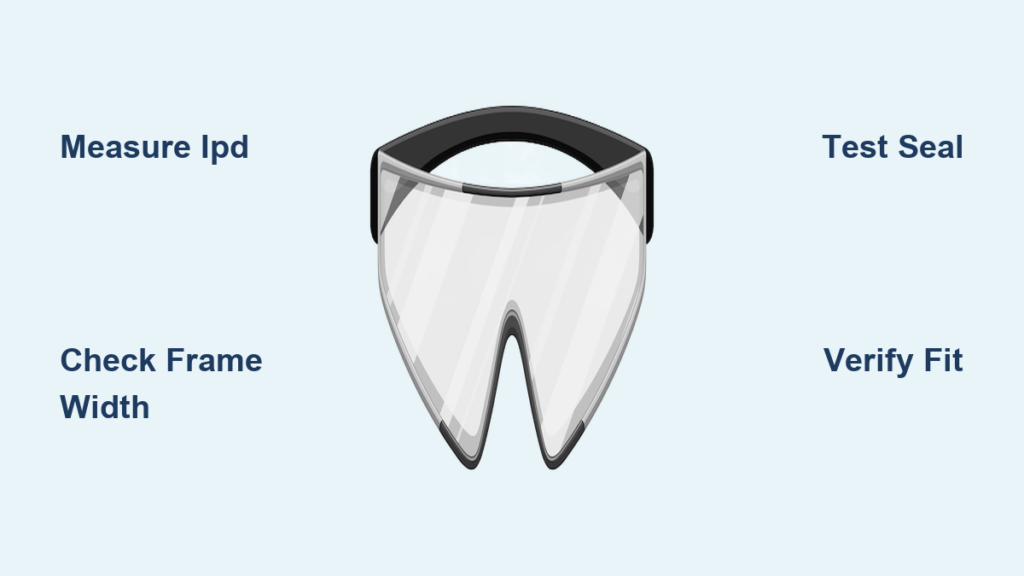
- [ ] Measured your IPD (58-72mm for most adults)
- [ ] Recorded your head circumference and intertemple width
- [ ] Confirmed goggle dimensions match your measurements
- [ ] Verified the vacuum seal test works without strap tension
- [ ] Checked for pressure points on brow, nose bridge, and cheekbones
- [ ] Ensured clear peripheral vision without distortion
Pro Tip: When shopping online, prioritize retailers with hassle-free return policies specifically for goggles. The small cost of return shipping is worth avoiding months of discomfort from ill-fitting gear. Always try new goggles in water (for swim) or snow (for skiing) during your first use to verify performance in real conditions.
Knowing how to measure goggle size properly transforms your experience from constant adjustment and discomfort to seamless performance. The few minutes spent taking accurate measurements saves hours of frustration and multiple replacement purchases. Remember that goggle fit is highly personal—what works for your teammate or friend might not work for you. Trust your measurements over generic size recommendations, and don’t settle for “good enough” when perfect fit is achievable with the right approach. Your eyes (and your performance) will thank you every time you put on properly sized goggles.