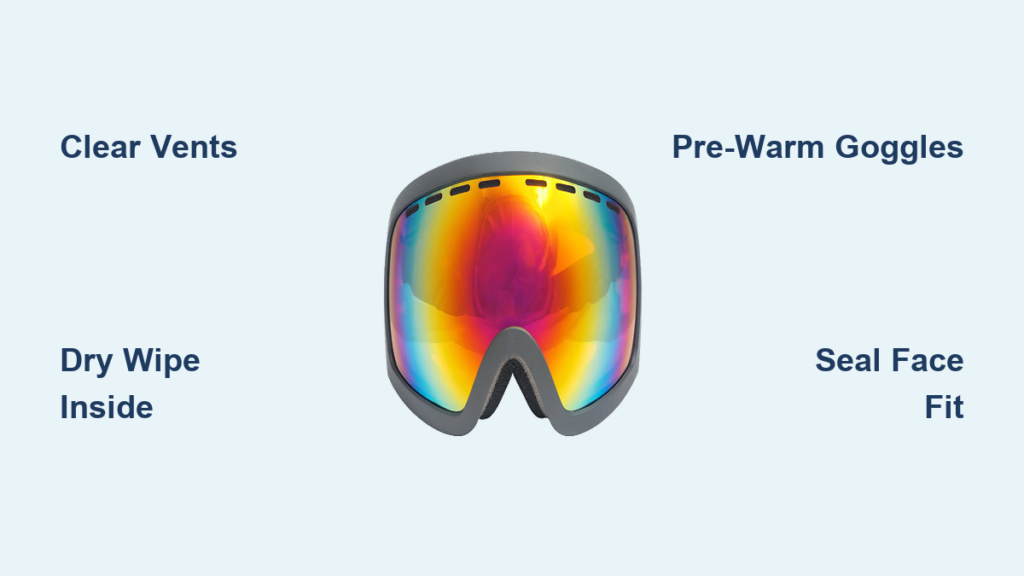
Your heart pounds as you drop into fresh powder, only to have your vision vanish behind a milky wall of fog mid-turn. This frustrating reality plagues skiers and snowboarders daily when warm, moist breath collides with icy goggle lenses. Fogging isn’t random—it follows precise condensation science where temperature differentials trigger moisture buildup. This guide delivers battle-tested tactics to maintain crystal-clear vision from dawn patrol to last chair, using only proven ventilation strategies, gear synergies, and maintenance protocols that actually work on the mountain.
Why Your Ski Goggles Fog Instantly on Cold Days
Fog forms through unavoidable physics, not faulty gear. When your body heat (typically 98.6°F) meets subzero lens surfaces, the air trapped inside your goggles rapidly cools. This cooled air can’t hold moisture from your breath and sweat, forcing excess vapor to condense into microscopic droplets on the lens. The steeper the temperature gap—like -10°F outside versus 70°F inside your goggle—the faster fog blankets your vision. This explains why fogging hits hardest during lift rides when exertion heat builds without wind-chill ventilation.
Maximize Your Goggle Ventilation System Immediately

Proper airflow is your primary fog defense, yet most skiers unknowingly sabotage it with gear misalignment. Effective ventilation requires unobstructed pathways for warm air to escape while blocking snow ingress.
Align Helmet and Goggle Vents Perfectly
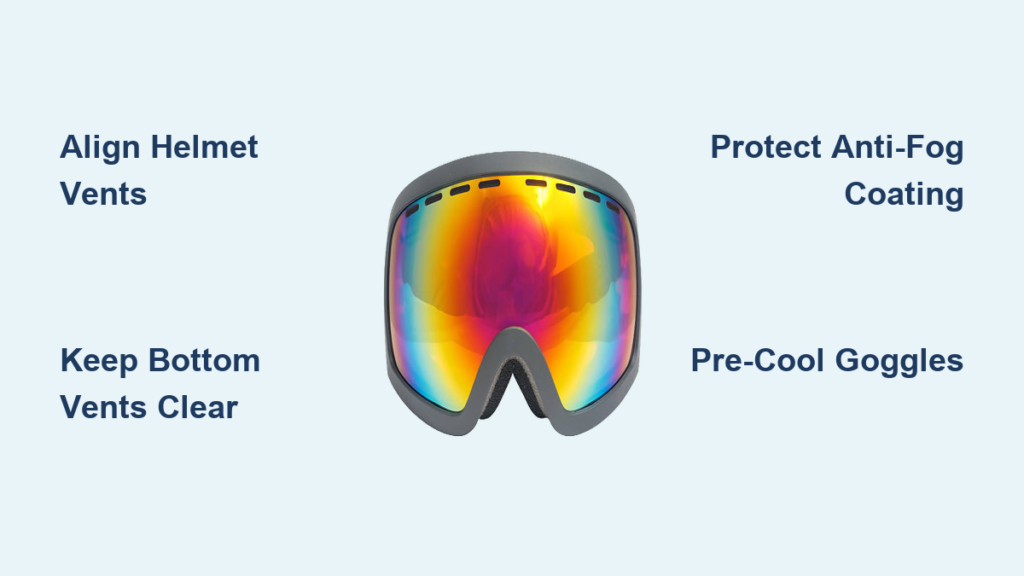
Your helmet’s brow vents must directly connect with your goggle’s top intake ports. Test this pre-season: wear both items and blow air upward—you should feel airflow through the top vents. If blocked by a beanie or poor fit, warm air stagnates inside. Brands like Smith and Oakley engineer helmet-goggle systems (e.g., Smith’s MAG system) with interlocking vents that create a chimney effect, pulling moisture-laden air upward and out.
Unblock Critical Bottom Exhaust Ports
Snowboarders and skiers frequently trap bottom vents with bulky neck gaiters or improperly worn balaclavas. During high-exertion runs, exhale breath rises toward the lens unless your face mask actively channels it downward. Choose moisture-wicking neck tubes (like Buff’s technical fabrics) that sit under the goggle’s foam seal—not over it—to keep exhaust ports clear. If fog appears mid-run, tilt your chin down to redirect breath away from the lens.
Activate Anti-Fog Technology Without Damaging Lenses
Modern goggles integrate anti-fog solutions, but improper handling destroys their effectiveness within weeks. Understanding these systems prevents costly replacements.
Protect the Factory Hydrophilic Coating
That invisible layer inside your lens isn’t magic—it’s a hydrophilic (water-loving) chemical treatment that spreads moisture into a transparent film instead of fog droplets. Never wipe the lens interior with gloves, tissues, or even dirty microfiber cloths. Oils from skin transfer instantly degrade this coating. If moisture appears, lift your goggles slightly to vent—don’t touch the lens. When cleaning is unavoidable, breathe lightly on the dry lens and wipe with a dedicated goggle cloth using zero pressure.
Apply Temporary Treatments Correctly
For extreme conditions, use anti-fog sprays like Cat Crap or Zeiss Lens Wipes as supplements—not replacements—for ventilation. Apply to a bone-dry lens before your first run: spray 2-3 dots, wait 30 seconds, then gently buff with a microfiber cloth until invisible. Critical mistake: Never apply to wet lenses or during fogging—this traps moisture. Reapply only after full drying (overnight). Avoid DIY hacks like dish soap; improper application leaves streaks that distort vision.
Execute In-Field Fog Prevention Tactics
Your actions on the mountain determine success. These field-tested protocols address fog before it forms.
Start with Ice-Cold Goggles
Store goggles in your car’s trunk—not the heated lodge—before hitting the slopes. A -5°F goggle experiences less thermal shock against your face than a 60°F one, delaying initial fog onset by 15+ minutes. If goggles warm up, place them on snow for 2 minutes pre-ride.
Master the Chairlift Fog Defense
When fog creeps in during lift rides, never remove goggles completely. Instead:
1. Hook index fingers under top strap
2. Lift goggles just 3-5mm off your forehead
3. Hold for 10 seconds to vent heat
4. Repeat until fog clears
This “lift-and-shift” technique maintains peripheral vision while expelling moisture. If wearing a helmet, angle your head slightly forward to enhance airflow through brow vents.
Essential Goggle Maintenance That Prevents Permanent Fogging

Most fog issues stem from improper care. These steps preserve anti-fog performance season after season.
Dry Goggles Like Your Vision Depends On It
Tossing damp goggles into a sealed bag overnight breeds mold in the foam and destroys lens coatings. After skiing:
– Remove lenses (if removable)
– Place goggles upside-down on a towel
– Store in a cool, dry room—never near heaters or in hot cars
– Wait 24 hours before bagging
Use breathable mesh bags, not plastic cases, to allow residual moisture to escape.
Clean Lenses Only When Absolutely Necessary
Over-cleaning accelerates anti-fog coating wear. If snow sticks:
1. Tap off loose flakes
2. Blow away debris with compressed air
3. If smudged, use dry microfiber cloth in circular motions
Never use alcohol, Windex, or saliva—these dissolve hydrophilic layers permanently. For stubborn residue, lightly dampen cloth with distilled water only.
Critical Gear Pairing Mistakes That Guarantee Fog
Your entire system must work in harmony. These common errors sabotage even premium goggles.
Avoid the “Forehead Parking” Trap
Resting goggles on your forehead while in the lodge seems harmless—but sweat-soaked foam becomes a moisture reservoir. When repositioned, body heat instantly fogs the lens. Instead, hang goggles on a rack or place them inside your jacket (over chest) to maintain near-body temperature without direct sweat contact.
Ditch Cotton Base Layers Immediately
Cotton balaclavas absorb moisture but won’t wick it away, creating a humid microclimate against your face. Switch to merino wool or synthetic blends (like Smartwool or Under Armour) that pull vapor through fabric layers. For high-output days, wear a thin neck gaiter under your jacket collar to capture breath moisture before it rises.
Choosing Fog-Proof Goggles: What Actually Works
When upgrading, prioritize these non-negotiable features proven in real-world testing.
Demand Dual-Pane Thermal Lenses
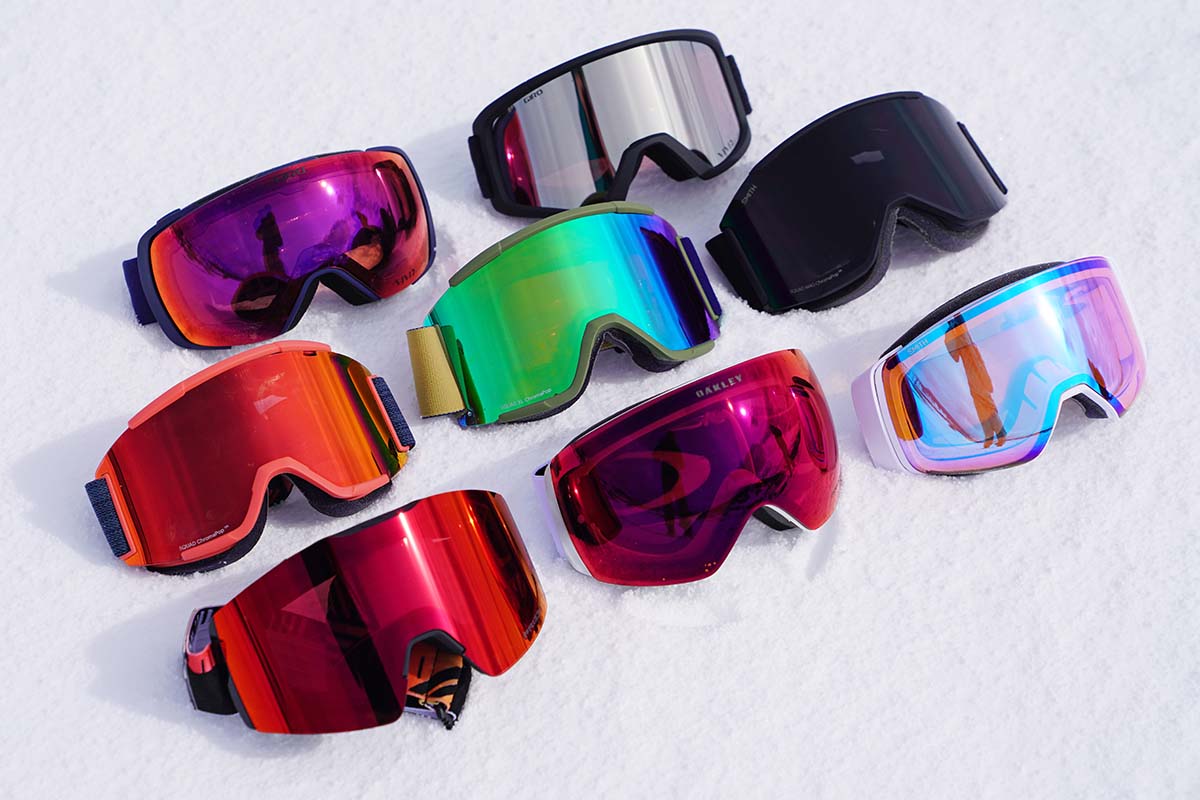
Single-pane lenses fog relentlessly in cold temps. Look for “dual-pane,” “thermal,” or “insulated” labeling—this creates an air gap that keeps the inner lens warmer, minimizing condensation. Top performers include Smith I/O MAG (with Carbonic TLT lenses) and Oakley Flight Deck XM, both maintaining clarity below -15°F.
Verify Vent Coverage Before Buying
Press your palm over the goggle’s bottom vents while wearing it with your helmet. If you feel no suction when inhaling, exhaust ports are blocked. Opt for models with 360° venting like Anon M4 Toric, featuring FlowTech channels that actively pull air across the lens surface.
By mastering ventilation alignment, respecting anti-fog coatings, and implementing field protocols like the chairlift lift-and-shift, you’ll eliminate fogging permanently. Remember: fog isn’t inevitable—it’s a solvable equation of temperature, moisture, and airflow. Store goggles cold, maintain gear synergy, and never touch the lens interior. These steps transform frustrating wipe-outs into uninterrupted bluebird days where your only focus is the next perfect turn. For extreme conditions, pair dual-pane goggles with a moisture-wicking balaclava and pre-treat lenses with Cat Crap—then ski with the confidence that clear vision lasts all season.