You’re halfway through your morning swim when your goggles suddenly flood. Or worse – your ski goggles crack on the chairlift, leaving you squinting through snow flurries. A broken strap, detached nose bridge, or torn gasket doesn’t just ruin your activity; it forces expensive replacements when simple fixes could save the day. The truth is most goggle failures happen at predictable weak points, and 80% can be repaired with household items in under 30 minutes. This guide cuts through the guesswork to show exactly how to fix broken goggles using proven methods that outlast temporary hacks.
Stop throwing away salvageable gear. Whether you’re dealing with a $20 pool pair or premium ski goggles, we’ll target the five critical failure zones with specific repairs that restore watertight seals and structural integrity. You’ll learn when to use zip ties versus metal pins, why most adhesives fail on gaskets, and how to identify manufacturer warranty loopholes most users miss. Let’s turn that leaking disaster into reliable eye protection again.
Why Your Goggle Nose Bridge Snaps and How to Reinforce It
Nose bridges fail when plastic pins shear off during adjustment or impact – especially with frequent use in chlorine or saltwater. If you see detached plastic fragments near the eye sockets, you’ve got a classic pin fracture. Don’t settle for wobbly temporary fixes; this demands structural reinforcement.
Zip Tie Emergency Fix (5-Minute Solution)
For immediate pool or ocean use when you’re stranded without tools:
1. Cut a 4-inch section from a thin black zip tie (found in electronics bags or hardware stores)
2. Thread it through the frame hole and nose bridge eyelet like shoelaces
3. Cinch tight until the bridge sits flush against your nose
4. Trim excess with nail clippers and melt the end with a lighter
Pro Tip: Stretch the zip tie slightly before threading – the tension creates a self-adjusting seal that won’t loosen mid-swim.
Permanent Metal Pin Reinforcement for Daily Use
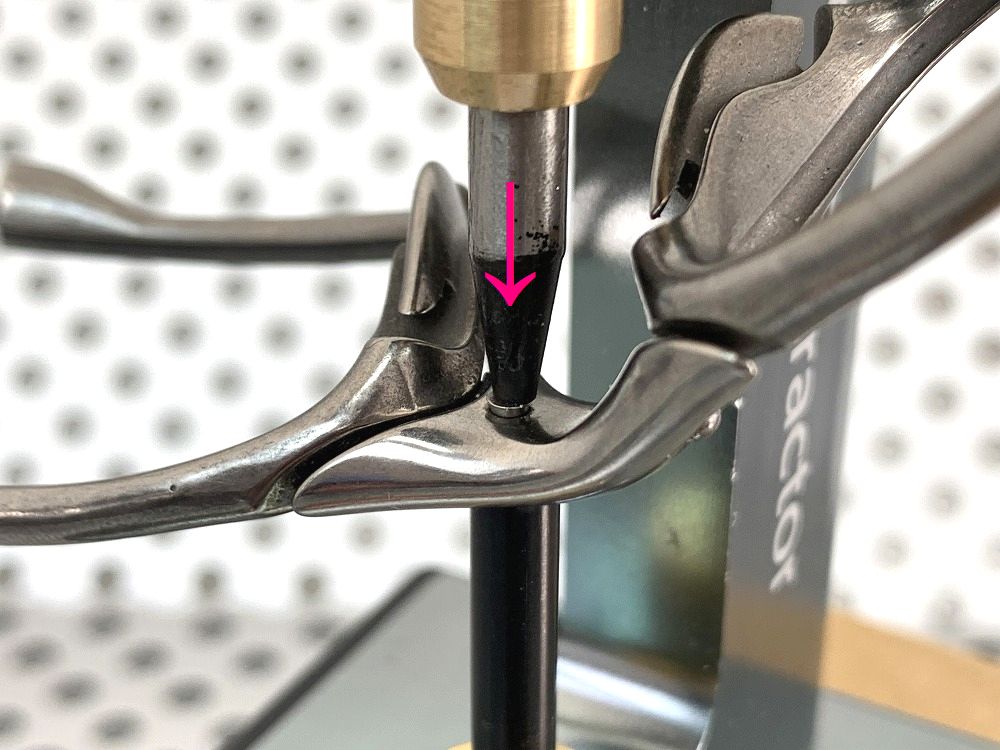
When zip ties fail after 3-4 uses, upgrade to this mechanic-grade repair:
1. Remove broken plastic pins and clean holes with 90% isopropyl alcohol
2. Cut a 0.8mm aluminum rod (from hobby shops) 2mm longer than the bridge width
3. Sand rod ends smooth with 400-grit paper to prevent frame cracking
4. Apply cyanoacrylate adhesive inside frame holes, insert rod, and clamp for 1 hour
Warning: Never force the rod – if resistance exceeds finger pressure, enlarge holes slightly with a pin vice. Forcing causes hairline cracks that leak within weeks.
Stop Leaks Now: Fixing Torn Silicone Seals in 3 Steps
Torn gaskets cause 90% of leaks, often starting as hairline cracks near the nose bridge. If water streams through when you press goggles against your face, skip the $20 replacement – your seal is salvageable if the frame channel is intact.
Identifying Tear Severity Before Repair
Minor tear (under 3mm): Stretch the gasket gently. If it snaps back without widening, use flexible adhesive.
Major tear (over 5mm): Requires full replacement – attempting glue creates weak spots that re-tear.
Visual Cue: Hold goggles against light. Light passing through the tear means replacement is mandatory.
Aquaseal Gasket Repair (No Special Tools Needed)
For minor tears only:
1. Clean both tear edges with alcohol-dampened cotton swab until no residue transfers
2. Apply thin bead of Aquaseal FD (not superglue!) along one edge using toothpick
3. Press torn edges together for 90 seconds while pinching seal flat
4. Clamp with binder clips for 24 hours away from sunlight
Critical Mistake: Avoid E6000 for thin gaskets – its thick viscosity causes bulges that prevent proper sealing. Aquaseal’s watery consistency penetrates micro-tears.
When Scratched Lenses Can (and Can’t) Be Saved
Polycarbonate lenses scratch easily but resist shattering. Deep scratches compromise vision and structural integrity – don’t waste time polishing cracks. Know these hard limits before attempting repair.
The 20-Second Scratch Test
Hold goggles 12 inches from a bright light:
– Surface scratch: Light reflects cleanly off the mark → polishable
– Deep scratch/crack: Light bends or scatters through the mark → replace immediately
Never swim with cracked lenses – pressure changes can cause catastrophic shattering underwater.
Lens Replacement Without Voiding Warranties

If scratches fail the light test:
1. Contact manufacturer with model number before DIY removal (Smith, Oakley, and Speedo honor defects)
2. Order OEM lens kit – includes removal tool and alignment tabs
3. Pop old lens out by pressing frame edges inward starting at temples
4. Insert new lens by seating top edge first, then snapping bottom into place
Pro Tip: Wear cotton gloves during replacement. Skin oils degrade anti-fog coatings during handling.
Broken Strap? Reinforce Like a Pro With This Dual-Method Fix
Straps fail most often at buckle connections due to UV degradation. Stitching alone fails within weeks – you need adhesive reinforcement that moves with the material.
Emergency Strap Melt Fix (Poolside Repair)
For frayed ends near buckles:
1. Cut strap straight across 1/4 inch above fray with sharp knife
2. Hold butane lighter 2 inches from end for 3 seconds until surface melts
3. Press flat with metal spoon to create smooth seal
4. Re-thread through buckle immediately before cooling
Warning: Overheating creates toxic fumes and weak spots. If strap bubbles, you’ve damaged the fibers – replace entirely.
Permanent Stitch-and-Seal Technique for Daily Use
For mid-strap tears:
1. Thread heavy-duty polyester thread (like bonded nylon) through needle
2. Whip-stitch torn edges with 1/8-inch stitches, pulling tight
3. Apply Shoe Goo waterproof sealant over stitches with toothpick
4. Let cure 48 hours before submerging
Key Insight: Dental floss stretches and fails – use marine-grade thread designed for constant flexing. Test repaired straps by hanging 10 lbs weight for 24 hours.
Seal Pinhole Leaks Without Replacing Parts
Leaks often originate from microscopic gaps between lens and frame, not gasket damage. If water enters only during head movement, target the lens seal first.
The Bubble Test for Leak Location
- Fill sink with water and submerge goggles
- Press face against underwater surface
- Watch for continuous bubble streams (pinhole leak) vs. sporadic bubbles (gasket issue)
Critical Distinction: Pinhole leaks require internal sealing – external glue traps moisture causing faster deterioration.
Precision Sealant Application for Frame Seams
For lens-to-frame leaks:
1. Dry area completely with hairdryer on cool setting
2. Mix 5-minute epoxy 1:1 ratio on wax paper
3. Apply single drop with needle-tip applicator along seam
4. Rotate goggles slowly for 2 minutes to distribute evenly
5. Cure 24 hours before use
Never use superglue here – its rapid expansion creates pressure points that crack polycarbonate.
Prevent Future Breaks With 3-Minute Post-Use Routine
Most goggle failures stem from improper drying and storage. Salt crystals and chlorine residue accelerate plastic degradation – your post-swim ritual matters more than you think.
The Chlorine Neutralization Process
- Rinse immediately in fresh water for 60 seconds (don’t wipe!)
- Soak in vinegar-water solution (1:4 ratio) for 10 minutes to dissolve mineral deposits
- Air-dry frame-side down on microfiber cloth away from direct sunlight
Pro Tip: Store with silica gel packets in hard case – humidity causes 70% of gasket detachments.
When to Call It Quits: The $15 Repair Threshold
Not every break warrants fixing. Spend more than 15 minutes or $15 on repairs only if:
– Goggles cost over $50
– Manufacturer offers free replacement parts (check warranty first!)
– You use them daily for competitive training
For pool beginners: A $12 TYR pair from Target often outperforms a heavily repaired premium model. Redirect repair time toward proper storage habits instead.
Final Note: You now have field-tested methods to fix broken goggles at every critical failure point – from nose bridges to lens seals. Remember the golden rule: always contact the manufacturer before DIY repairs to check warranty coverage. For immediate action, prioritize gasket and strap fixes that restore watertight integrity within 30 minutes. Implement the 3-minute post-use routine religiously to double your goggles’ lifespan. If you’re facing a complex break, bookmark this guide for your next gear emergency – because nothing ruins a perfect dive or ski run like failing eye protection.