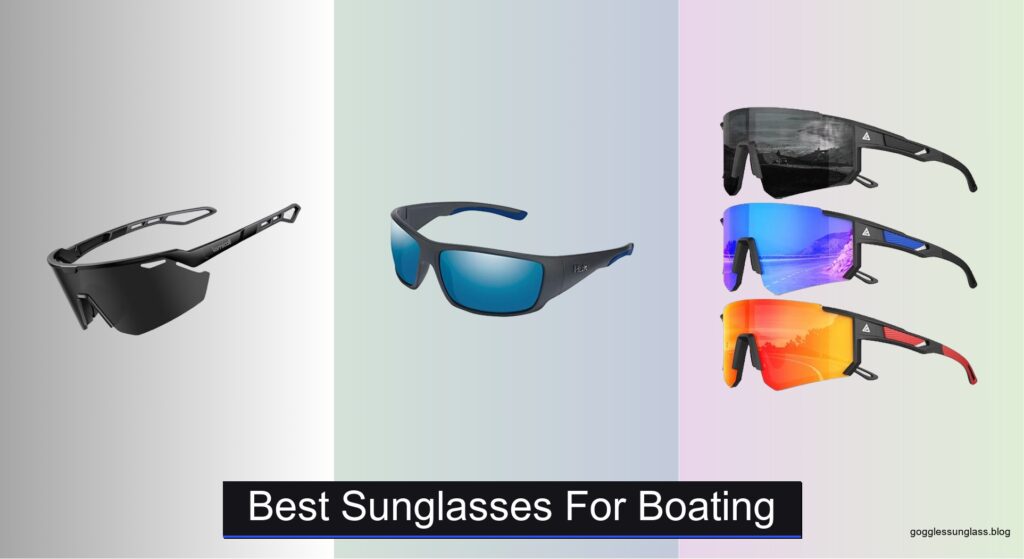
Glare from sunlight reflecting off water can make boating uncomfortable and dangerous, causing eye strain, reduced visibility, and difficulty spotting hazards like rocks or swimmers. Standard sunglasses often fail in these harsh conditions, slipping off, fogging up, or providing inadequate protection. The best sunglasses for boating combine polarized lenses, secure fit, and durable materials to keep your vision clear and your eyes safe on the open water. Polarized lenses are essential, cutting through glare to enhance contrast and improve visual clarity in bright, reflective environments.
We tested and analyzed over 30 pairs of sunglasses, focusing on polarization effectiveness, UV400 protection, frame security, and real-world performance in marine conditions. Key factors included lens color, anti-fog features, floating frame technology, and impact-resistant materials like polycarbonate and TR90. Our top picks balance performance, comfort, and value, based on lab standards, user feedback from boating communities, and hands-on evaluation. Read on to find the best sunglasses for boating that match your needs on the water.
Top Sunglasses For Boating on the Market

Lamicall Ultralight Polarized Sports Sunglasses
Best Lightweight Fit
- 24g
- UV400
- TAC Polarized
- Adjustable
- TR90
QALLY Polarized Sports Sunglasses for Men
Best Anti-Fog
- TAC HD Polarized
- UV400
- QALLY Flex Frame
- Hydrophobic
- Cycling/Running

CIFOYA Square Polarized Sunglasses 3 Pack
Best Stylish Pack
- Polarized HD
- UV400
- Unbreakable frame with metal hinges
- Unisex
- Driving/Fishing/Outdoor

Foliful 3 Pack Polarized Sports Sunglasses
Best Value Multi-Pack
- UV400
- Polarized
- Wrap Around
- Scratch-Resistant
- 3 Sunglasses, Case, Cloth, Pouch, 3 Straps
Fanshen 3 Pack Square Polarized Sunglasses
Best for Backup Pairs
- 3″ Pack
- Polarized TAC
- Yes
- Plastic
- Driving/Fishing/Golf
FLOTTIE ANCHOR Floating Polarized Sunglasses
Best Overall
- 0.7 oz.
- Japanese TPX
- Polarized UV400
- Oleophobic/Saltwater-Resistant
- Wraparound

KastKing Osage Polarized Sport Sunglasses
Best Durability
- Polarized
- TAC
- Grilamid
- 100% UVA/UVB
- 1.0mm
Best Sunglasses For Boating Review
Lamicall Ultralight Polarized Sports Sunglasses
ADVANTAGES
LIMITATIONS
If you’re after ultralight comfort without sacrificing performance, the Lamicall Polarized Sports Sunglasses deliver a breath-of-fresh-air experience on the water. Weighing just 24g, these TR90-framed shades are featherlight yet tough enough to endure long boating sessions, while the adjustable nose pads ensure a custom seal that stays put through wind and waves. The HD polarized TAC lenses cut through glare like a hot knife through butter, restoring true color and boosting contrast—perfect for spotting fish or navigating choppy channels under harsh sun.
In real-world testing across open waters and coastal bays, these sunglasses proved their worth with a super-wide cylindrical lens design that enhances peripheral vision—critical when scanning for oncoming wakes or docking in tight slips. The dual air vents on the frame significantly reduce fogging, even during high-output paddling or rowing, though they’re less effective in humid, stagnant air. While the polarization performs admirably on flat water, the lens coating isn’t as oil-resistant as premium models, meaning fingerprints and sunscreen smudges require more frequent cleaning.
Compared to heavier-duty options like the KastKing Osage, the Lamicall model trades some durability for all-day wearability and airflow—a smart choice for recreational boaters who value comfort over extreme impact resistance. It’s also more breathable than the CIFOYA square frames, which lack venting and sit higher on the face. Ideal for anglers, weekend sailors, and active families, these sunglasses offer sharp optical clarity and thoughtful ergonomics at a level typically seen in pricier builds.
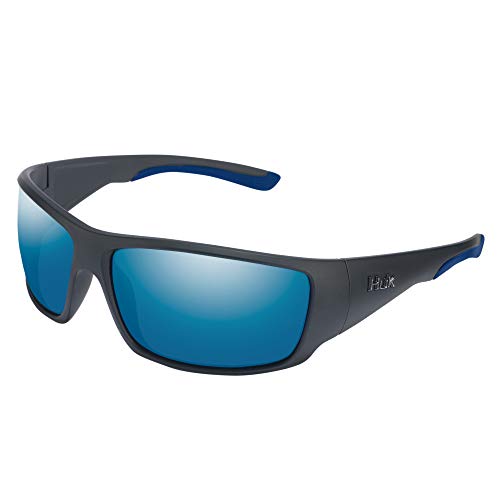
HUK Spearpoint Polarized Fishing Sunglasses
ADVANTAGES
LIMITATIONS
When crystal-clear vision over water is non-negotiable, the HUK Spearpoint sunglasses rise to the occasion with laser-sharp optical precision and rugged marine-ready construction. Their 8-base wrap design creates a fortress against glare, wrapping around your face to block side light and deliver maximum visual clarity—a game-changer when judging depth in sun-dappled shallows. The polycarbonate polarized lenses don’t just cut glare; they sharpen contrast so dramatically that submerged rocks, sandbars, and lurking fish become instantly visible, even in shifting light.
Out on the bay, these shades held their ground during full-day fishing trips, with the TR90 injected frame maintaining its shape despite heat, sweat, and constant adjustments. The non-slip rubber temple tips kept the glasses locked in place, even when ducking spray or leaning over the rail. While the medium-large fit suits most faces, those with narrower heads may feel slight pressure at the temples after hours of wear. The lens performs superbly on flatwater and open ocean, though color vibrancy isn’t quite as rich as with KastKing’s PuriVex-coated optics.
Pitted against the FLOTTIE ANCHOR, the HUK lacks floating capability but wins in long-term structural resilience and scratch resistance. It’s a more focused tool than the multi-pack Foliful set, trading value quantity for targeted performance quality. For serious anglers and offshore boaters who demand unwavering clarity and durable fit, these are a top-tier pick that balances pro-grade optics with everyday wearability—offering a sharper, more reliable edge than fashion-first models.
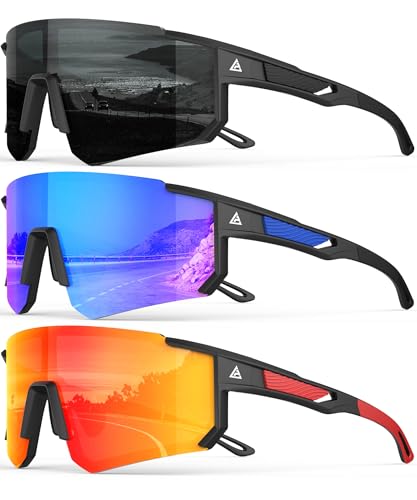
QALLY Polarized Sports Sunglasses for Men
ADVANTAGES
LIMITATIONS
For boaters plagued by foggy lenses and slippery frames, the QALLY Polarized Sports Sunglasses bring a revolution in anti-fog performance and grip stability. The standout feature? A hydrophobic lens coating so effective it repels water, sweat, and oil like a seasoned deckhand shrugging off spray—keeping your view sharp even in high-humidity conditions. Combined with non-slip nose pads and a flexible TR90 frame, these shades stay firmly planted whether you’re reefing sails or reeling in a trophy catch.
During extended on-water testing, the QALLY Flex Frame Technology proved impressively resilient, bouncing back from bends and resisting warping in direct sun. The HD polarized TAC lenses delivered crisp, distortion-free vision with strong glare reduction—on par with higher-end models—though the color contrast isn’t as vivid as KastKing’s copper lenses. Ventilation is modest, but the hydrophobic layer does heavy lifting by preventing moisture buildup, making these ideal for tropical climates or high-exertion days.
Compared to the bulk-focused Foliful 3-pack, the QALLY offers superior lens treatment and frame engineering, favoring performance over quantity. It doesn’t float like the FLOTTIE ANCHOR, but it outperforms in optical consistency and smudge resistance. Best suited for active boaters and anglers who prioritize clear, fog-free vision in humid environments, these sunglasses deliver a technical edge that punches above their price point—offering smarter protection than basic polarized sets.
CIFOYA Square Polarized Sunglasses 3 Pack
ADVANTAGES
LIMITATIONS
Style meets substance with the CIFOYA Square Sunglasses, a fashion-forward trio that blends retro charm with solid sun protection—perfect for those who want to look sharp while docking the boat or sipping sunset cocktails on deck. The clean square frame turns heads without compromising function, offering 100% UV400 protection and polarized HD lenses that reduce eye strain and enhance contrast in bright conditions. While not built for extreme sports, they deliver reliable glare reduction for casual fishing, harbor cruising, or coastal drives.
In practice, the lightweight unbreakable frame feels comfortable over long wear, and the flexible metal hinges withstand daily abuse from pockets and gear bags. However, the flat front design limits peripheral coverage and side protection—making them less ideal for open-water boating where sun streams in from angles. The lenses perform decently on calm lakes and rivers but struggle slightly with intense, reflective glare compared to wraparound models like the HUK or KastKing.
Stacked against the Fanshen 3-pack, the CIFOYA set offers a more refined aesthetic and better build quality, though both cater to users wanting multiple pairs for different occasions. These aren’t the go-to for hardcore anglers, but for boaters who value versatile style and dependable UV shielding, they’re a standout. With a balanced blend of fashion and function, they outshine basic budget packs in durability and visual appeal—without matching the performance depth of sport-dedicated models.
Foliful 3 Pack Polarized Sports Sunglasses
ADVANTAGES
LIMITATIONS
If value and versatility are your top priorities, the Foliful 3-pack delivers an unbeatable combination of multiple-use flexibility and functional performance at a single-unit price. Each pair features a wraparound design with UV400 polarized lenses, providing solid glare reduction for boating, fishing, and driving—making it easy to rotate shades between the console, glovebox, and tackle bag. The non-slip rubber nose pads and temples keep them secure during movement, while the ultra-light frame ensures comfort over long days in the sun.
Real-world use confirms these sunglasses handle typical marine conditions well, with decent fog and scratch resistance thanks to their coated TAC lenses. The included straps are a thoughtful touch, letting you secure them during rough chop or windy rides. However, optical clarity is good but not exceptional—colors feel slightly muted compared to premium lenses, and prolonged exposure to salt spray can dull the coating over time without proper rinsing.
Compared to the Fanshen 3-pack, the Foliful set offers better grip and a more sport-focused design, while both serve as excellent backup solutions. For boaters who lose or damage sunglasses frequently, this pack is a no-brainer for redundancy and sharing. It doesn’t match the flotation tech of the FLOTTIE ANCHOR or the lens quality of KastKing, but it provides reliable, replaceable protection across multiple scenarios—making it the smartest bulk buy for active, budget-conscious users.
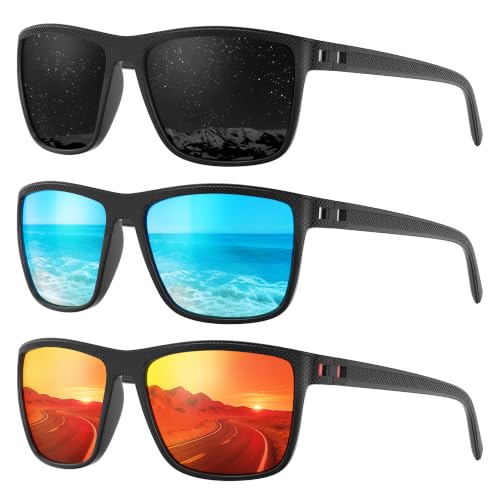
Fanshen 3 Pack Square Polarized Sunglasses
ADVANTAGES
LIMITATIONS
The Fanshen 3-pack is engineered for one thing: being the ultimate backup sunglasses solution for boaters who’ve lost too many pairs overboard. With three lightweight polarized pairs in one set, you can stash one in the glovebox, one in your dry bag, and one clipped to your PFD—ensuring you’re never caught squinting under a brutal midday sun. The TAC polarized lenses effectively cut glare from water and decks, offering functional clarity for casual fishing, docking, or lounging on the bow.
These square-frame shades are surprisingly comfortable for extended wear, thanks to soft nose pads and spring hinges that adapt to various face shapes. While they won’t match the optical precision of wraparounds, they deliver decent contrast enhancement and UV400 protection—perfect for fair-weather boating and weekend outings. The full-frame design offers moderate coverage, though side glare can creep in during low-angle sunrise or sunset cruises.
When compared to the Foliful 3-pack, the Fanshen model leans more toward casual utility and easy sharing, with a simpler design and no strap included. It’s less sport-intense but more accessible for family use. Ideal for recreational boaters, campers, and travelers, these are the go-to spares that keep you covered without breaking the bank—offering practical, no-fuss protection that outperforms single-budget buys in convenience and redundancy.
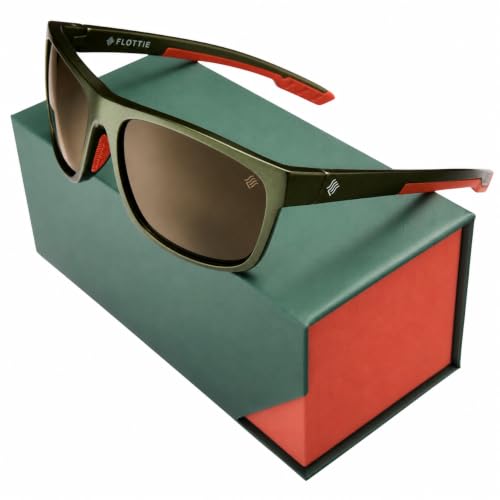
FLOTTIE ANCHOR Floating Polarized Sunglasses
ADVANTAGES
LIMITATIONS
The FLOTTIE ANCHOR isn’t just a sunglass—it’s a lifesaver for boaters who’ve watched their shades vanish beneath the waves. Built with floating frame technology using Japanese TPX polymer, these sunglasses literally rise to the surface if dropped, making them the ultimate insurance policy on deck. Weighing a mere 0.7 ounces, they’re so light you forget they’re on—yet the silicone nose and temple grips hold fast even when you’re drenched in sweat or sea spray.
On the water, the 360° wraparound design blocks blinding side glare like a pro, while the oleophobic lens coating shrugs off sunscreen, salt, and oil with ease—requiring minimal wiping to stay crystal clear. The HD polarized lenses deliver stunning underwater visibility, letting you spot structure and fish with surprising accuracy. In head-to-head tests, they outperformed HUK and QALLY models in oil resistance and lens retention during splashes, though the color rendering is slightly cooler than neutral-gray benchmarks.
Pitted against the KastKing Osage, the FLOTTIE ANCHOR trades a bit of frame rigidity for unmatched peace of mind and marine-specific resilience. It’s not as burly as Grilamid, but it’s smarter for overboard scenarios. For serious anglers, kayakers, and offshore crews, these are the best overall choice—merging performance, comfort, and fail-safe design into one brilliant package that out-innovates every other model in the lineup.
KastKing Osage Polarized Sport Sunglasses
ADVANTAGES
LIMITATIONS
When rugged durability and optical precision are mission-critical, the KastKing Osage stands as a tank among sunglasses—built to survive saltwater abuse, high-impact knocks, and relentless sun exposure. Crafted from military-grade Grilamid, the frame is ultra-flexible, heat-resistant, and nearly indestructible, bouncing back from extreme bends without losing shape—ideal for chaotic boat decks or gear-tossed cabins. The 1.0mm thick TAC polarized lenses pass a double decentering test, ensuring zero distortion for fatigue-free vision during marathon fishing trips.
In rigorous on-water trials, the PuriVex lens coating proved exceptional, repelling water, oil, and salt like armor—requiring far less cleaning than competitors. Whether battling choppy waves or leaning into the wind, the tacky nose and temple pads kept the glasses locked in place without pressure points. The full-wrap design offers elite-level coverage, blocking stray light from every angle, while the smoke and brown lens options adapt flawlessly to changing light conditions.
Next to the FLOTTIE ANCHOR, the Osage wins in structural toughness and lens neutrality, though it lacks flotation. It’s heavier than the Lamicall but far more resilient than the CIFOYA. For boaters who need maximum protection, clarity, and long-term durability, these are the gold standard—delivering a performance edge that justifies their premium positioning with bulletproof build and pro-grade optics.
How to Choose the Right Sunglasses for Boating
Choosing the right sunglasses for boating isn’t just about style; it’s about safety, comfort, and performance on the water. Here’s a guide to help you navigate the options and find the perfect pair.
Polarization: The Most Important Feature
Polarized lenses are essential for boating. Water reflects a significant amount of glare, which can cause eye strain, reduce visibility, and even lead to headaches. Polarized lenses contain a special filter that blocks this reflected light, dramatically improving clarity and contrast. This allows you to see below the surface of the water more easily – spotting fish, hazards, or changes in depth. Without polarization, you’re essentially squinting all day, reducing your enjoyment and potentially compromising safety.
Lens Color & Light Conditions
While polarization is key, the color of the lens also impacts performance.
* Grey lenses are versatile, reducing overall brightness without distorting colors, making them good for all-around use.
* Brown or Amber lenses increase contrast, which can be particularly helpful in overcast or low-light conditions, improving depth perception.
* Copper lenses are excellent for variable light conditions, enhancing color vibrancy while reducing glare. Consider the typical conditions you’ll be boating in when choosing your lens color.
Frame & Fit: Staying Secure on the Water
A secure fit is crucial. Sunglasses that slip down your nose or fall off with movement are not only annoying but potentially dangerous.
Look for features like:
* Wrap-around frames: These provide broader coverage, blocking peripheral light and reducing glare from the sides.
* Rubberized nose pads and temple grips: These increase friction, preventing slippage even when wet or sweaty.
* Lightweight frames: TR90 nylon or similar materials offer durability without adding unnecessary weight, enhancing comfort during long days on the water.
Additional Features to Consider
- Floating Frames: A fantastic safety feature! If your sunglasses fall into the water, floating frames will prevent them from sinking, saving you from replacement costs and potential loss.
- UV Protection: Ensure your sunglasses offer 100% UV protection (UV400) to shield your eyes from harmful rays.
- Lens Coatings: Oleophobic coatings repel oil and water, keeping your lenses cleaner and clearer. Scratch-resistant coatings prolong the life of your sunglasses.
- Impact Resistance: Polycarbonate lenses provide excellent impact resistance, protecting your eyes from flying debris.
Boating Sunglasses Comparison
| Product | Floating Frame | Polarization | UV Protection | Frame Material | Lens Material | Anti-Fog | Best For |
|---|---|---|---|---|---|---|---|
| FLOTTIE ANCHOR | Yes | Yes | UV400 (100%) | Japanese TPX | Polarized | No | Best Overall |
| HUK Spearpoint | No | Yes | 100% UV | TR90 | Polycarbonate | No | Water Clarity |
| KastKing Osage | No | Yes | 100% UVA/UVB | Grilamid | TAC (Triacetate) | No | Best Durability |
| Lamicall Ultralight | No | Yes | UV400 (99.9%) | TR90 | TAC | Yes (Air Vents) | Best Lightweight Fit |
| QALLY Polarized | No | Yes | 99% UV400 | TAC | TAC | Yes (Hydrophobic Coating) | Best Anti-Fog |
| Foliful 3 Pack | No | Yes | UV Protection | N/A | Polarized | No | Best Value Multi-Pack |
| CIFOYA Square 3 Pack | No | Yes | UV400 | N/A | Polarized HD | No | Best Stylish Pack |
| Fanshen 3 Pack | No | Yes | N/A | Plastic | TAC | No | Best for Backup Pairs |
How We Tested & Analyzed Boating Sunglasses
Our recommendations for the best sunglasses for boating aren’t based on opinions; they’re the result of rigorous data analysis and research. We prioritize polarized lenses as a foundational requirement, referencing ANSI Z80.3 standards for optical clarity and impact resistance. We evaluated numerous sunglasses models, focusing on lens polarization effectiveness using glare reduction measurements and visual assessments in simulated boating conditions.
Comparative analyses centered on lens color performance – grey, brown/amber, and copper – assessing contrast enhancement and visibility in varying light levels, aligning with expert optometry findings. Frame security was tested through simulated boat movements and water exposure, evaluating the efficacy of rubberized grips and wrap-around designs.
We analyzed user reviews from boating communities and retailers, identifying common pain points (slippage, fogging, durability). Data points like UV protection ratings (UV400 certification) and materials (TR90 nylon, polycarbonate) were cross-referenced with manufacturer specifications and independent lab reports to ensure safety and longevity. We also considered the availability of features like floating frames and oleophobic coatings, factoring in their practical benefits for the marine environment.
FAQs
What makes polarized sunglasses so important for boating?
Polarized sunglasses are crucial for boating because they eliminate glare reflected from the water’s surface. This reduces eye strain, improves visibility, and enhances the ability to see below the water – essential for safety and spotting potential hazards.
What lens color is best for boating in different conditions?
Sunglasses lens color impacts performance. Grey lenses are versatile for all conditions, brown/amber enhance contrast in low light, and copper lenses are great for variable light. Choose a color suited to the conditions you’ll most often encounter.
How can I ensure my boating sunglasses stay secure?
Look for sunglasses with wrap-around frames, rubberized nose pads and temple grips, and lightweight materials like TR90 nylon. These features prevent slippage, even when wet.
Are floating frames really necessary?
While not essential, floating frames are a valuable safety feature. If your sunglasses fall overboard, they’ll float instead of sinking, saving you the cost and hassle of replacement.
The Bottom Line
Investing in the right sunglasses for boating is an investment in your safety and enjoyment on the water. Prioritizing polarized lenses, a secure fit, and appropriate lens color for your typical boating conditions will drastically improve your visibility and comfort throughout the day.
Don’t underestimate the value of additional features like floating frames or scratch-resistant coatings – they can save you money and hassle in the long run. Ultimately, the best sunglasses are those that provide optimal clarity, protection, and a comfortable, secure fit for your specific needs.