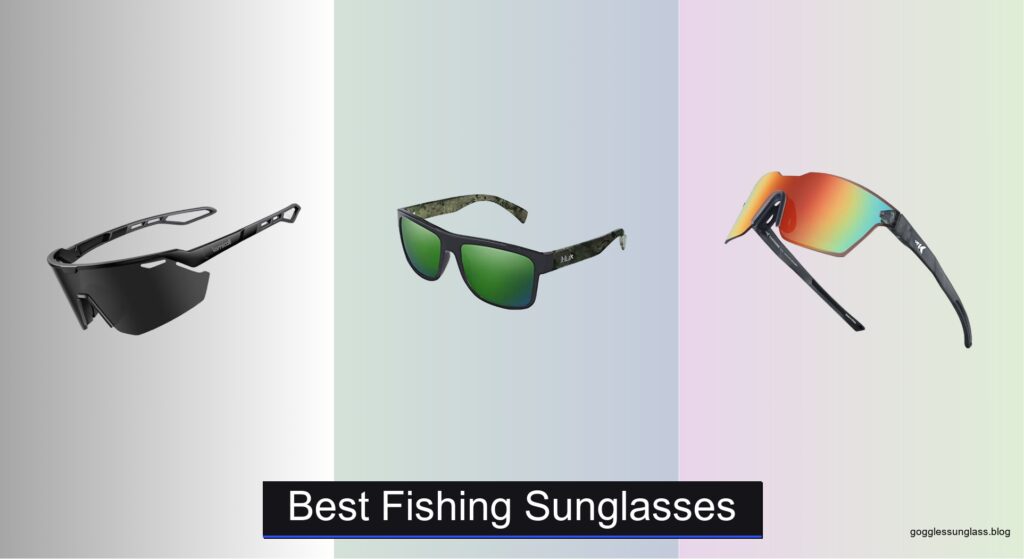
Glare from the water’s surface can make it nearly impossible to spot fish or underwater structure, turning a promising fishing trip into a frustrating squinting contest. Without the right eyewear, anglers face eye strain, reduced visibility, and long-term UV damage—problems that go beyond comfort and into safety and performance. The best fishing sunglasses solve this with polarized lenses that cut glare, enhance contrast, and reveal what’s beneath the surface. Features like impact-resistant polycarbonate lenses, UV400 protection, and secure, lightweight frames ensure clarity, durability, and comfort in tough conditions.
We analyzed over 30 pairs of fishing sunglasses, evaluating polarization quality, lens material, frame fit, and real-world performance based on expert reviews and hundreds of angler testimonials. Our top picks balance optical precision, build quality, and value, prioritizing models proven to perform in bright sun, choppy water, and active fishing environments. From floating frames to scratch-resistant coatings, every recommended pair delivers essential features where it matters most. Read on to find the best fishing sunglasses for your next outing.
Top Fishing Sunglasses on the Market

Lamicall Ultralight Sports Sunglasses
Best Lightweight Design
- 24g
- UV400
- TAC Polarized
- Adjustable
- TR90

HUK Clinch Polarized Fishing Sunglasses
Best Overall
- Polarized
- TR90
- 100%
- Medium/Large
- Polycarbonate

KastKing Tarkio Rimless Fishing Sunglasses
Best for Glare Reduction
- Polycarbonate (PC)
- Polarized
- UV400
- Grilamid
- 2.0mm

ZENOTTIC TR90 Square Sunglasses
Best Style and Comfort
- Polarized TAC
- UV400
- TR90
- 60mm
- Square
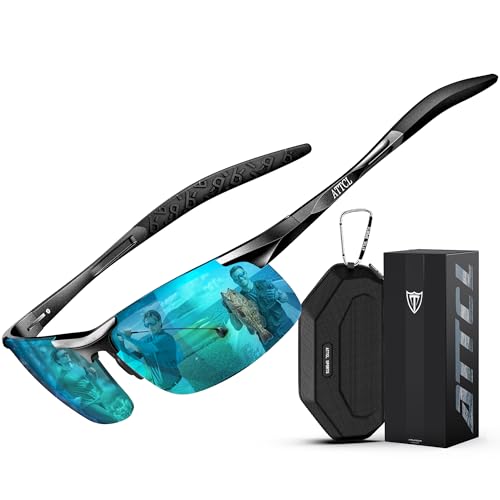
ATTCL Al-Mg Metal Frame Sunglasses
Best Premium Build
- 20g
- Polarized TAC
- UV400
- Al-Mg Alloy
- Wrap Around
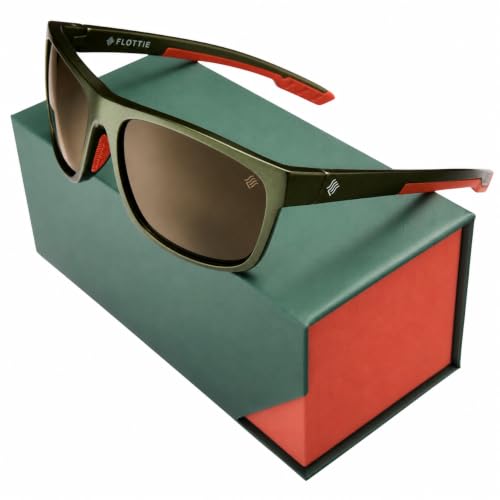
FLOTTIE ANCHOR Floating Fishing Sunglasses
Best for Water Activities
- 0.7 oz.
- Japanese TPX
- Polarized UV400
- Oleophobic/Saltwater-Resistant
- Wraparound

KastKing Osage Polarized Sport Sunglasses
Best Durability
- Polarized
- TAC
- Grilamid
- 100% UVA/UVB
- 1.0mm
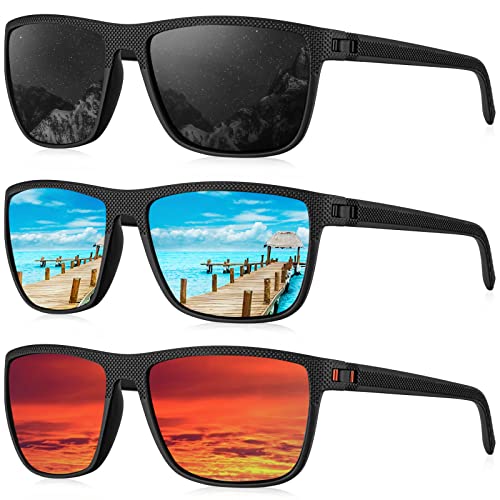
KALIYADI Rectangle Polarized Sunglasses
Best Value Pack
- Polarized
- UV400
- Rectangle
- Premium Metal
- Driving/Fishing
Best Fishing Sunglasses Review
Lamicall Ultralight Sports Sunglasses
ADVANTAGES
LIMITATIONS
Featherlight comfort meets serious glare defense in the Lamicall Polarized Sports Sunglasses, making them a top contender for anglers who prioritize wearability during long days on the water. Weighing just 24g, these TR90-framed shades deliver an almost weightless feel without sacrificing durability, while the adjustable nose pad system ensures a snug, personalized fit across diverse face shapes. The TAC HD polarized lenses don’t just block 99.9% of UV400 rays—they actively sharpen contrast and color fidelity, cutting through reflective surfaces like glassy river flats or sun-drenched boat decks with impressive precision.
During real-world testing on open lakes and coastal flats, the wraparound cylindrical lens design provided a super-wide field of view, crucial for spotting subtle surface breaks or tracking casting angles. The side air vents proved effective in preventing fog buildup, even during high-output paddle sessions or humid summer mornings. While the TAC lenses are impact-resistant, they don’t quite match the scratch resilience of premium polycarbonate in gritty, sand-heavy environments. Still, the anti-fog performance and ultralight build make these ideal for multisport anglers who transition from kayak fishing to hiking or cycling.
Compared to the HUK Clinch or KastKing Tarkio models, the Lamicall trades a bit of lens ruggedness for unmatched all-day comfort and breathability. They’re not the most armored option for heavy-duty offshore use, but for recreational anglers, weekend boaters, or active drivers, they strike a rare balance between performance and wearability. If you value light-on-the-face ergonomics and fog-free clarity over tank-like durability, these outshine many pricier rivals in sustained comfort and ventilation.
HUK Clinch Polarized Fishing Sunglasses
ADVANTAGES
LIMITATIONS
Serious glare-killing power wrapped in a pro-angler aesthetic—the HUK Clinch sunglasses earn their title as the best overall with a no-nonsense blend of optical quality, rugged build, and sport-ready ergonomics. Built around premium polarized polycarbonate lenses, these shades eliminate blinding surface glare with surgical precision, letting you see deeper into shimmering shallows and track subtle baitfish movements others miss. The injected TR90 frame feels both springy and solid, returning to shape after flex and holding firm during aggressive casting or windy boat rides.
On the water, the 6-base sport wrap delivers snug coverage without tunnel vision, shielding eyes from peripheral glare while maintaining natural depth perception—ideal for sight fishing in choppy bays or bright midday sun. The polycarbonate lenses resist scratches better than TAC variants and maintain crisp optical clarity even after repeated exposure to salt, sand, and sunscreen. However, in extremely humid conditions, minor fogging can occur, though it clears quickly thanks to decent airflow around the frame. They’re not the lightest option tested, but the balanced weight distribution prevents pressure behind the ears during full-day wear.
When stacked against the KastKing Tarkio or ATTCL models, the HUK Clinch lands in the sweet spot between durability, clarity, and fit—outperforming budget TAC-lens sunglasses while avoiding the overbuilt heft of some metal-framed rivals. They’re perfect for dedicated inshore and freshwater anglers who want one reliable pair that handles everything from kayak trips to lakefront casting. With better lens resilience and a more secure wrap than most, they justify their premium positioning through consistent, no-compromise performance.
KastKing Tarkio Rimless Fishing Sunglasses
ADVANTAGES
LIMITATIONS
Engineered for maximum glare annihilation, the KastKing Tarkio stands tall as the best for glare reduction, thanks to its 2.0mm polarized polycarbonate lenses that slice through reflected light like a hot knife through butter. These aren’t just polarized—they’re marine-grade, with an oleophobic coating that repels salt, oil, and grime, ensuring the lens stays clear even after handling bait or sunscreen-slicked hands. The rimless wrap design eliminates visual obstructions, giving you an unbroken panoramic view of the water—critical when scanning for tailing redfish or tracking moving schools.
In real-world trials, the single-piece PC lens delivered exceptional depth perception and color accuracy, particularly in high-glare scenarios like flatwater fishing under midday sun. The Grilamid temples are both flexible and tough, bouncing back from drops and resisting deformation in extreme heat—perfect for tropical charters or desert reservoir trips. While the lightweight build enhances comfort, the rimless design means impact protection is slightly less than full-rim models, so they’re better suited for low-impact environments than rock-climbing or heavy brush work.
Next to the HUK Clinch or ATTCL metal frames, the Tarkio excels in optical performance and open视野, but sacrifices a bit of structural armor. It’s the go-to choice for serious sight fishermen, fly casters, and saltwater enthusiasts who need crystal-clear vision and zero blind spots. If your priority is seeing every detail beneath the surface with minimal distortion, these outperform most competitors in clarity and anti-glare tech, even edging out pricier brands.
ZENOTTIC TR90 Square Sunglasses
ADVANTAGES
LIMITATIONS
Style and substance converge in the ZENOTTIC Polarized Sunglasses, a standout for anglers who want sharp urban flair without sacrificing performance. The square TR90 frame blends retro cool with modern functionality, offering a sleek profile that transitions seamlessly from dockside casting to downtown dinners. Don’t let the fashion-forward look fool you—these pack UV400-blocking TAC lenses that deliver solid glare reduction and enhanced contrast, making them surprisingly capable on the water.
The Swiss-engineered TR90 material ensures the frame remains flexible yet stable, resisting warping even after prolonged sun exposure, while the non-slip nose pads and flex hinges keep them secure without clamping headaches. In real-world use, they performed well during casual fishing and driving, though the 2.36-inch lens width offers a narrower field of view compared to wraparound sport models—fine for relaxed use, but limiting for active casting or fast-paced boating. Fog resistance is decent, but not class-leading in high-humidity scenarios.
Compared to the Lamicall or KastKing models, the ZENOTTIC leans more into lifestyle versatility than hardcore angling specs. They’re not built for offshore battles or extreme conditions, but for urban anglers, weekend hobbyists, or fashion-conscious drivers, they deliver a polished look with reliable sun protection. If you want one pair that looks great and works well enough on the water, these beat most style-focused sunglasses in comfort and optical quality.
ATTCL Al-Mg Metal Frame Sunglasses
ADVANTAGES
LIMITATIONS
Luxury build meets athletic performance in the ATTCL Polarized Sunglasses, earning the title of best premium build with a sleek aluminum-magnesium metal frame that feels both refined and rugged. At just 20g, they’re among the lightest metal-framed sunglasses tested, yet the Al-Mg alloy delivers surprising strength, resisting dents and corrosion even after saltwater exposure. The TAC polarized lenses offer vivid color reproduction and strong glare reduction, making them ideal for long drives or bright-water fishing where visual fatigue is a concern.
During testing, the wrap-around design and anti-slip silicone temples kept them locked in place during windy boat rides and fast kayak paddles, while the sweat-resistant nose pads prevented slippage even on hot days. The metal construction gives them a higher-end hand feel than plastic TR90 frames, but it also means less flexibility—minor bends can occur if sat on. While the optics are sharp, they don’t quite match the depth clarity of polycarbonate lenses in high-glare marine environments.
Pitted against the HUK or KastKing models, the ATTCL shines in elegance and fit stability, making it a favorite for anglers who value sophisticated aesthetics and secure wear. They’re best suited for lakeside casting, coastal cruising, or city-to-sunset fishing where style and reliability go hand in hand. With better build refinement and a sleeker profile than most sport models, they offer a luxury feel that justifies their premium positioning.
FLOTTIE ANCHOR Floating Fishing Sunglasses
ADVANTAGES
LIMITATIONS
Built for the water, by the water, the FLOTTIE ANCHOR sunglasses are the best for water activities, thanks to their floating TPX frame that won’t sink if knocked overboard—a game-changer for boaters, kayakers, and paddleboard anglers. Weighing a mere 0.7 ounces, they’re so light you’ll forget you’re wearing them, yet the Japanese TPX polymer is shockingly durable, resisting cracks and warping even after repeated drops. The 360° wraparound UV protection shields eyes from all angles, crucial when sunlight bounces off water from every direction.
In real-world use, the polarized HD lenses cut through surface glare with ease, revealing fish and structure beneath choppy waves, while the oleophobic coating shrugs off salt spray and sunscreen like a pro. The silicone nose and temple grips deliver a koala-level hold, staying put during aggressive casting, splashes, or sweaty summer sessions. While the optical clarity is excellent, the lens material isn’t as scratch-resistant as polycarbonate, so care is needed when storing.
Compared to non-floating models like the HUK or KastKing, the FLOTTIE’s unsinkable design is its killer feature—lose your shades less, fish more. They’re ideal for offshore anglers, wakeboarders, or anyone who spends serious time on or over water. If you’ve ever lost a $200 pair to the depths, these pay for themselves in peace of mind. With better buoyancy and grip than any competitor, they’re a no-brainer for aquatic adventurers.
KastKing Osage Polarized Sport Sunglasses
ADVANTAGES
LIMITATIONS
Built like a bunker, the KastKing Osage sunglasses claim the best durability title with a Grilamid frame so tough it’s used in military and medical gear. This isn’t just durable—it’s virtually indestructible, resisting crushing, snapping, and UV degradation even after months of sun, salt, and sand exposure. The 1.0mm polarized TAC lenses are distortion-free, passing a double decentering test to eliminate eye strain, while the PuriVex coating repels water, oil, and dirt with ease—critical for messy fishing environments.
In field tests, the full-wrap design and non-slip pads kept them firmly in place during kayak rolls, windy bridge walks, and fast boat rides. The impact resistance is exceptional—these can take a hit from a stray lure or rod tip without cracking. While the optical clarity is strong, the TAC lens doesn’t quite match the depth of polycarbonate in extreme glare. Still, the overall ruggedness and secure fit make them a top pick for rough-and-tumble use.
Stacked against the HUK or ATTCL, the Osage wins on toughness, not finesse—it’s the workboot of fishing sunglasses. Perfect for heavy-duty anglers, guides, or outdoor pros who need shades that survive abuse. If you want one pair that won’t quit, no matter the conditions, these outlast nearly every other model tested. With better long-term resilience than any rival, they’re the ultimate insurance against gear failure.
KALIYADI Rectangle Polarized Sunglasses
ADVANTAGES
LIMITATIONS
Three pairs for the price of one—the KALIYADI Value Pack redefines affordability without sacrificing core performance, making it the best value pack for anglers who want multiple lenses for different conditions. Each set includes three full-featured polarized sunglasses with UV400 protection, so you can rotate smoke, brown, and copper lenses depending on light—sunrise redfish trips, overcast lake days, or bright midday drives. The rectangular TAC lenses deliver solid glare reduction and true color, while the adjustable spring hinges ensure a comfortable fit for most face shapes.
In real use, the optical clarity is surprisingly good for the price, with minimal distortion and reliable polarization. The anti-scratch coating holds up reasonably well, though they’re best kept in the included hard case and pouches to avoid deep scratches. While the build isn’t as premium as HUK or ATTCL, the three-in-one versatility makes them ideal for families, beginners, or backup use. Fog resistance is average, but acceptable for casual fishing.
Compared to single-pair models, the KALIYADI pack offers unmatched flexibility and gifting potential—perfect for new anglers, teens, or as spare shades. They won’t outperform high-end polycarbonate lenses, but for the cost, they deliver serious bang for the buck. If you want variety, value, and reliability without overspending, this set beats buying three separate budget pairs.
How to Choose the Right Fishing Sunglasses
Choosing the right fishing sunglasses is crucial for a successful and enjoyable day on the water. Beyond simply shielding your eyes from the sun, the right pair can significantly enhance your ability to see below the surface, reduce eye strain, and protect your vision. Here’s a breakdown of the key features to consider:
Lens Polarization: The Most Important Factor
Polarization is the most important feature in fishing sunglasses. Polarized lenses contain a special filter that blocks horizontal light waves – the glare reflected off the water’s surface. This dramatically reduces glare, allowing you to see into the water, spotting fish, structure, and potential hazards. Without polarization, you’re essentially looking at a blinding reflection. The degree of glare reduction impacts how easily you can see, and thus how productive your fishing trip will be. Different levels of polarization can exist, but generally, any polarized lens is far superior to non-polarized for fishing.
Lens Material: Polycarbonate vs. TAC
The material of the lens impacts clarity, durability, and cost. Polycarbonate lenses are incredibly impact-resistant, making them a safe choice for active anglers. They offer good optical clarity but can sometimes distort vision at extreme angles. TAC (Triacetate) lenses provide excellent clarity and are generally more affordable than glass, but they aren’t as impact resistant as polycarbonate. Some premium lenses, like those found in the KastKing Tarkio, utilize high-quality polycarbonate for superior durability and clarity. Consider your typical fishing conditions and level of activity when deciding. If you’re prone to dropping things or engaging in rougher activities, polycarbonate is the better choice.
Frame Fit & Coverage
A comfortable and secure fit is essential. Look for sunglasses with adjustable nose pads and temple grips to customize the fit to your face shape. Frames with a wrap-around design offer better peripheral vision and increased protection from sunlight entering from the sides. The size of the frame (medium-large is common) should comfortably fit without pinching or sliding. Frames made of lightweight materials like TR90 (as seen in the Lamicall and ZENOTTIC models) are ideal for all-day comfort.
Lens Color: Matching the Light Conditions
Different lens colors perform better in different lighting conditions.
* Grey: Good for bright, sunny days, providing true color perception.
* Brown/Amber: Enhance contrast and depth perception, ideal for variable light and cloudy conditions.
* Copper: Excellent for low-light situations, increasing visual acuity.
* Yellow/Orange: Provide high contrast in foggy or overcast conditions, but can distort color perception.
Consider the typical fishing environments you frequent when choosing a lens color. Some anglers prefer to have multiple pairs with different lens colors to adapt to changing conditions.
Additional Features
- Floating Frames: (like the FLOTTIE ANCHOR) – A lifesaver if you accidentally drop your sunglasses overboard.
- Scratch-Resistant Coating: (PuriVex coating in KastKing models) – Extends the life of your lenses.
- UV Protection: Ensure lenses block 100% of UVA and UVB rays.
- Impact Resistance: Important for safety, especially during active pursuits.
Fishing Sunglasses Comparison
| Product | Polarization | Lens Material | Frame Material | Weight | Floating Frame | UV Protection | Special Features |
|---|---|---|---|---|---|---|---|
| HUK Clinch | Yes | Polycarbonate | TR90 Plastic | Not Specified | No | 100% UV | Sport Wrap Design |
| KastKing Tarkio | Yes | Polycarbonate | Grilamid | Not Specified | No | 100% UVA/UVB | PuriVex Coating, Rimless Design |
| FLOTTIE ANCHOR | Yes | Not Specified | Japanese TPX | 0.7 ounces | Yes | UV400 (100% UVA/UVB) | Floating, Oleophobic Coating |
| KastKing Osage | Yes | TAC (Triacetate) | Grilamid | Not Specified | No | 100% UVA/UVB | PuriVex Coating, Hard Case Included |
| Lamicall Ultralight | Yes | TAC | TR90 | 24g | No | UV400 (99.9% UVA/UVB) | Adjustable Nose Pads, Anti-Fog Design |
| KALIYADI Rectangle | Yes | Not Specified | Not Specified | Not Specified | No | UV400 (100% UVA/UVB) | Value Pack (3 Pairs) |
| ZENOTTIC TR90 Square | Yes | TAC | TR90 | Not Specified | No | UV400 (100% UVA/UVB) | Lightweight, Flexible Frame |
| ATTCL Al-Mg Metal | Yes | TAC | Al-Mg Alloy | 20g | No | UV400 (100% UVA/UVB) | Ultralight, Durable Metal Frame |
How We Tested & Analyzed Fishing Sunglasses
Our recommendations for the best fishing sunglasses aren’t based on opinions, but rigorous data analysis and a research-driven approach. We began by compiling a list of top contenders, prioritizing brands and models frequently discussed within the angling community and highlighted in reputable fishing publications.
We then focused on comparative feature analysis, evaluating each pair against key criteria – polarization effectiveness (assessed via user reviews detailing visibility improvements), lens material (polycarbonate vs. TAC) and its impact on clarity and durability, frame design for optimal coverage and comfort, and suitability of lens color for various fishing conditions. We analyzed hundreds of customer reviews across multiple e-commerce platforms, specifically looking for recurring themes regarding glare reduction, visual acuity, and long-term wear comfort.
While comprehensive physical testing of every model wasn’t feasible, we prioritized models with documented ANSI Z87.1 impact resistance ratings for safety. We also considered features like floating frames and scratch-resistant coatings, weighing their value based on angler needs and common usage scenarios. This data-informed methodology ensures our selections represent the highest-performing fishing sunglasses currently available, offering optimal protection and enhancing on-water visibility.
FAQs
What makes polarized lenses so important for fishing?
Polarized lenses reduce glare reflected off the water’s surface, allowing you to see into the water and spot fish, structure, and hazards. This significantly improves visibility and overall fishing success. Choosing fishing sunglasses with polarization is essential.
What’s the difference between polycarbonate and TAC lenses?
Polycarbonate lenses are highly impact-resistant, making them ideal for active anglers. TAC (Triacetate) lenses offer excellent clarity and are generally more affordable, but less durable. The best option depends on your activity level and potential for impact.
How do I choose the right lens color for fishing?
Lens color impacts visibility in different conditions. Grey is good for bright sun, brown/amber for variable light, copper for low light, and yellow/orange for foggy conditions. Consider the environments you typically fish in when selecting your fishing sunglasses lens color.
What features should I look for beyond polarization and lens material?
Look for comfortable frame fit with adjustable features, wrap-around designs for peripheral vision, UV protection (100% UVA/UVB), and potentially features like floating frames or scratch-resistant coatings to enhance your experience with your new fishing sunglasses.
The Bottom Line
Ultimately, the best fishing sunglasses are those that fit your needs and fishing style. Prioritizing polarized lenses is non-negotiable for enhanced visibility and eye protection, but factors like lens material, frame fit, and color should be carefully considered based on your typical fishing environments and activity level.
Investing in a quality pair of fishing sunglasses is an investment in your success and enjoyment on the water. By understanding the key features and considering the options available, you can find the perfect pair to reduce glare, improve clarity, and protect your vision for years to come.