That milky haze creeping across your lenses at the worst possible moment isn’t just annoying—it’s dangerous. Whether you’re bombing down a ski slope at 40 mph, swimming your final competitive lap, or grinding uphill on your mountain bike, fogged goggles compromise safety and performance in critical seconds. This frustrating phenomenon happens when warm, humid air from your breath and sweat hits the cooler lens surface, causing moisture to condense into tiny droplets that scatter light. But fogging isn’t inevitable. With the right gear, techniques, and maintenance, you can maintain crystal-clear vision in any condition. This guide delivers actionable, science-backed solutions to finally solve how to keep goggles from fogging—no more wiping mid-run or sacrificing visibility when it matters most.
Why Your Goggles Fog Up and How Temperature Triggers It
Fogging is pure physics, not bad luck. When your warm, moisture-laden breath (often 95°F with 100% humidity) collides with a cooler lens surface, the air rapidly cools. Cold air holds less moisture, forcing excess vapor to condense into microscopic droplets on the lens. Two conditions accelerate this: extreme temperature gaps (like stepping from freezing slopes into a warm lodge) and high exertion that floods your goggle seal with sweat and breath. Single-pane lenses worsen this by allowing the outer cold surface to chill the inner lens directly. The solution? Break this cycle by minimizing temperature differences and moisture buildup—starting with your gear choices.
Choosing Fog-Proof Goggles: Critical Features You Can’t Skip

Your goggle selection is your first line of defense. Generic styles won’t cut it when sweat beads on your forehead or cold air bites your face. Prioritize these non-negotiable features to master how to keep goggles from fogging.
Demand Dual-Pane Lenses with Thermal Barriers
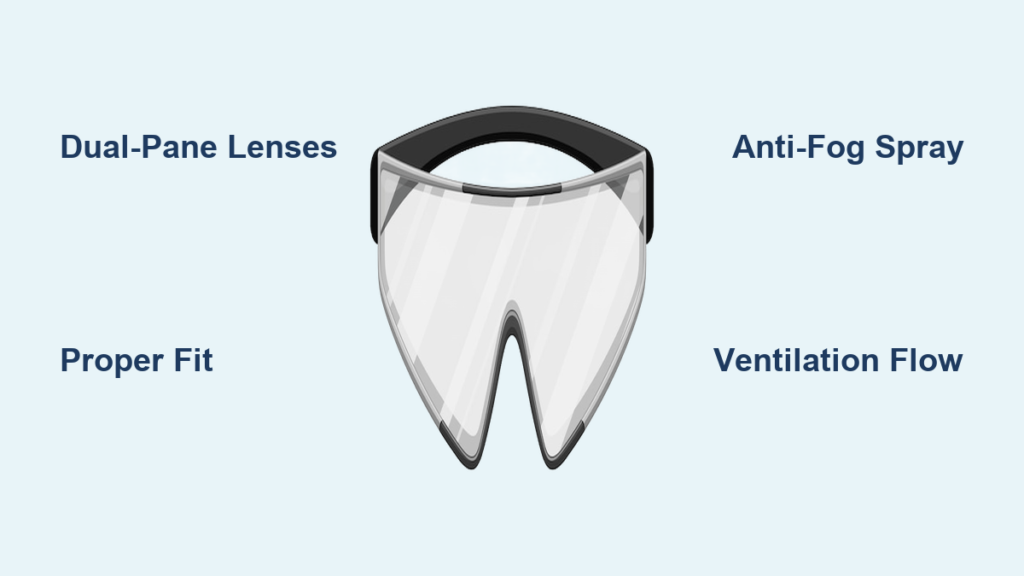
Single-pane lenses are fogging magnets. Instead, choose goggles with dual-pane thermal construction—the gold standard for fog prevention. These feature two lenses separated by an inert gas layer (like krypton), creating a thermal barrier that stops your warm breath from cooling against the outer lens. For skiing or snowboarding, this is non-negotiable in sub-zero temps. Swimmers should opt for low-volume masks with curved lenses that sit farther from the face, reducing breath exposure. Always verify “dual-pane” in product specs—don’t assume all premium goggles include this.
Perfect Your Fit and Ventilation Flow Immediately
A goggle that leaks cold air is a fogging invitation. Test fit by pressing the frame against your face without straps; it should create suction and seal around cheekbones and nose. Then secure straps: too tight squeezes moisture into the seal, too loose lets icy air rush in. Crucially, locate ventilation ports—they must align with your brow and temples. Run a finger along the frame: vents should feel like small channels (not blocked by foam). In high-humidity sports like cycling, prioritize forced-air ventilation systems with tiny fans that actively pull moist air out. Never wear goggles over hats or hoods that disrupt the seal.
Apply Anti-Fog Treatments That Actually Last
Even top-tier goggles need reinforcement. Factory coatings degrade with cleaning and time, so proactive treatment is essential for reliable fog prevention. Skip gimmicks and focus on these proven methods.
Master Anti-Fog Spray Application in 3 Steps
Commercial sprays create a hydrophilic layer that spreads moisture into an invisible film instead of droplets. But improper use wastes product and causes streaks:
1. Clean first with alcohol-free wipes: Dust or oils block the coating. Use a microfiber cloth dampened with lens cleaner—never dry rub.
2. Spray onto cloth, not lens: Mist a pea-sized amount onto the cloth, then wipe in slow concentric circles. Direct spraying causes pooling.
3. Buff to optical clarity: Wait 30 seconds, then use the dry side of the cloth with light pressure until no haze remains. Reapply every 4-6 hours during heavy use.
Skip Potatoes—Use These Reliable DIY Alternatives
Forget viral hacks like rubbing raw potatoes on lenses (starchy residue attracts dirt). For quick fixes, diluted baby shampoo works: Mix 1 drop with 2 tbsp water, apply with cloth, rinse lightly, and air-dry. For swimming, spit only as a last resort—it’s temporary and unhygienic in shared pools. Dish soap with moisturizers leaves oily films; if using, choose clear, lotion-free varieties and rinse thoroughly. These are emergency solutions—rely on sprays for consistent results.
Emergency Fog Fixes When You’re Mid-Activity
When fog strikes during a critical moment, these tactics restore vision in seconds without ruining your session.
Equalize Temperature with Strategic Venting
The instant fog appears, lift goggles just enough to break the seal for 5-10 seconds. This lets warm, humid air escape while drawing in drier external air. For swimmers, tilt your head up and gently press the mask top against your forehead to let a trickle of water flush the interior—this resets humidity levels. Never fully remove goggles in cold conditions; even 15 seconds of exposure worsens future fogging.
Control Sweat Before It Starts
Pre-cool your face with a damp cloth 2 minutes before exertion to reduce initial sweat output. During activity, avoid pushing goggles onto your forehead—that traps sweat in the foam. Instead, use a headband to wick moisture away from your hairline. Cyclists should angle vents upward to deflect wind-driven moisture. Keep a microfiber cloth in an accessible pocket for quick buffs—never use cotton shirts that leave lint.
Maintain Gear Longevity to Prevent Permanent Fogging

Fogging often signals neglected maintenance. Protect your investment with these simple care habits that extend anti-fog performance.
Clean and Store Lenses to Preserve Coatings
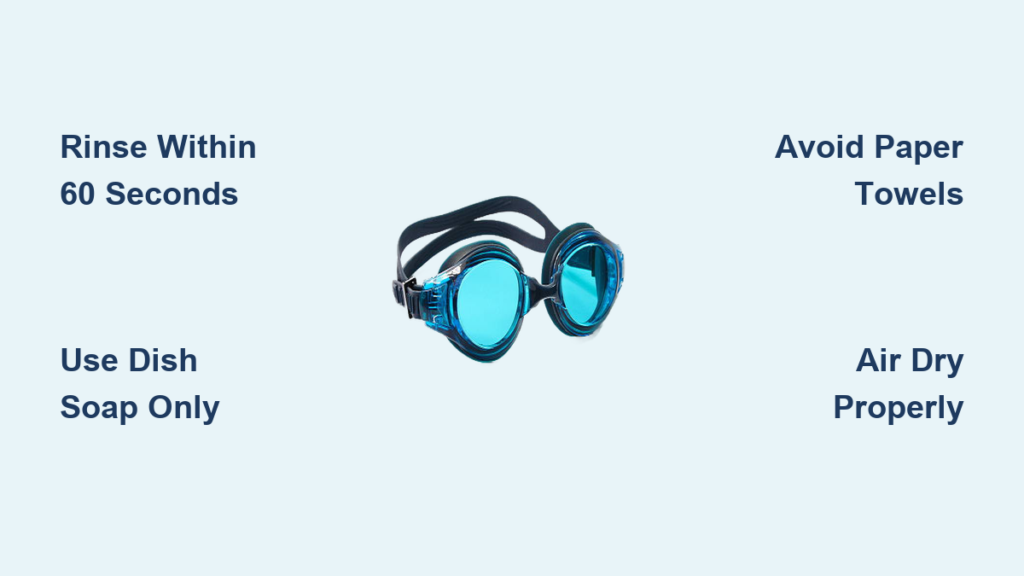
Never wipe dry lenses—that scratches anti-fog coatings. Always spray with a 50/50 isopropyl alcohol-water mix first, then wipe with microfiber. After saltwater or pool use, rinse immediately with fresh water and air-dry away from direct sun (UV rays break down coatings). Store goggles in a padded case—not crammed in a backpack—where foam retains shape and vents stay clear. Never leave them on car dashboards; heat above 140°F permanently damages lens treatments.
Recognize When Gear Is Beyond Saving
Anti-fog coatings last 1-2 seasons with proper care. If streaks persist after cleaning, lenses develop a permanent cloudy haze, or foam loses its seal, replacement is cheaper than constant re-treating. Check for:
– Scratches: Even hairline cracks trap moisture
– Foam compression: No longer springs back when pressed
– Failed vents: Blocked ports you can’t clear
Don’t risk safety—upgrade when these signs appear.
Prevention Habits for All-Day Clarity

Integrate these small habits before every use to eliminate fogging at the source. Start sessions by ensuring vents are unobstructed (blow gently through them). For high-sweat activities, apply anti-fog spray the night before—this lets the coating bond fully. Never share goggles; facial oils transfer and degrade treatments. Finally, breathe through your mouth—not nose—to direct vapor away from lenses.
By selecting dual-pane goggles, applying treatments correctly, and maintaining gear religiously, you’ll conquer fogging permanently. Remember: Clear vision isn’t about luck—it’s about controlling temperature, moisture, and maintenance. Implement these steps before your next outing, and experience what true visual freedom feels like. No more pauses, no more hazards—just unbroken focus on your sport. When fog threatens, you’ll know exactly how to keep goggles from fogging, turning a common frustration into your competitive edge.