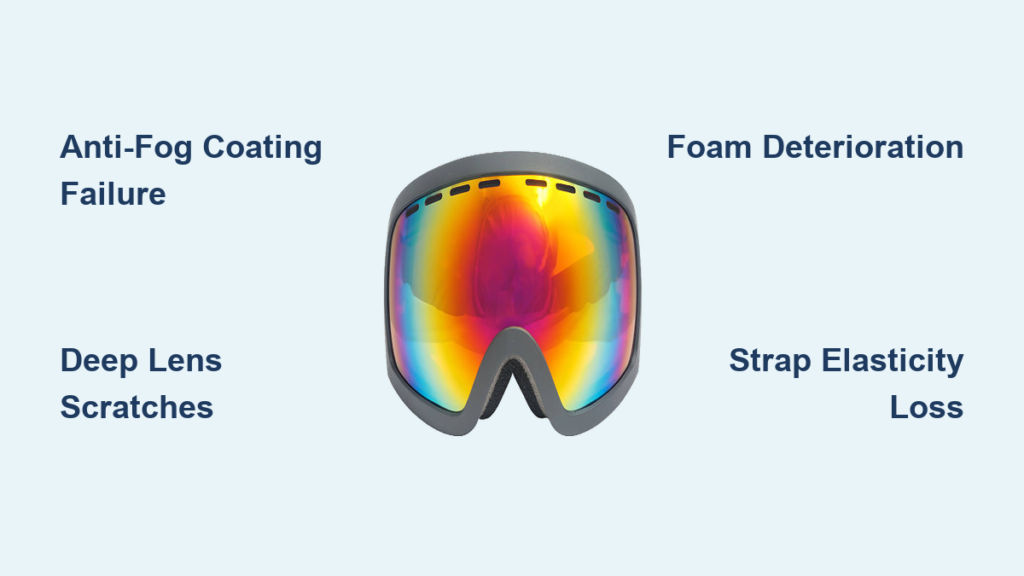
Nothing ruins a perfect ski day faster than trying to navigate the slopes through scratched goggles. When your goggle lenses develop those annoying scratches, your vision becomes distorted, glare increases, and your safety on the mountain is compromised. Many skiers and snowboarders immediately assume scratched goggles mean it’s time for a costly replacement—but that’s not necessarily true. Whether you’re dealing with minor surface marks or deeper vision-impairing scratches, this comprehensive guide shows you exactly how to fix scratched goggles using proven methods, from quick DIY solutions to professional repair options, plus essential prevention strategies to keep your lenses crystal clear for seasons to come.
Diagnosing Your Goggle Scratches Before Repair
Determining If Your Scratches Are Repairable
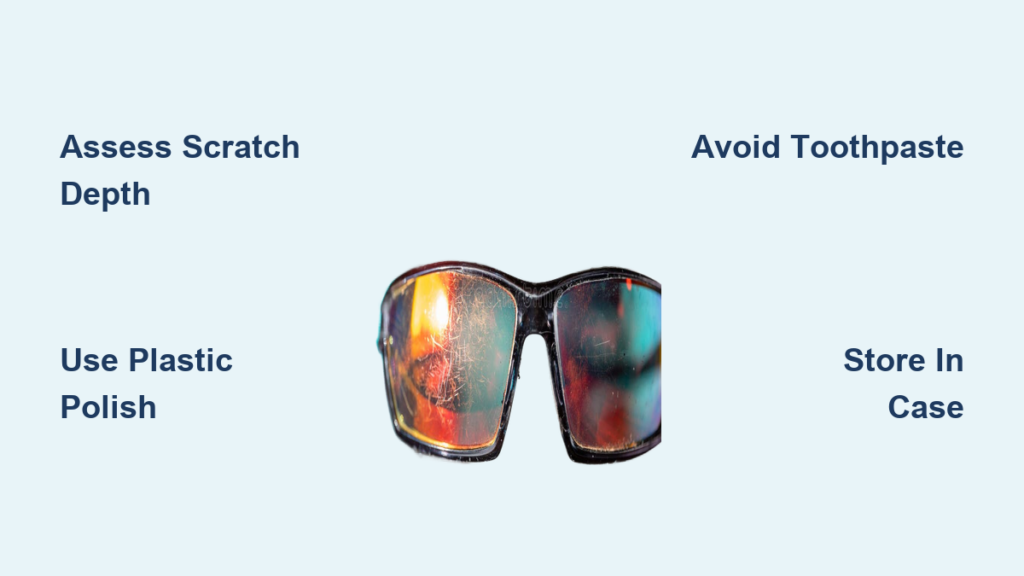
Before attempting any fixes, you need to assess whether your scratches can actually be repaired. Run your fingernail gently across the scratch—if you feel a distinct catch, it’s too deep for most DIY methods and likely requires professional attention. Shallow scratches that don’t catch your nail are often just in the anti-fog or anti-scratch coating and can frequently be polished out.
Pay special attention to where scratches appear in your field of vision. Minor scratches in your peripheral vision might not warrant repair, while even small scratches directly in your line of sight can significantly impact visibility and safety. One practical test: hold your goggles at arm’s length against a bright background—scratches that create noticeable halos or distortions around light sources need addressing.
Identifying Common Scratch Patterns and Their Causes
Different scratch patterns reveal how damage occurred, helping you prevent future issues. Circular scratches typically indicate improper cleaning technique—probably from using non-microfiber cloths or wiping when lenses are dry. Straight-line scratches often come from contact with zippers, keys, or other hard objects in your gear bag. Fine web-like patterns usually result from abrasive particles trapped between your cleaning cloth and lens.
Understanding your scratch pattern helps determine the best repair approach. Circular cleaning-related scratches respond better to polishing methods, while deep linear scratches from hard objects often require professional resurfacing or lens replacement. If you notice multiple fine scratches concentrated in one area, it’s likely from repeated contact with a specific object—eliminate that contact point to prevent further damage.
Safe DIY Scratch Repair Techniques That Actually Work
Why Toothpaste Is a Risky Fix (And What to Use Instead)
Despite popular belief, using toothpaste to fix scratched goggles is strongly discouraged by experienced users. ParatrooperSpring documented permanent damage to Smith 4D MAG lenses after attempting this method, even when using a “clean soft microfiber cloth.” The abrasives in toothpaste remove protective coatings rather than just the scratch, causing irreversible optical distortion.
For minor surface scratches, safer alternatives exist. Start by thoroughly rinsing your lenses to remove any grit that could cause additional scratching during the repair process. Then, use a specialized plastic polish designed for polycarbonate surfaces—these contain controlled abrasives that gently remove the damaged surface layer without harming the lens integrity.
Baking Soda Paste: A Controlled Approach for Light Scratches
For very shallow scratches, create a paste using three parts baking soda to one part water. Apply this mixture to a clean microfiber cloth (never directly to lenses) and work in gentle, consistent circular motions over the scratched area for no more than 30 seconds. Rinse thoroughly with clean water and inspect—repeat only if necessary.
Important: Always test this method on a small, inconspicuous edge of the lens first. If you notice any cloudiness or coating damage, stop immediately. Baking soda is still abrasive enough to damage coatings if overused, so reserve this method for minor scratches that don’t respond to commercial plastic polishes.
Commercial Plastic Polishes: Your Best DIY Option

For reliable results, invest in a quality plastic polish specifically designed for polycarbonate surfaces. Headlight restoration kits from brands like Meguiar’s or 3M work exceptionally well on goggle lenses. These products contain graduated abrasives that systematically remove the damaged surface layer while minimizing additional scratching.
Apply a small amount of polish to a clean microfiber cloth and work in consistent, overlapping circular motions. Focus only on the scratched area, avoiding the anti-fog coating near the edges. After polishing, clean the lens with a separate microfiber cloth and lens-specific cleaning solution. This method safely removes fine scratches without damaging protective coatings when used correctly.
Professional Repair Solutions Worth Considering
When to Choose Professional Resurfacing Over DIY
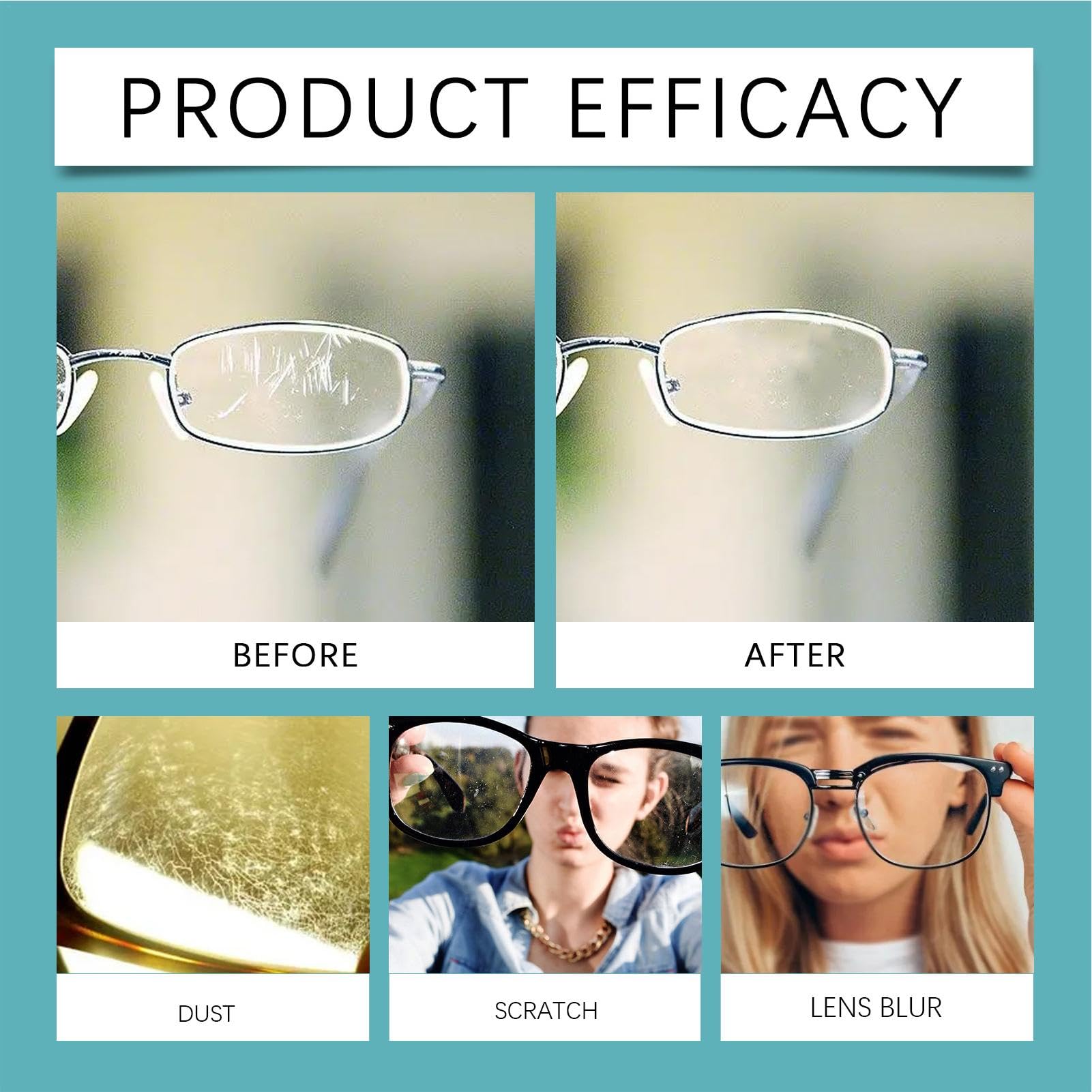
For deep scratches that catch your fingernail or multiple scratches in your primary field of vision, professional resurfacing delivers dramatically better results than DIY methods. These services use specialized equipment to remove a thin, uniform layer of the lens surface, effectively “sanding” away scratches while maintaining optical clarity.
Many ski shops and optical service providers offer professional resurfacing for $20-50—significantly less than replacement lenses. This option works best for high-end goggles where replacement lenses cost $80+. Before committing, ask if they’ve successfully repaired your specific goggle brand and lens type, as some specialized coatings require specific techniques.
Cost-Effective Lens Replacement Strategies
When scratches compromise your anti-fog coating or significantly impair vision, replacement lenses often make more economic sense than repair. Major brands like Smith, Oakley, and Anon sell replacement lenses for most models at 40-70% of the cost of new goggles.
Check if your goggles qualify for manufacturer replacement programs—some brands offer discounted lenses for registered products. Consider purchasing an extra lens for particularly challenging conditions. For goggles under $100, replacement lenses may cost nearly as much as new goggles, making full replacement the smarter choice.
Essential Prevention Strategies to Avoid Future Scratches

Proper Cleaning Techniques That Actually Protect Your Lenses
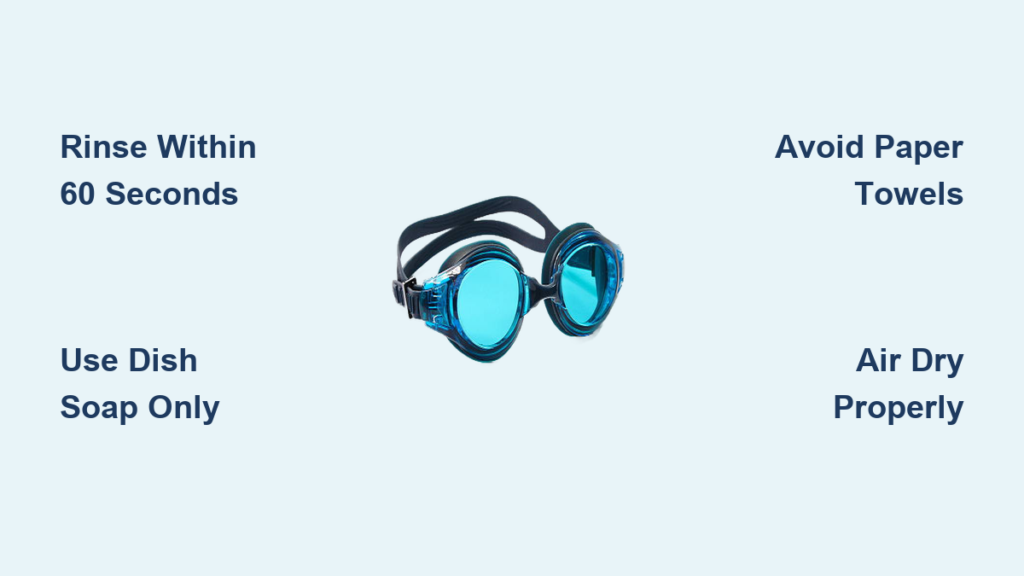
The single most effective way to prevent scratches is proper cleaning technique. Always rinse lenses with water first to remove abrasive particles before wiping. Use only goggle-specific microfiber cloths—never clothing, paper towels, or non-lens cloths. Clean when lenses are wet, never dry, as dry wiping creates micro-scratches that accumulate over time.
Establish a cleaning routine: after each use, rinse lenses with water, gently wipe with a clean microfiber cloth, then store in a protective case. Keep multiple clean microfiber cloths in your gear bag—using a dirty cloth transfers grit to your lenses, causing new scratches with every cleaning.
Optimal Storage Solutions That Prevent Scratches
How you store your goggles matters as much as how you clean them. Invest in a rigid case or quality goggle sock that protects lenses from contact with other gear. Never store goggles lens-down on any surface—always place them in their case with lenses facing inward.
Create a dedicated pocket in your ski bag just for goggles, separate from helmets, boots, and other equipment. Remove goggles from your face by the strap, not the frame, to avoid accidental contact with your jacket zipper or other abrasive surfaces. Many users report eliminating scratches completely by adopting these simple storage practices.
Making the Repair vs. Replace Decision
When DIY Repair Makes Sense
Consider DIY scratch repair if:
– Scratches are minor and don’t affect your primary field of vision
– You have high-end goggles with expensive replacement lenses
– The scratches are only on the outer coating, not penetrating the lens
– You’re comfortable following careful, methodical repair procedures
For most users, starting with a commercial plastic polish kit ($10-20) offers the best balance of effectiveness and safety. These products deliver professional-quality results without the risks associated with improvised methods like toothpaste.
When Replacement Is the Smarter Choice
Replace your lenses when:
– Deep scratches cause visual distortion or halos around lights
– Multiple scratches intersect in your primary line of sight
– The anti-fog coating is visibly damaged or peeling
– You’ve already attempted repair and made the situation worse
For goggles over three seasons old, consider full replacement rather than lens replacement, as other components may be nearing the end of their lifespan. Factor in the total cost of ownership—some skiers budget for annual lens replacement as part of their regular gear maintenance.
Critical Mistakes That Cause Scratches (And How to Avoid Them)
Never:
– Wipe lenses when they’re dry
– Use clothing, paper products, or non-microfiber materials for cleaning
– Store goggles loosely in your gear bag without protection
– Clean with alcohol-based solutions or harsh chemicals
– Leave goggles on hot car dashboards where UV exposure degrades coatings
Always:
– Rinse lenses with water before wiping
– Store goggles in a dedicated case with lens protection
– Keep multiple clean microfiber cloths in your gear bag
– Allow goggles to air dry completely before storage
– Handle goggles by the strap, not the frame
By implementing these straightforward practices, you’ll dramatically extend your goggle lifespan. Many experienced skiers and instructors report multiple seasons of use without significant scratching through consistent application of these techniques.
Final Recommendations for Scratch-Free Vision
For immediate scratch issues, follow this decision tree: First, assess if scratches affect your vision—if not, they may not need repair. For minor scratches, try a quality plastic polish kit following manufacturer instructions precisely. For deeper scratches, seek professional resurfacing or replacement lenses depending on cost.
Most importantly, shift your focus to prevention. Invest in proper storage solutions, establish a consistent cleaning routine, and handle your goggles carefully. The overwhelming consensus from experienced users is that prevention far outweighs repair when it comes to goggle scratches. With proper care, your goggles can deliver crystal-clear vision season after season, keeping you safe and maximizing your time on the mountain. Remember: those perfect powder days are too valuable to spend squinting through scratched lenses.